


Login
Get Instant Pricing On 23,000+ Aircraft


The Douglas DC-9 revolutionized regional air travel with its efficient design and quick turnaround capabilities, serving as a vital link for short-haul routes. Although most DC-9s are retired, their legacy continues in modern private jet charters, which offer enhanced comfort and flexibility for travelers. Jettly connects clients with a diverse fleet of aircraft that embody the DC-9's mission of fast, point-to-point flying.
Jeff Ryan Serevilla
Sep 25, 2026
|
5
min read


View all
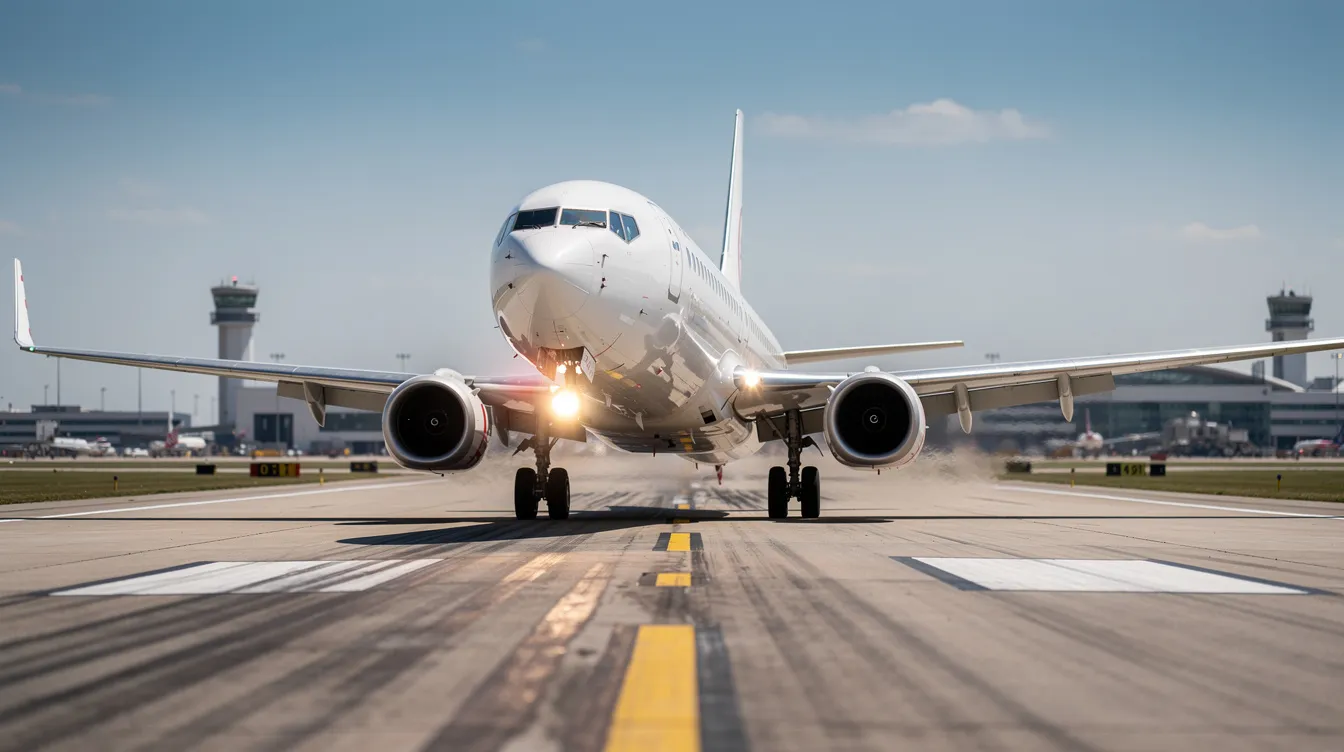
This practical guide outlines the minimum runway length requirements for Boeing 737 operations, crucial for pilots, operators, and charter travelers. It details how various factors such as aircraft weight, environmental conditions, and runway surface affect takeoff and landing distances, providing essential insights for safe and efficient flight planning.
Jay Franco Serevilla
Aug 9, 2026
|
5
min read
View all
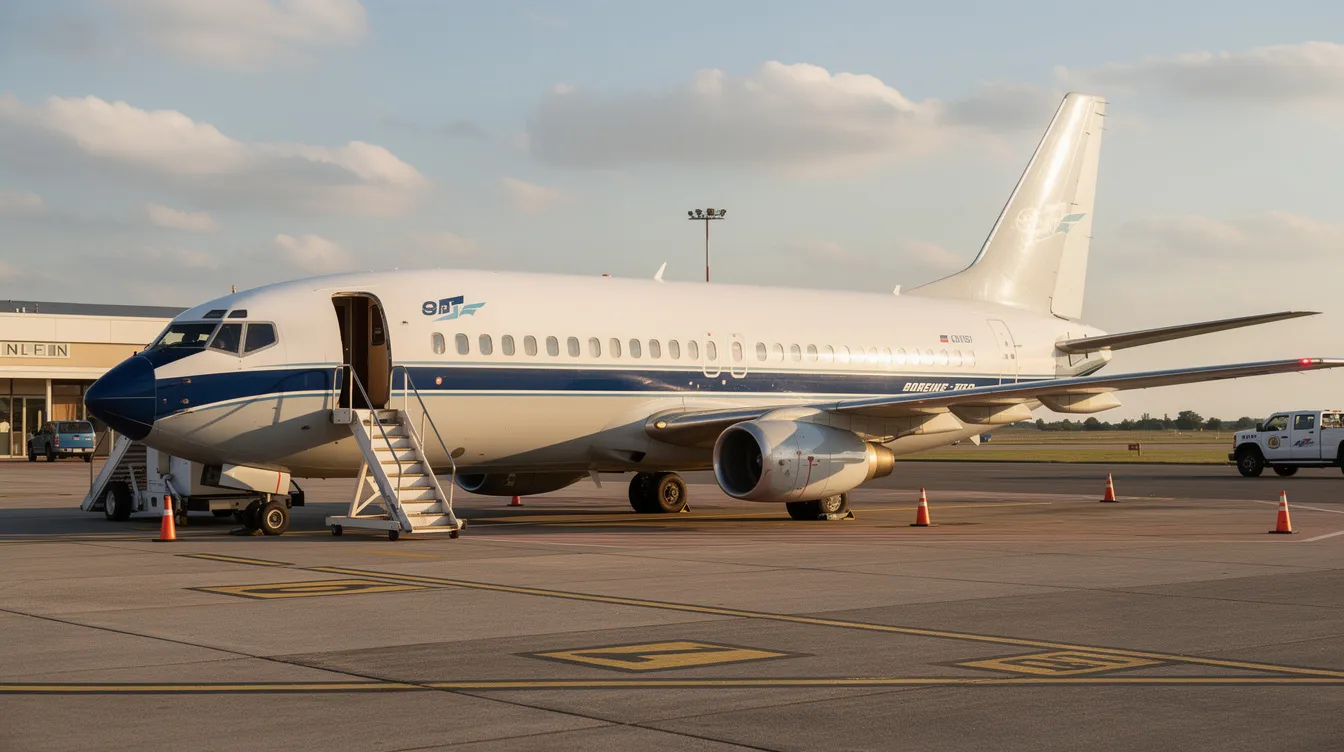
The Boeing 737-200, introduced in 1968, is a rugged twinjet designed for short and medium-haul routes, accommodating 100 to 136 passengers. Despite its high fuel consumption, it remains relevant in niche roles such as cargo and private charters, particularly in remote areas. This guide explores its history, features, and operational capabilities, highlighting its unique advantages in today's aviation landscape.
Jay Franco Serevilla
Aug 9, 2026
|
5
min read
View all
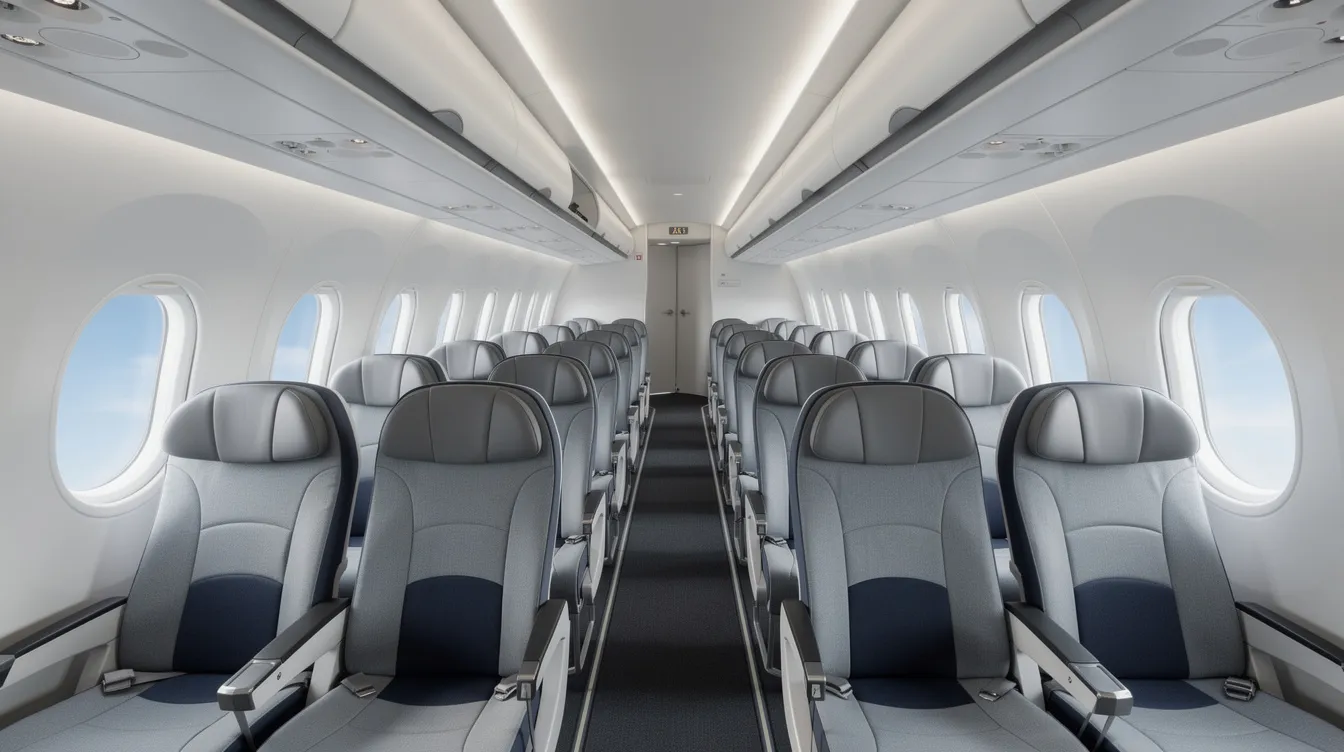
The Boeing 787-8 seat map is essential for travelers seeking comfort on long flights. This guide details cabin layouts, best seat selections, and features like power outlets and Wi-Fi. It also compares commercial flying with private jet charters for those desiring more privacy and flexibility.
Jay Franco Serevilla
Aug 9, 2026
|
5
min read
View all
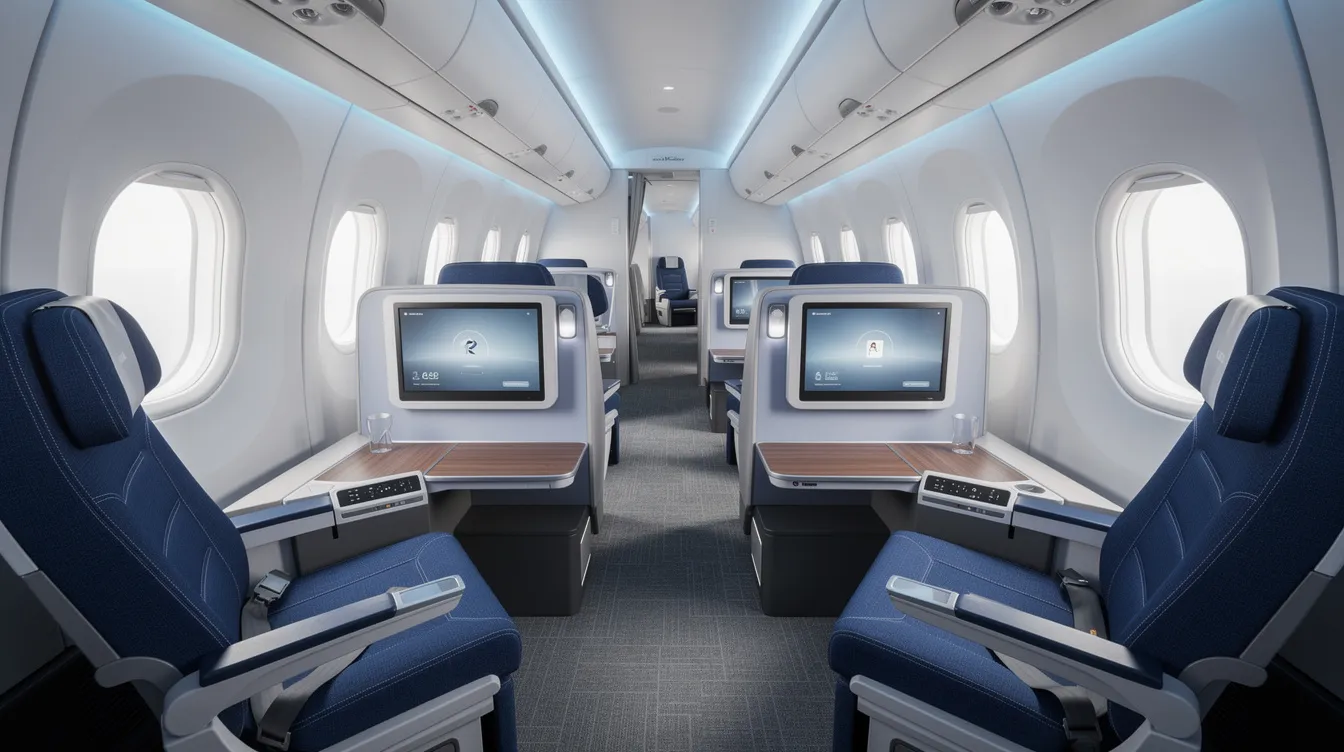
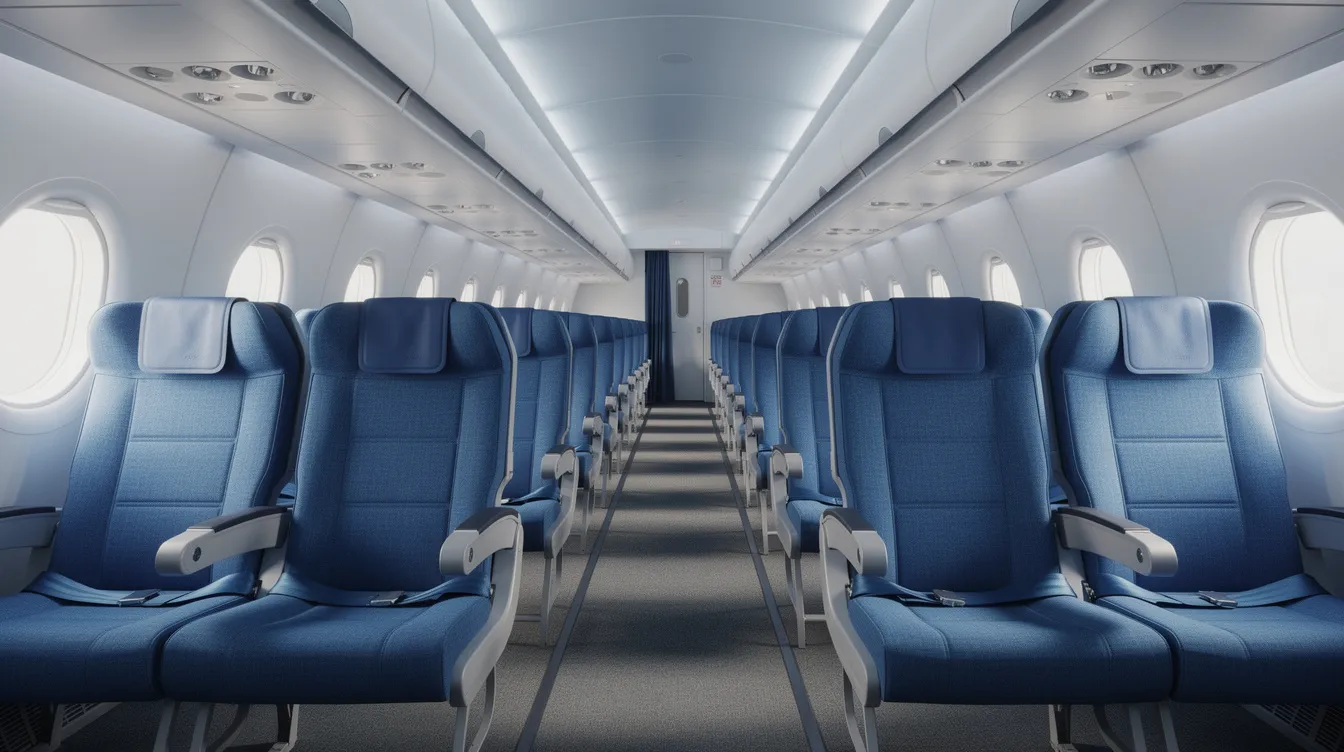
American Airlines Premium Economy on the Boeing 787 offers travelers enhanced comfort with a spacious 2-3-2 layout, upgraded meals, and advanced inflight entertainment. While it provides a significant upgrade over standard economy, it lacks some features of business class, such as lounge access and lie-flat seats. For those seeking privacy and flexibility, private jet charter may be a better option.
Jay Franco Serevilla
Aug 9, 2026
|
5
min read
View all
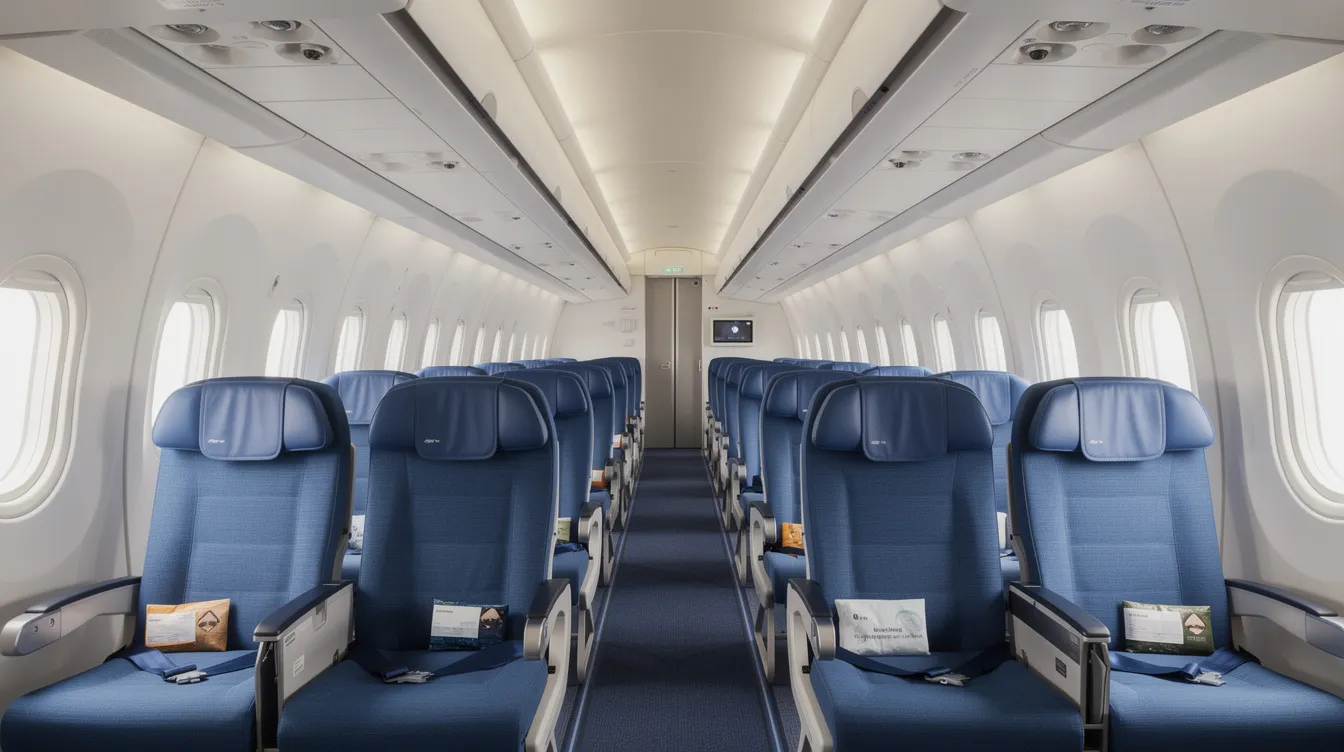
The Delta Boeing 737-800 is a popular aircraft for domestic flights, featuring a three-class cabin layout with modern amenities. This guide covers seat selection strategies, comfort levels, and how the experience compares to private jet charters. For travelers seeking privacy and flexibility, private options through Jettly may offer a compelling alternative.
Jay Franco Serevilla
Aug 9, 2026
|
5
min read
View all
The Southwest Boeing 737-700 is a popular narrowbody aircraft used for domestic flights, featuring a single-cabin layout with 143 economy seats. This guide covers seat types, layout, comfort, and how it compares to private jet charters, helping travelers make informed choices for their next flight. Understanding the nuances of the 737-700 can enhance your travel experience, whether you opt for economy seating or consider private travel alternatives.
Jay Franco Serevilla
Aug 9, 2026
|
5
min read
Explore our latest articles and updates.
5
min read
Salary of a Co-Pilot in 2026: What First Officers Really Earn
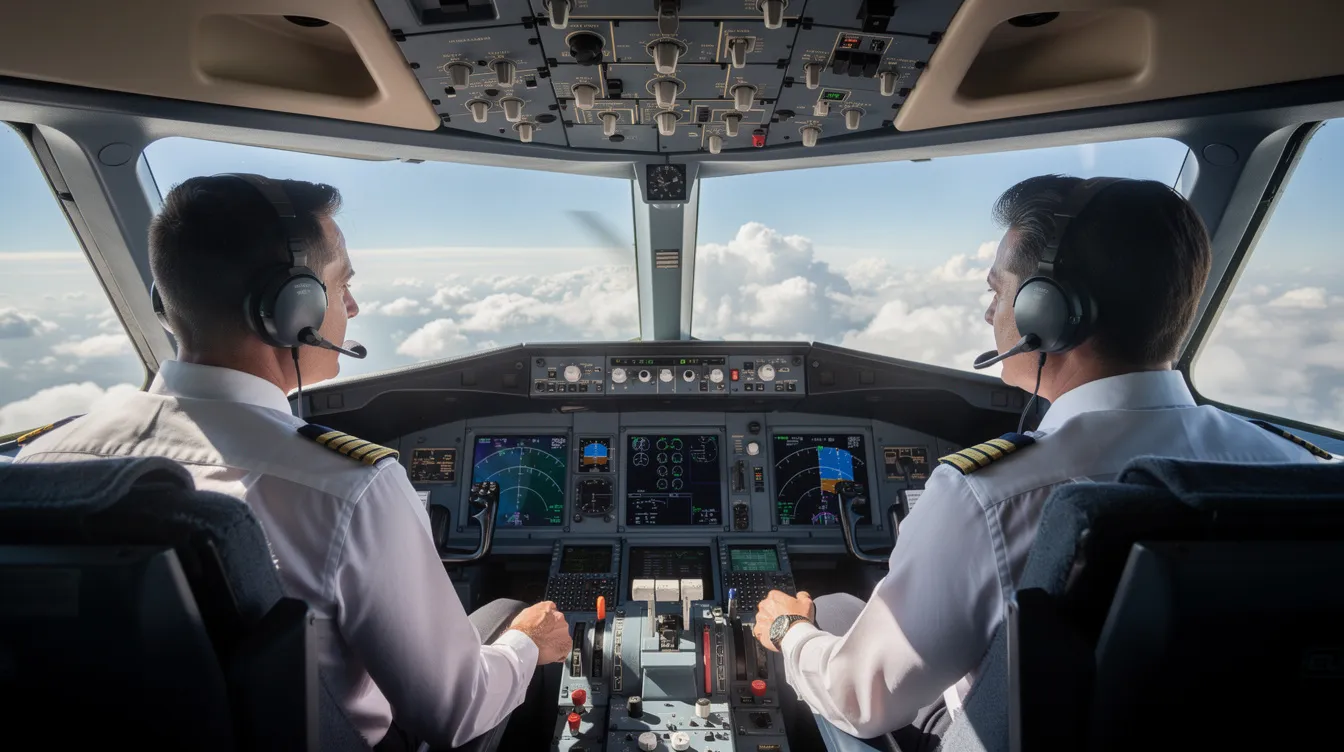
In 2026, co-pilot salaries vary significantly based on airline type, experience, and aircraft, with first-year regional co-pilots earning between $70,000 and $90,000, while those at major airlines can make $100,000 to $155,000, and experienced pilots on widebody aircraft can exceed $200,000. The average salary for co-pilots in the U.S. is approximately $130,916, with potential total compensation reaching up to $450,000 for senior captains. Factors influencing pay include seniority, aircraft type, and airline contracts, with cargo airlines and private jet charters often offering higher compensation. The demand for pilots is expected to remain strong through the 2030s, making co-pilot careers financially rewarding and stable.
Read More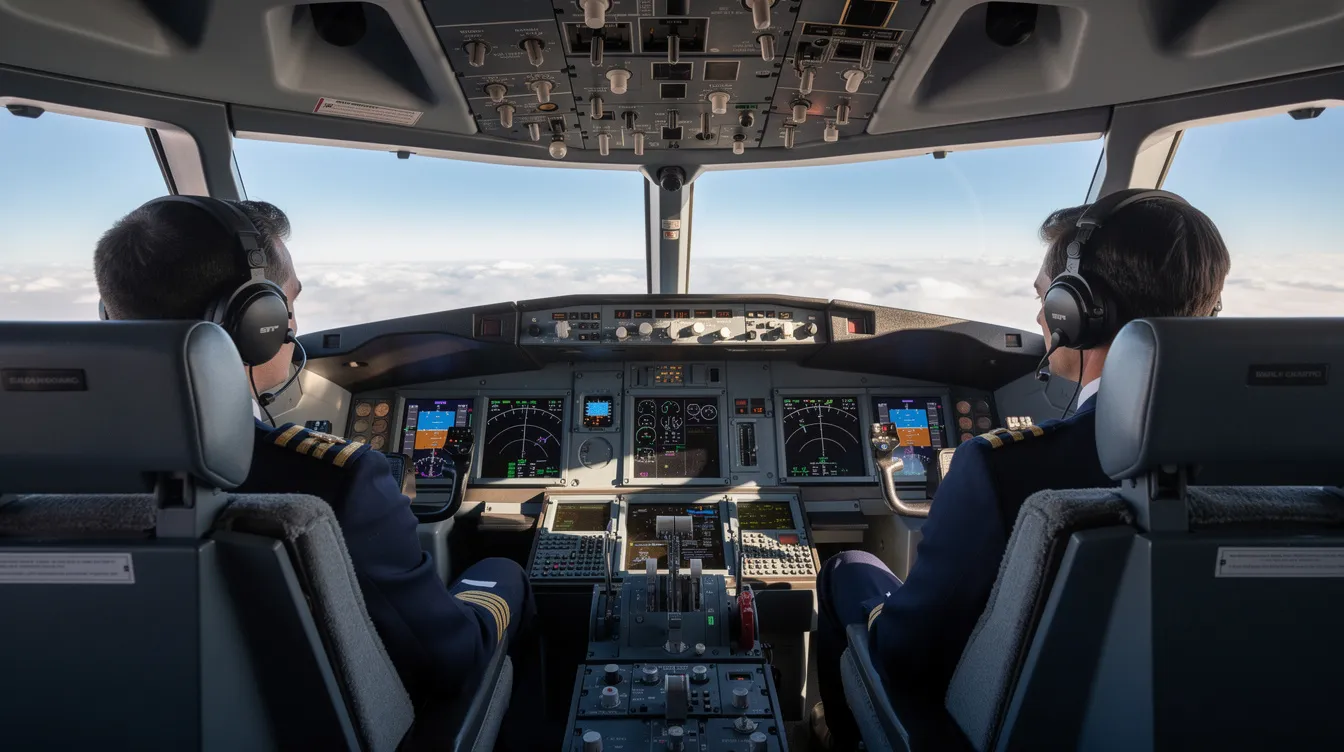
5
min read
How Much Does a Pilot Make in 2026? (Airline & Commercial Pilot Salary Guide)
In 2026, airline and commercial pilots are expected to earn significantly higher salaries, with average earnings for airline pilots exceeding $200,000 and experienced pilots at major carriers potentially earning between $300,000 and $450,000 or more. The median annual wage for airline pilots is projected at approximately $226,600, while commercial pilots earn around $122,670. Factors influencing pilot salaries include employer type, aircraft size, rank, and geographic location, with major airlines offering the best compensation packages. Despite high training costs, the strong demand for pilots and rising salaries make pursuing a career in aviation financially attractive.
Read MoreJoin our community and receive the latest blog updates directly in your inbox.
MEMBERSHIPS AND ASSOCIATIONS



Disclaimer: Jettly operates as a charter broker, offering access to a global digital jet charter marketplace. Jettly is not a direct air carrier and does not own or operate aircraft. All advertised flights are conducted by third-party air carriers that are fully licensed and hold the appropriate Part 135 or Part 121 certifications issued by the Federal Aviation Administration (FAA) or equivalent regulatory authorities under U.S. or foreign law. Jettly complies fully with the U.S. Department of Transportation's Part 295 and Part 298 Charter Broker regulations. Jettly does not carry additional liability insurance. Passengers are covered by aircraft operator insurance. TICO: 50023770


