


Login
Get Instant Pricing On 23,000+ Aircraft


The Douglas DC-9 revolutionized regional air travel with its efficient design and quick turnaround capabilities, serving as a vital link for short-haul routes. Although most DC-9s are retired, their legacy continues in modern private jet charters, which offer enhanced comfort and flexibility for travelers. Jettly connects clients with a diverse fleet of aircraft that embody the DC-9's mission of fast, point-to-point flying.
Jeff Ryan Serevilla
Sep 25, 2026
|
5
min read


View all
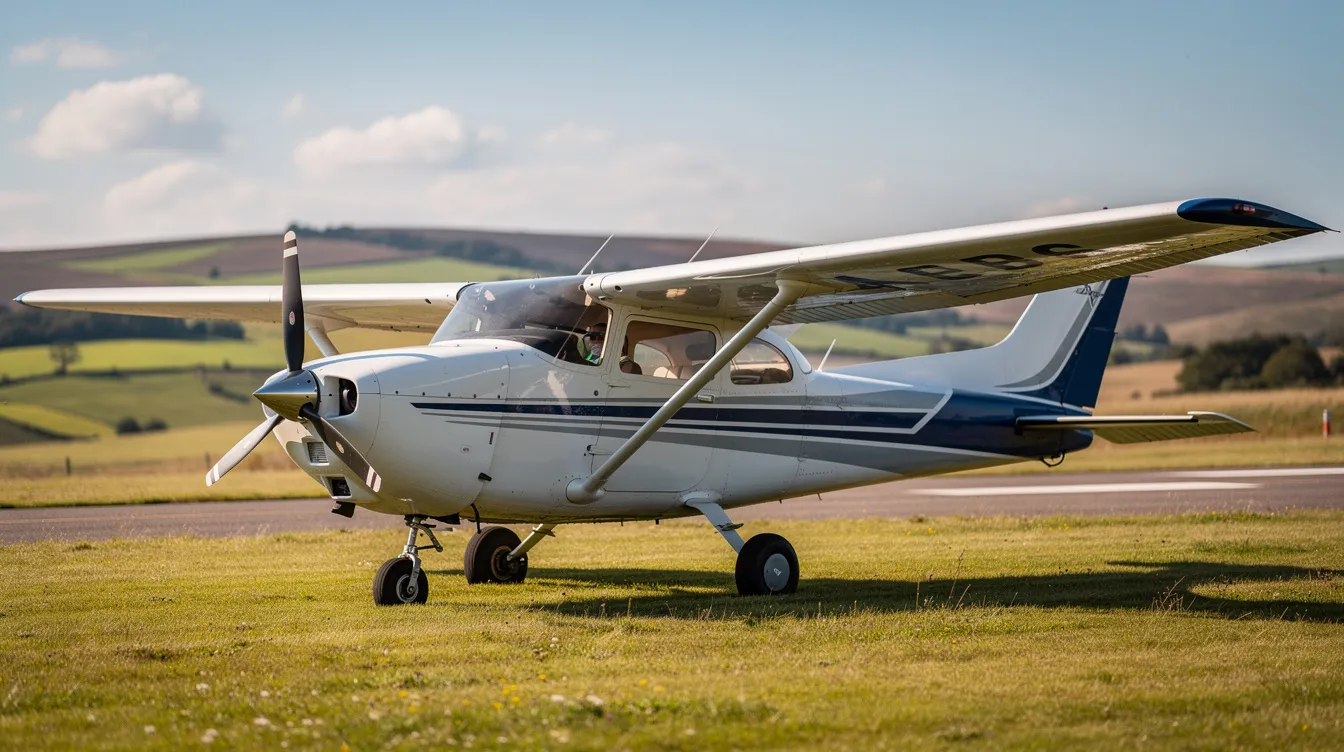
The Cessna 172, powered by reliable Lycoming and Continental engines, has become the most popular training aircraft in history. Its efficient design and manageable performance make it ideal for flight schools and private owners. Understanding its engine variants, fuel systems, and maintenance needs is crucial for pilots and aviation enthusiasts alike.
Jay Franco Serevilla
Aug 13, 2026
|
5
min read
View all
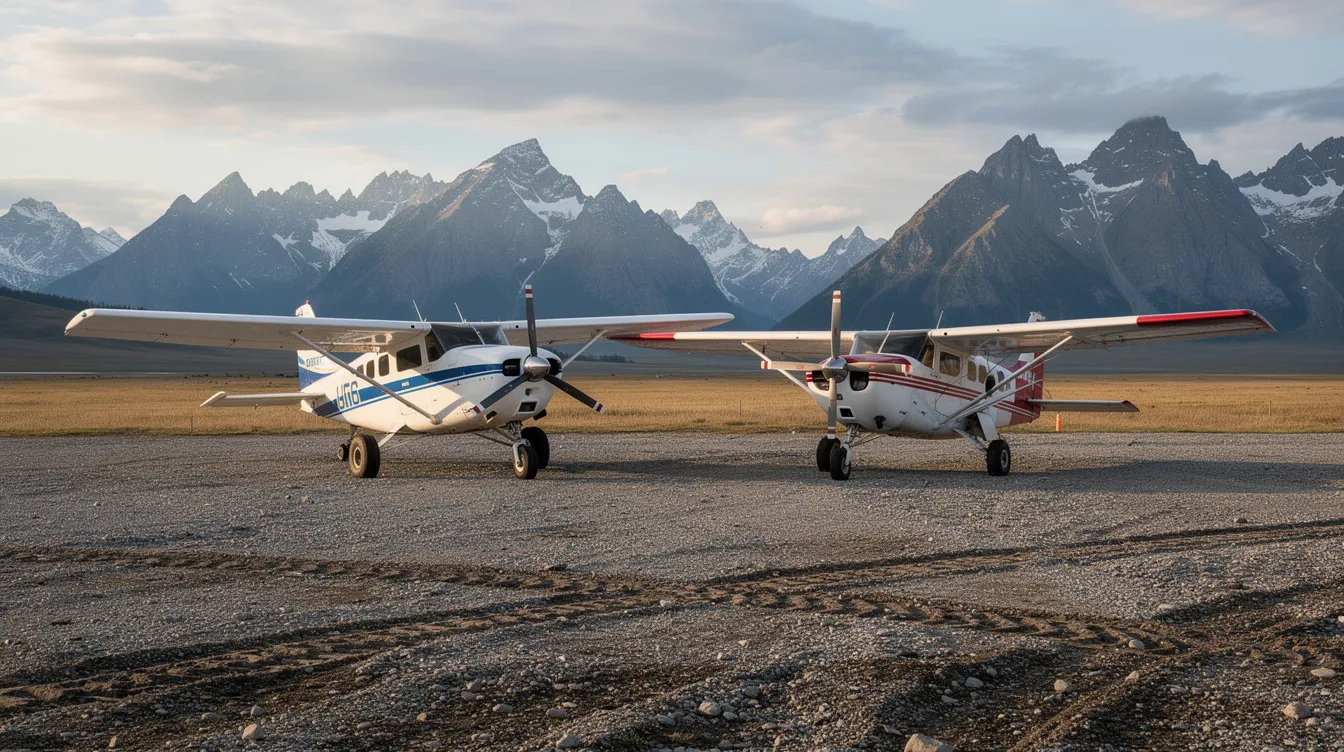
The Cessna 206 and 207 are rugged utility aircraft designed for different missions. The 206 excels in short-field performance and versatility for personal use, while the 207 is optimized for heavier loads and larger groups. Understanding their differences in capacity, performance, and operational costs is crucial for selecting the right aircraft for your needs.
Jay Franco Serevilla
Aug 13, 2026
|
5
min read
View all
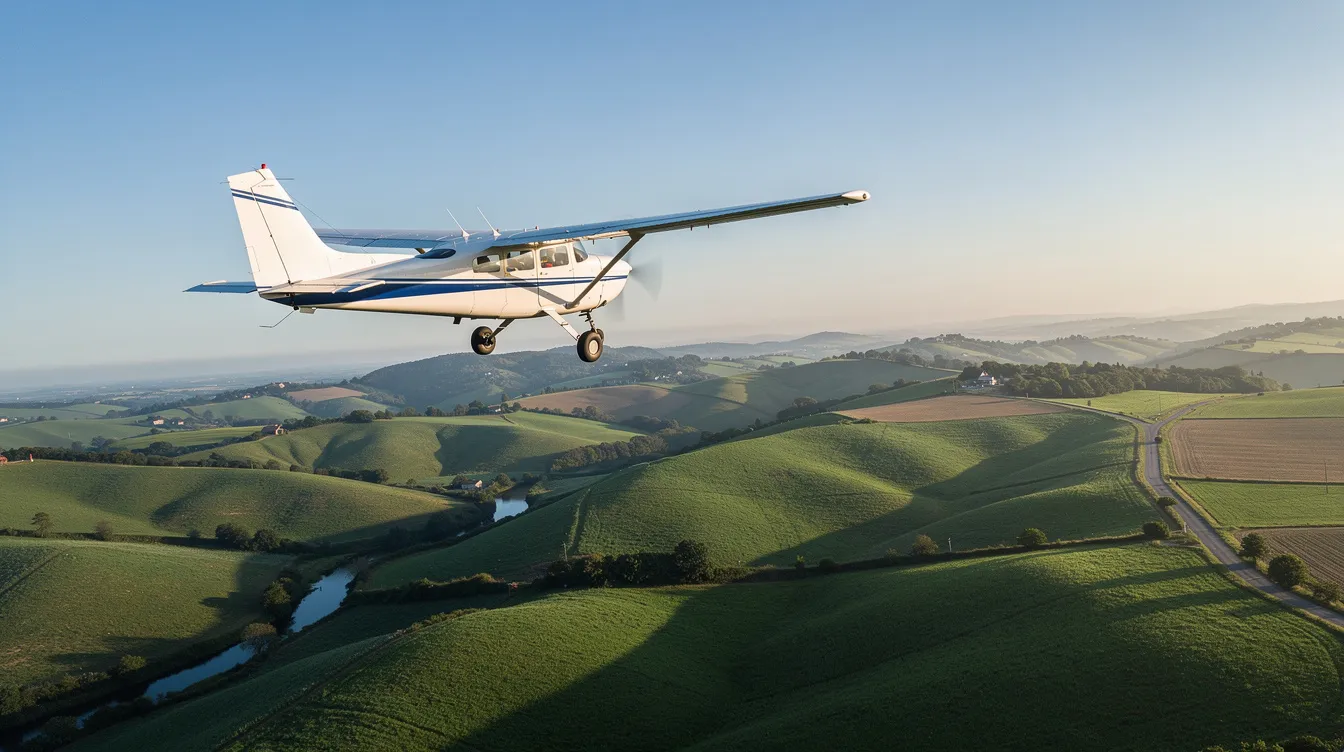
The Cessna 172 Skyhawk, a staple in aviation, has a service ceiling of 13,500 to 14,000 feet, with some variants reaching up to 15,000 feet. While it excels in flight training and short trips, factors like weight and weather can limit its altitude performance. For higher, faster travel, private jets are a more suitable option.
Jay Franco Serevilla
Aug 13, 2026
|
5
min read
View all
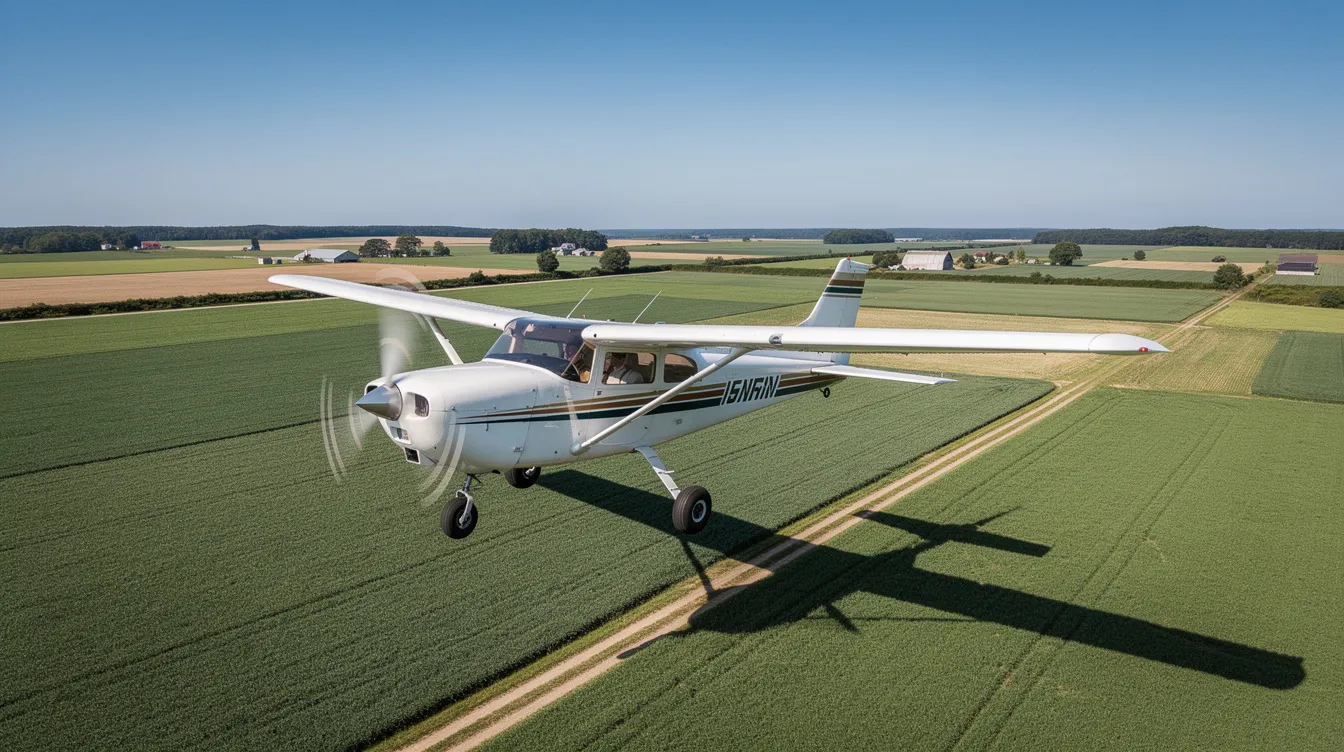
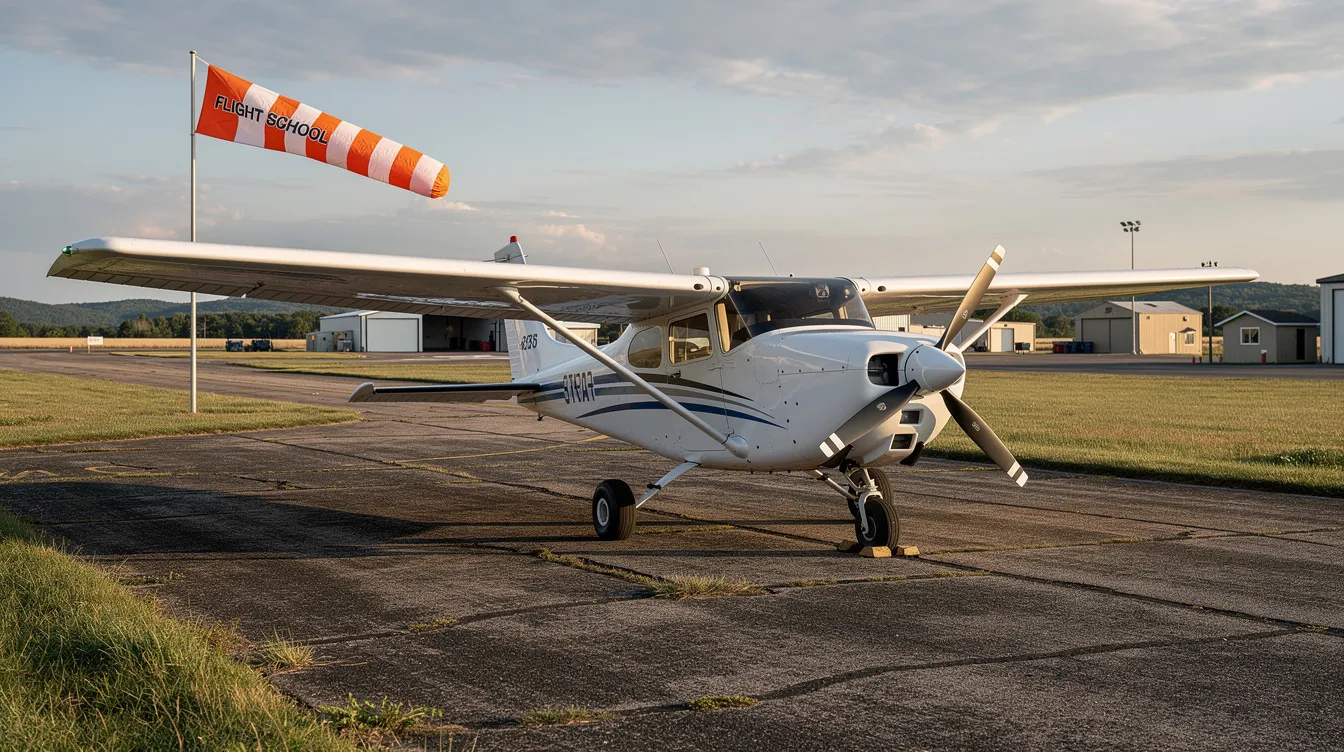
Cessna single-engine aircraft, particularly the Cessna 172 Skyhawk, are essential in pilot training and personal flying due to their affordability and stability. This guide explores their history, key models, ownership costs, and how they integrate with private charter services like Jettly for longer trips. Understanding these aircraft helps pilots and enthusiasts make informed decisions about training and travel.
Jay Franco Serevilla
Aug 13, 2026
|
5
min read
View all
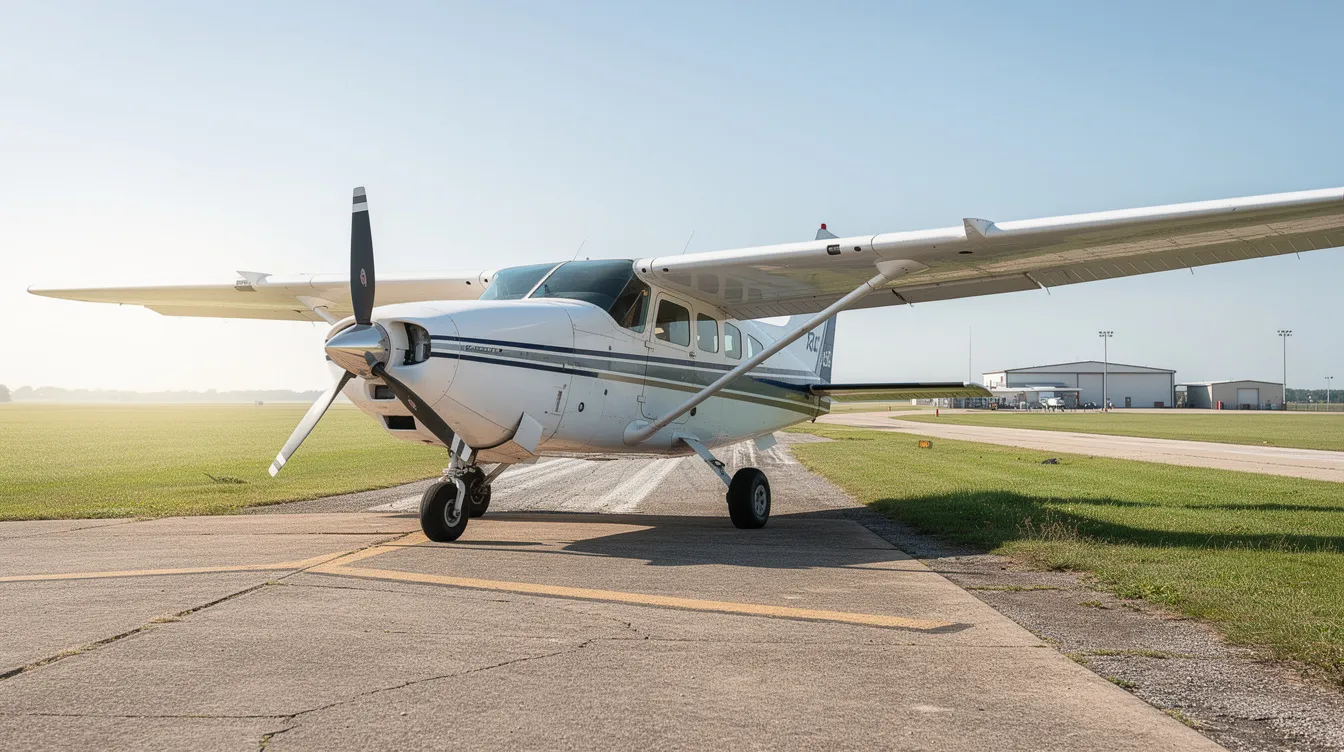
Choosing between the Cessna 152 and Cessna 172 is crucial for student pilots. This guide outlines their key differences, including cost, performance, and comfort, helping you make an informed decision based on your training needs and budget.
Jay Franco Serevilla
Aug 12, 2026
|
5
min read
View all
Cessna twin-engine aircraft have significantly influenced private aviation since the 1950s, offering models like the 310, 340A, and 421C that combine performance and safety. These versatile planes are ideal for charter, training, and personal use, providing enhanced operational flexibility and engine redundancy. This guide helps pilots and aviation enthusiasts understand the advantages and operational considerations of Cessna twin-engine aircraft.
Jay Franco Serevilla
Aug 12, 2026
|
5
min read
Explore our latest articles and updates.
5
min read
Salary of a Co-Pilot in 2026: What First Officers Really Earn
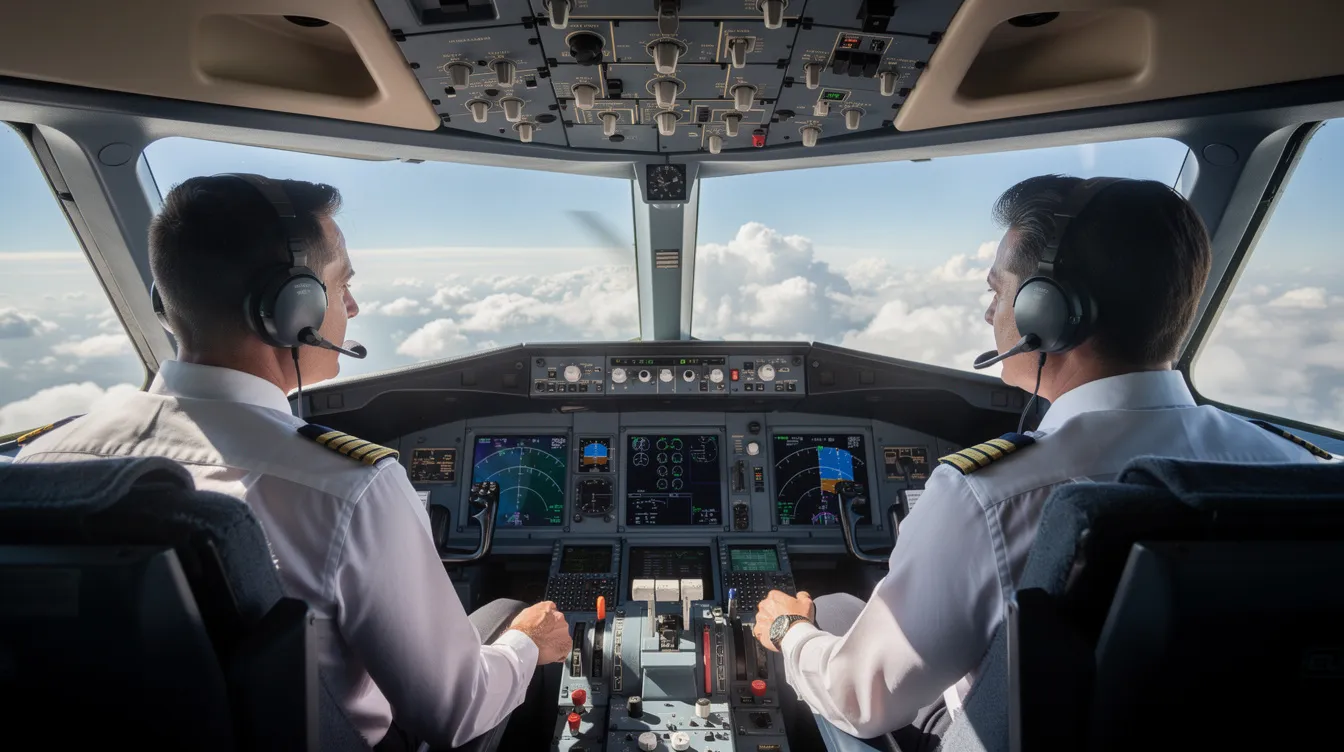
In 2026, co-pilot salaries vary significantly based on airline type, experience, and aircraft, with first-year regional co-pilots earning between $70,000 and $90,000, while those at major airlines can make $100,000 to $155,000, and experienced pilots on widebody aircraft can exceed $200,000. The average salary for co-pilots in the U.S. is approximately $130,916, with potential total compensation reaching up to $450,000 for senior captains. Factors influencing pay include seniority, aircraft type, and airline contracts, with cargo airlines and private jet charters often offering higher compensation. The demand for pilots is expected to remain strong through the 2030s, making co-pilot careers financially rewarding and stable.
Read More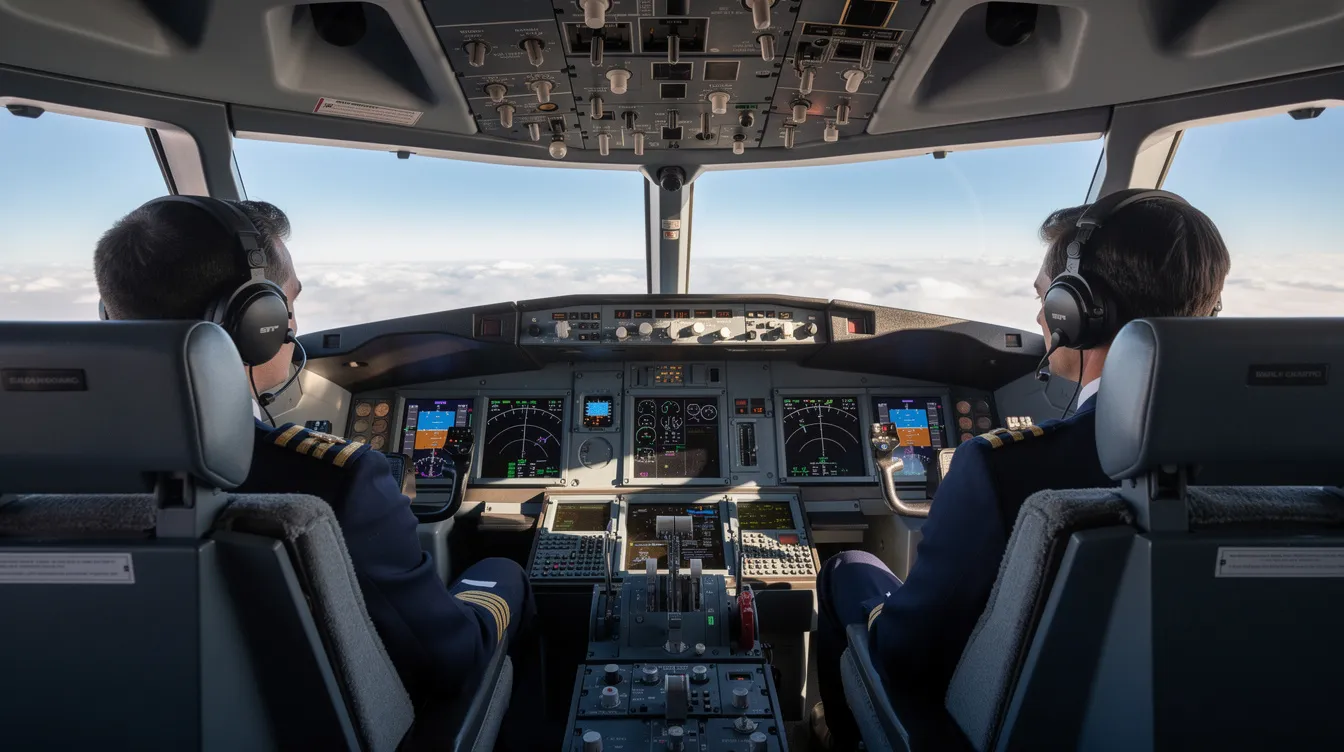
5
min read
How Much Does a Pilot Make in 2026? (Airline & Commercial Pilot Salary Guide)
In 2026, airline and commercial pilots are expected to earn significantly higher salaries, with average earnings for airline pilots exceeding $200,000 and experienced pilots at major carriers potentially earning between $300,000 and $450,000 or more. The median annual wage for airline pilots is projected at approximately $226,600, while commercial pilots earn around $122,670. Factors influencing pilot salaries include employer type, aircraft size, rank, and geographic location, with major airlines offering the best compensation packages. Despite high training costs, the strong demand for pilots and rising salaries make pursuing a career in aviation financially attractive.
Read MoreJoin our community and receive the latest blog updates directly in your inbox.
MEMBERSHIPS AND ASSOCIATIONS



Disclaimer: Jettly operates as a charter broker, offering access to a global digital jet charter marketplace. Jettly is not a direct air carrier and does not own or operate aircraft. All advertised flights are conducted by third-party air carriers that are fully licensed and hold the appropriate Part 135 or Part 121 certifications issued by the Federal Aviation Administration (FAA) or equivalent regulatory authorities under U.S. or foreign law. Jettly complies fully with the U.S. Department of Transportation's Part 295 and Part 298 Charter Broker regulations. Jettly does not carry additional liability insurance. Passengers are covered by aircraft operator insurance. TICO: 50023770


