


Login
Get Instant Pricing On 23,000+ Aircraft


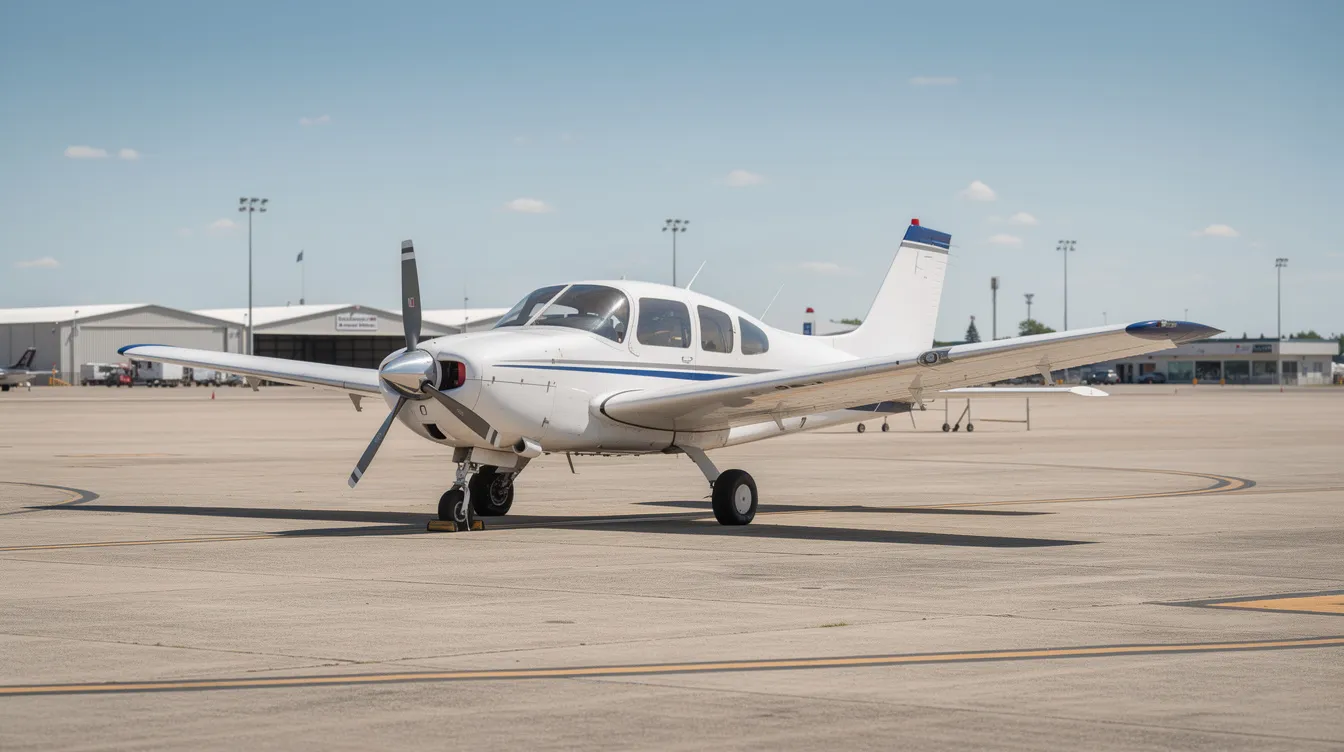
Single-engine planes typically cruise between 110 and 180 knots, with high-performance models exceeding 200 knots. Factors like aircraft type, altitude, and weight significantly influence actual speeds. Understanding cruise speed is crucial for effective trip planning and can often rival commercial airliners in total travel time.
Jay Franco Serevilla
Sep 7, 2026
|
5
min read


View all
The Small Personal Plane Guide 2026 provides insights into the diverse options available for personal aviation, from affordable trainers to high-end turboprops. It explores ownership costs, pilot training, and the benefits of chartering through platforms like Jettly, making private flight accessible without the burdens of ownership. Whether you're a seasoned pilot or a first-time flyer, this guide helps you navigate the evolving landscape of small aircraft.
Jay Franco Serevilla
Jul 29, 2026
|
5
min read

View all
Metropolis Municipal Airport (M30) in southern Illinois offers a convenient and efficient alternative for private jet travelers. With a 4,002-foot runway accommodating various aircraft types, it ensures hassle-free access to regional and national destinations. Jettly enhances the experience with instant pricing and seamless booking options, making private aviation accessible and flexible.
Jay Franco Serevilla
Jul 29, 2026
|
5
min read

View all
Jamaica has three international airports, each with unique IATA codes: MBJ for Montego Bay, KIN for Kingston, and OCJ for Ocho Rios. Choosing the right airport can significantly reduce travel time to your destination, whether for leisure or business. This guide provides essential information on each airport, including their locations, best uses, and private charter options.
Jay Franco Serevilla
Jul 29, 2026
|
5
min read

View all
St James Municipal Airport (KJYG) is a key gateway for private flyers into southern Minnesota, featuring a 4,000-foot paved runway and essential facilities. This guide provides insights into airport operations, charter options through Jettly, and the airport's role in supporting local business and recreational travel.
Jay Franco Serevilla
Jul 29, 2026
|
5
min read

View all
Billy Mitchell Airport (HSE) is a public-use general aviation airport located on Hatteras Island, North Carolina, primarily serving private pilots and charter travelers. This guide provides essential information about the airport's facilities, operations, and nearby alternatives, ensuring a smooth travel experience to the scenic Outer Banks region.
Jay Franco Serevilla
Jul 29, 2026
|
5
min read

View all
Putian currently lacks a commercial airport, requiring travelers to use nearby hubs like Fuzhou Changle International Airport for access. This guide details transfer options, the status of the under-construction Putian Beigao Airport, and how private jet services through Jettly can enhance travel convenience. Whether for business or leisure, understanding these logistics is essential for a smooth trip to Putian.
Jay Franco Serevilla
Jul 29, 2026
|
5
min read
Explore our latest articles and updates.

5
min read
Cessna P210N Specs, Performance, and Operating Costs
The Cessna P210N is a turbocharged, pressurized single-engine aircraft known for its efficiency and comfort at altitude. With a maximum range of 661 NM and a service ceiling of 23,000 feet, it is ideal for regional travel. However, potential owners should consider significant operating costs and maintenance requirements before purchasing.
Read More
5
min read
Cessna Caravan Cruise Speed: Performance, Variants, and Charter Guide
The Cessna Caravan is a versatile turboprop aircraft known for its cruise speed and operational efficiency. With variants like the Grand Caravan EX achieving speeds of up to 195 knots, it excels in regional charter missions, especially to smaller airports. This guide provides insights into its performance, technical specifications, and practical applications for travelers.
Read MoreJoin our community and receive the latest blog updates directly in your inbox.
MEMBERSHIPS AND ASSOCIATIONS



Disclaimer: Jettly operates as a charter broker, offering access to a global digital jet charter marketplace. Jettly is not a direct air carrier and does not own or operate aircraft. All advertised flights are conducted by third-party air carriers that are fully licensed and hold the appropriate Part 135 or Part 121 certifications issued by the Federal Aviation Administration (FAA) or equivalent regulatory authorities under U.S. or foreign law. Jettly complies fully with the U.S. Department of Transportation's Part 295 and Part 298 Charter Broker regulations. Jettly does not carry additional liability insurance. Passengers are covered by aircraft operator insurance. TICO: 50023770


