


Login
Get Instant Pricing On 23,000+ Aircraft


Private jet travel is extending well beyond the traditional summer peak as high-net-worth travelers increasingly shift trips into September, October, and November. Cooler temperatures, reduced airport congestion, better resort access, and greater scheduling flexibility are driving demand across destinations such as the French Riviera, Greek Islands, Southern Italy, and North American resort markets. For travelers who do not require the commitment of aircraft ownership, on-demand private charter offers a flexible way to capitalize on the growing shoulder-season travel trend.
Jeff Ryan Serevilla
Sep 24, 2026
|
5
min read


View all
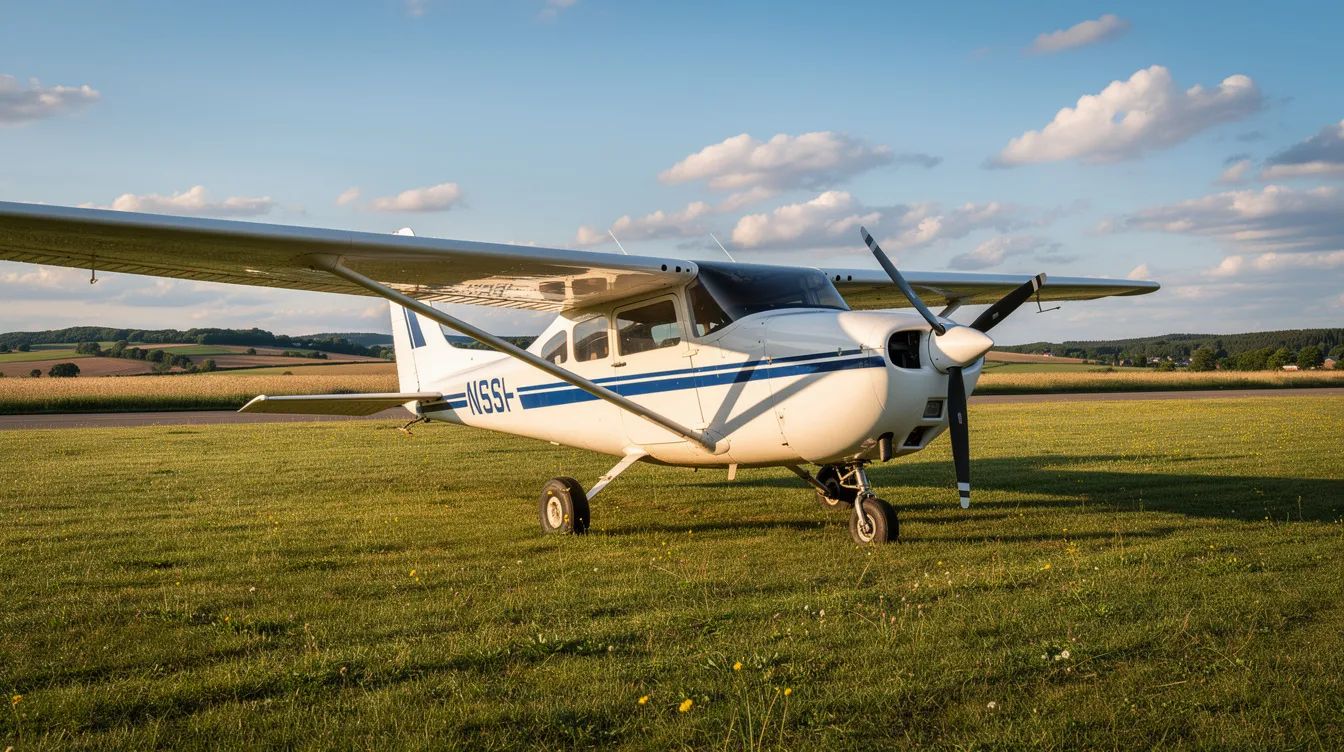
The Cessna 150 and 152 are the smallest widely produced Cessna aircraft, primarily used for flight training and short trips. Known for their simplicity and low operating costs, these two-seat planes have introduced countless pilots to aviation. This guide explores their specifications, history, and practical uses, including insights on renting or chartering through platforms like Jettly.
Jay Franco Serevilla
Aug 15, 2026
|
5
min read
View all
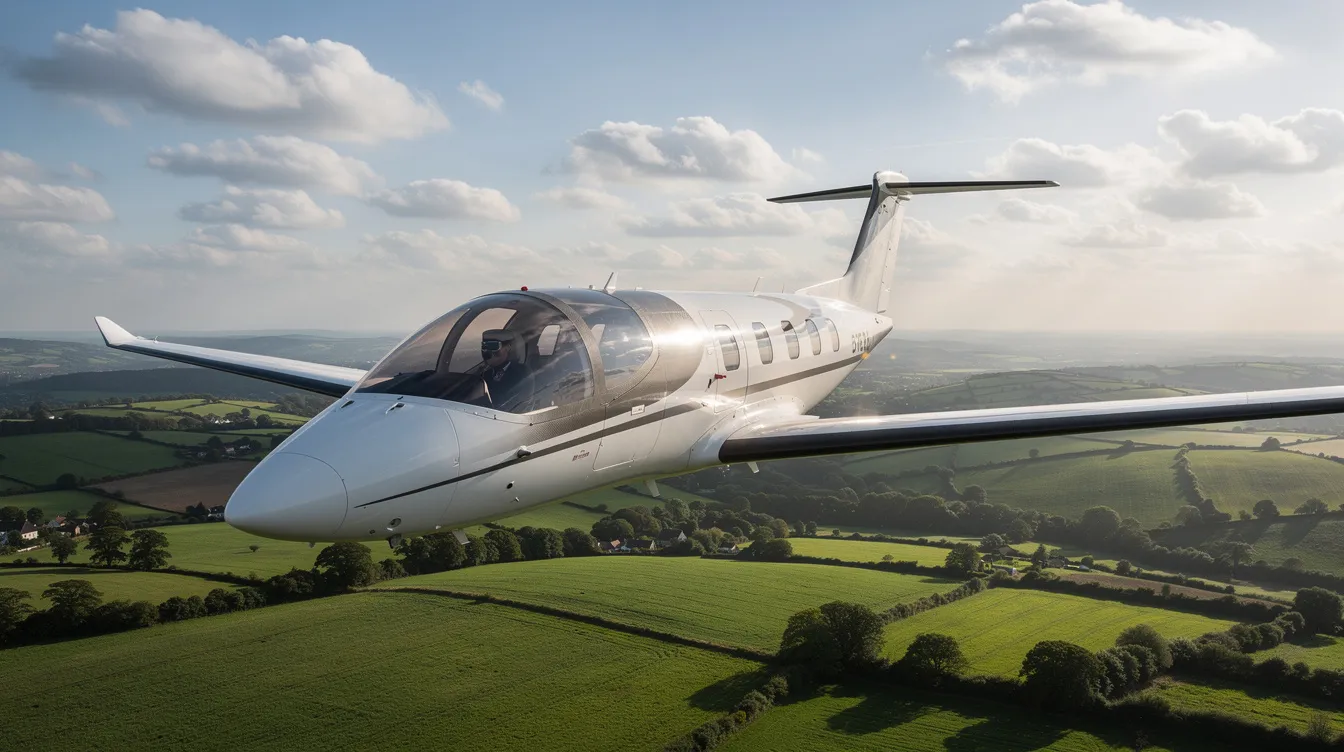
Small plane manufacturers play a crucial role in general aviation, providing aircraft for training, personal travel, and utility missions. Key brands like Cessna, Cirrus, and Piper dominate the market, each offering unique models that cater to various needs. As the aviation industry evolves, advancements in safety and technology are shaping the future of light aircraft.
Jay Franco Serevilla
Aug 15, 2026
|
5
min read
View all
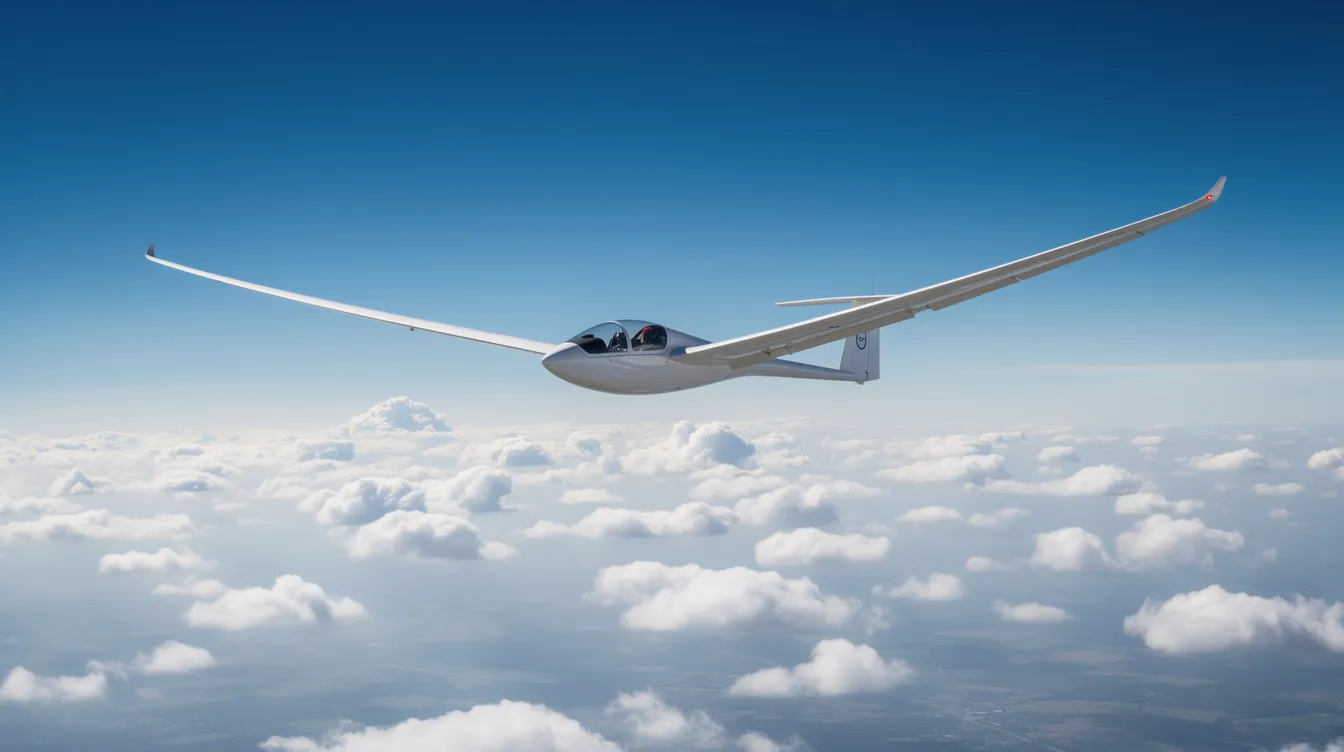
This comprehensive guide explores sailplane gliders, high-performance unpowered aircraft designed for long-distance soaring. It covers aerodynamics, soaring techniques, training, and the differences between sailplanes and other aircraft. Whether you're an aspiring pilot or an aviation enthusiast, this guide provides valuable insights into the world of modern gliding.
Jay Franco Serevilla
Aug 15, 2026
|
5
min read

View all
The AH-64 Apache is a formidable twin-engine attack helicopter with a fuselage length of 58 ft 3 in and a rotor diameter of 48 ft. Its dimensions significantly influence its operational capabilities, including range, payload, and battlefield performance. Understanding these specifications is crucial for military logistics and mission planning.
Jay Franco Serevilla
Aug 15, 2026
|
5
min read

View all
The Ison Airbike ultralight is a minimalist aircraft that offers a unique flying experience, often referred to as the 'motorcycle of the sky.' This guide explores its design, performance, and regulatory context, making it ideal for aviation enthusiasts and prospective builders. With its lightweight structure and open-cockpit design, the Airbike provides an accessible entry point into the world of ultralight flying.
Jay Franco Serevilla
Aug 15, 2026
|
5
min read

View all
Quicksilver ultralight airplanes are lightweight, open-cockpit aircraft known for their accessibility and ease of use, with over 15,000 units produced since the 1970s. They offer a unique flying experience, ideal for recreational pilots, while also complementing private aviation through charter services for longer trips.
Jay Franco Serevilla
Aug 15, 2026
|
5
min read
Explore our latest articles and updates.

5
min read
How to Book a Same-Day Private Jet Charter in 3–6 Hours
Booking a same-day private jet charter is often feasible within 3 to 6 hours if an aircraft and crew are already positioned nearby, but confirmation requires signing a charter agreement and securing payment promptly. Key factors influencing the timeline include aircraft positioning, crew availability, airport operating hours, and the speed of providing passenger details. Jettly recommends having all necessary information ready, such as passenger names, preferred airports, and a payment-ready decision maker, to expedite the process. While last-minute pricing can vary based on availability and positioning, travelers can often find significant savings through empty leg flights or flexible departure windows.
Read More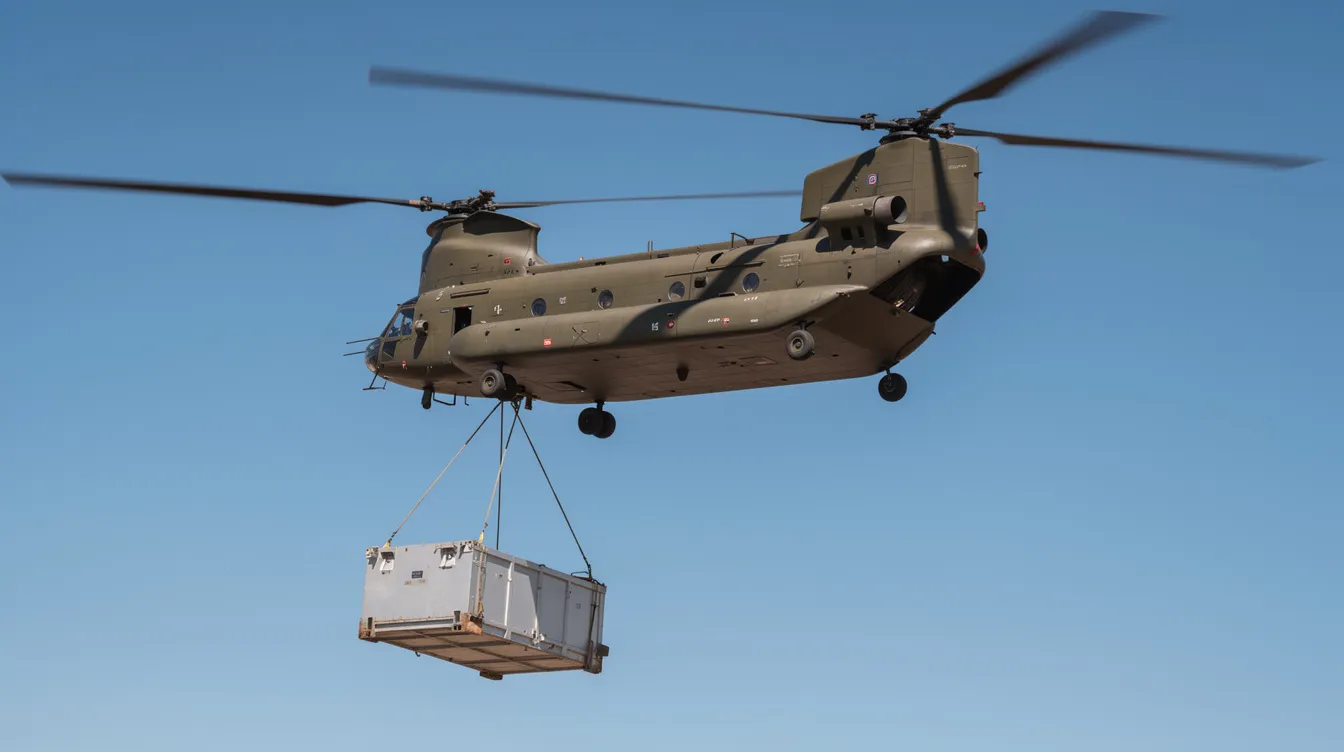
5
min read
Lift Capacity of a Chinook Helicopter: How Much a CH-47 Can Really Carry
The CH-47 Chinook is a highly capable heavy-lift helicopter, with a maximum external lift capacity of approximately 26,000 pounds at sea level, which decreases in higher altitudes and temperatures. Its tandem rotor design enhances stability and efficiency, making it suitable for various missions, including military operations, disaster relief, and construction. The Chinook's versatility is further supported by its spacious cabin, triple-hook cargo system, and advanced safety features, ensuring reliable performance even in challenging conditions. While primarily used in specialized operations, understanding its capabilities helps clients assess their needs against available civilian charter options.
Read MoreJoin our community and receive the latest blog updates directly in your inbox.
MEMBERSHIPS AND ASSOCIATIONS



Disclaimer: Jettly operates as a charter broker, offering access to a global digital jet charter marketplace. Jettly is not a direct air carrier and does not own or operate aircraft. All advertised flights are conducted by third-party air carriers that are fully licensed and hold the appropriate Part 135 or Part 121 certifications issued by the Federal Aviation Administration (FAA) or equivalent regulatory authorities under U.S. or foreign law. Jettly complies fully with the U.S. Department of Transportation's Part 295 and Part 298 Charter Broker regulations. Jettly does not carry additional liability insurance. Passengers are covered by aircraft operator insurance. TICO: 50023770


