


Login
Get Instant Pricing On 23,000+ Aircraft


Single-engine planes typically cruise between 110 and 180 knots, with high-performance models exceeding 200 knots. Factors like aircraft type, altitude, and weight significantly influence actual speeds. Understanding cruise speed is crucial for effective trip planning and can often rival commercial airliners in total travel time.
Jay Franco Serevilla
Sep 7, 2026
|
5
min read


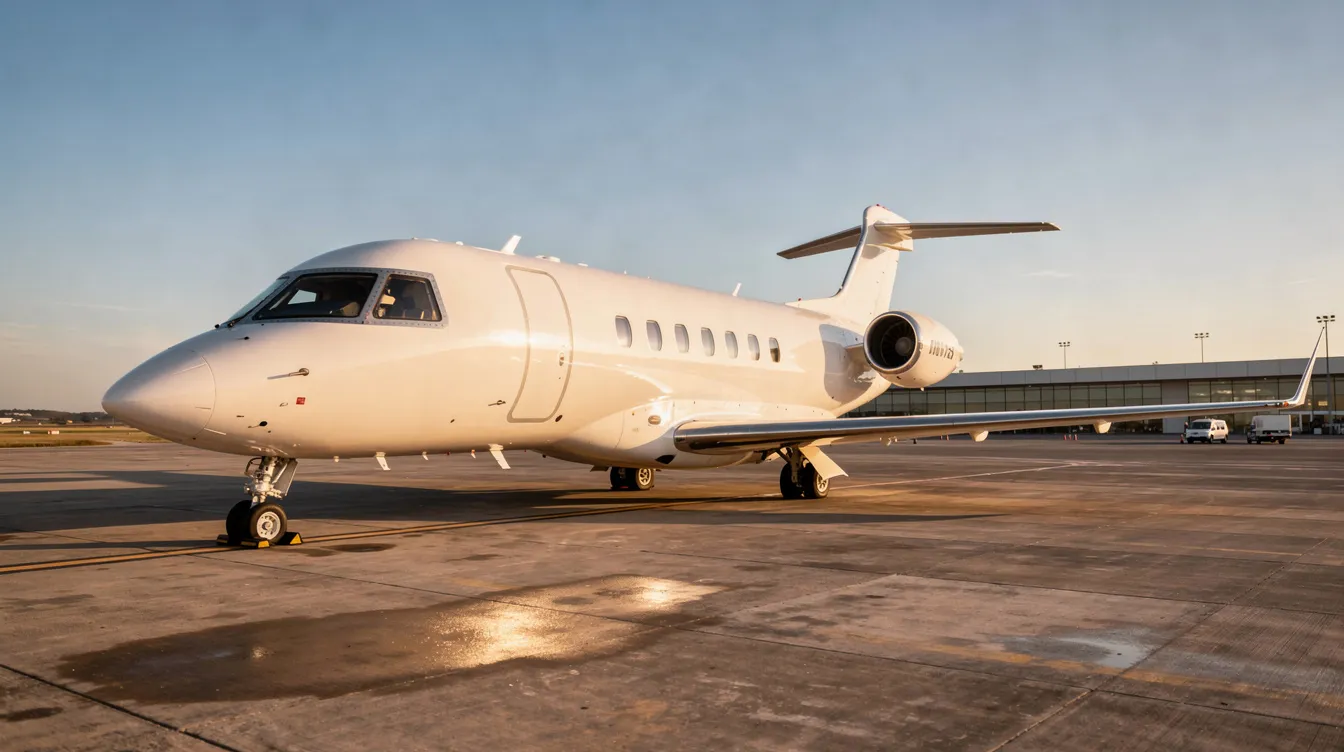
View all
Air Charter Worldwide with Jettly revolutionizes private jet travel by offering instant access to over 20,000 aircraft globally. This digital marketplace allows travelers to book flights effortlessly, ensuring flexibility and comfort without ownership commitments. Experience unparalleled convenience and privacy with tailored travel solutions for business or leisure.
Jay Franco Serevilla
Aug 2, 2026
|
5
min read

View all
Global air charter has evolved into a practical travel solution for executives and families, offering on-demand private flights without ownership. Jettly's platform connects travelers to over 20,000 aircraft, providing transparent pricing and flexible booking options. This guide explains how global air charter works and the benefits of using Jettly for your travel needs.
Jay Franco Serevilla
Aug 2, 2026
|
5
min read

View all
Charter plane travel in Costa Rica offers a fast and flexible alternative to lengthy ground journeys, allowing travelers to reach remote destinations quickly. Jettly connects users to a wide range of aircraft options, making it easy to book private flights tailored to individual needs. With costs ranging from $240 to $3,600, chartering a plane can be surprisingly affordable, especially for groups.
Jay Franco Serevilla
Aug 2, 2026
|
5
min read
View all
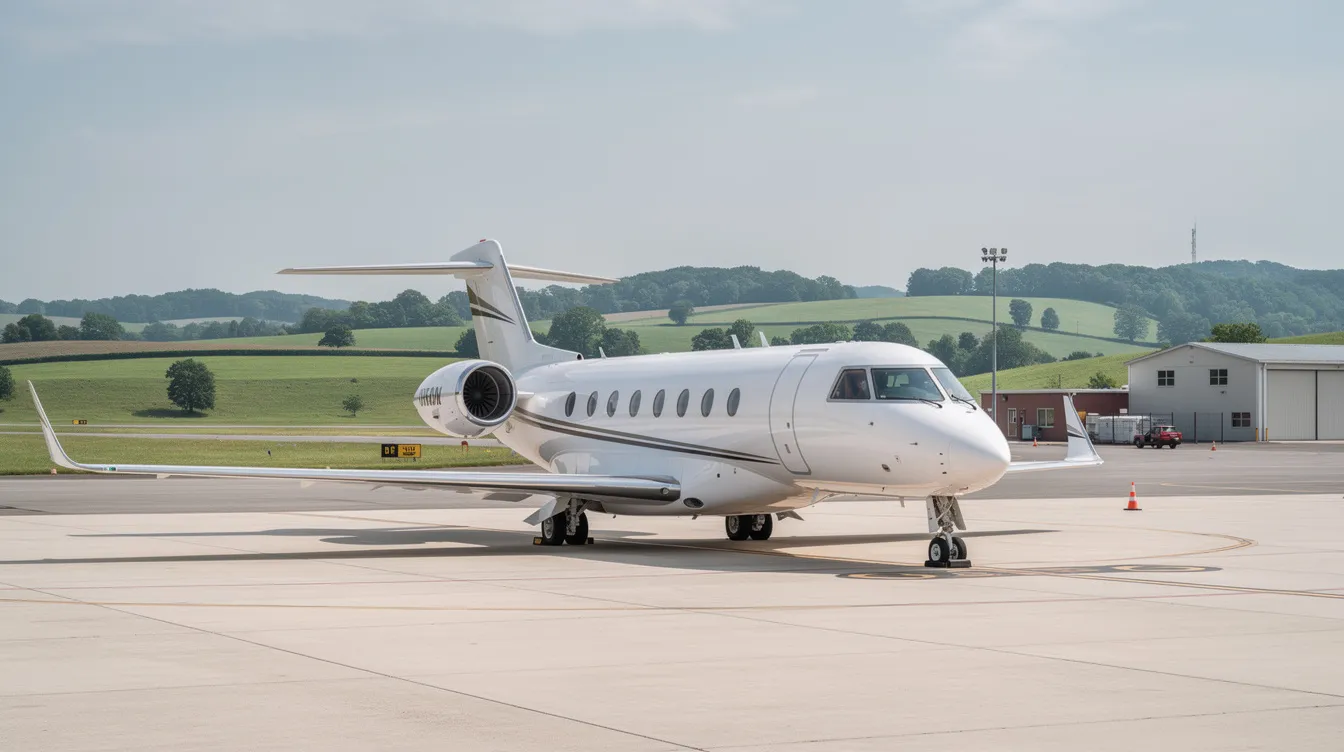
Chartering a flight has never been easier, offering travelers flexibility and privacy. This step-by-step guide covers everything from defining trip needs to booking through platforms like Jettly, ensuring a seamless private aviation experience.
Jay Franco Serevilla
Aug 2, 2026
|
5
min read
View all
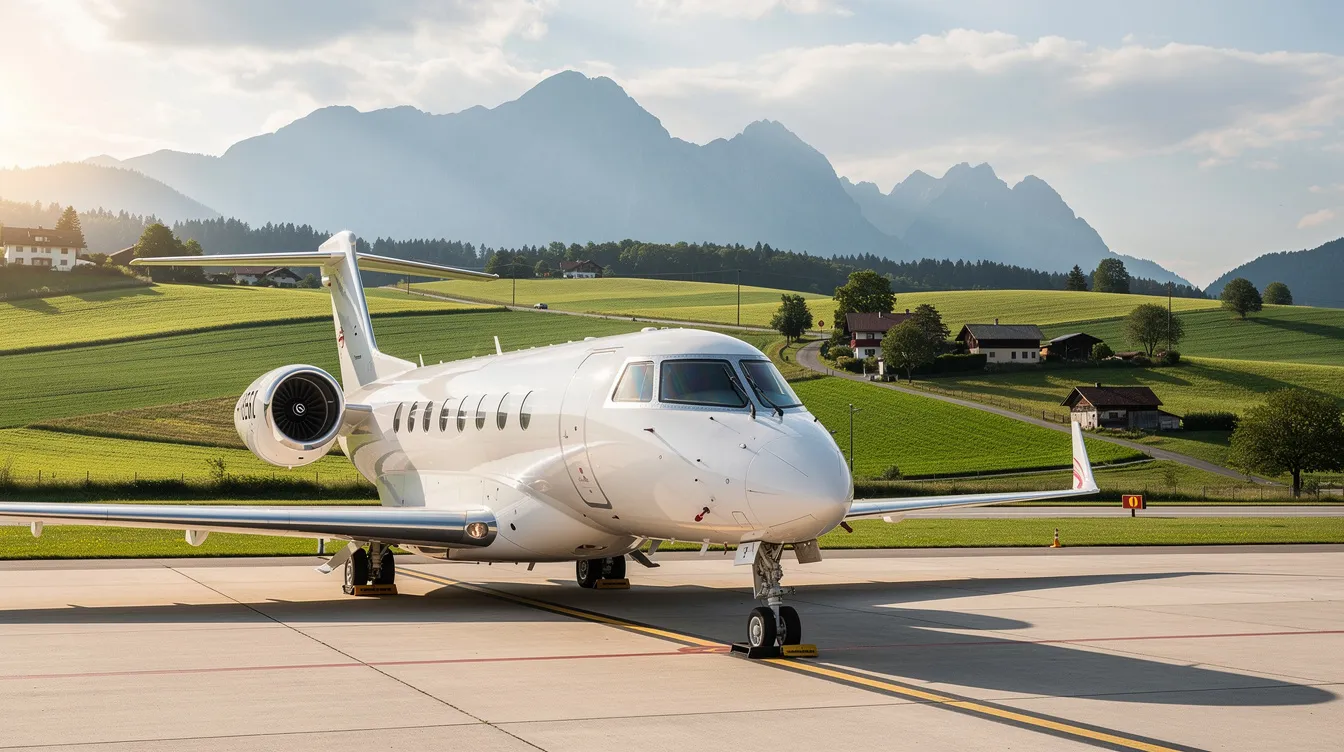
European aviation charters offer flexible, on-demand flights for business and leisure travelers, allowing exclusive use of aircraft and customizable schedules. Jettly connects clients with over 20,000 vetted charter operators across Europe and beyond, simplifying the booking process and enhancing travel convenience.
Jay Franco Serevilla
Aug 2, 2026
|
5
min read

View all
Knowing when to buy cheaper flights can save you money on both commercial and private jet travel. This guide outlines optimal booking windows, price trends, and tips for securing the best deals, ensuring you travel smarter and more affordably. From domestic to international flights, understanding pricing patterns is key to maximizing your travel budget.
Jay Franco Serevilla
Aug 2, 2026
|
5
min read
Explore our latest articles and updates.

5
min read
Charter Flights from Centennial Airport (APA): Private Jet Travel Near Downtown Denver
Charter flights from Centennial Airport (APA) provide Denver-area travelers with fast and flexible private jet access, eliminating TSA lines and long waits. With a variety of aircraft options and convenient proximity to downtown Denver, APA is ideal for both business and leisure travelers seeking personalized service and efficiency. Jettly simplifies the booking process, connecting users with on-demand charter flights to popular destinations.
Read More
5
min read
Helicopter Rides in NYC for Cheap: How to See New York from the Sky on a Budget
Discover how to enjoy affordable helicopter rides in NYC with this comprehensive guide. Learn about shared-seat options, departure points, and tips to secure the best prices while experiencing iconic landmarks from above. Perfect for travelers, families, and photographers on a budget.
Read MoreJoin our community and receive the latest blog updates directly in your inbox.
MEMBERSHIPS AND ASSOCIATIONS



Disclaimer: Jettly operates as a charter broker, offering access to a global digital jet charter marketplace. Jettly is not a direct air carrier and does not own or operate aircraft. All advertised flights are conducted by third-party air carriers that are fully licensed and hold the appropriate Part 135 or Part 121 certifications issued by the Federal Aviation Administration (FAA) or equivalent regulatory authorities under U.S. or foreign law. Jettly complies fully with the U.S. Department of Transportation's Part 295 and Part 298 Charter Broker regulations. Jettly does not carry additional liability insurance. Passengers are covered by aircraft operator insurance. TICO: 50023770


