


Login
Get Instant Pricing On 23,000+ Aircraft

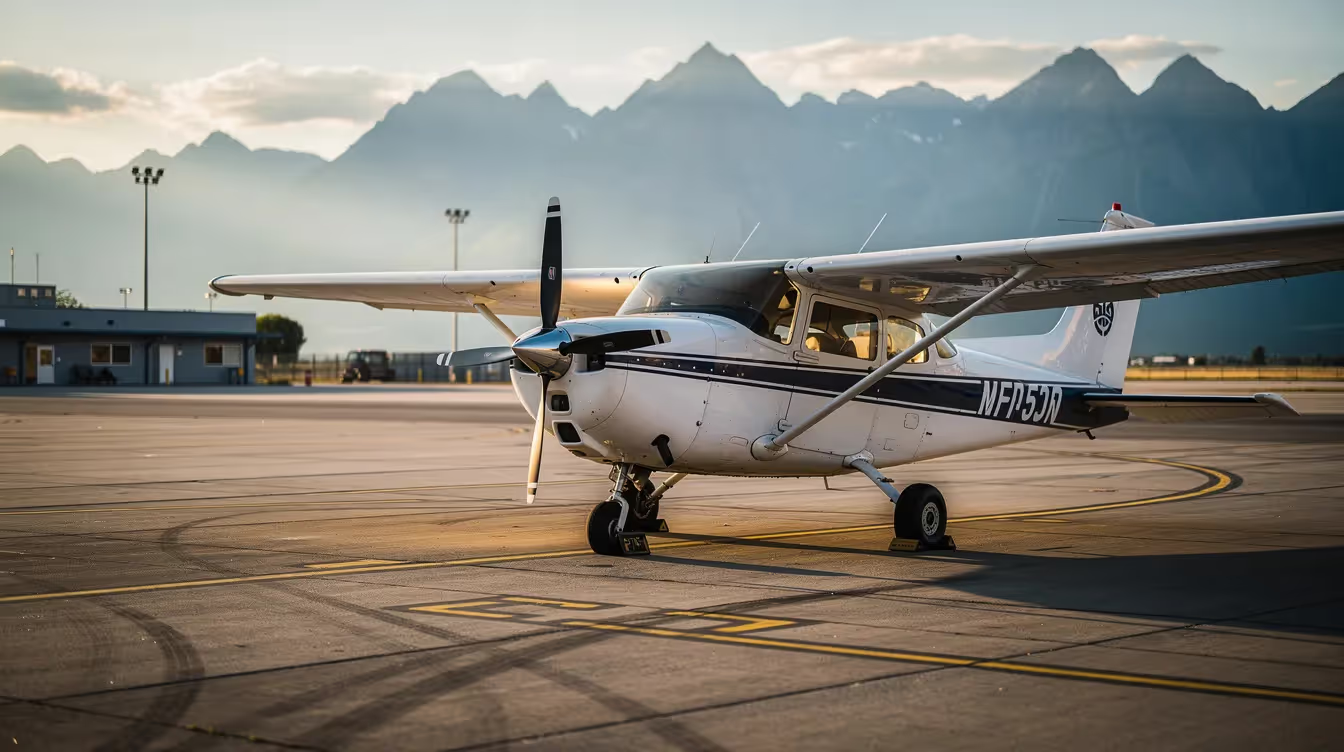
Plane operating costs encompass the ongoing expenses necessary to keep an aircraft operational, distinct from its purchase price. These costs vary significantly by aircraft type, with small pistons costing around $150–$250 per flight hour, while heavy jets can exceed $8,000 per hour. For travelers flying less than 150–200 hours annually, chartering through platforms like Jettly is often more economical than ownership, which involves substantial fixed and variable costs. Jettly provides access to over 20,000 private charter aircraft globally, allowing users to avoid the complexities and financial burdens of aircraft ownership while enjoying the benefits of private aviation.
Jay Franco Serevilla
Apr 18, 2026
|
5
min read


View all
Knowing when to buy cheaper flights can save you money on both commercial and private jet travel. This guide outlines optimal booking windows, price trends, and tips for securing the best deals, ensuring you travel smarter and more affordably. From domestic to international flights, understanding pricing patterns is key to maximizing your travel budget.
Jay Franco Serevilla
Aug 2, 2026
|
5
min read
View all
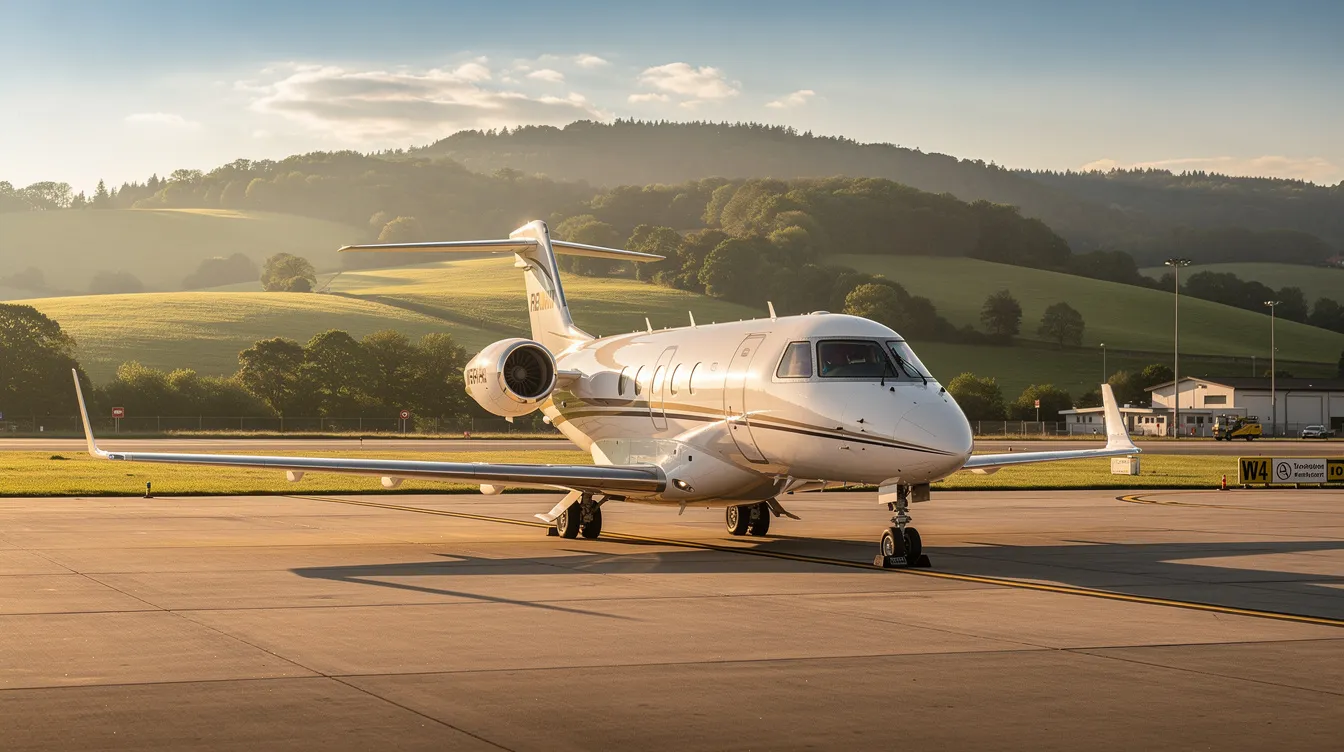
The Cirrus Vision Jet boasts a maximum range of approximately 1,275 nautical miles, but typical charter flights usually operate between 600 to 900 nautical miles. This article explores the Vision Jet's range, performance, safety features, and how it compares to other private jets, helping travelers determine if it meets their charter needs. Jettly's platform utilizes this range data to match travelers with the most suitable aircraft for their missions.
Jay Franco Serevilla
Aug 2, 2026
|
5
min read
View all
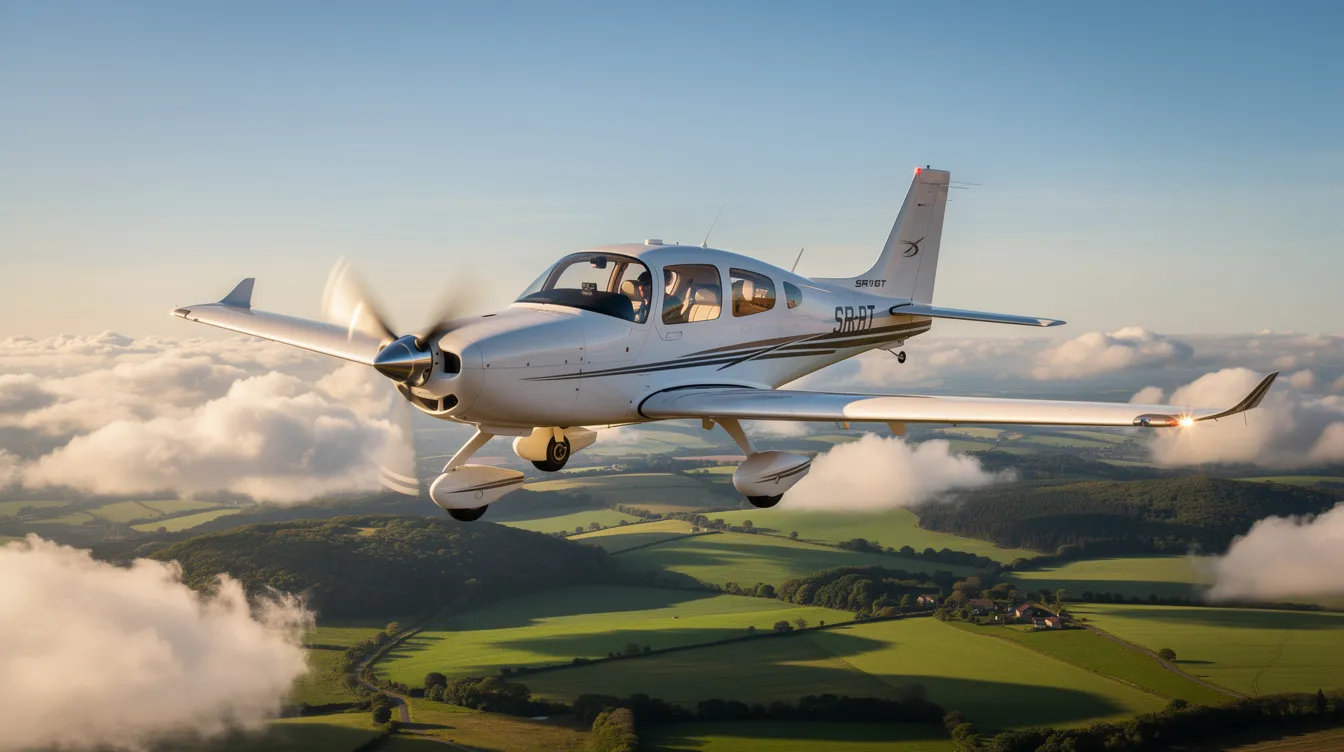
The Cirrus SR22T ownership costs in 2026 range from $1.15 million to $1.4 million for new models, with operating costs between $350 and $550 per flight hour. Buyers should consider fixed costs, financing, and the potential benefits of chartering through platforms like Jettly for those flying less frequently. Understanding these financial aspects is crucial for making informed decisions about aircraft ownership versus chartering.
Jay Franco Serevilla
Aug 2, 2026
|
5
min read

View all
The Cirrus SR20 is a revolutionary single-engine aircraft known for its advanced safety features, including the Cirrus Airframe Parachute System (CAPS) and cutting-edge avionics. Since its debut in 1999, it has become a preferred choice for pilots and flight schools, offering a blend of performance, comfort, and technology. This guide explores its capabilities, market position, and how it compares to chartering larger aircraft.
Jay Franco Serevilla
Aug 2, 2026
|
5
min read
View all
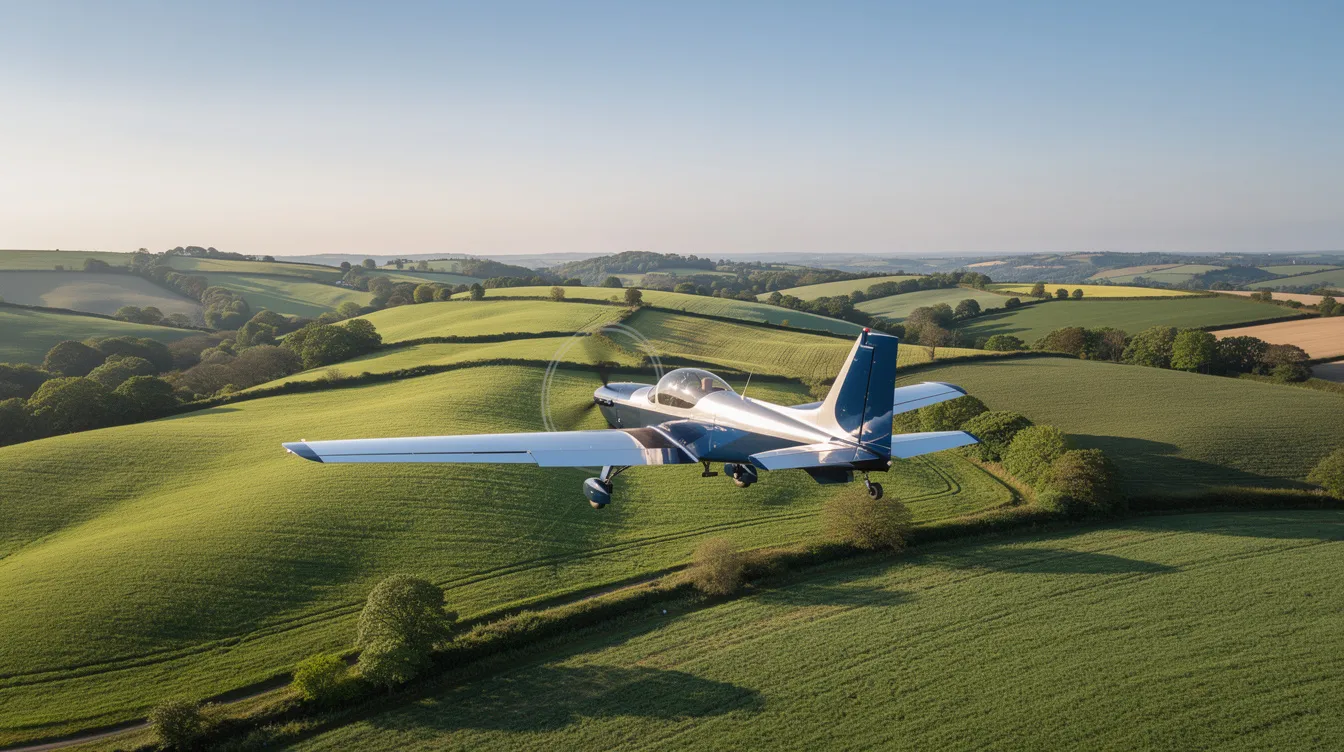
The Cirrus SR22 is a high-performance, single-engine aircraft that has set the standard for safety and comfort in private aviation since its introduction in 2001. With features like the Cirrus Airframe Parachute System (CAPS) and advanced avionics, it offers an efficient and cost-effective option for personal and business travel. Its versatility and modern design make it a popular choice for charter services, especially for regional trips.
Jay Franco Serevilla
Aug 2, 2026
|
5
min read

View all
QAV 1 (IEEE 802.1Qav) is a crucial networking standard that ensures low-latency delivery of audio and video streams in private aviation. It enhances in-flight connectivity for seamless streaming and communication, while robust security measures protect sensitive data. Platforms like Jettly leverage QAV 1 to provide a superior digital charter experience for travelers.
Jay Franco Serevilla
Aug 2, 2026
|
5
min read
Explore our latest articles and updates.
5
min read
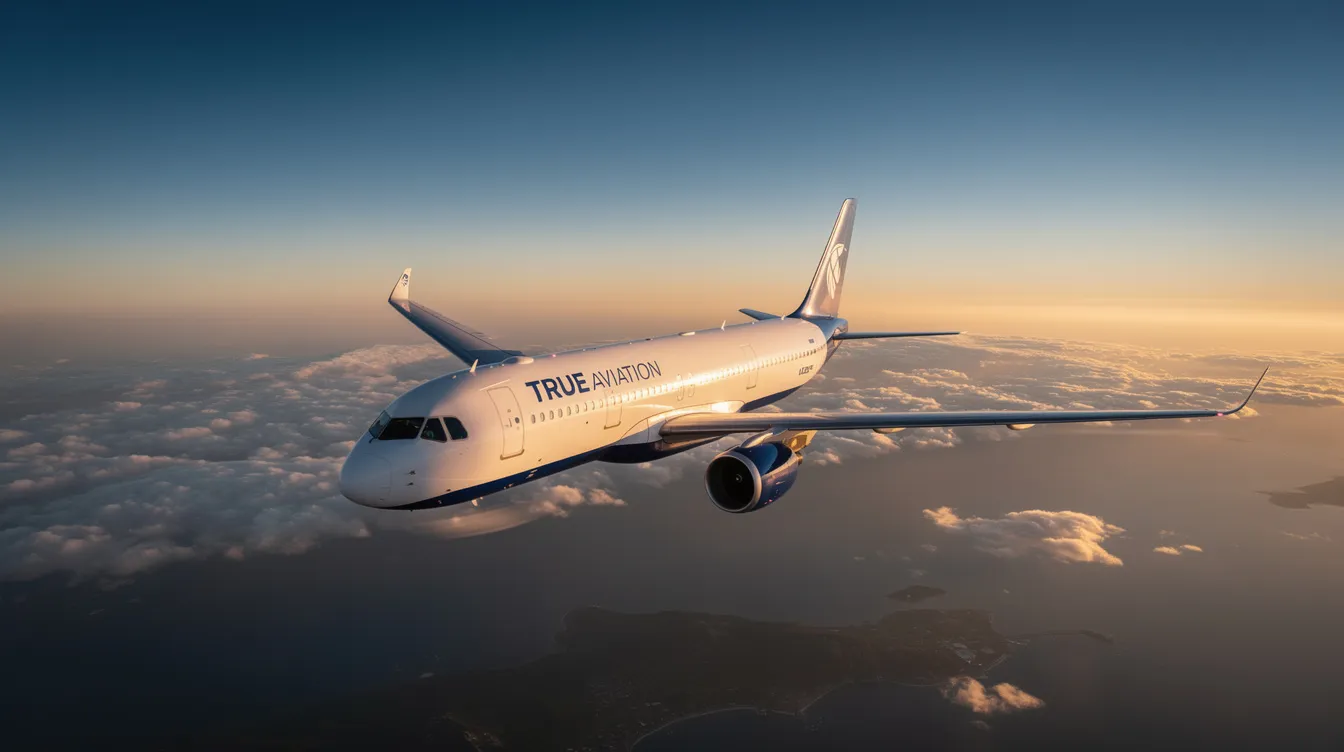
True Aviation in Private Charter: How Jettly Redefines "True" Private Flight
True aviation in private charter emphasizes verified safety, compliance, and transparency standards. Jettly redefines this concept by connecting travelers to over 20,000 certified aircraft, ensuring a reliable and efficient booking experience without hidden costs.
Read More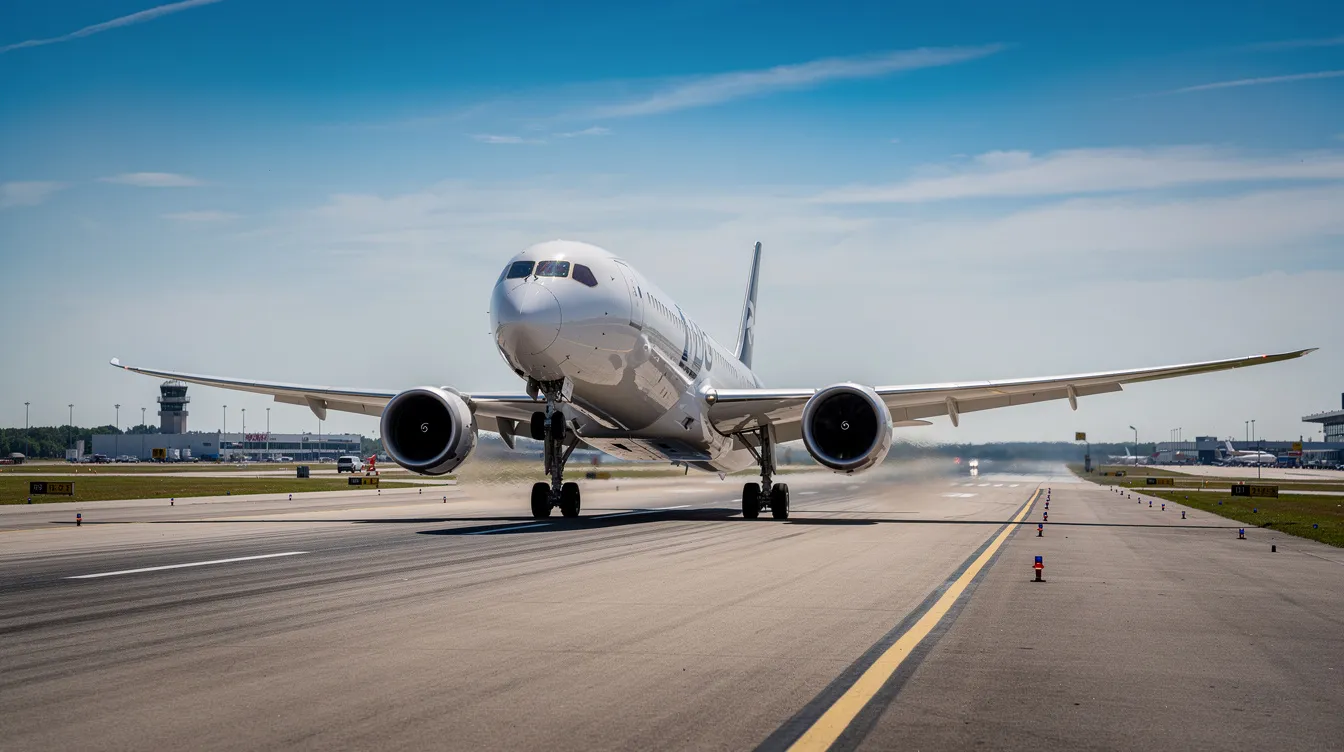
5
min read
Takeoff Speed of 787: Guide to 787 Dreamliner Takeoff and Landing Speeds
The Boeing 787 Dreamliner's takeoff speed typically ranges from 140 to 170 knots, influenced by various factors such as weight and environmental conditions. Understanding the critical V-speeds—V1, VR, and V2—provides insights into the aircraft's performance and safety during takeoff. This knowledge is essential for travelers comparing commercial flights with private jet options, as it highlights differences in runway requirements and airport access.
Read MoreJoin our community and receive the latest blog updates directly in your inbox.
MEMBERSHIPS AND ASSOCIATIONS



Disclaimer: Jettly operates as a charter broker, offering access to a global digital jet charter marketplace. Jettly is not a direct air carrier and does not own or operate aircraft. All advertised flights are conducted by third-party air carriers that are fully licensed and hold the appropriate Part 135 or Part 121 certifications issued by the Federal Aviation Administration (FAA) or equivalent regulatory authorities under U.S. or foreign law. Jettly complies fully with the U.S. Department of Transportation's Part 295 and Part 298 Charter Broker regulations. Jettly does not carry additional liability insurance. Passengers are covered by aircraft operator insurance. TICO: 50023770


