



Login
Get Instant Pricing On 23,000+ Aircraft


The blog delves into various jet fuels utilized in the aviation industry, emphasizing their unique properties and applications. It underscores the importance of selecting the right jet fuel based on aircraft type, engine compatibility, climate, and operational needs. With a focus on reducing environmental impact, the blog highlights ongoing research and development in creating efficient and sustainable fuels. Ultimately, it showcases efforts to ensure a greener future in aviation while maintaining high standards of performance and safety.

Justin Crabbe
May 6, 2025
|
5 minutes
min read



View all
Signature Aviation BWI serves as the primary fixed-base operator for private jets at Baltimore Washington International Airport, offering 24/7 services and extensive amenities. Jettly enhances the private aviation experience by providing seamless access to thousands of aircraft and personalized coordination for travelers. Whether for business or leisure, this partnership ensures efficient and comfortable private jet travel.
Jay Franco Serevilla
Oct 29, 2026
|
5
min read
View all
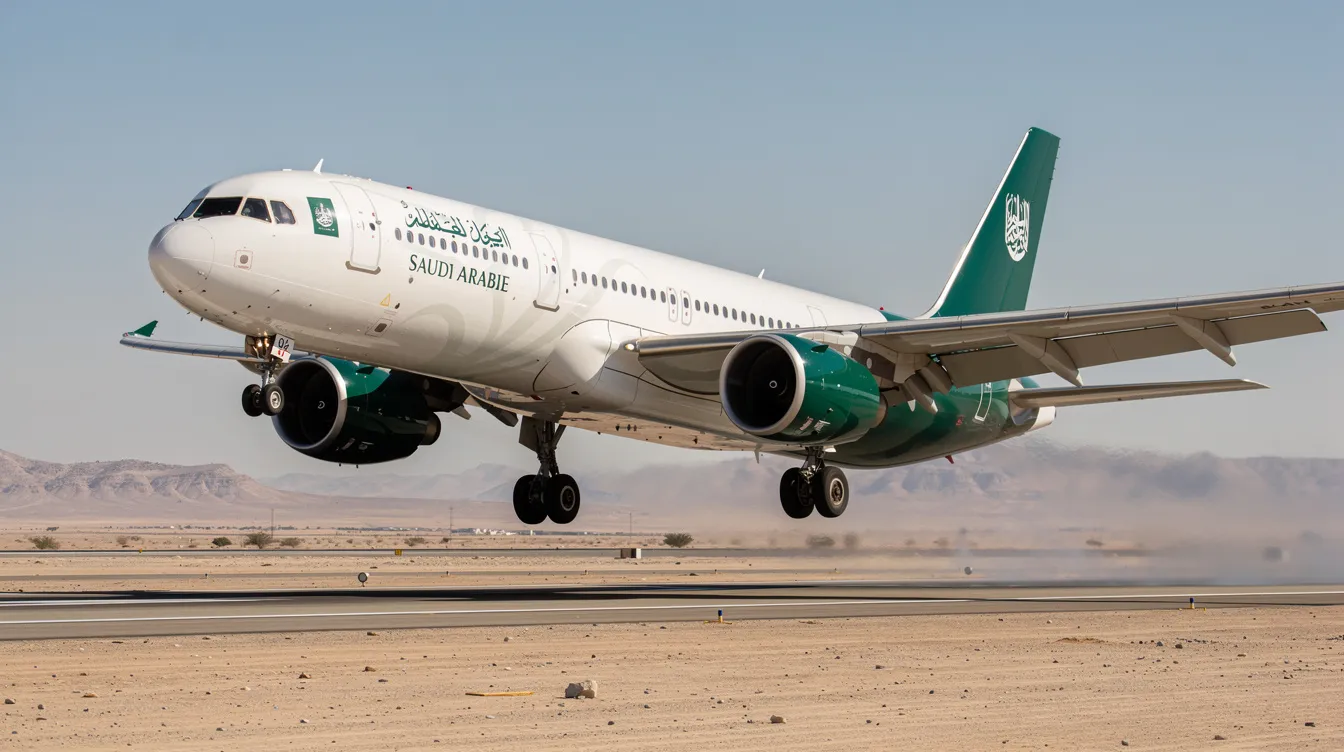
Recent security incidents involving commercial flights in Saudi Arabia have raised significant concerns about aviation safety in the region. A Flydubai flight experienced a mid-air attack, while a Saudia aircraft was destroyed by a missile at Riyadh Airport. These events highlight the need for travelers to consider private jet alternatives for safer and more flexible travel options.
Jay Franco Serevilla
Oct 29, 2026
|
5
min read
View all
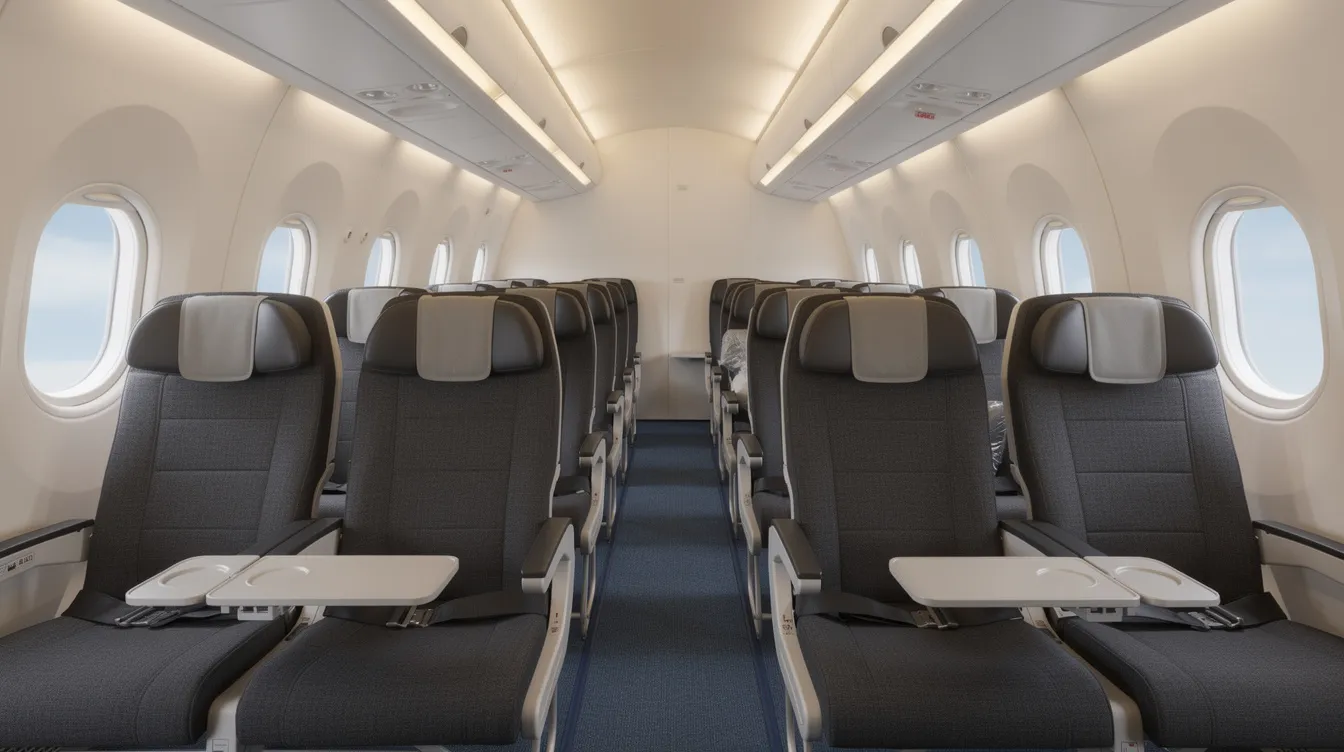
Airplane seat back etiquette is crucial for a comfortable flying experience. Understanding the balance between reclining and respecting fellow passengers can enhance relationships and productivity during flights. This guide explores the design, comfort, and best practices for using airplane seat backs, comparing commercial and private jet experiences.
Jay Franco Serevilla
Oct 29, 2026
|
5
min read
View all
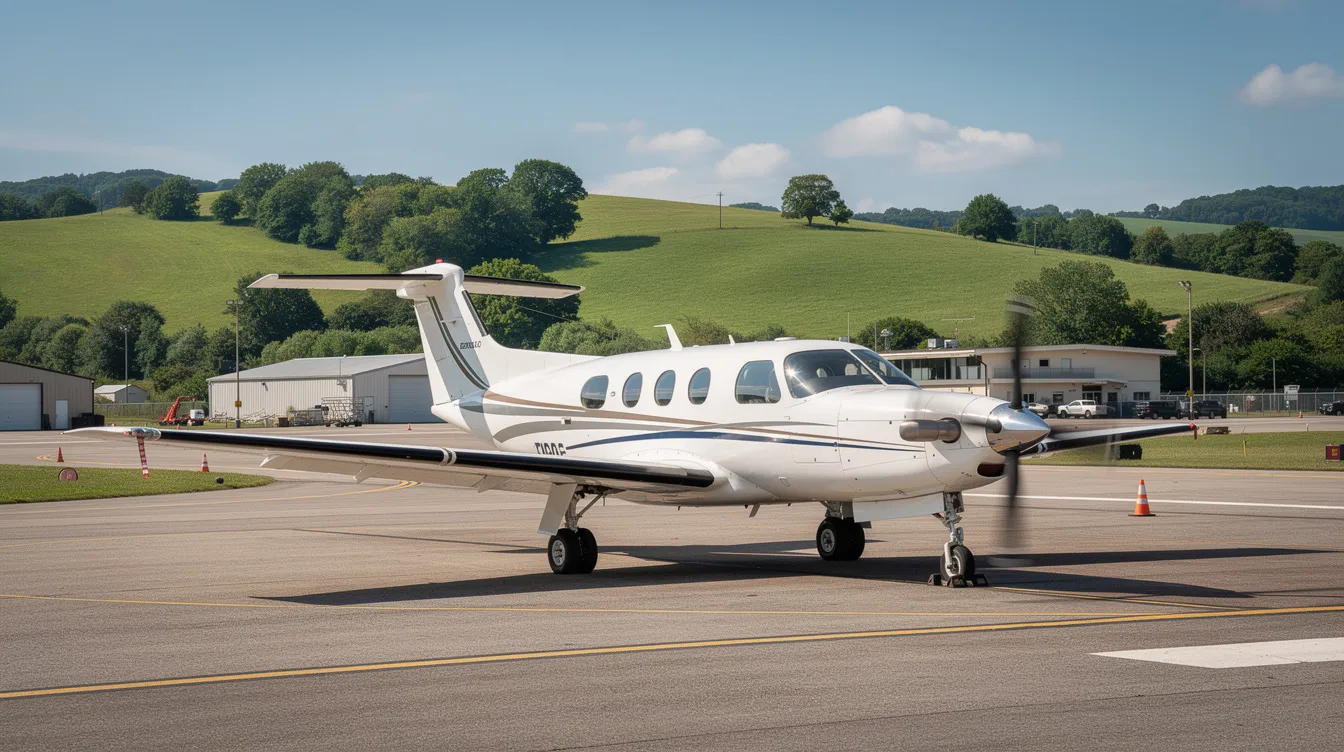
Turboprop charter prices in North America and Europe range from $1,200 to $3,000 per hour, making them a cost-effective choice for regional flights under 1,000 miles. Premium models can reach up to $5,000 per hour during peak demand. Jettly's platform allows users to compare rates transparently, ensuring travelers find the best options for their needs.
Jay Franco Serevilla
Oct 29, 2026
|
5
min read

View all
Finding the cheapest day to buy airline tickets is more complex than simply booking on a Tuesday. Dynamic pricing means fares fluctuate based on demand, making timing and flexibility key factors. This guide explores effective strategies for securing the best flight prices, whether for commercial airlines or private jet charters.
Jay Franco Serevilla
Oct 29, 2026
|
5
min read
View all
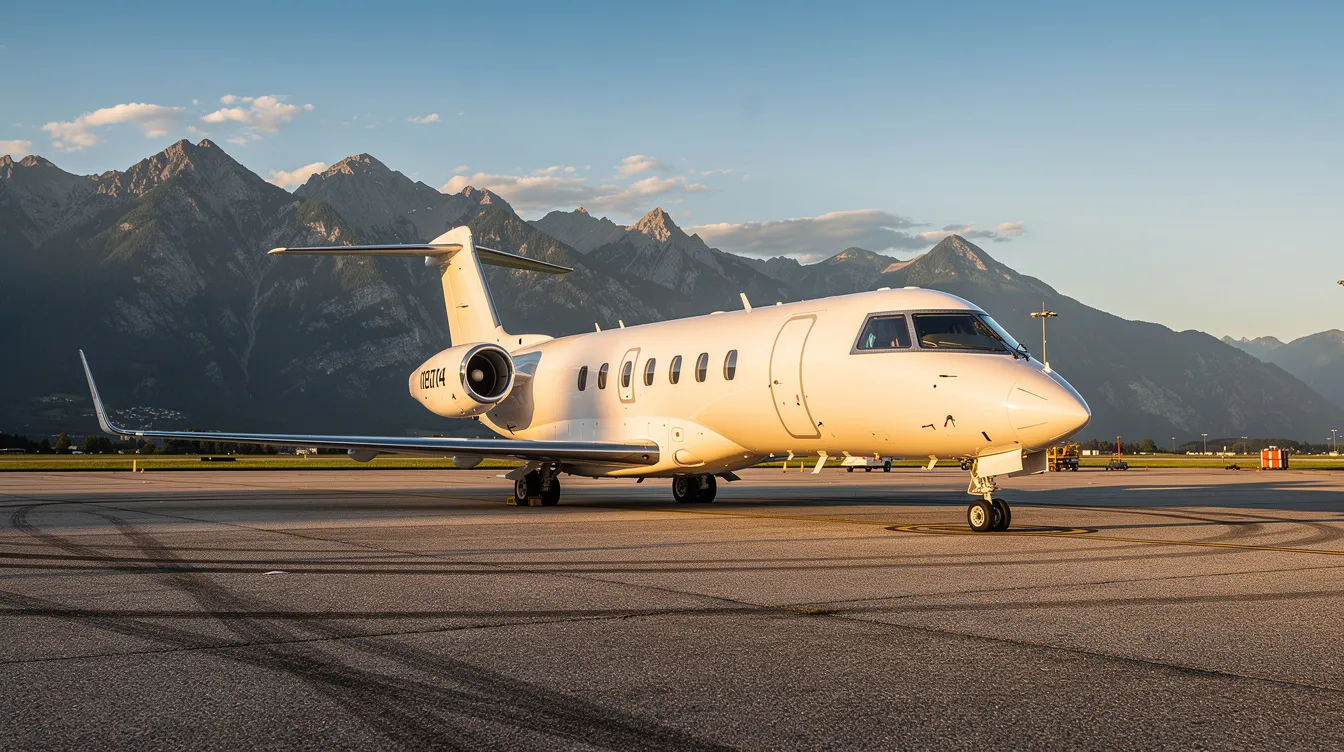
Mach One Air Charter embodies the essence of fast and efficient private jet travel. With platforms like Jettly, travelers can access over 20,000 aircraft, enjoy transparent pricing, and receive instant quotes, making the booking process seamless. This modern approach to private aviation prioritizes speed, safety, and flexibility, catering to both business and leisure needs.
Jay Franco Serevilla
Oct 29, 2026
|
5
min read
Explore our latest articles and updates.

5
min read
Why Did Flights Go Up Today? (And What You Can Do About It)
Flight prices can increase rapidly due to real-time pricing algorithms, booking surges, and changes in seat inventory. Understanding these dynamics allows travelers to make informed decisions, whether adjusting travel dates or considering private jet charters for better control over costs. This guide explores the reasons behind fare spikes and offers strategies to manage travel expenses effectively.
Read More
5
min read
Why Planes Fly at 35,000 Feet: The Real Reason Behind Cruising Altitude
Planes typically fly at 35,000 feet because this altitude optimizes fuel efficiency, engine performance, and passenger comfort while minimizing turbulence. The thin air at this height reduces aerodynamic drag, allowing aircraft to travel faster and consume less fuel. Additionally, flying at this altitude helps avoid most weather disturbances, ensuring a smoother ride for passengers.
Read MoreJoin our community and receive the latest blog updates directly in your inbox.
MEMBERSHIPS AND ASSOCIATIONS



Disclaimer: Jettly operates as a charter broker, offering access to a global digital jet charter marketplace. Jettly is not a direct air carrier and does not own or operate aircraft. All advertised flights are conducted by third-party air carriers that are fully licensed and hold the appropriate Part 135 or Part 121 certifications issued by the Federal Aviation Administration (FAA) or equivalent regulatory authorities under U.S. or foreign law. Jettly complies fully with the U.S. Department of Transportation's Part 295 and Part 298 Charter Broker regulations. Jettly does not carry additional liability insurance. Passengers are covered by aircraft operator insurance. TICO: 50023770


