


Login
Get Instant Pricing On 23,000+ Aircraft


Fighter jets are advanced military aircraft designed for air superiority and ground attack missions, playing a crucial role in global security. They have evolved significantly from early biplanes to modern stealth fighters, integrating cutting-edge technology for enhanced performance. Civilian experiences in demilitarized trainers offer a glimpse into the thrilling world of high-performance aviation.
Jay Franco Serevilla
Jul 26, 2026
|
5
min read



View all
An airport locator is a valuable tool for private jet travelers, allowing them to find airports closer to their actual destinations rather than defaulting to major hubs, which can save significant ground time. Jettly utilizes this technology to connect travelers with suitable aircraft across over 5,000 public-use airports, providing essential data such as runway specifications and available services. By selecting the right airport, travelers can enhance their overall experience, reducing travel time and potentially lowering costs. Jettly's platform streamlines the booking process by automatically matching optimal airports with a global inventory of aircraft, ensuring a tailored private flight experience.
Jay Franco Serevilla
Jun 29, 2026
|
5
min read
View all
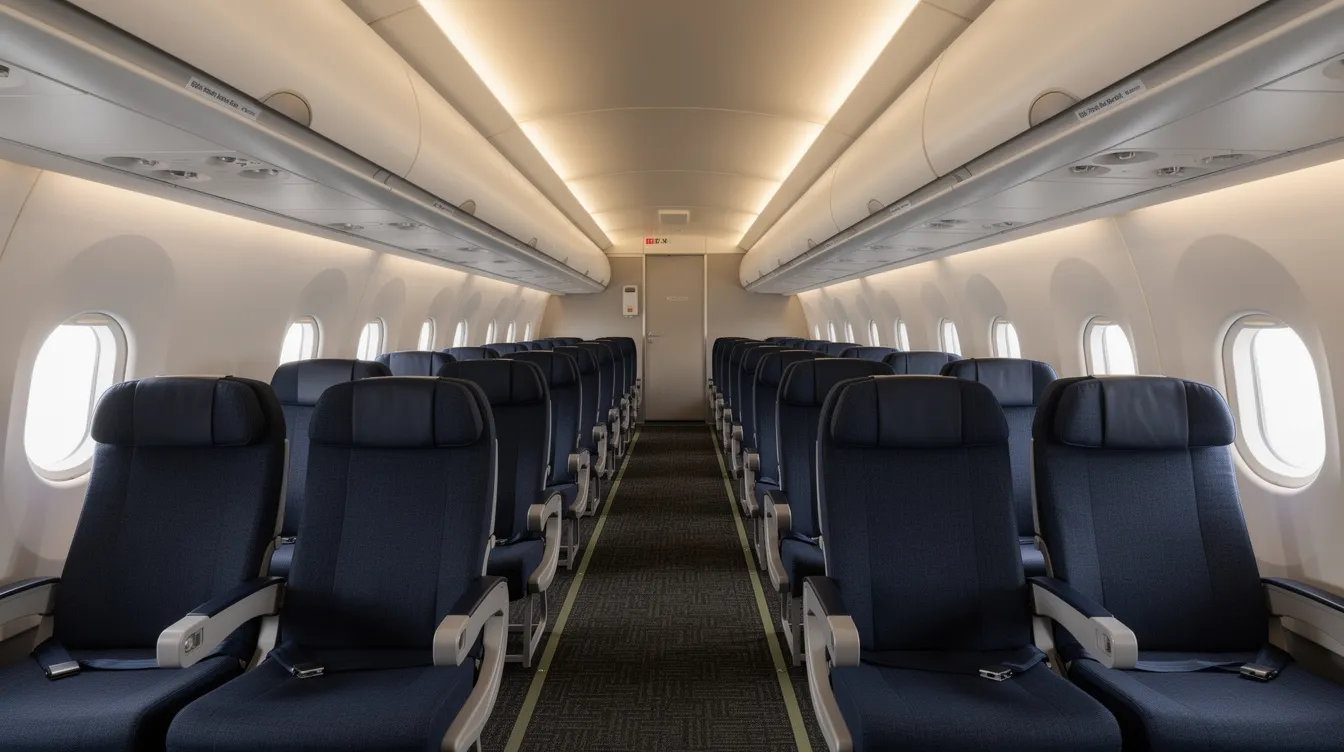
Smoking and vaping on planes are strictly prohibited worldwide due to safety and health concerns, with fines in the U.S. reaching up to $4,000 per violation and potentially exceeding $40,000 if it causes a flight diversion. Passengers caught smoking may face arrest, lifetime bans from airlines, and even criminal charges for interfering with crew members. While private jets may have varying smoking policies, most operators enforce strict non-smoking rules to protect cabin conditions and crew health. Travelers are advised to plan ahead, use nicotine alternatives, and confirm smoking policies before booking to avoid costly penalties and disruptions.
Jay Franco Serevilla
Jun 29, 2026
|
5
min read
View all
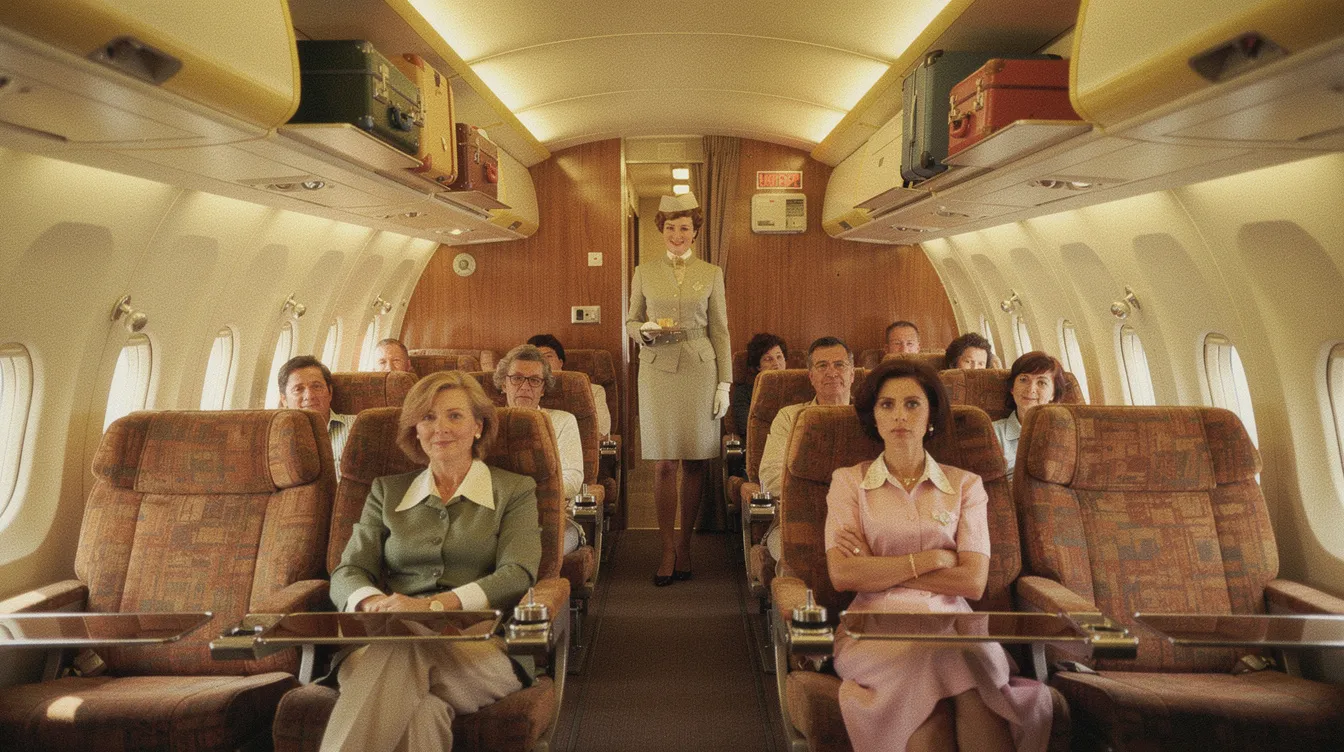
Smoking on airplanes has evolved from a common practice to a universal ban on commercial flights, implemented in the early 2000s due to health and safety concerns. While private jets may have varying smoking policies set by operators, many still enforce non-smoking rules to protect interiors and crew health. Violating smoking regulations can lead to significant penalties, including fines and potential legal action. Understanding these regulations is crucial for travelers to ensure compliance and a safer flying experience.
Jay Franco Serevilla
Jun 29, 2026
|
5
min read
View all
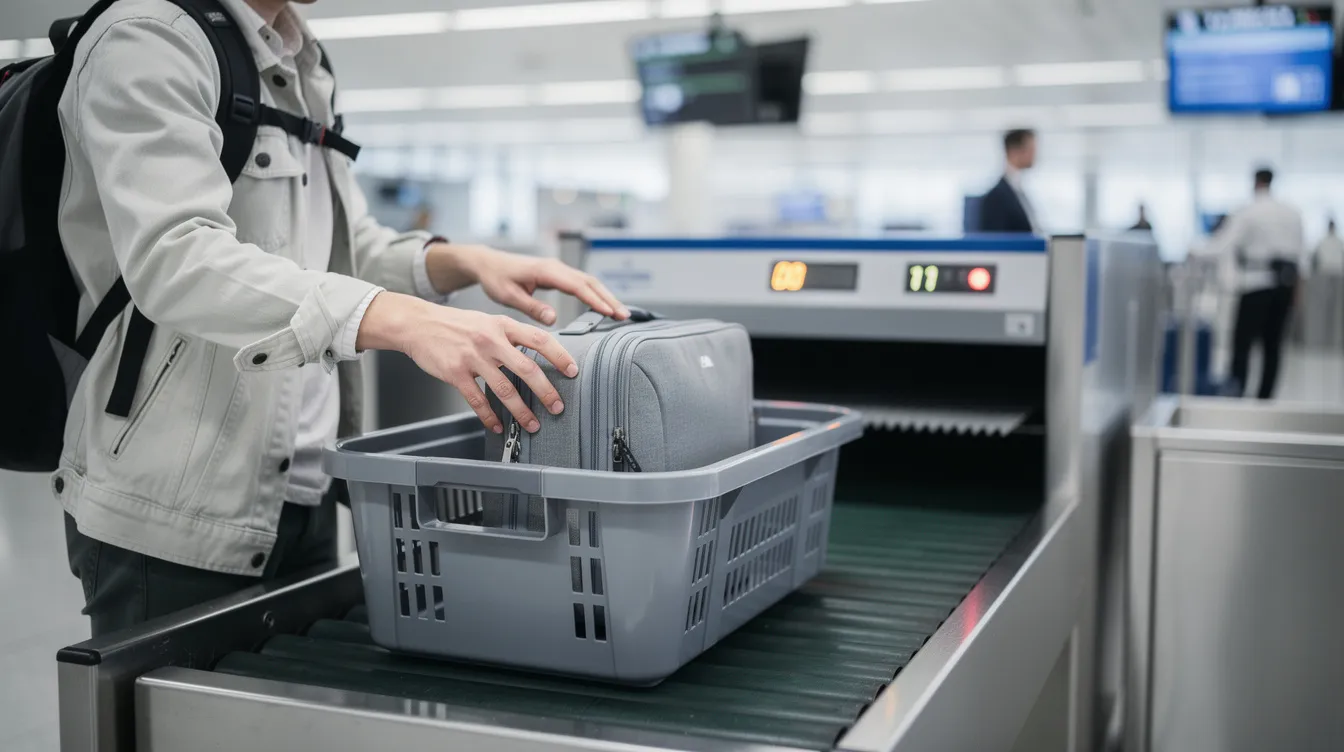
Cigarettes can be carried in both carry-on and checked luggage on most airlines, but smoking on commercial flights is strictly prohibited, with fines up to $4,000 for violations. While there are no domestic limits on the number of cigarettes for personal use in the U.S., international travel is subject to customs regulations, typically allowing around 200 cigarettes duty-free per adult, though this varies by country. Lighters, vapes, and other smoking accessories have stricter rules, often requiring them to be kept in carry-on luggage only. Private jet charters may allow smoking if permitted by the aircraft owner and operator, offering more flexibility compared to commercial flights.
Jay Franco Serevilla
Jun 29, 2026
|
5
min read
View all
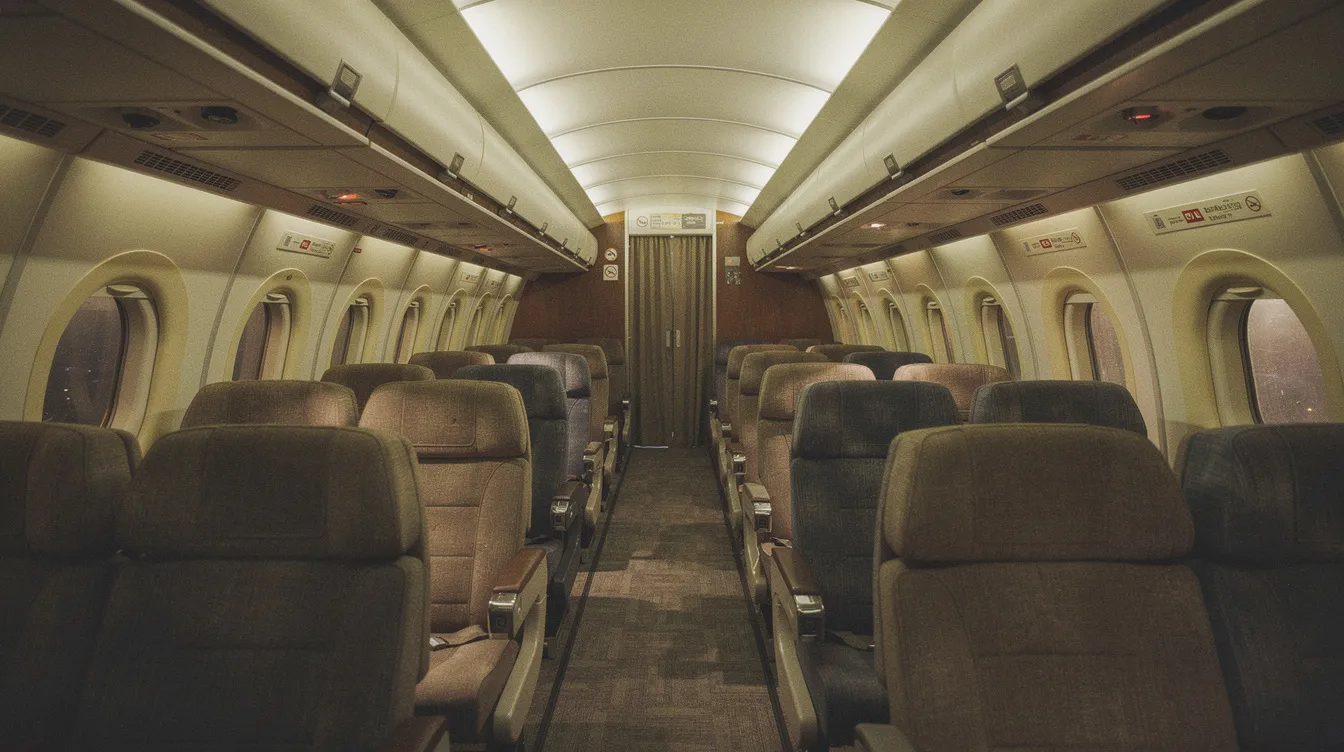
Smoking on U.S. airplanes was gradually banned, starting with domestic flights under two hours in 1988 and culminating in a complete federal ban on June 4, 2000. This movement was driven by health and safety concerns, particularly regarding secondhand smoke and fire risks, despite resistance from the tobacco industry. By the early 2000s, most commercial airlines worldwide had adopted similar smoking bans, leading to a universal expectation of smoke-free flights. Today, smoking and vaping are prohibited on nearly all commercial and private flights, reflecting a commitment to passenger safety and comfort.
Jay Franco Serevilla
Jun 29, 2026
|
5
min read

View all
The cruise speed of an aircraft is a critical factor in private jet charter, representing a balance between speed, fuel efficiency, and passenger comfort rather than the maximum speed the aircraft can achieve. Typical cruise speeds vary by aircraft type, with commercial airliners cruising at Mach 0.78–0.85 and private jets ranging from Mach 0.76 to Mach 0.90. Understanding cruise speed helps travelers avoid overpaying for unnecessary speed and select the right aircraft for their specific route and budget. Platforms like Jettly facilitate this process by allowing users to compare aircraft based on cruise speed, range, and cost, ensuring optimal travel efficiency.
Jay Franco Serevilla
Jun 29, 2026
|
5
min read
Explore our latest articles and updates.
5
min read
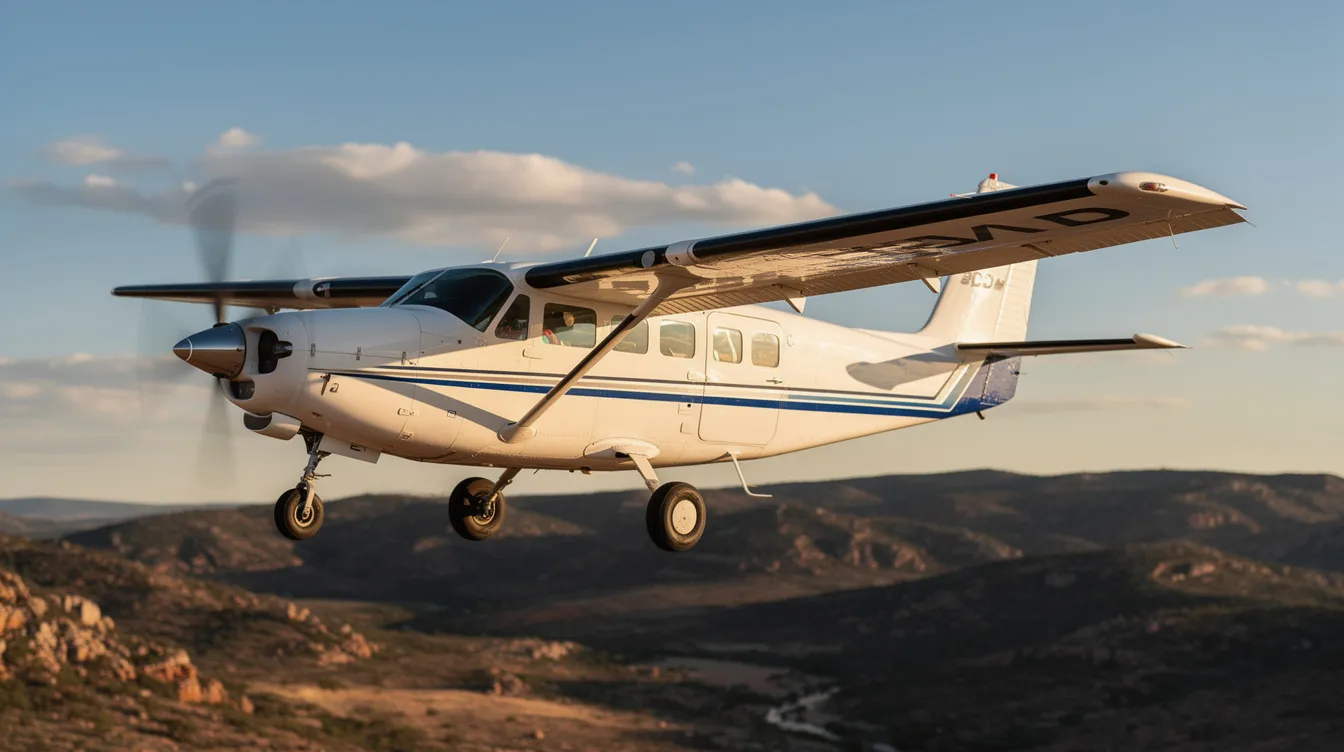
Cessna Caravan Specs: Performance, Cabin, and Charter Uses Explained
The Cessna Caravan family, including the 208 Caravan and Grand Caravan EX, is a rugged single-engine turboprop aircraft designed for regional passenger and cargo operations, accommodating up to 14 passengers in high-density configurations. With a cruise speed of approximately 186 mph and a range of up to 1,070 nautical miles, these aircraft are ideal for short regional flights and can operate from unpaved runways. The Grand Caravan EX offers enhanced power and performance, making it suitable for demanding routes. Jettly provides a platform for travelers to compare charter pricing and book flights, emphasizing the Caravan's cost-effectiveness and versatility for various missions.
Read More
5
min read
Jetfly: How a European Business Aviation Pioneer Fits Into Today's Private Aviation Landscape
Jetfly, a Luxembourg-based business aviation group founded in 1999, specializes in fractional ownership of Pilatus aircraft, making it one of Europe's largest operators in this sector. It offers a unique model where owners pay only for the flight hours they use, with contracts typically lasting 10 years, appealing to frequent European travelers. In contrast, on-demand charter platforms like Jettly provide flexible, pay-per-trip options without long-term commitments, catering to occasional flyers or those needing global access. As private aviation evolves, understanding the differences between Jetfly's shared ownership and Jettly's charter services is crucial for making informed travel decisions.
Read MoreJoin our community and receive the latest blog updates directly in your inbox.
MEMBERSHIPS AND ASSOCIATIONS



Disclaimer: Jettly operates as a charter broker, offering access to a global digital jet charter marketplace. Jettly is not a direct air carrier and does not own or operate aircraft. All advertised flights are conducted by third-party air carriers that are fully licensed and hold the appropriate Part 135 or Part 121 certifications issued by the Federal Aviation Administration (FAA) or equivalent regulatory authorities under U.S. or foreign law. Jettly complies fully with the U.S. Department of Transportation's Part 295 and Part 298 Charter Broker regulations. Jettly does not carry additional liability insurance. Passengers are covered by aircraft operator insurance. TICO: 50023770


