


Login
Get Instant Pricing On 23,000+ Aircraft

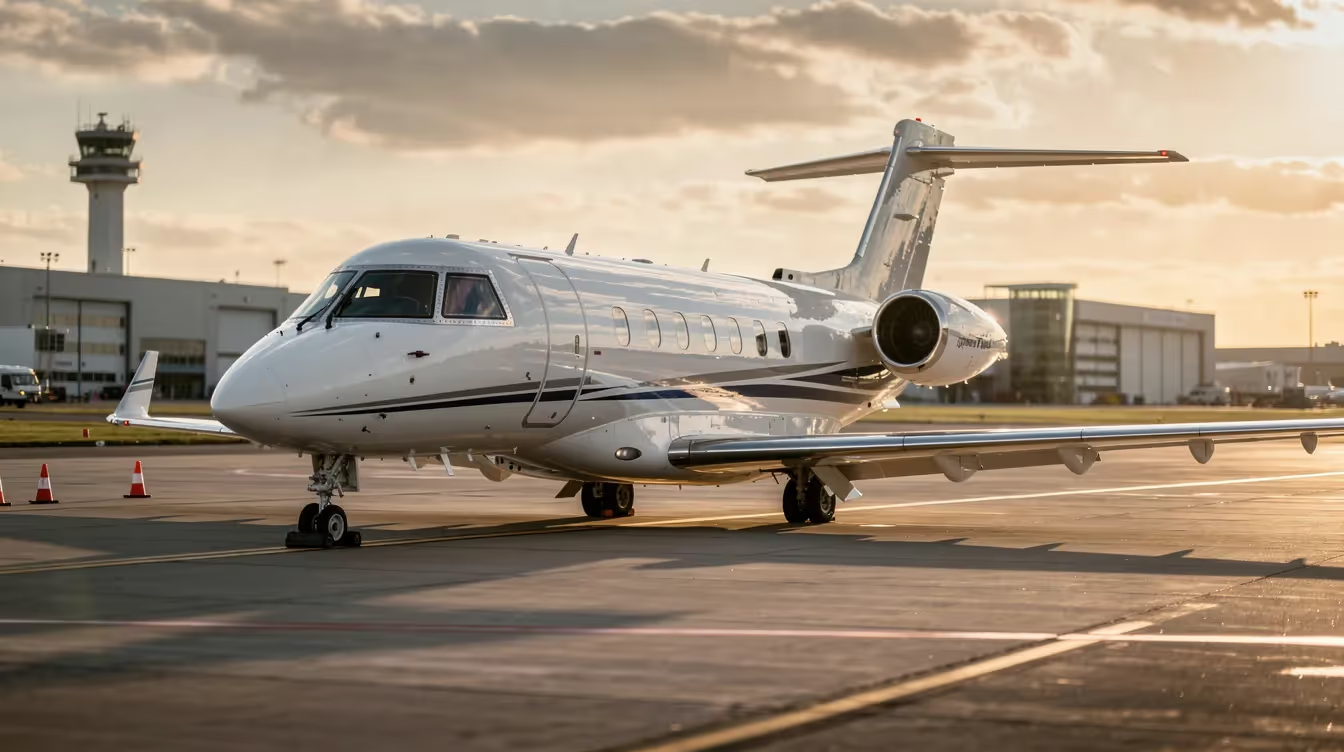
The Hawker Beechcraft 4000 is a super-midsize business jet known for its spacious cabin, advanced composite construction, and strong performance, making it suitable for both business and leisure travel. Manufactured between 2006 and 2013, it features a maximum range of approximately 3,200–3,700 nautical miles and cruise speeds near Mach 0.84, while currently selling for $3 million to $4 million in the pre-owned market. Despite its limited production of only 73 units, the aircraft remains a valuable option for charter services, particularly through platforms like Jettly, which offers competitive hourly rates and flexible booking. Overall, the Hawker 4000 provides an attractive balance of comfort, efficiency, and affordability for medium- to long-range flights.
Jay Franco Serevilla
Apr 18, 2026
|
5
min read



View all
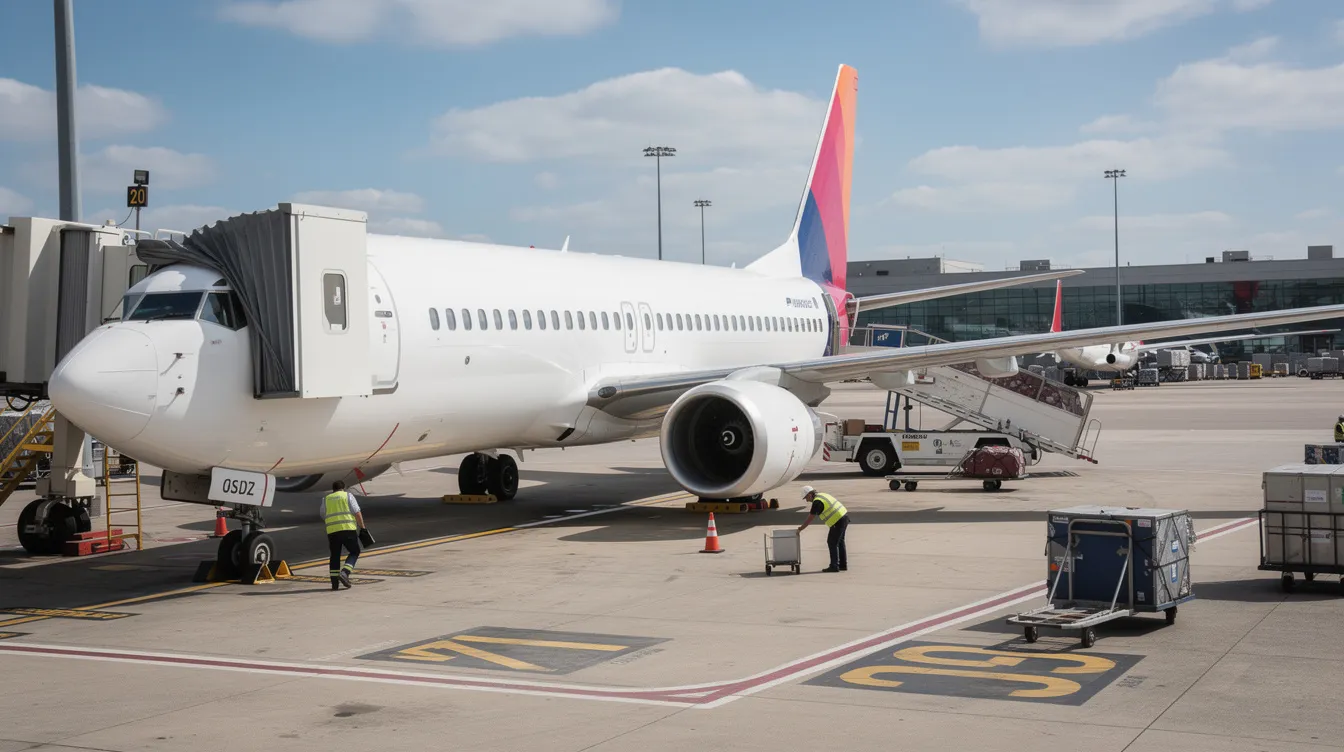
The Boeing 737 typically holds between 6,000 and 7,800 gallons of jet fuel, depending on the variant. This fuel capacity influences the aircraft's range, efficiency, and operational costs, making it a popular choice for airlines worldwide. Modern models like the 737 MAX are designed for improved fuel efficiency, reducing emissions while maintaining performance.
Jay Franco Serevilla
Aug 9, 2026
|
5
min read
View all
The Boeing 737-800, known as '738', is a popular narrow-body aircraft widely used for short- to medium-haul flights. This guide explores its layout, comfort features, and how it compares to private charter options, highlighting the benefits of both travel methods. Understanding the differences can help travelers make informed decisions for their next journey.
Jay Franco Serevilla
Aug 9, 2026
|
5
min read
View all
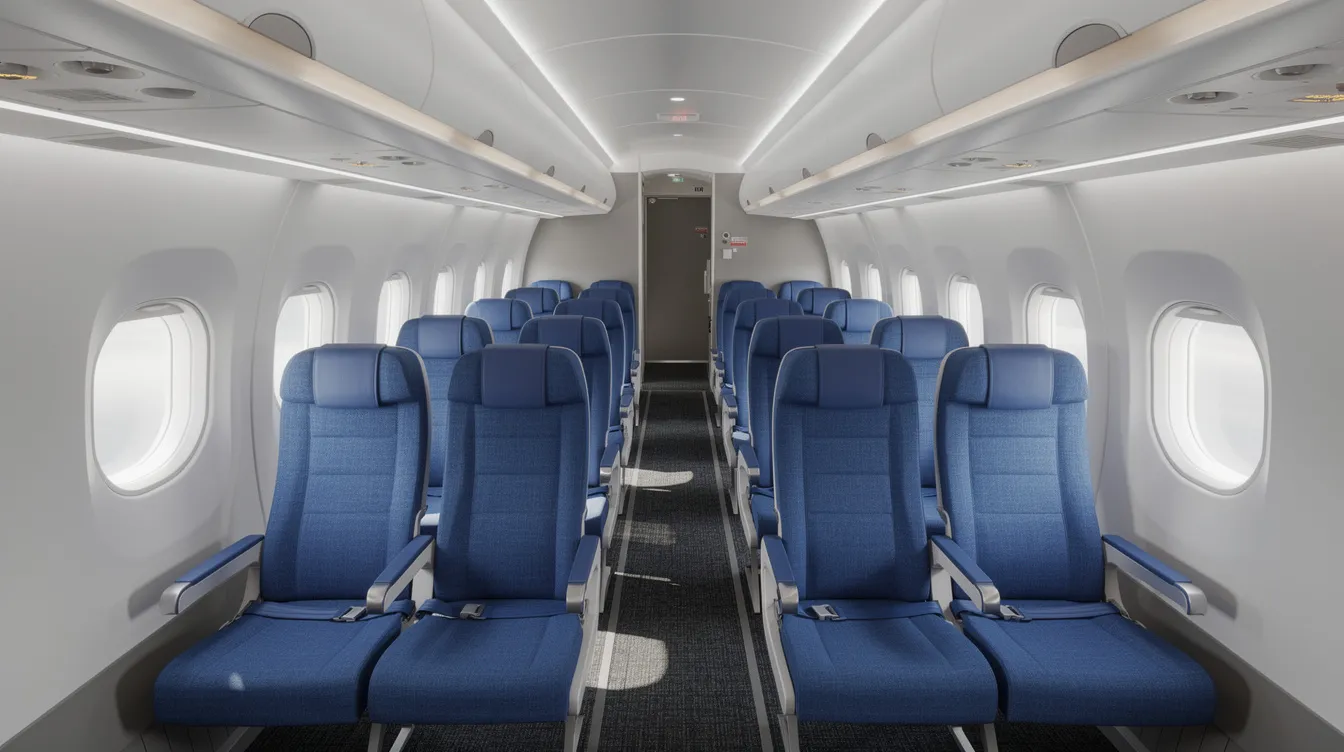
The Boeing 737-700 features a 3-3 economy layout with 137 to 143 seats, making seat selection crucial for comfort. Rows 1-6 and exit row 15 offer extra legroom, while the last rows near lavatories are less desirable. For those seeking flexibility and comfort, private jet charters through Jettly provide a tailored flying experience.
Jay Franco Serevilla
Aug 9, 2026
|
5
min read
View all
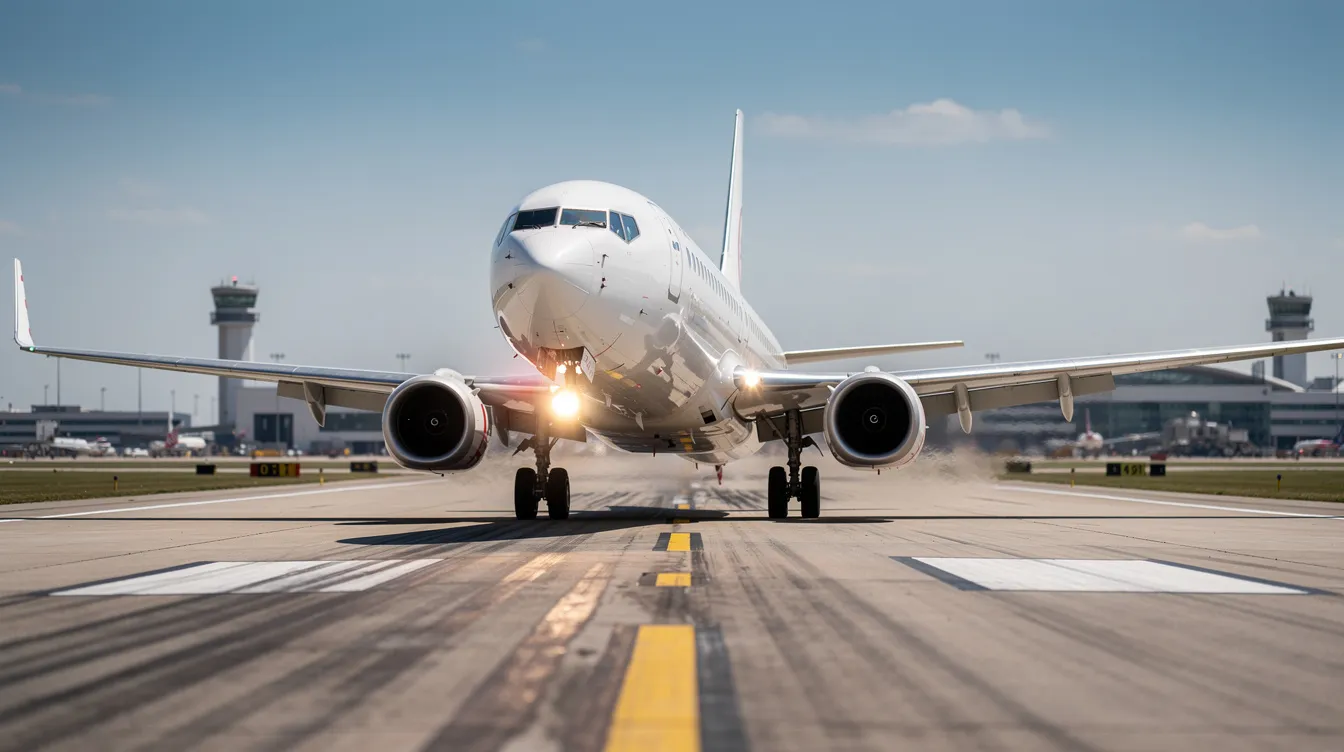
This practical guide outlines the minimum runway length requirements for Boeing 737 operations, crucial for pilots, operators, and charter travelers. It details how various factors such as aircraft weight, environmental conditions, and runway surface affect takeoff and landing distances, providing essential insights for safe and efficient flight planning.
Jay Franco Serevilla
Aug 9, 2026
|
5
min read
View all
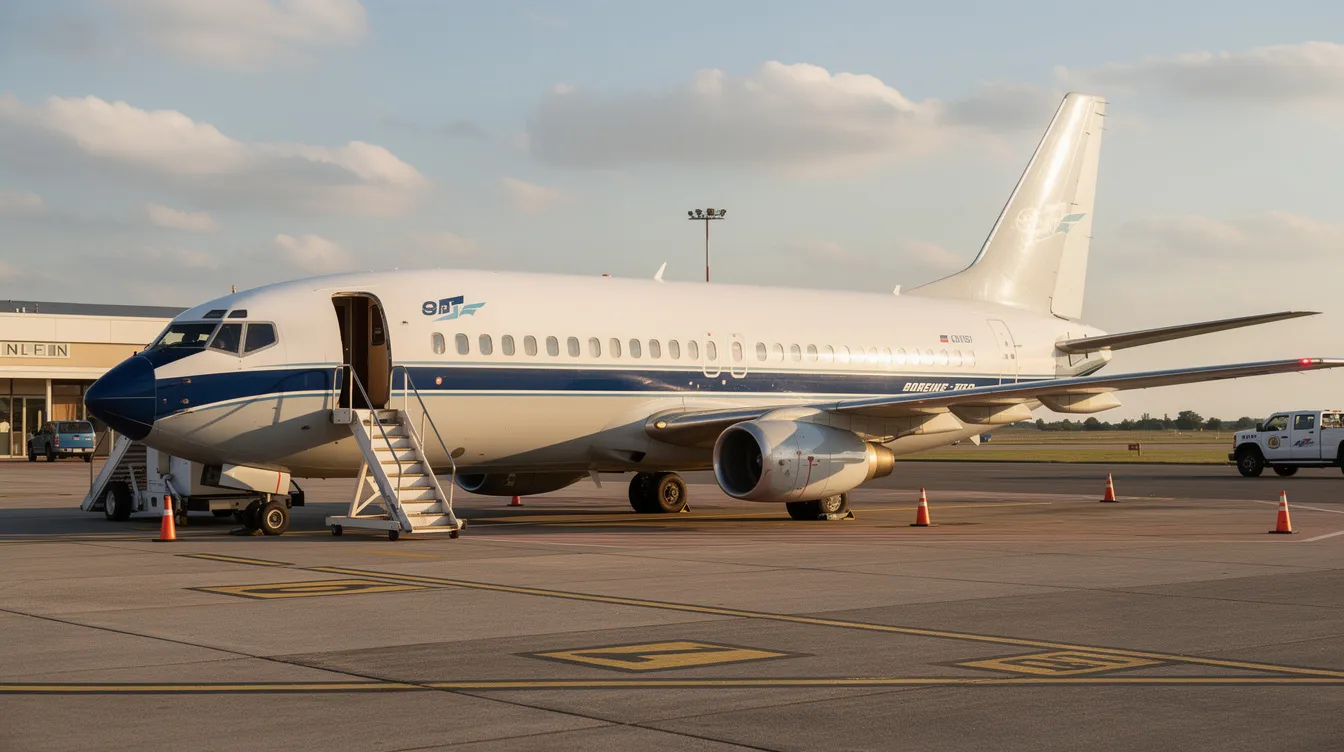
The Boeing 737-200, introduced in 1968, is a rugged twinjet designed for short and medium-haul routes, accommodating 100 to 136 passengers. Despite its high fuel consumption, it remains relevant in niche roles such as cargo and private charters, particularly in remote areas. This guide explores its history, features, and operational capabilities, highlighting its unique advantages in today's aviation landscape.
Jay Franco Serevilla
Aug 9, 2026
|
5
min read
View all
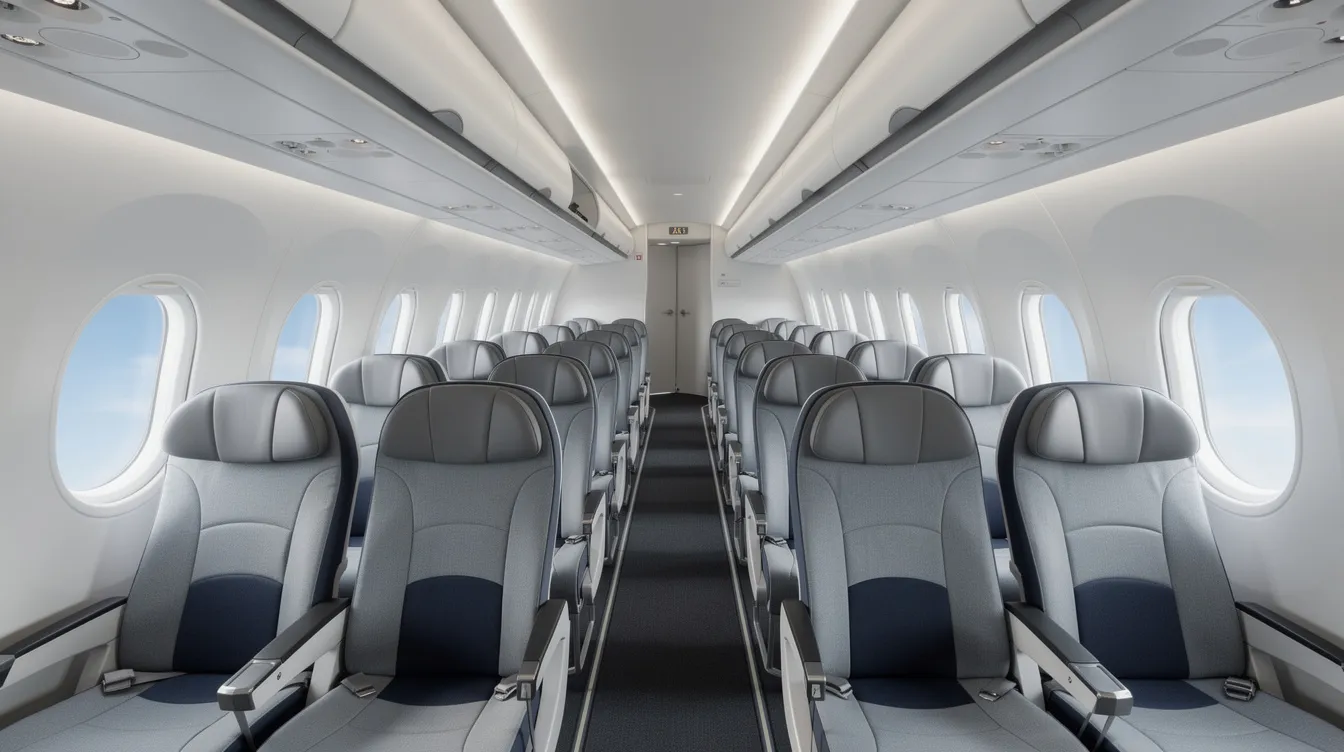
The Boeing 787-8 seat map is essential for travelers seeking comfort on long flights. This guide details cabin layouts, best seat selections, and features like power outlets and Wi-Fi. It also compares commercial flying with private jet charters for those desiring more privacy and flexibility.
Jay Franco Serevilla
Aug 9, 2026
|
5
min read
Explore our latest articles and updates.
5
min read
How Fast Does a Single-Engine Plane Fly? (Real Speeds, Examples, and When Faster Makes Sense)
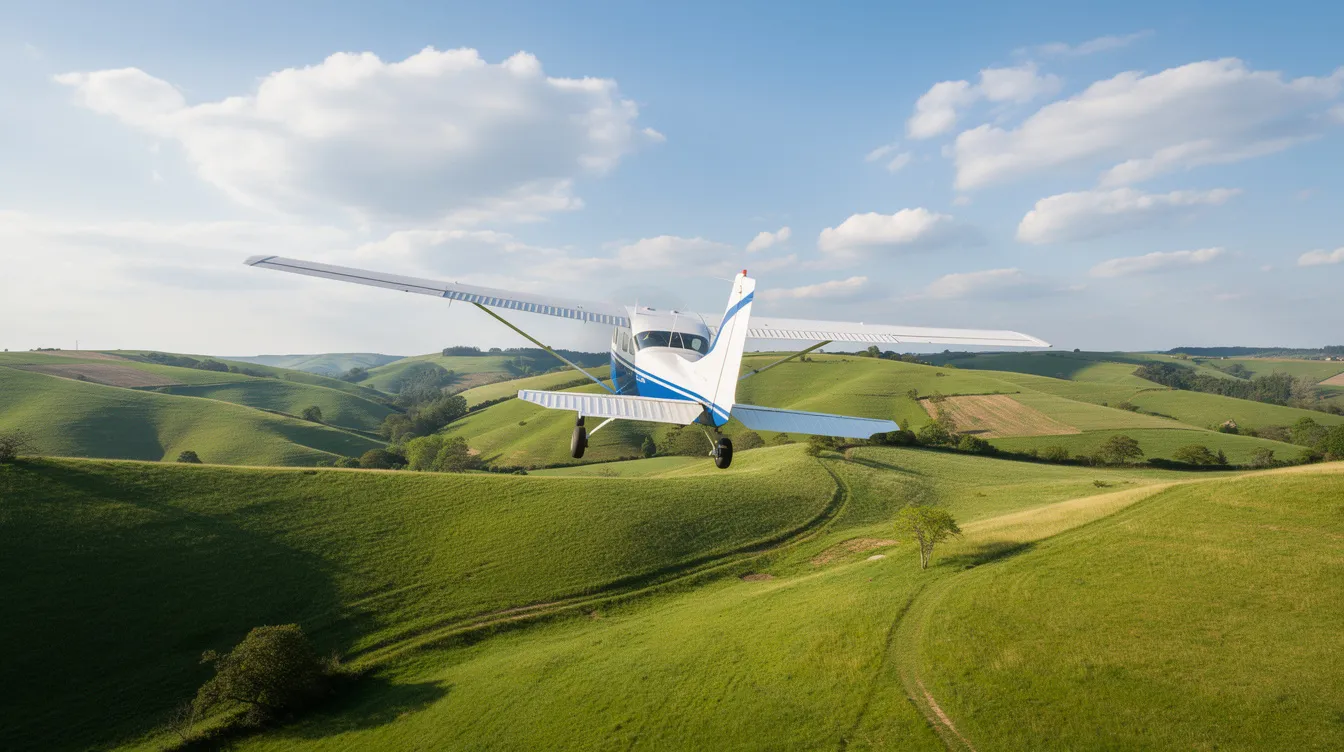
Single-engine planes typically cruise between 110 and 180 knots, with high-performance models exceeding 200 knots. Factors like aircraft type, altitude, and weight significantly influence actual speeds. Understanding cruise speed is crucial for effective trip planning and can often rival commercial airliners in total travel time.
Read More5
min read
How Fast Does a Single-Engine Plane Fly? (Real Speeds, Examples, and When Faster Makes Sense)
Single-engine planes typically cruise between 110 and 180 knots, with high-performance models exceeding 200 knots. Factors like aircraft type, altitude, and weight significantly influence actual speeds. Understanding cruise speed is crucial for effective trip planning and can often rival commercial airliners in total travel time.
Read MoreJoin our community and receive the latest blog updates directly in your inbox.
MEMBERSHIPS AND ASSOCIATIONS



Disclaimer: Jettly operates as a charter broker, offering access to a global digital jet charter marketplace. Jettly is not a direct air carrier and does not own or operate aircraft. All advertised flights are conducted by third-party air carriers that are fully licensed and hold the appropriate Part 135 or Part 121 certifications issued by the Federal Aviation Administration (FAA) or equivalent regulatory authorities under U.S. or foreign law. Jettly complies fully with the U.S. Department of Transportation's Part 295 and Part 298 Charter Broker regulations. Jettly does not carry additional liability insurance. Passengers are covered by aircraft operator insurance. TICO: 50023770


