



Login
Get Instant Pricing On 23,000+ Aircraft


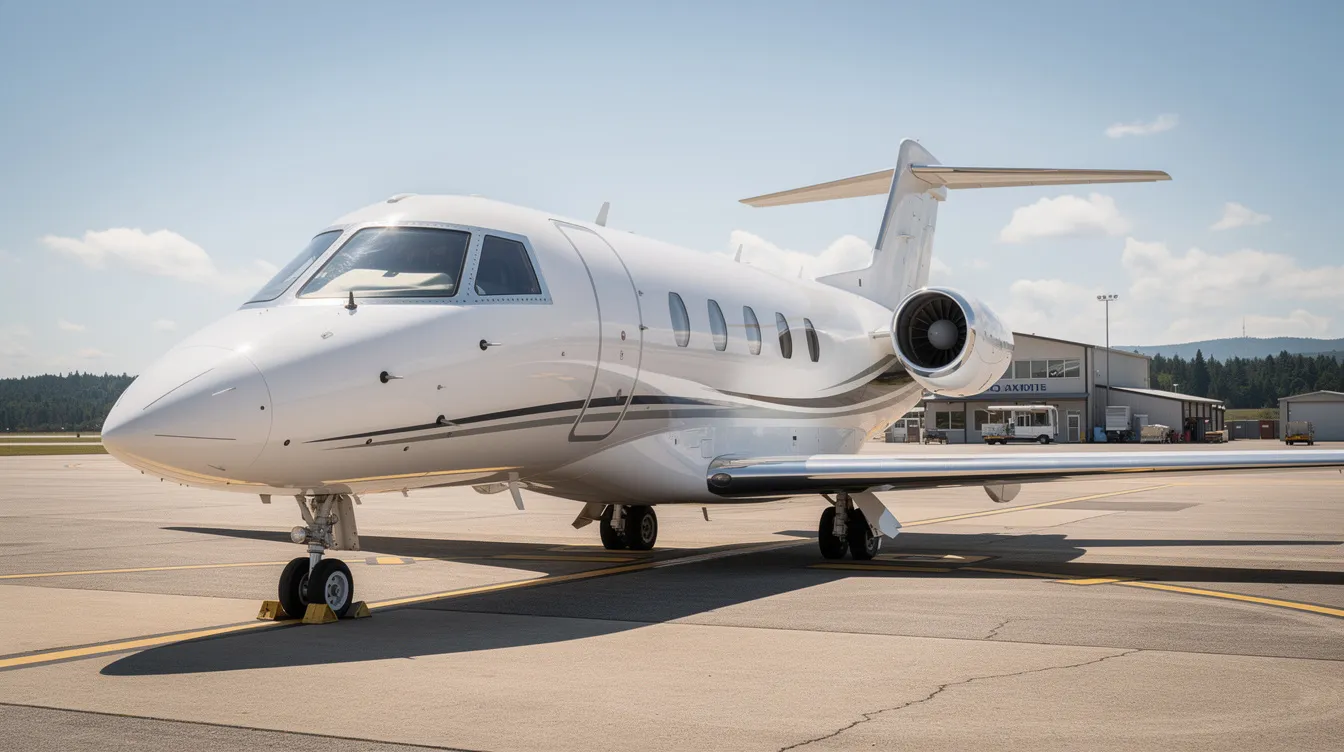
Empty leg flights offer a cost-effective way to fly privately, providing discounts of 30% to 75% on standard charter prices. However, these flights come with restrictions, including fixed routes and limited flexibility. This guide explains how to book empty leg flights, the savings potential, and key considerations for travelers.
Jay Franco Serevilla
Nov 5, 2026
|
5
min read


View all
Empty leg flights are discounted private jet journeys that occur when a jet is repositioning without passengers. These flights offer travelers the luxury of private aviation at a fraction of the cost, typically 50% to 80% cheaper than standard charters. This guide explains how to find and book these flights, making private travel more accessible for those with flexible schedules.
Jeff Ryan Serevilla
Oct 8, 2026
|
5
min read

View all
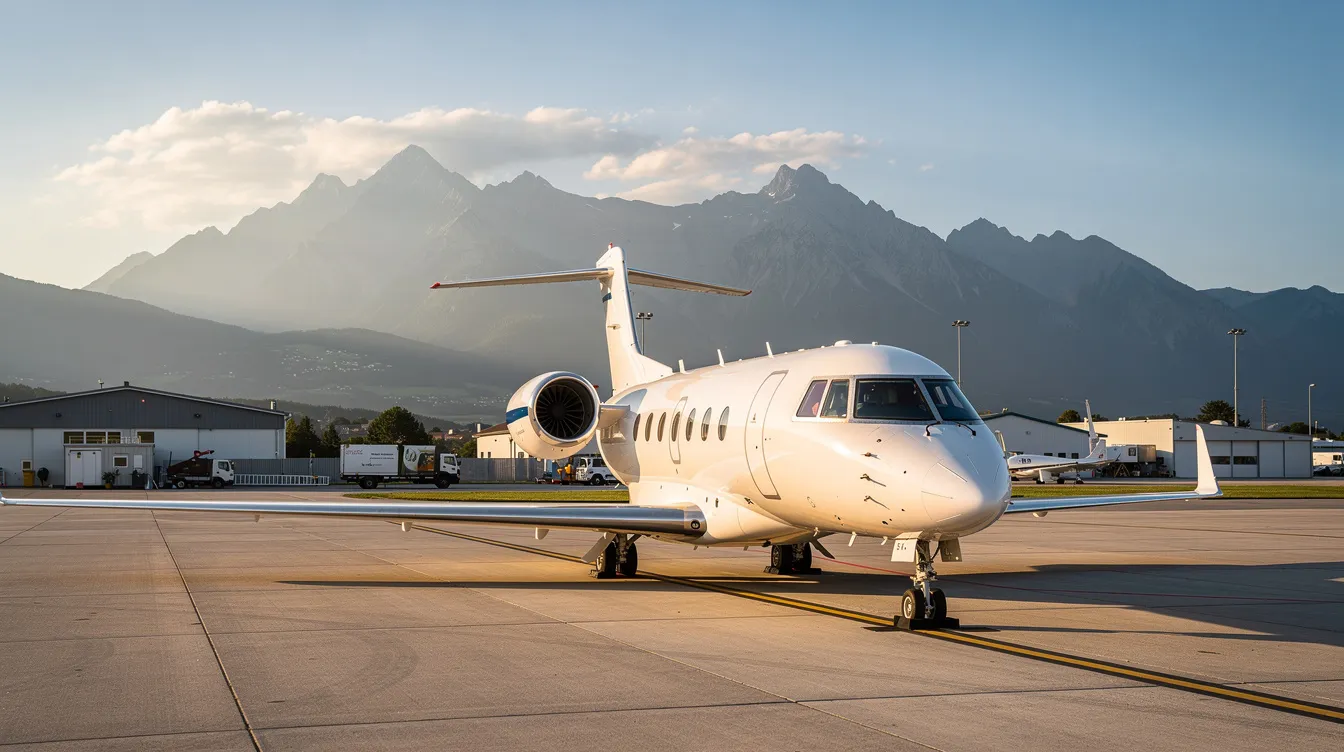
Air ambulance transport can be a lifesaver during medical emergencies, but the costs can be staggering, ranging from $12,000 to over $200,000. This guide explores the factors influencing these prices, including distance, aircraft type, and medical care level, while offering tips on managing and reducing costs effectively.
Jeff Ryan Serevilla
Oct 8, 2026
|
5
min read
View all
The private jet market has seen a significant surge in demand, remaining 35% above pre-pandemic levels through mid-2026. This trend is driven by a broader demographic of first-time flyers, increased flexibility, and the rise of digital booking platforms. As the industry evolves, travelers can expect tighter availability and a focus on sustainability through 2030.
Jeff Ryan Serevilla
Oct 8, 2026
|
5
min read

View all
Private flight club memberships offer a range of costs influenced by initiation fees, monthly dues, and hourly rates. Understanding these components helps travelers make informed decisions between membership and on-demand charter options. With costs varying significantly based on aircraft type and usage, it's essential to evaluate personal travel needs and frequency before committing.
Jeff Ryan Serevilla
Oct 8, 2026
|
5
min read

View all
Taneja Aerospace & Aviation Ltd's current share price is ₹344.20, reflecting a 1.7% decrease. With a P/E ratio of approximately 47, the stock indicates strong growth expectations in the aerospace sector, making it an intriguing option for investors. This guide provides essential trading data, valuation metrics, and insights into the company's fundamentals and market trends.
Jeff Ryan Serevilla
Oct 8, 2026
|
5
min read

View all
In 2026, no major airline has been identified as having the most crashes, with serious incidents primarily involving smaller operators. Despite 61 reported crashes resulting in 397 fatalities, commercial flying remains one of the safest modes of transportation due to stringent regulations and advanced safety technologies. Understanding aviation safety statistics is crucial for travelers to make informed decisions about their air travel options.
Jay Franco Serevilla
Oct 7, 2026
|
5
min read
Explore our latest articles and updates.

5
min read
Why Did Flights Go Up Today? (And What You Can Do About It)
Flight prices can increase rapidly due to real-time pricing algorithms, booking surges, and changes in seat inventory. Understanding these dynamics allows travelers to make informed decisions, whether adjusting travel dates or considering private jet charters for better control over costs. This guide explores the reasons behind fare spikes and offers strategies to manage travel expenses effectively.
Read More
5
min read
Why Planes Fly at 35,000 Feet: The Real Reason Behind Cruising Altitude
Planes typically fly at 35,000 feet because this altitude optimizes fuel efficiency, engine performance, and passenger comfort while minimizing turbulence. The thin air at this height reduces aerodynamic drag, allowing aircraft to travel faster and consume less fuel. Additionally, flying at this altitude helps avoid most weather disturbances, ensuring a smoother ride for passengers.
Read MoreJoin our community and receive the latest blog updates directly in your inbox.
MEMBERSHIPS AND ASSOCIATIONS



Disclaimer: Jettly operates as a charter broker, offering access to a global digital jet charter marketplace. Jettly is not a direct air carrier and does not own or operate aircraft. All advertised flights are conducted by third-party air carriers that are fully licensed and hold the appropriate Part 135 or Part 121 certifications issued by the Federal Aviation Administration (FAA) or equivalent regulatory authorities under U.S. or foreign law. Jettly complies fully with the U.S. Department of Transportation's Part 295 and Part 298 Charter Broker regulations. Jettly does not carry additional liability insurance. Passengers are covered by aircraft operator insurance. TICO: 50023770


