


Login
Get Instant Pricing On 23,000+ Aircraft


Private plane flight times are significantly shorter than commercial travel, influenced by factors like distance, aircraft type, and weather conditions. Understanding these variables is crucial for efficient scheduling and cost management, especially for corporate travelers and families. Jettly offers tools to provide accurate flight time estimates, enhancing the private flying experience.
Jeff Ryan Serevilla
Sep 8, 2026
|
5
min read



View all
Understanding the best time to book flights can save travelers money and enhance their travel experience. This guide outlines optimal booking windows for both domestic and international flights, as well as when to consider private jet charters through Jettly for added convenience and flexibility.
Jay Franco Serevilla
Aug 12, 2026
|
5
min read

View all
This guide compares Sky Bird Travel, a leading airline consolidator, with Jettly, a digital private jet charter platform. It helps travelers and decision-makers evaluate the benefits of commercial airfare versus private jet options, focusing on pricing, service levels, and customer experience.
Jay Franco Serevilla
Aug 12, 2026
|
5
min read

View all
Arrow Aviation encompasses various helicopter-focused aviation companies, primarily known for its MRO center in Broussard, Louisiana. This guide helps fleet managers and travelers compare helicopter leasing and maintenance services with private jet charter options, highlighting the advantages of each for different mission profiles.
Jay Franco Serevilla
Aug 12, 2026
|
5
min read

View all
Hiring a private jet for family travel with Jettly simplifies the flying experience by offering flexibility, safety, and convenience. Families can skip crowded terminals, arrive just minutes before departure, and enjoy tailored in-flight services. With access to over 20,000 aircraft worldwide, Jettly ensures a stress-free journey for families of all sizes.
Jay Franco Serevilla
Aug 12, 2026
|
5
min read

View all
The Cessna Citation II SP is a popular single-pilot certified light jet, ideal for regional business owners and air taxi operators. With prices ranging from $800,000 to $1,500,000, this guide explores its performance, specifications, and ownership versus chartering options through Jettly. It offers insights into evaluating the aircraft and understanding the costs involved in private aviation.
Jay Franco Serevilla
Aug 12, 2026
|
5
min read
View all
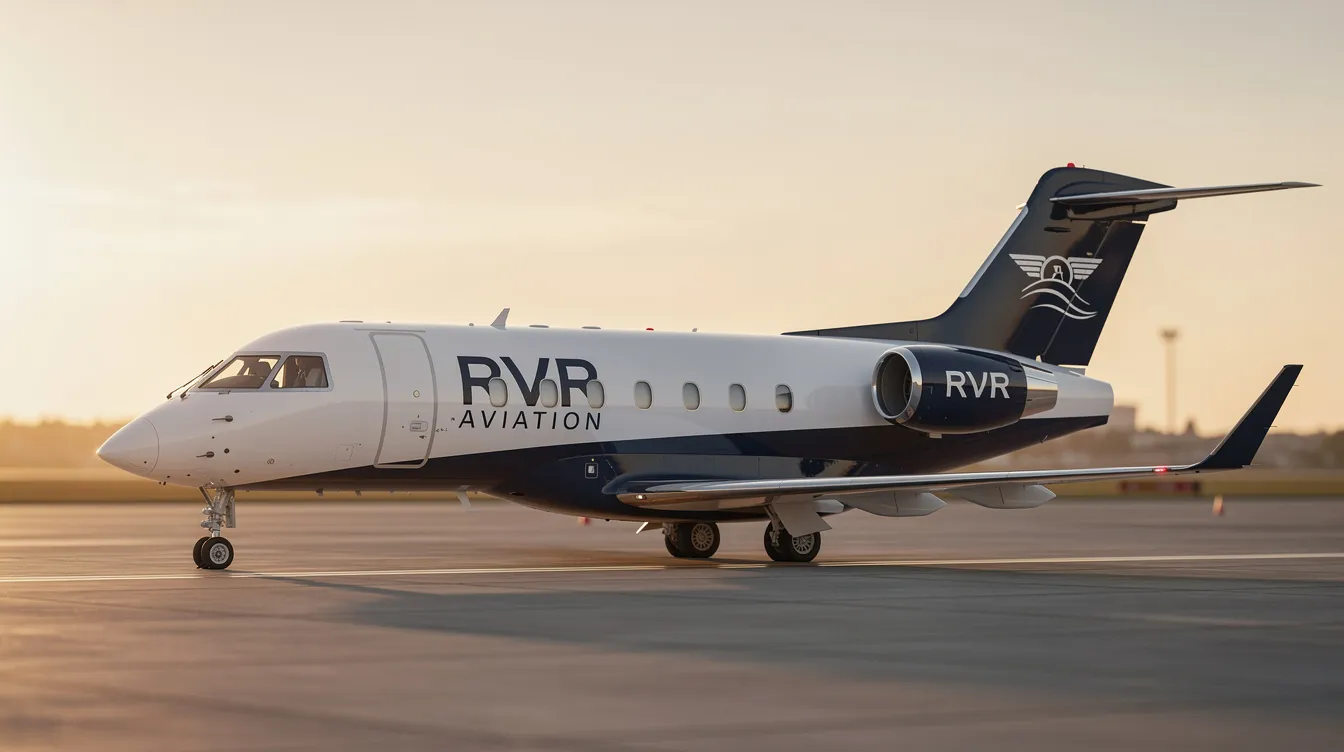
Runway Visual Range (RVR) is essential for safe private jet operations, especially in low-visibility conditions. This guide explains how RVR is measured, its significance for flight decisions, and how platforms like Jettly utilize RVR data for efficient charter services.
Jay Franco Serevilla
Aug 12, 2026
|
5
min read
Explore our latest articles and updates.

5
min read
Cockpit of Cessna 172: Instruments, Layout, and How Everything Works
The Cessna 172 cockpit is a training-focused flight deck featuring a classic six-pack of primary flight instruments and essential controls. Its logical layout aids student pilots and aviation enthusiasts in mastering fundamental flying skills that transfer to more complex aircraft. Understanding this cockpit enhances situational awareness and prepares pilots for future flying experiences.
Read More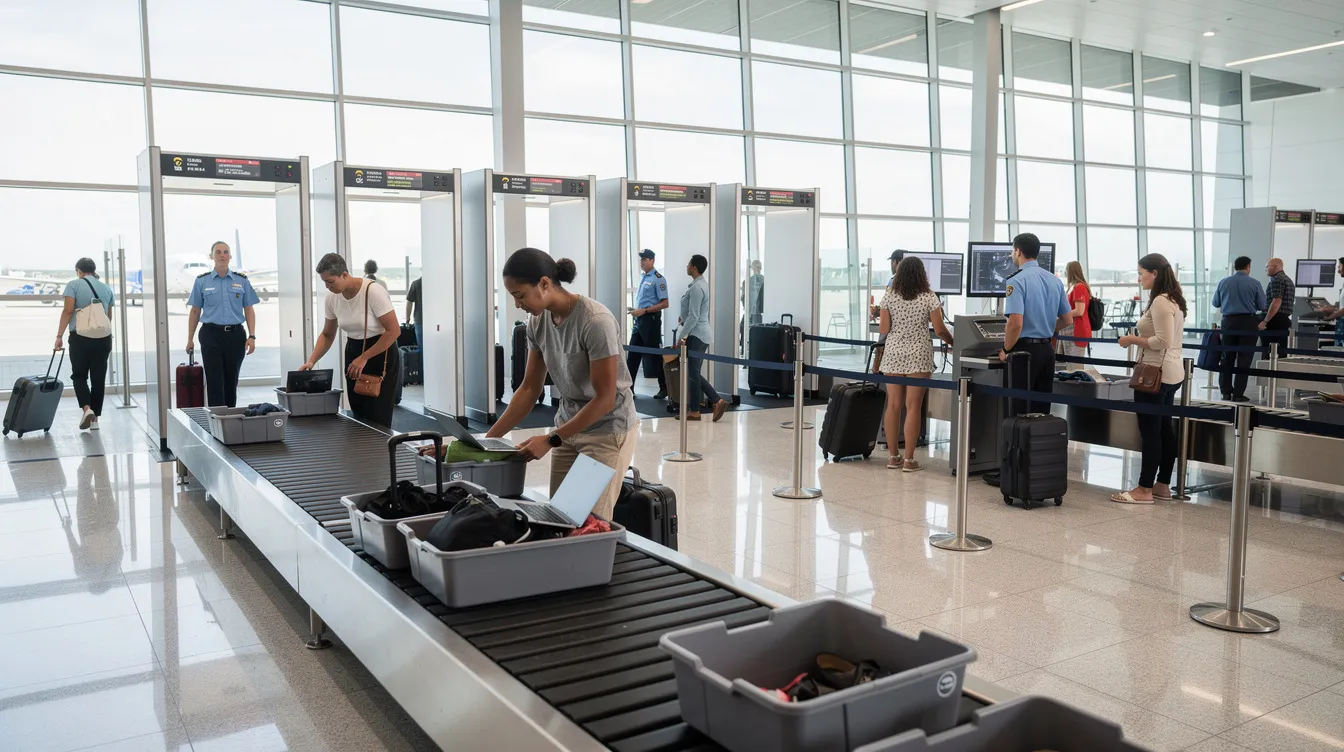
5
min read
Does TSA Do Background Checks on Passengers? (And What It Means for Your Trip)
The TSA does not conduct full background checks on standard passengers at airport security. Instead, it verifies identities against federal watchlists and performs physical screenings. Comprehensive background checks are reserved for trusted traveler programs and aviation personnel, ensuring safety while allowing most travelers to board without issues related to their criminal history.
Read MoreJoin our community and receive the latest blog updates directly in your inbox.
MEMBERSHIPS AND ASSOCIATIONS



Disclaimer: Jettly operates as a charter broker, offering access to a global digital jet charter marketplace. Jettly is not a direct air carrier and does not own or operate aircraft. All advertised flights are conducted by third-party air carriers that are fully licensed and hold the appropriate Part 135 or Part 121 certifications issued by the Federal Aviation Administration (FAA) or equivalent regulatory authorities under U.S. or foreign law. Jettly complies fully with the U.S. Department of Transportation's Part 295 and Part 298 Charter Broker regulations. Jettly does not carry additional liability insurance. Passengers are covered by aircraft operator insurance. TICO: 50023770


