



Login
Get Instant Pricing On 23,000+ Aircraft

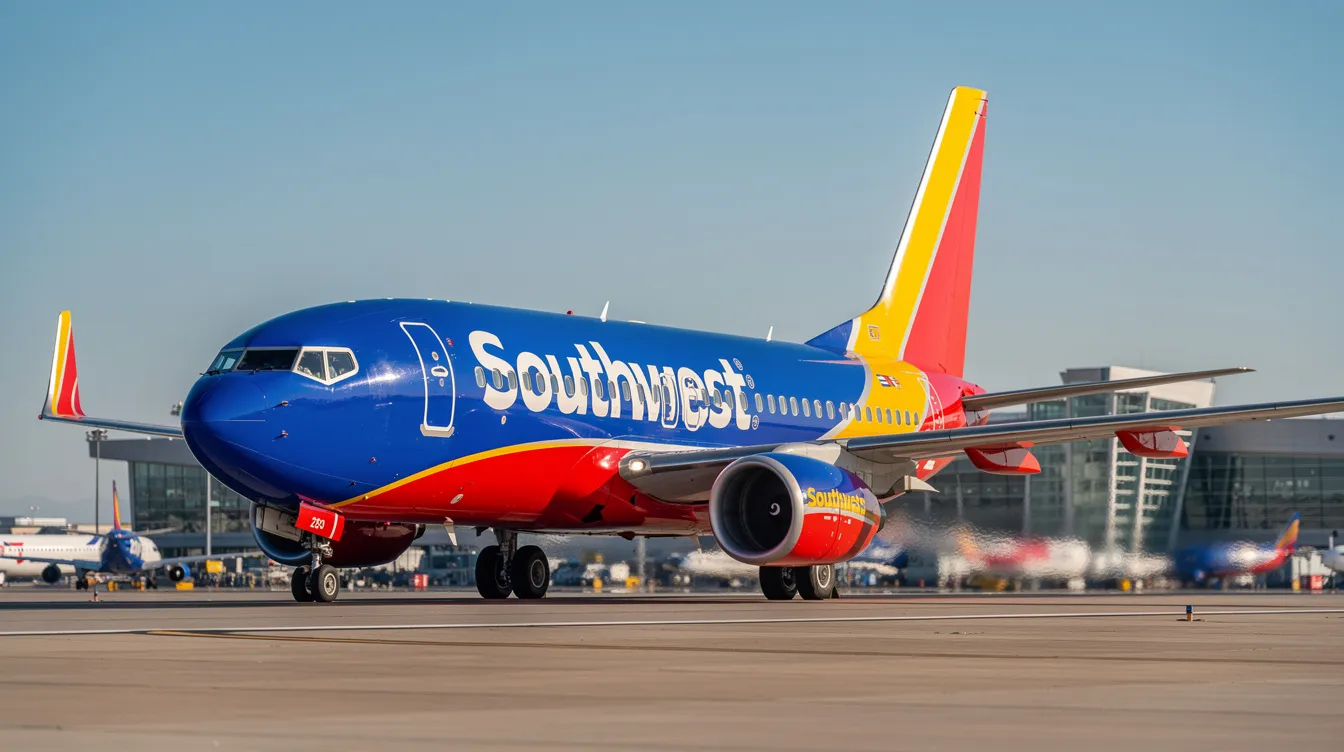
This guide explores the evolving landscape of Southwest Airlines reservations, detailing booking options, fare types, and policies. It also compares these with private jet travel alternatives, highlighting when chartering a jet might be the better choice. Whether you're a frequent flyer or new to private jets, this resource equips you with essential insights for your next trip.
Jay Franco Serevilla
Oct 19, 2026
|
5
min read



View all
Understanding the types of jet fuel is crucial for private jet travelers. Kerosene-based fuels like Jet A and Jet A-1 are the industry standards, impacting safety, performance, and costs. Specialized fuels cater to extreme conditions, while sustainable aviation fuels are emerging as a greener alternative.
Jay Franco Serevilla
Oct 13, 2026
|
5
min read
View all
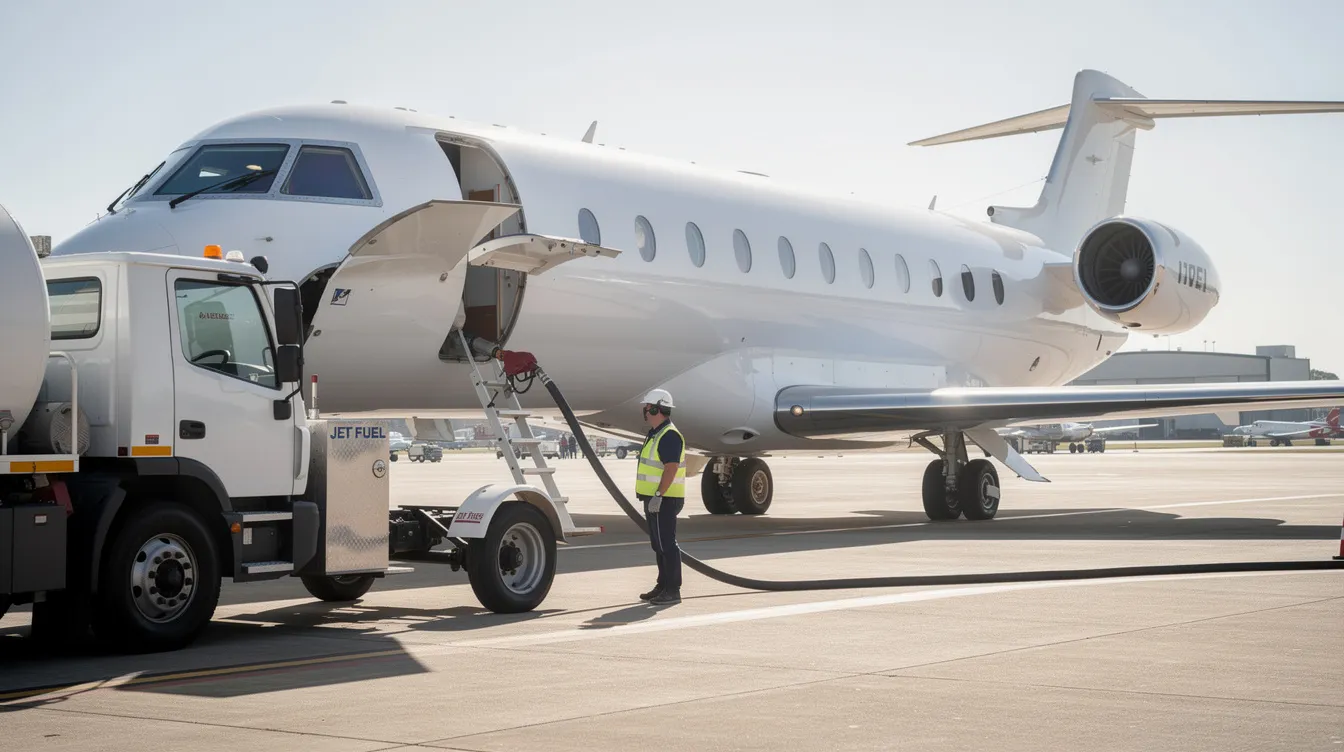
Aviation fueling is a critical process for private jets, ensuring safety and efficiency through stringent regulations and quality checks. This guide explores the types of aviation fuels, the fueling process, and the importance of proper fuel management for charter flights. Understanding these elements is essential for travelers to appreciate how they impact flight safety, range, and costs.
Jay Franco Serevilla
Oct 13, 2026
|
5
min read

View all
Knowing when to book international flights can save you significant money. Generally, aim to book 3 to 6 months in advance for economy fares, and 6 to 9 months for peak seasons. Understanding the best booking windows and seasonal trends is crucial for securing the best deals.
Jay Franco Serevilla
Oct 13, 2026
|
5
min read

View all
Helicopters primarily use two types of fuel: aviation gasoline (AvGas) for piston engines and kerosene-based jet fuel for turbine engines. Understanding the fuel type is crucial as it affects operating costs, range, and availability at heliports, which are important factors for private flyers. With the rise of sustainable aviation fuels, the industry is also moving towards greener options without compromising performance.
Jay Franco Serevilla
Oct 13, 2026
|
5
min read
View all
The belief that airline tickets are cheaper on Tuesdays is largely a myth in 2026, as prices are now set dynamically based on various factors. Booking windows, travel days, and demand patterns play a more significant role in determining airfare than the specific day of the week. Travelers should focus on flexible booking strategies and timing rather than chasing specific days for the best deals.
Jay Franco Serevilla
Oct 13, 2026
|
5
min read

View all
Understanding fuel management in the Cessna 172 is crucial for safe flying. This guide covers fuel capacity, consumption, and best practices for effective fuel planning, essential for both student pilots and experienced aviators. Proper fuel management habits learned in the 172 apply directly to larger aircraft operations.
Jay Franco Serevilla
Oct 13, 2026
|
5
min read
Explore our latest articles and updates.

5
min read
Personal Aircraft With No License: How to Fly Ultralights Under Part 103
Under FAA Part 103, you can fly an ultralight personal aircraft without a license, medical exam, or registration, provided it meets specific criteria. These lightweight vehicles are limited to a maximum weight of 254 pounds, a fuel capacity of 5 gallons, and a top speed of 55 knots, making them ideal for recreational flying in uncontrolled airspace. While no formal training is required, it is highly recommended for safety.
Read More
5
min read
Plane Crash Cause of Death: What Really Happens in an Aircraft Accident
The leading cause of death in plane crashes is blunt force trauma from rapid deceleration upon impact, rather than the dramatic scenarios often portrayed in media. Post-crash fires and smoke inhalation also contribute to fatalities. Understanding these causes helps clarify aviation safety and the importance of proper operator standards for private jet travelers.
Read MoreJoin our community and receive the latest blog updates directly in your inbox.
MEMBERSHIPS AND ASSOCIATIONS



© 2026 Jettly Inc. All rights reserved.
Disclaimer: Jettly operates as a charter broker, offering access to a global digital jet charter marketplace. Jettly is not a direct air carrier and does not own or operate aircraft. All advertised flights are conducted by third-party air carriers that are fully licensed and hold the appropriate Part 135 or Part 121 certifications issued by the Federal Aviation Administration (FAA) or equivalent regulatory authorities under U.S. or foreign law. Jettly complies fully with the U.S. Department of Transportation's Part 295 and Part 298 Charter Broker regulations. Jettly does not carry additional liability insurance. Passengers are covered by aircraft operator insurance. TICO: 50023770


