


Login
Get Instant Pricing On 23,000+ Aircraft


Private jet rental costs in 2026 range from $2,000 to over $14,000 per hour, influenced by aircraft type, flight distance, and additional fees. This comprehensive guide details pricing structures, factors affecting costs, and strategies for saving on private jet charters, ensuring travelers can budget accurately and avoid surprises.
Jay Franco Serevilla
Aug 5, 2026
|
5
min read


View all
Fractional jet ownership provides a flexible and cost-effective solution for those seeking the convenience of private aviation. By evaluating travel needs and financial considerations, you can find a program that suits your lifestyle, with Jettly standing out for its commitment to service excellence and flexible terms. Thorough research and due diligence are essential before making a decision. Partnering with a trusted provider like Jettly ensures comfort, convenience, and value in your private aviation experience.
Justin Crabbe
May 6, 2025
|
5 minutes
min read
View all
A recent Jettly survey reveals that trust in commercial pilots has declined, partly due to incidents like the Alaska Airlines event, with Delta, American, and United emerging as the most trusted airlines. Factors reducing trust include visible fatigue, late arrivals, and poor communication. While Gen Z shows a higher trust in private pilots, cost remains the biggest barrier to private flying, alongside concerns about accessibility and environmental impact. Justin Crabbe, CEO of Jettly, emphasizes that expanding networks, improved booking platforms, and new options like jet cards and fractional ownership are making private aviation more accessible and eco-conscious.
Justin Crabbe
May 6, 2025
|
5 minutes
min read
View all
Private jet charters offer affordability, flexibility, and convenience compared to fractional jet ownership. Charters are cost-effective for one-time trips without the high expenses of fractional ownership. They also provide more control over travel plans, including choice of airports and aircraft, whereas fractional ownership may involve limitations and advance booking requirements. Lastly, private jet charters handle all travel arrangements, enhancing overall convenience.
Justin Crabbe
May 6, 2025
|
5 minutes
min read
View all
Fractional jet ownership allows multiple owners to share the costs of private jet travel, making it a cost-effective alternative to full ownership. Benefits include guaranteed flight hours, personalized service, and increased flexibility, though drawbacks such as limited aircraft choice and high ongoing expenses exist. Potential owners should evaluate their travel needs and financial priorities before committing. Comparing fractional ownership to alternatives like jet chartering or full ownership can help determine the best option for individual circumstances.
Justin Crabbe
May 6, 2025
|
5 minutes
min read
.avif)
View all
Private jet charters offer unmatched flexibility, comfort, and convenience compared to commercial flights, with key considerations like aircraft availability, pricing, and safety standards influencing your choice. Jettly’s membership model provides access to over 23,000 aircraft, with transparent pricing, guaranteed aircraft access, and 24/7 concierge support. Additional perks include private terminal access, international travel capabilities, and customizable onboard amenities. With no hidden fees, Jettly ensures a luxurious and hassle-free private aviation experience.
Justin Crabbe
May 6, 2025
|
5 minutes
min read
View all
This blog outlines the key differences between jet cards and fractional ownership for private jet access. Jet cards provide flexibility, short-term commitment, and predictable costs, while fractional ownership offers a longer-term investment with guaranteed access to specific aircraft types. The right choice depends on evaluating factors such as flight frequency, commitment level, and financial goals. Consulting private aviation experts can help you determine the best option for your travel needs.
Justin Crabbe
May 6, 2025
|
5 minutes
min read
Explore our latest articles and updates.

5
min read
What Airline Has the Most Crashes 2026 (And What That Really Means for Air Travel Safety)
In 2026, no major airline has been identified as having the most crashes, with serious incidents primarily involving smaller operators. Despite 61 reported crashes resulting in 397 fatalities, commercial flying remains one of the safest modes of transportation due to stringent regulations and advanced safety technologies. Understanding aviation safety statistics is crucial for travelers to make informed decisions about their air travel options.
Read More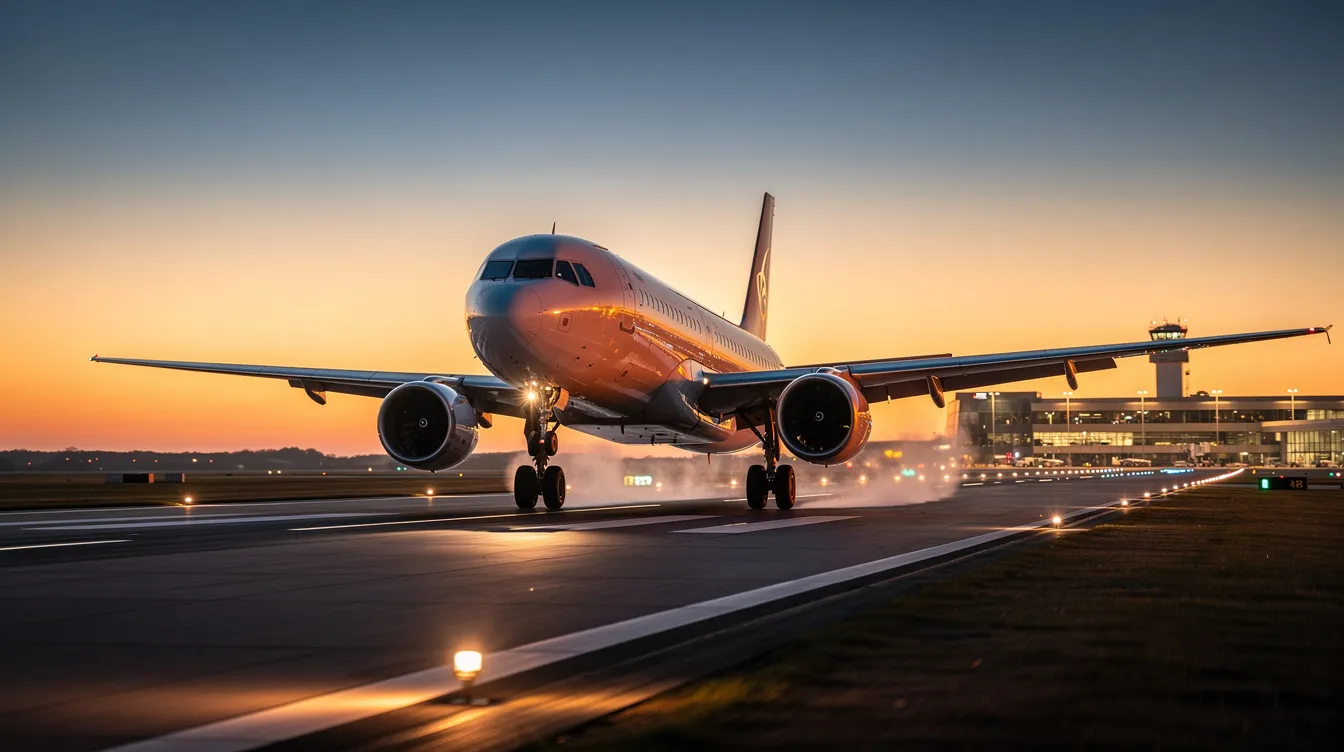
5
min read
Survival Rate of Plane Crashes: What the Data Really Shows
The survival rate of plane crashes is significantly higher than commonly believed, with around 90% of accidents being survivable. Factors such as seat location, crew training, and aircraft design play crucial roles in enhancing safety. By choosing regulated operators like Jettly, travelers can further ensure high safety standards in private aviation.
Read MoreJoin our community and receive the latest blog updates directly in your inbox.
MEMBERSHIPS AND ASSOCIATIONS



Disclaimer: Jettly operates as a charter broker, offering access to a global digital jet charter marketplace. Jettly is not a direct air carrier and does not own or operate aircraft. All advertised flights are conducted by third-party air carriers that are fully licensed and hold the appropriate Part 135 or Part 121 certifications issued by the Federal Aviation Administration (FAA) or equivalent regulatory authorities under U.S. or foreign law. Jettly complies fully with the U.S. Department of Transportation's Part 295 and Part 298 Charter Broker regulations. Jettly does not carry additional liability insurance. Passengers are covered by aircraft operator insurance. TICO: 50023770


