



Login
Get Instant Pricing On 23,000+ Aircraft

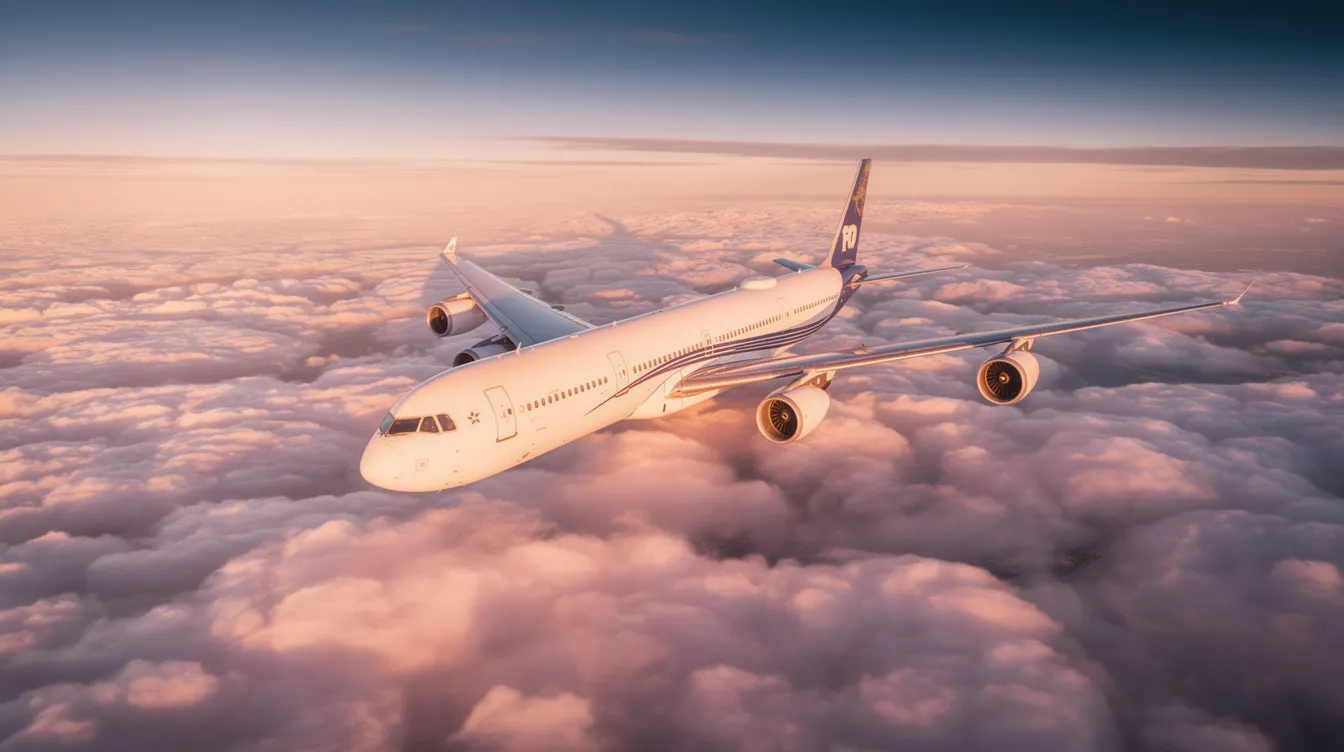
In 2026, flight prices are expected to remain high due to factors like fuel costs and limited aircraft capacity. However, travelers can still find affordable options by booking strategically and being flexible with their travel dates. This guide offers insights for both commercial and private travelers on how to navigate pricing trends and secure better deals.
Jay Franco Serevilla
Jul 29, 2026
|
5
min read


View all
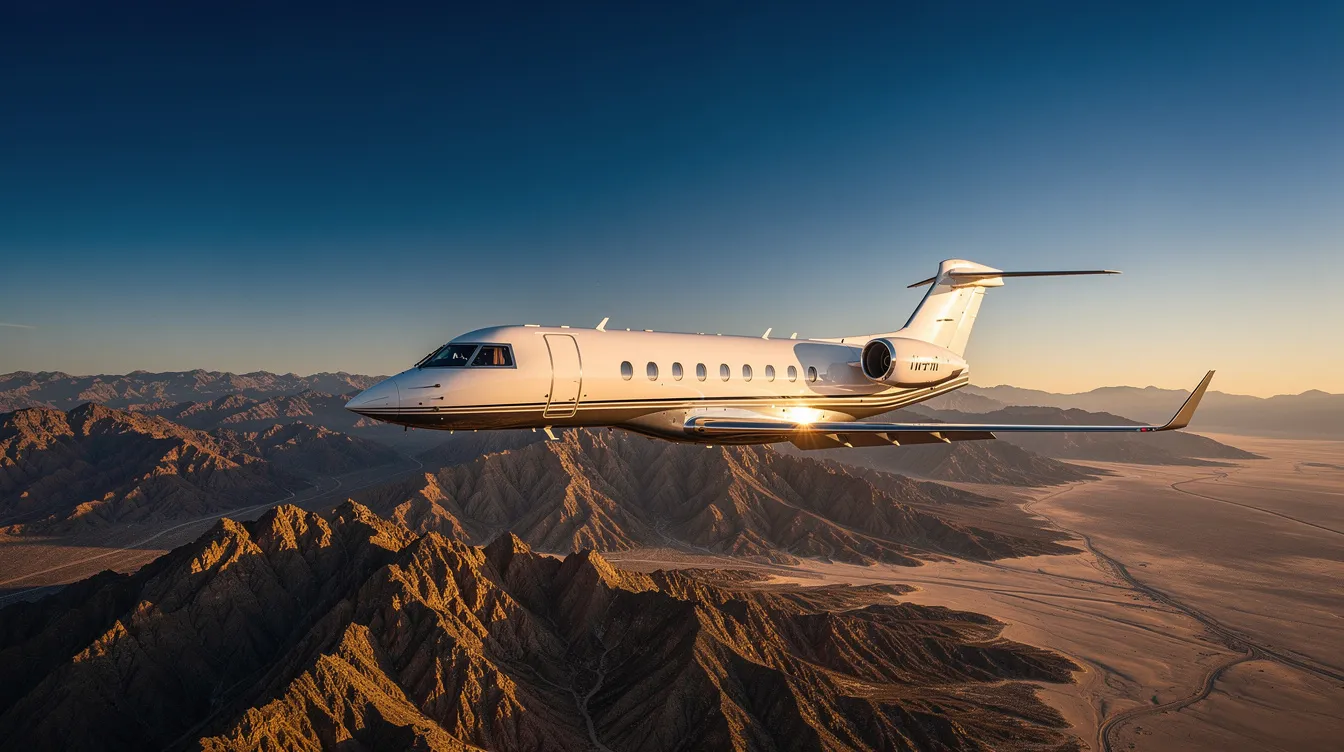
Chartering a private jet from San Jose to Las Vegas is a popular choice for both business and leisure travelers, offering significant time savings and flexibility. With flight times around 1 to 1.25 hours and costs starting at approximately $5,000, this route connects Silicon Valley with the entertainment capital efficiently. Jettly provides instant pricing and a wide range of aircraft options, making the booking process seamless.
Jay Franco Serevilla
Oct 11, 2026
|
5
min read
View all
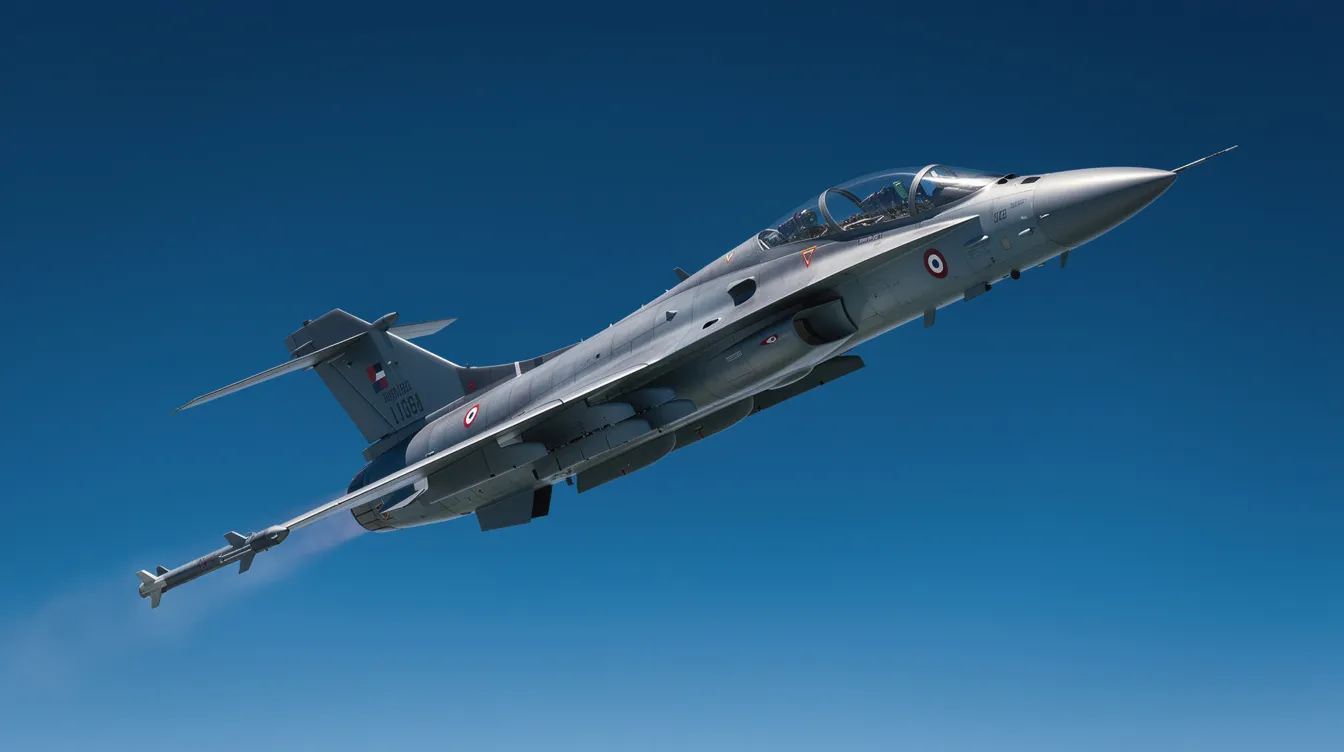
Discover the true costs of a fighter jet ride-along, ranging from $400 for aerobatic flights to over $35,000 for supersonic experiences. This guide helps you understand pricing factors, including aircraft type, flight duration, and location, ensuring you get the best value for your thrilling adventure. Whether you're an aviation enthusiast or looking for a unique gift, this information is essential for planning your unforgettable flight.
Jay Franco Serevilla
Oct 11, 2026
|
5
min read
View all
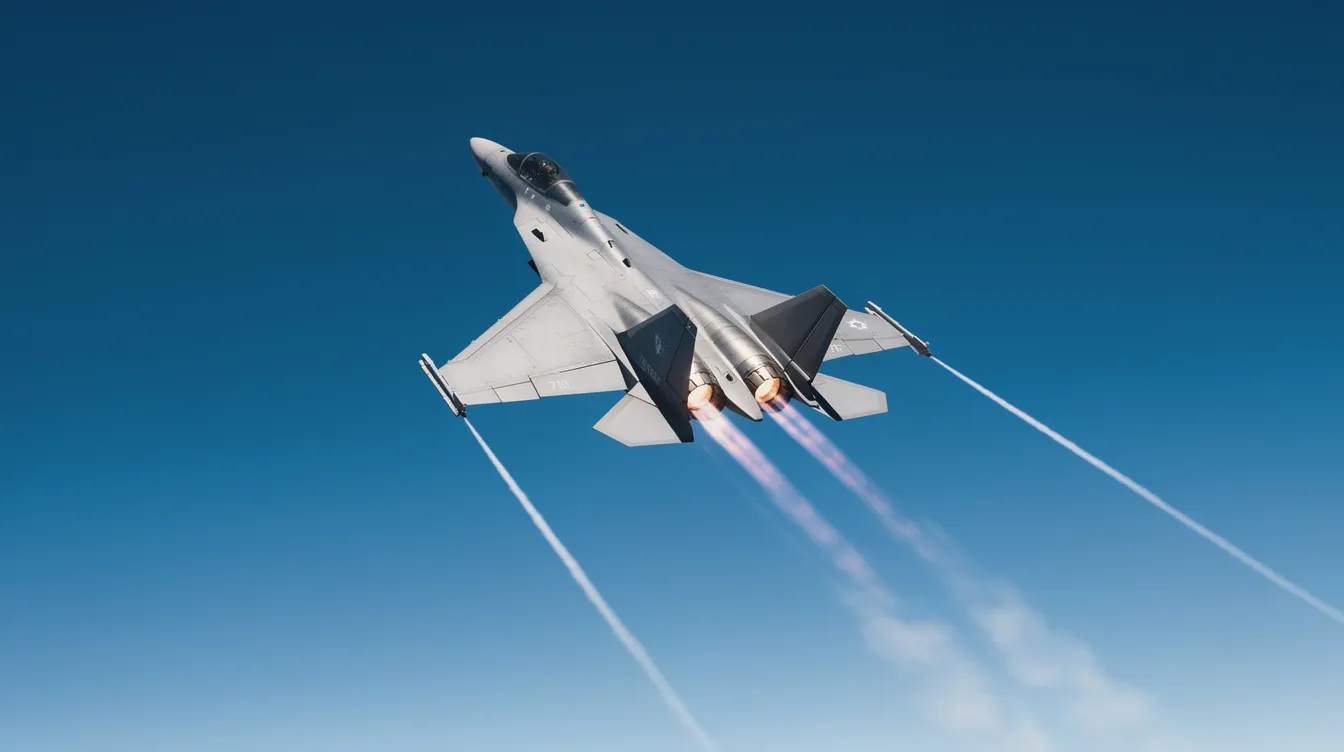
Modern jet fighter aircraft have revolutionized air combat with advancements in stealth, sensors, and technology. These innovations not only enhance military capabilities but also significantly influence the design and safety of private jets, offering travelers a superior flying experience. This article explores the connection between military aviation technology and its impact on private aviation.
Jay Franco Serevilla
Oct 11, 2026
|
5
min read
View all
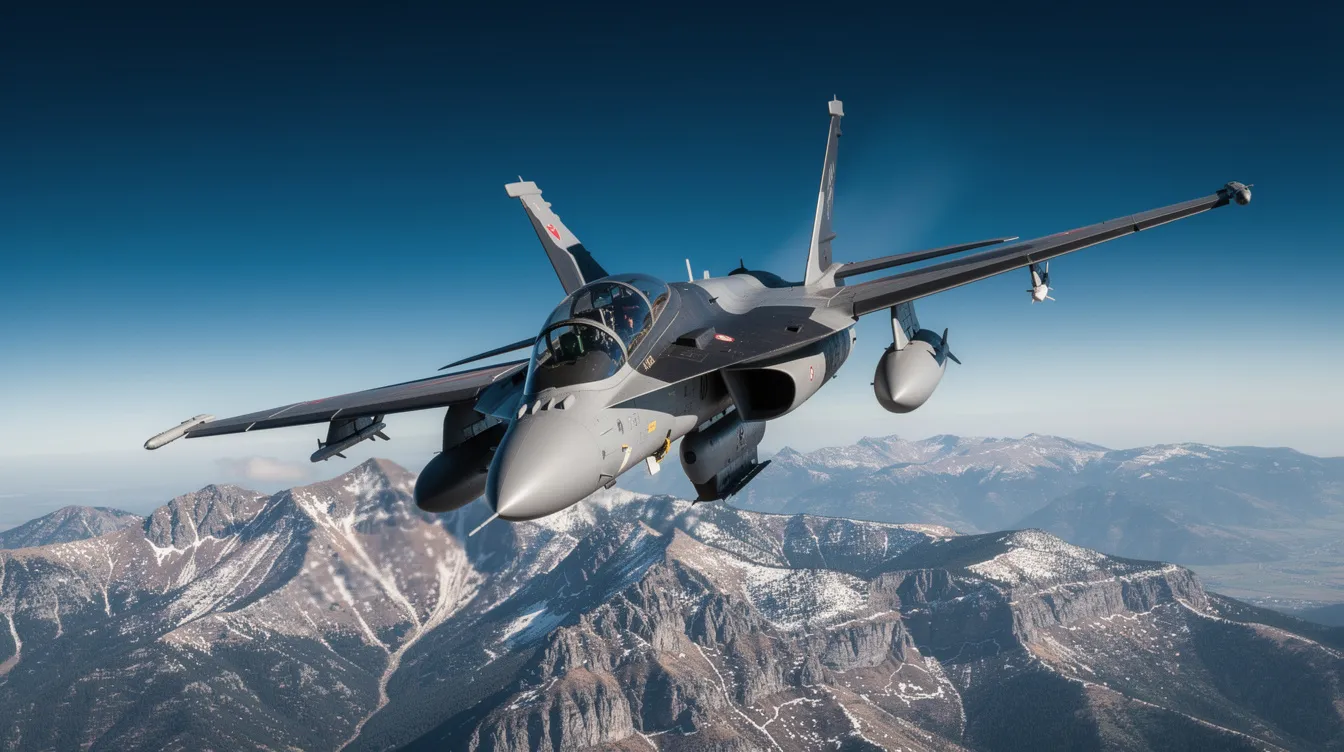
Getting a ride in a fighter jet is an exhilarating experience available to civilians worldwide. This guide outlines how to book a flight, what to expect during the ride, and the various options available, from aerobatic flights to air combat simulations. With no prior aviation experience required, anyone can enjoy the thrill of flying in a retired military jet under the guidance of certified pilots.
Jay Franco Serevilla
Oct 11, 2026
|
5
min read
View all
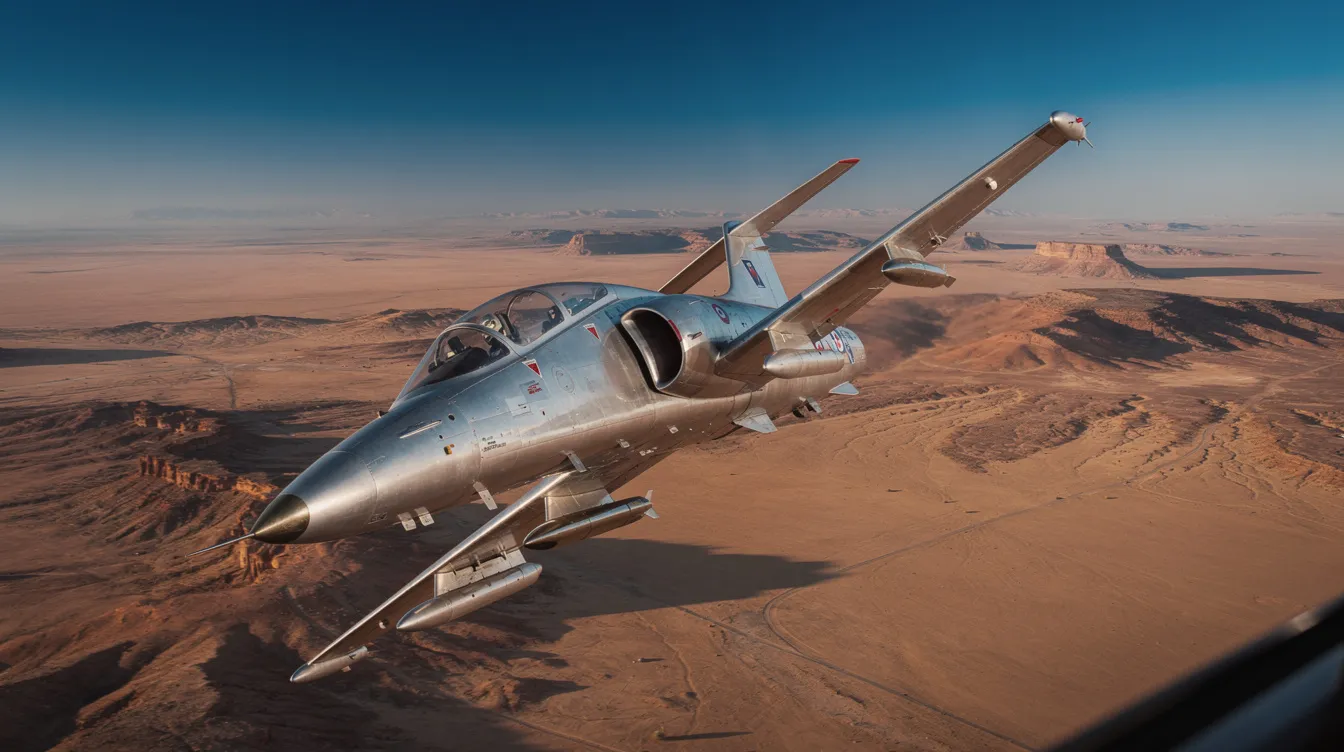
Flying a fighter jet is a thrilling experience that can range from $2,500 for a brief trainer ride to over $35,000 for a supersonic mission. This guide details the costs, aircraft types, and factors influencing pricing, helping aviation enthusiasts plan their dream flight. Whether you're seeking a short orientation or an adrenaline-pumping aerobatic mission, understanding these costs is essential for budgeting your adventure.
Jay Franco Serevilla
Oct 11, 2026
|
5
min read

View all
Military jets play crucial roles in modern aviation, ranging from fighter jets to bombers and trainers, each designed for specific missions. The evolution from early subsonic designs to advanced fifth-generation fighters showcases significant technological advancements that have transformed air combat. Innovations in military aviation also benefit civilian and business aviation, enhancing safety and performance.
Jay Franco Serevilla
Oct 11, 2026
|
5
min read
Explore our latest articles and updates.

5
min read
Ride a Helicopter in New York: How to Choose and Book the Best NYC Helicopter Tour
A helicopter ride in New York offers breathtaking views of iconic landmarks like the Statue of Liberty and Central Park. Tours typically last between 12 to 30 minutes and can be booked as shared sightseeing flights or private charters. Jettly provides a platform for arranging customizable helicopter experiences, making it easy to explore the city from above.
Read More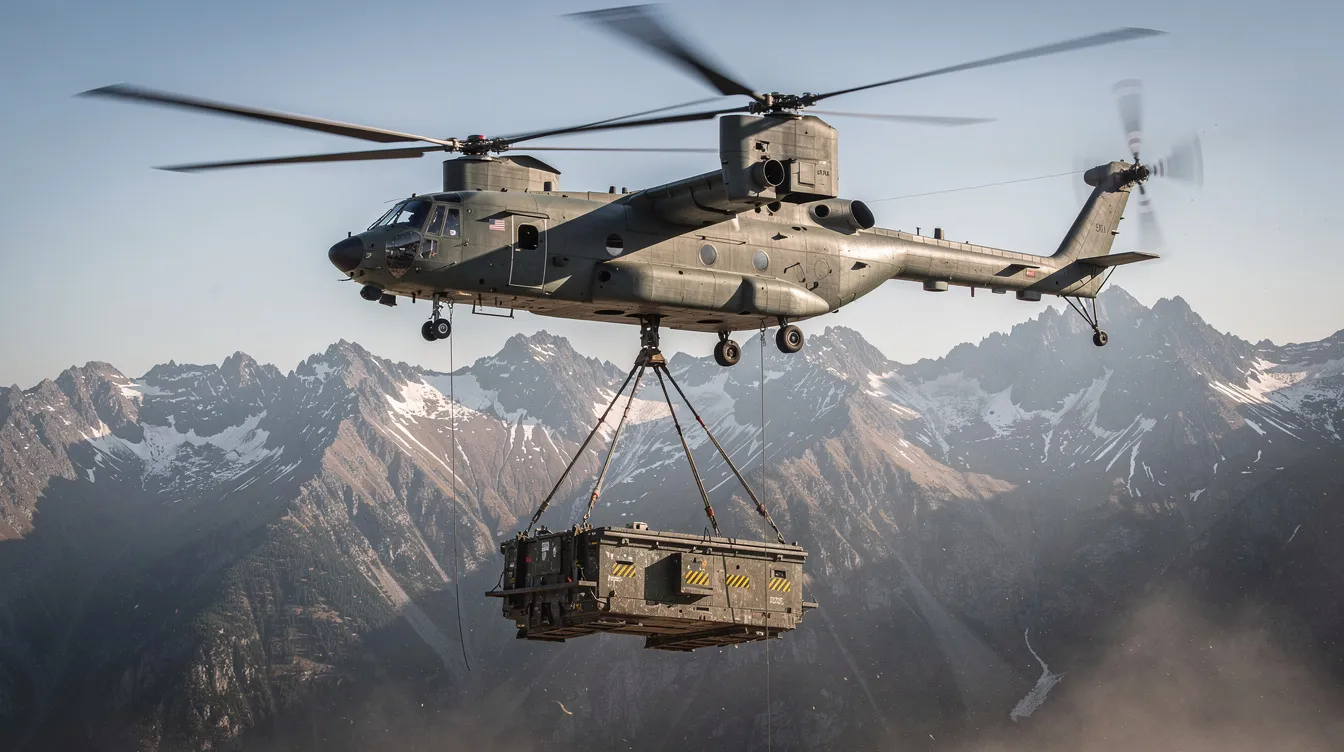
5
min read
Chinook Helicopter Guide: CH-47D, CH-47F, Uses, Performance, and Charter Access
The CH-47 Chinook helicopter, developed by Boeing Vertol, is a versatile heavy-lift aircraft known for its twin-engine, tandem rotor design. With variants like the CH-47D and CH-47F, it plays a crucial role in military operations, disaster relief, and commercial heavy-lift tasks. Organizations often utilize charter services like Jettly to access Chinook capabilities without the burdens of ownership.
Read MoreJoin our community and receive the latest blog updates directly in your inbox.
MEMBERSHIPS AND ASSOCIATIONS



Disclaimer: Jettly operates as a charter broker, offering access to a global digital jet charter marketplace. Jettly is not a direct air carrier and does not own or operate aircraft. All advertised flights are conducted by third-party air carriers that are fully licensed and hold the appropriate Part 135 or Part 121 certifications issued by the Federal Aviation Administration (FAA) or equivalent regulatory authorities under U.S. or foreign law. Jettly complies fully with the U.S. Department of Transportation's Part 295 and Part 298 Charter Broker regulations. Jettly does not carry additional liability insurance. Passengers are covered by aircraft operator insurance. TICO: 50023770


