


Login
Get Instant Pricing On 23,000+ Aircraft


Single-engine planes typically cruise between 110 and 180 knots, with high-performance models exceeding 200 knots. Factors like aircraft type, altitude, and weight significantly influence actual speeds. Understanding cruise speed is crucial for effective trip planning and can often rival commercial airliners in total travel time.
Jay Franco Serevilla
Sep 7, 2026
|
5
min read


View all
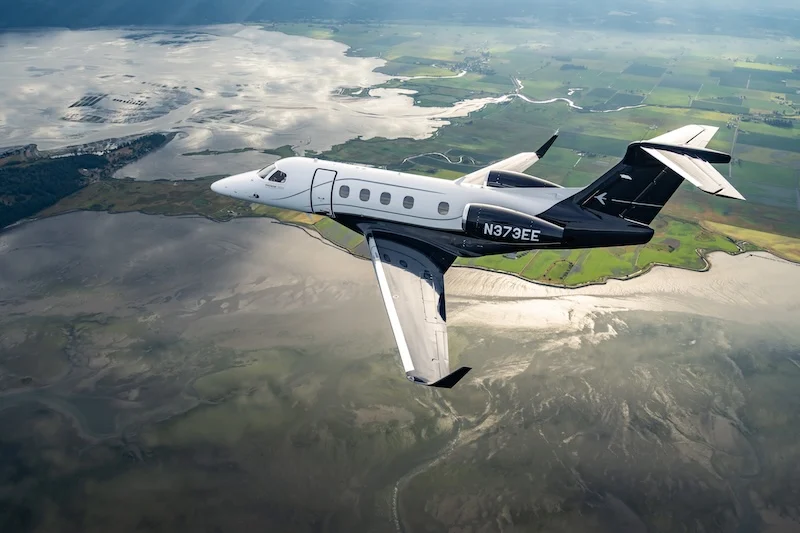
Jet cards provide private jet access without aircraft ownership. Unlike full ownership, where you purchase and manage an aircraft, or fractional ownership, where you own a share, a jet card is a service that provides access to private aircraft—often with fixed hourly rates, guaranteed availability, and other benefits. In simple terms: jet card = access, fractional = partial ownership, full ownership = complete ownership. Jet cards are ideal for travelers who want the convenience and predictability of private aviation without the acquisition costs, management responsibilities, maintenance, crew, and depreciation associated with owning an aircraft.
Jay Franco Serevilla
Aug 18, 2026
|
5
min read

View all
ONEflight International and Jettly are revolutionizing private aviation with their digital platforms that simplify the booking process for travelers. By connecting users to extensive aircraft networks, they offer flexible options for corporate executives and leisure travelers alike. The upcoming ONEflight Myrtle Beach Classic highlights the synergy between private aviation and high-profile events, showcasing how these companies cater to affluent clients seeking convenience and luxury.
Jay Franco Serevilla
Aug 16, 2026
|
5
min read

View all
ValueJet has established itself in Nigerian aviation since late 2022, offering scheduled flights across West and Central Africa. While it provides accessible regional travel, private charter services like Jettly offer greater flexibility for complex itineraries and underserved routes. This article explores the offerings of ValueJet and how private charters can complement scheduled flights.
Jay Franco Serevilla
Aug 16, 2026
|
5
min read

View all
The P4-CLA is a Boeing 767-200 VIP aircraft designed for private charters, accommodating 51 to 63 passengers in luxurious comfort. Operated by Comlux Aruba and available through Jettly, it offers long-range capabilities and a customized cabin ideal for corporate and government travel. This guide details its specifications, booking process, and why it's the perfect choice for large groups seeking privacy and space.
Jay Franco Serevilla
Aug 16, 2026
|
5
min read

View all
OPI My Private Jet is a cult-favorite nail polish that embodies luxury travel with its deep charcoal-brown base and holographic shimmer. Perfect for frequent flyers, this shade complements private jet interiors and offers options in both classic lacquer and gel formulas for long-lasting wear. Discover how to achieve a flawless manicure and plan your beauty routine around private jet travel with Jettly.
Jay Franco Serevilla
Aug 16, 2026
|
5
min read
View all
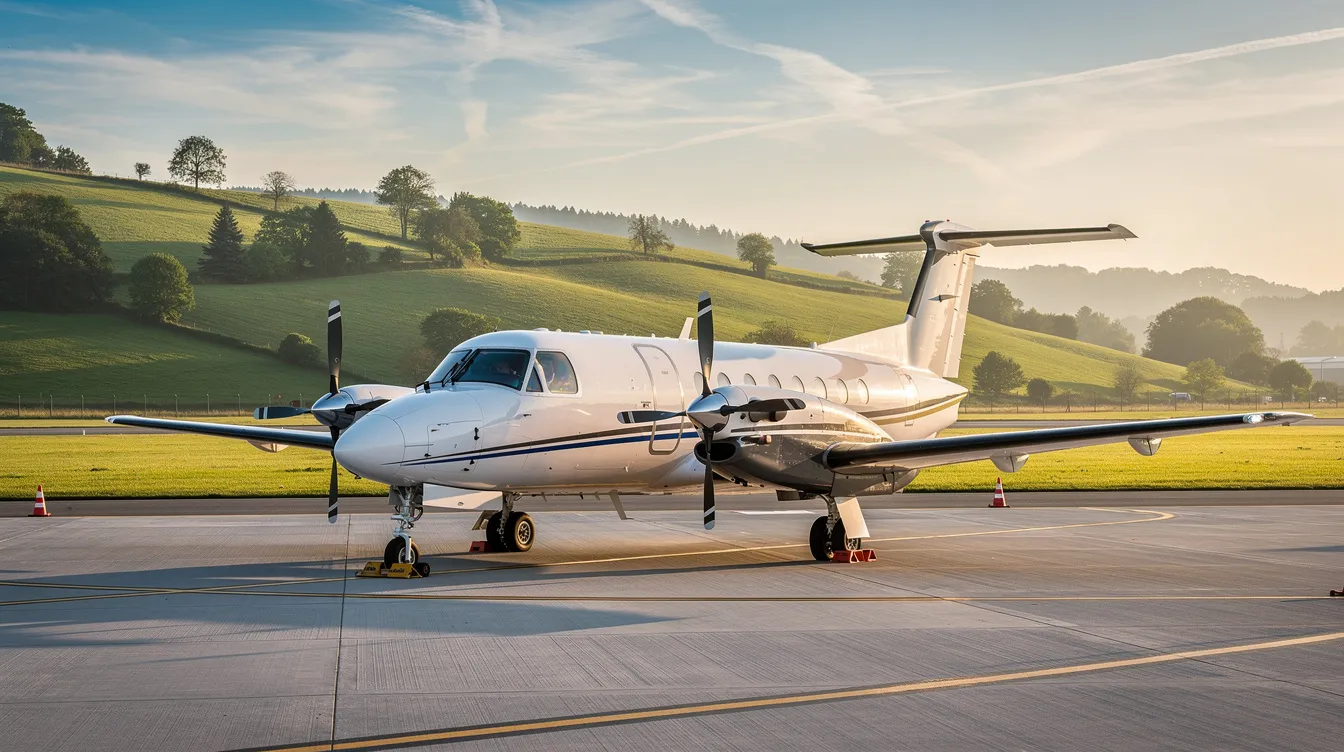
Custer County Airport (CUT / KCUT) is a public airport in South Dakota, serving as a low-congestion gateway to the Black Hills and nearby attractions. With a 5,500-foot runway and 24-hour fuel service, it caters to private flyers and charter travelers, offering a convenient alternative to commercial airports. Jettly simplifies the booking process for private flights, ensuring a seamless travel experience.
Jay Franco Serevilla
Aug 15, 2026
|
5
min read
Explore our latest articles and updates.

5
min read
Best Private Airplanes in 2026: From Personal Aircraft to Long‑Range Private Jets
In 2026, the best private airplanes cater to diverse travel needs, from personal aircraft to ultra-long-range jets. Key models like the Cirrus SR22T and Gulfstream G700 excel in their categories, offering flexibility and comfort for various missions. This guide helps travelers choose the right aircraft based on trip distance, passenger count, and budget, while highlighting Jettly's on-demand charter platform for seamless booking.
Read More
5
min read
Private Plane Rates: What It Really Costs to Charter a Jet in 2026
Chartering a private jet in 2026 is more accessible than ever, but understanding the costs involved is crucial. This guide breaks down the various pricing components, from hourly rates to hidden fees, helping travelers make informed decisions. Whether you're flying for business or leisure, knowing the real costs can save you thousands.
Read MoreJoin our community and receive the latest blog updates directly in your inbox.
MEMBERSHIPS AND ASSOCIATIONS



Disclaimer: Jettly operates as a charter broker, offering access to a global digital jet charter marketplace. Jettly is not a direct air carrier and does not own or operate aircraft. All advertised flights are conducted by third-party air carriers that are fully licensed and hold the appropriate Part 135 or Part 121 certifications issued by the Federal Aviation Administration (FAA) or equivalent regulatory authorities under U.S. or foreign law. Jettly complies fully with the U.S. Department of Transportation's Part 295 and Part 298 Charter Broker regulations. Jettly does not carry additional liability insurance. Passengers are covered by aircraft operator insurance. TICO: 50023770


