


Login
Get Instant Pricing On 23,000+ Aircraft

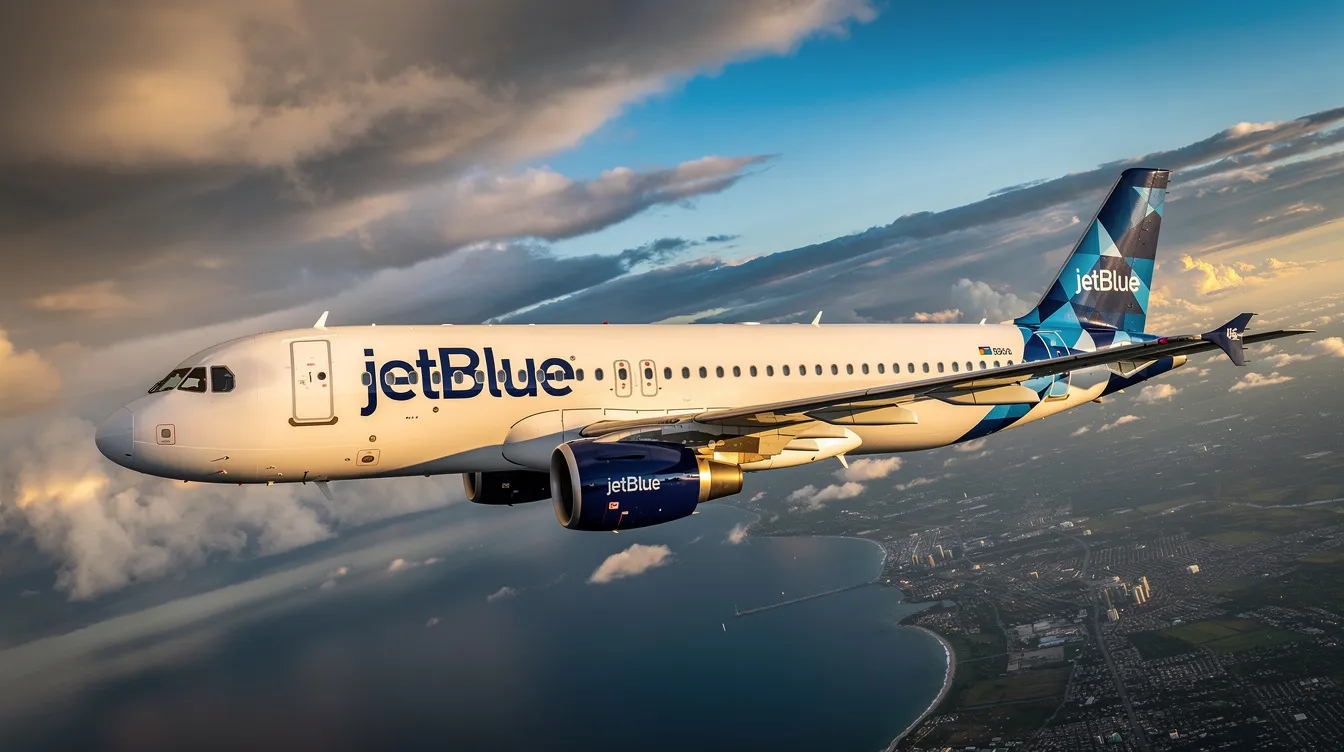
This article provides developers and travel planners with essential insights into accessing JetBlue's aviation data, including flight schedules and real-time status. It highlights the importance of integrating JetBlue's API with private charter services like Jettly to enhance travel solutions and optimize trip planning. Understanding these options allows for seamless passenger experiences and operational advantages.
Jay Franco Serevilla
Sep 13, 2026
|
5
min read


View all
Jettly offers an affordable and flexible private aviation solution, providing exceptional convenience and value. The company ensures cost savings without compromising on safety or quality, providing unparalleled flexibility for diverse travel needs. With rigorous safety standards and highly qualified pilots, Jettly guarantees seamless, luxurious travel experiences. Experience the future of luxury air travel with Jettly, where personalized service and attention to detail meet unmatched customer satisfaction.
Justin Crabbe
May 6, 2025
|
5 minutes
min read

View all
With nearly 24,000 private aircraft available globally, a private jet lease from Jettly offers unmatched luxury, convenience, and flexibility without the burdens of ownership. Jettly’s expansive fleet and seamless booking process cater to your every need, providing customizable service, premium amenities, and exclusive access to aircraft tailored to your travel style. Whether it’s a quick business trip or a lavish getaway, Jettly ensures privacy, comfort, and efficiency, redefining the private aviation experience. Contact Jettly today to elevate your travel plans.
Justin Crabbe
May 6, 2025
|
5 minutes
min read
View all
Fueling a private jet is a complex and costly process, with Jet-A fuel in 2024 averaging $6.20 per gallon in the U.S., and prices often reaching $8.00 in high-demand areas. Factors influencing these costs include the type of jet fuel, regional fuel logistics, geopolitics, and airport-specific fees. Travelers can manage these expenses by choosing efficient aircraft, planning refueling stops at cost-effective airports, and using tools like Jettly’s app for real-time fuel price comparisons. With careful planning, private jet fuel costs can become manageable for frequent flyers and corporate travelers.
Justin Crabbe
May 6, 2025
|
5 minutes
min read
View all
Jettly sets a new benchmark in private jet membership with its concierge-style customer service and transparent pricing model. Unlike Wheels Up, Jettly offers a simple monthly fee with no hidden costs, providing exceptional value. Members gain access to over 23,000 aircraft worldwide, ensuring flexibility and choice. For those prioritizing service, value, and selection, Jettly emerges as the superior choice.
Justin Crabbe
May 6, 2025
|
5 minutes
min read
View all
On-demand private flights offer a cost-effective and flexible alternative to fractional jet ownership, allowing you to pay only for the flight hours you use. Ideal for individuals who need between 50 and 500 flight hours per year, this service eliminates upfront costs and long-term commitments. While planning and flexibility can be more challenging, a reliable broker can ensure dependable alternatives. Trust Jettly to simplify your transition and enhance your private flying experience.
Justin Crabbe
May 6, 2025
|
5 minutes
min read
Explore our latest articles and updates.
5
min read
Can You Take Cigarettes on an Airplane? (Commercial & Private Jet Rules)
Cigarettes can be carried in both carry-on and checked luggage on most airlines, but smoking on commercial flights is strictly prohibited, with fines up to $4,000 for violations. While there are no domestic limits on the number of cigarettes for personal use in the U.S., international travel is subject to customs regulations, typically allowing around 200 cigarettes duty-free per adult, though this varies by country. Lighters, vapes, and other smoking accessories have stricter rules, often requiring them to be kept in carry-on luggage only. Private jet charters may allow smoking if permitted by the aircraft owner and operator, offering more flexibility compared to commercial flights.
Read More
5
min read
When Was Smoking on Airplanes Banned? A Timeline for Commercial and Private Flights
Smoking on U.S. airplanes was gradually banned, starting with domestic flights under two hours in 1988 and culminating in a complete federal ban on June 4, 2000. This movement was driven by health and safety concerns, particularly regarding secondhand smoke and fire risks, despite resistance from the tobacco industry. By the early 2000s, most commercial airlines worldwide had adopted similar smoking bans, leading to a universal expectation of smoke-free flights. Today, smoking and vaping are prohibited on nearly all commercial and private flights, reflecting a commitment to passenger safety and comfort.
Read MoreJoin our community and receive the latest blog updates directly in your inbox.
MEMBERSHIPS AND ASSOCIATIONS



Disclaimer: Jettly operates as a charter broker, offering access to a global digital jet charter marketplace. Jettly is not a direct air carrier and does not own or operate aircraft. All advertised flights are conducted by third-party air carriers that are fully licensed and hold the appropriate Part 135 or Part 121 certifications issued by the Federal Aviation Administration (FAA) or equivalent regulatory authorities under U.S. or foreign law. Jettly complies fully with the U.S. Department of Transportation's Part 295 and Part 298 Charter Broker regulations. Jettly does not carry additional liability insurance. Passengers are covered by aircraft operator insurance. TICO: 50023770


