



Login
Get Instant Pricing On 23,000+ Aircraft


The term "vaunt" means to boast or speak proudly, and it is now associated with private jet memberships offering last-minute, one-way flights at reduced costs. Members pay an annual fee for access to repositioning flights, which require flexibility in departure times and destinations. In contrast, platforms like Jettly provide on-demand charter services with transparent pricing and greater route control, catering to travelers who prioritize specific schedules. Additionally, "Vaunt" is also linked to a sports media venture co-founded by Roger Mason Jr., emphasizing boldness and shareable experiences across different industries.
Jay Franco Serevilla
Mar 31, 2026
|
5
min read


View all
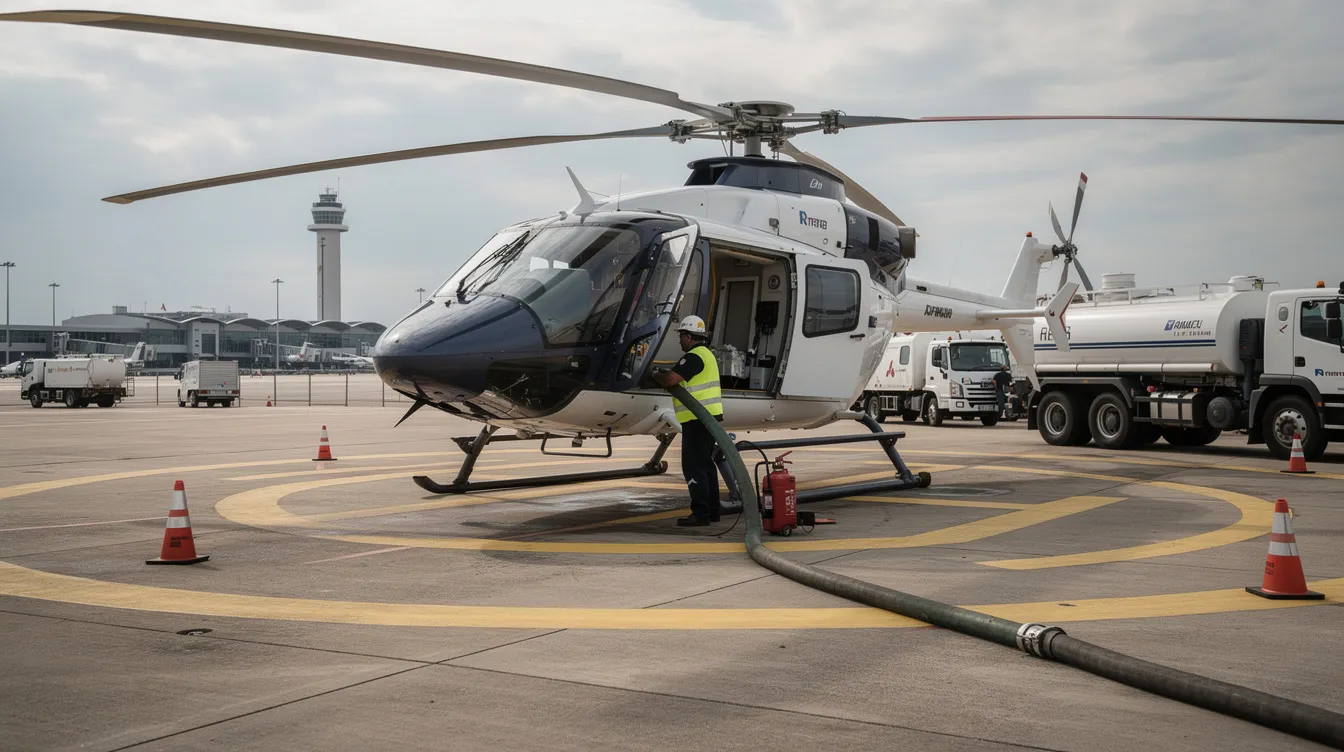
Helicopters primarily use two types of fuel: aviation gasoline (AvGas) for piston engines and kerosene-based jet fuel for turbine engines. Understanding the fuel type is crucial as it affects operating costs, range, and availability at heliports, which are important factors for private flyers. With the rise of sustainable aviation fuels, the industry is also moving towards greener options without compromising performance.
Jay Franco Serevilla
Oct 13, 2026
|
5
min read
View all
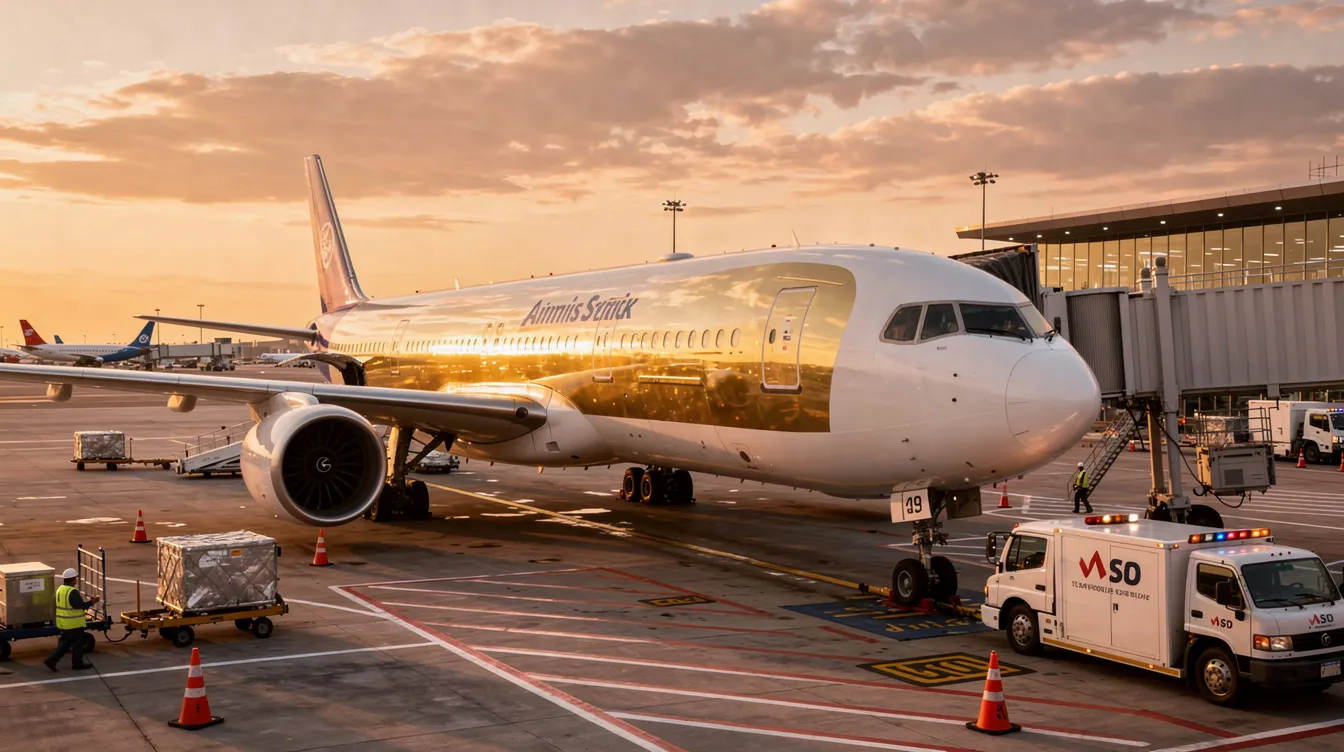
The belief that airline tickets are cheaper on Tuesdays is largely a myth in 2026, as prices are now set dynamically based on various factors. Booking windows, travel days, and demand patterns play a more significant role in determining airfare than the specific day of the week. Travelers should focus on flexible booking strategies and timing rather than chasing specific days for the best deals.
Jay Franco Serevilla
Oct 13, 2026
|
5
min read
View all
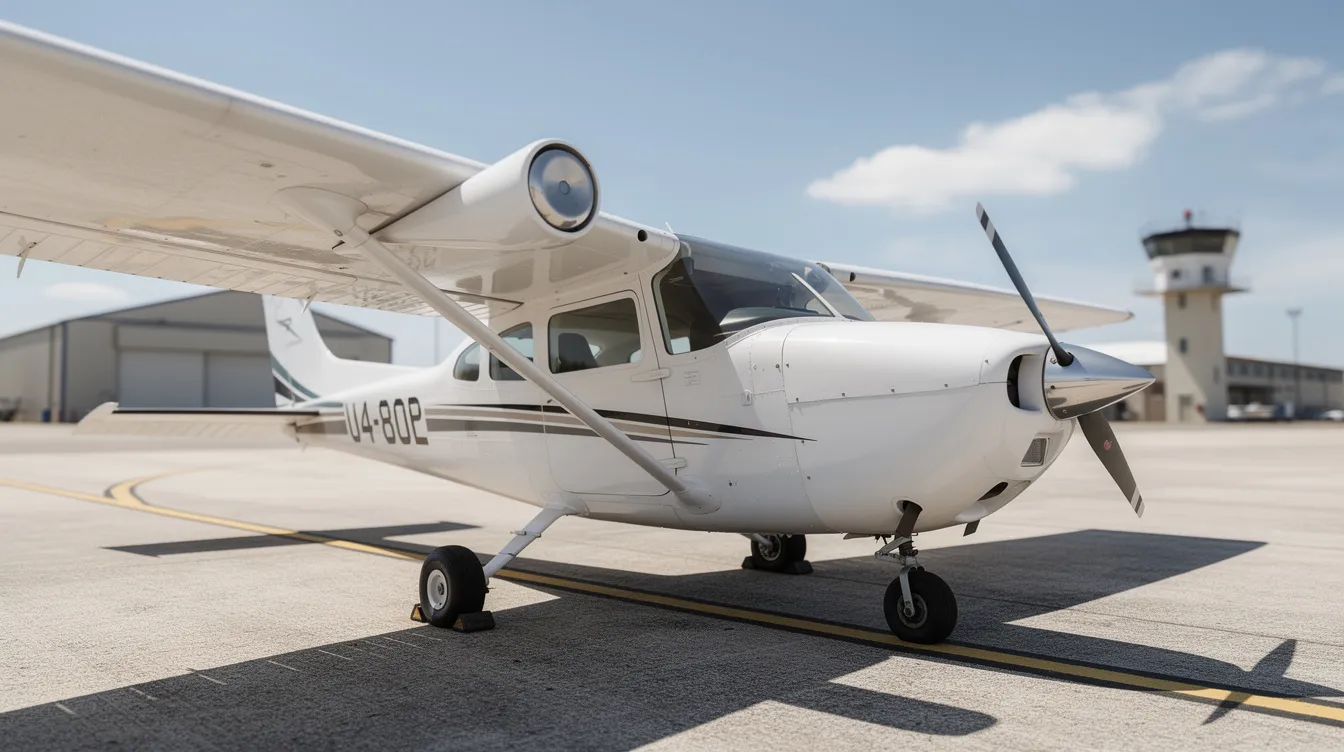
Understanding fuel management in the Cessna 172 is crucial for safe flying. This guide covers fuel capacity, consumption, and best practices for effective fuel planning, essential for both student pilots and experienced aviators. Proper fuel management habits learned in the 172 apply directly to larger aircraft operations.
Jay Franco Serevilla
Oct 13, 2026
|
5
min read
View all
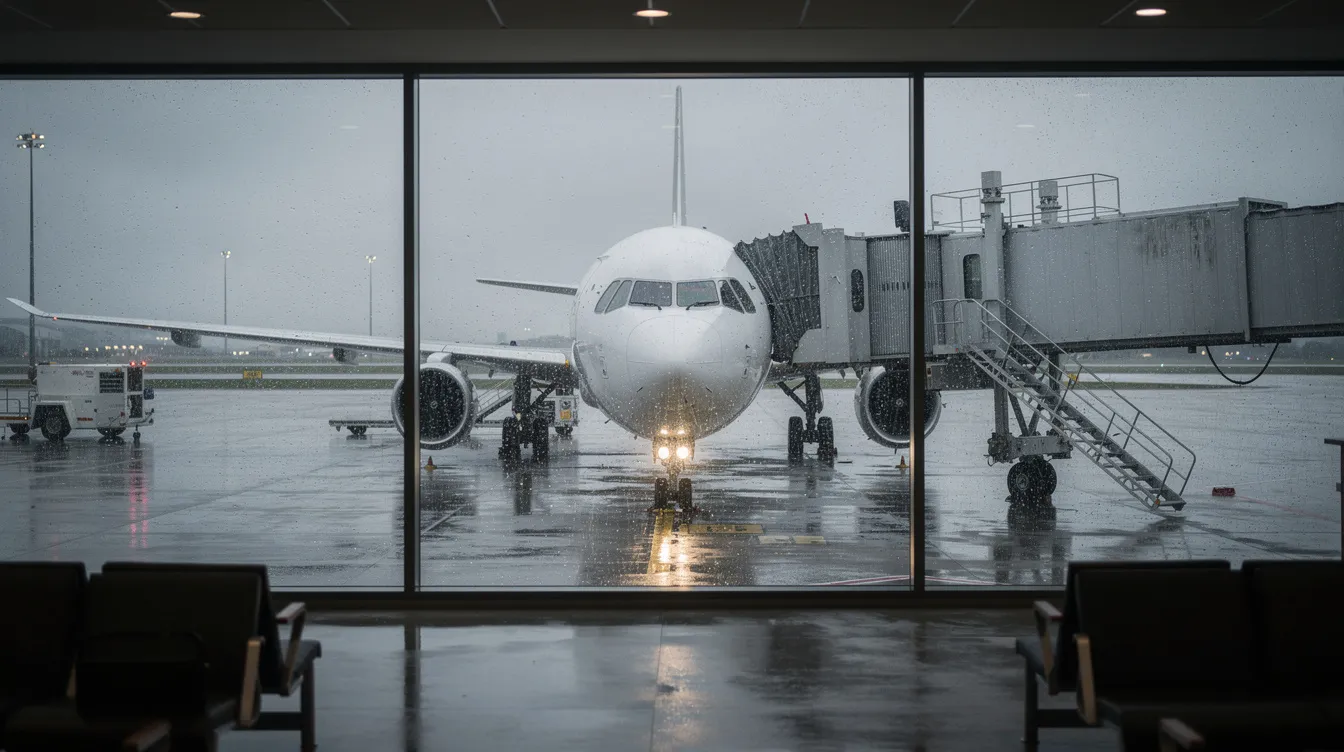
Understanding last-minute flight pricing is essential for travelers looking to save money. While many hope for last-minute deals, prices typically rise as departure dates approach, with significant savings being rare. This guide explores booking strategies, the dynamics of airline pricing, and how private jet charters can offer unique last-minute savings.
Jay Franco Serevilla
Oct 13, 2026
|
5
min read
View all
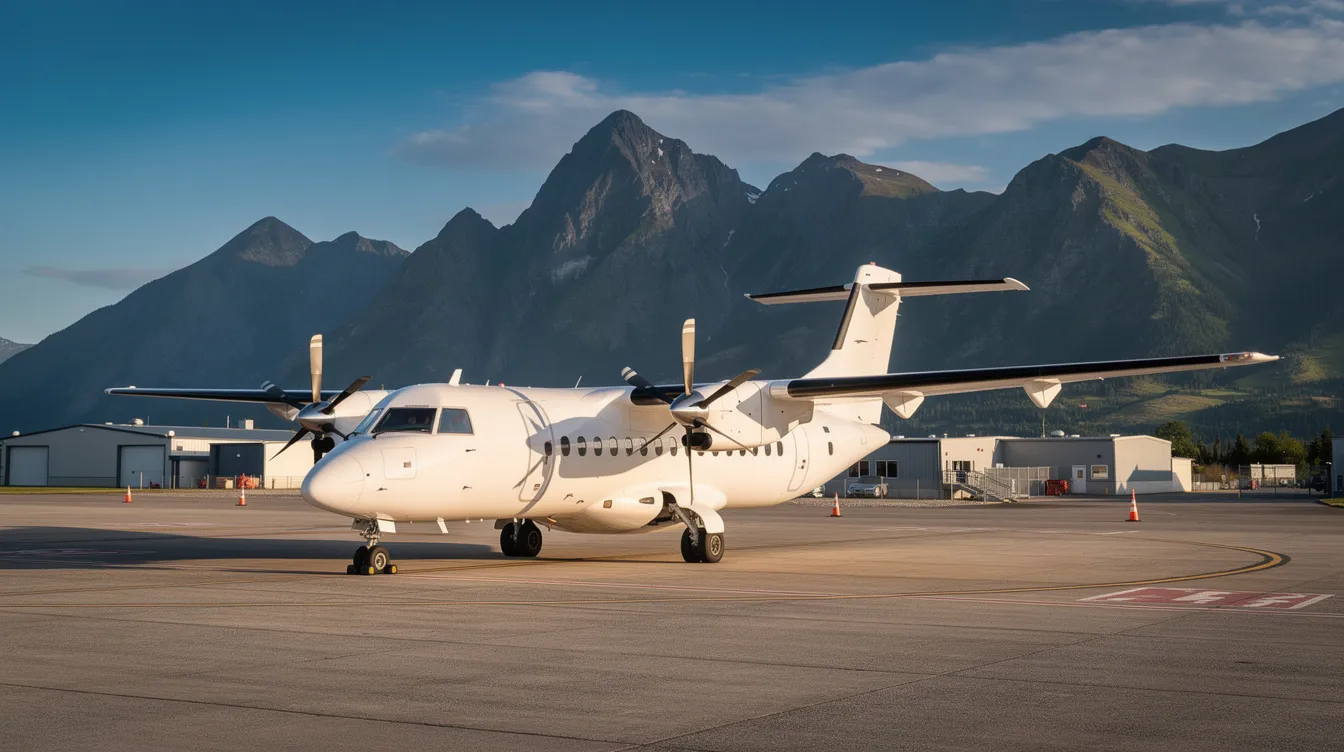
The Blackhawk King Air 200 offers private charter travelers enhanced performance with jet-like speeds and improved efficiency. Upgraded engines and aerodynamic modifications allow for faster trips and access to smaller airports, making it a versatile choice for various travel needs. With comfortable cabin configurations and noise-reduction features, it ensures a smooth travel experience.
Jay Franco Serevilla
Oct 13, 2026
|
5
min read
View all
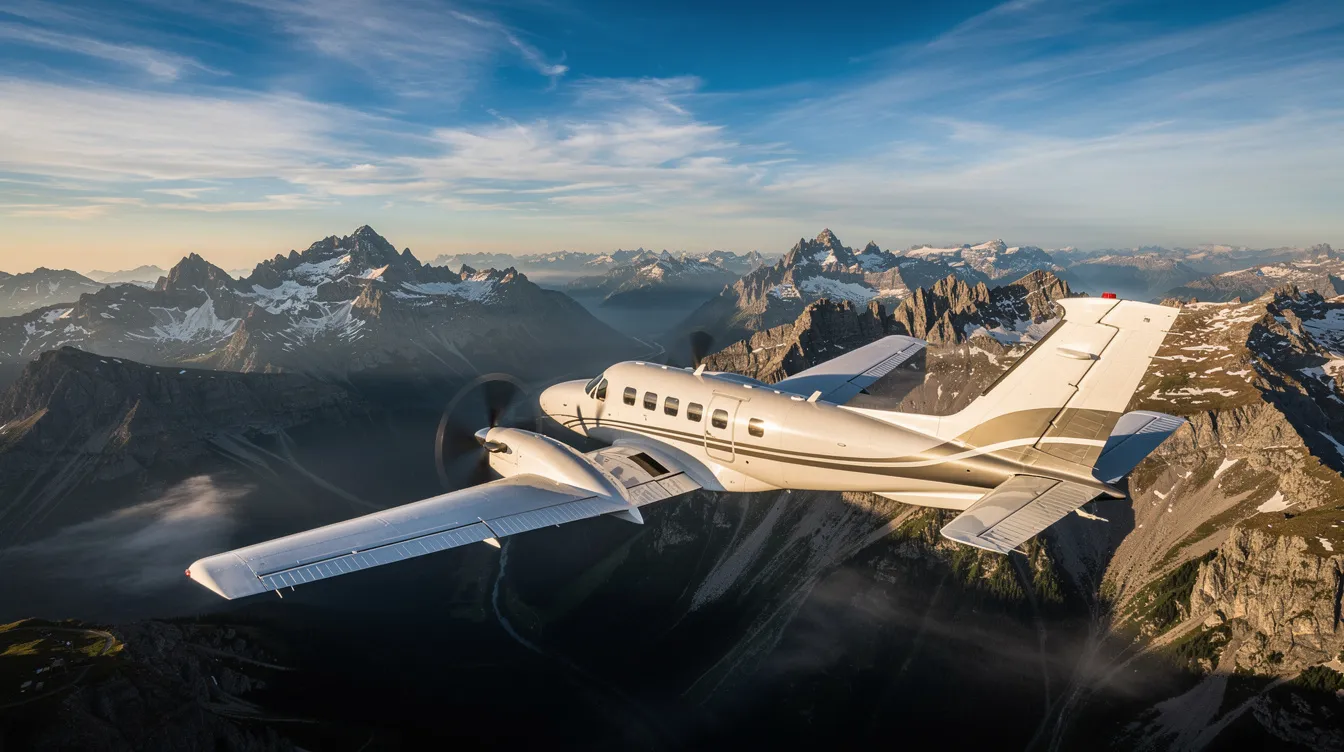
The Pilatus PC-12 is a versatile single-engine turboprop known for its competitive pricing and strong resale value. With purchase prices ranging from $1.8 million to over $8 million, it offers cost-effective charter options compared to light jets. This guide provides insights into the PC-12's pricing, operating costs, and how it compares to other aircraft for regional missions.
Jay Franco Serevilla
Oct 13, 2026
|
5
min read
Explore our latest articles and updates.

5
min read
Why Did Flights Go Up Today? (And What You Can Do About It)
Flight prices can increase rapidly due to real-time pricing algorithms, booking surges, and changes in seat inventory. Understanding these dynamics allows travelers to make informed decisions, whether adjusting travel dates or considering private jet charters for better control over costs. This guide explores the reasons behind fare spikes and offers strategies to manage travel expenses effectively.
Read More
5
min read
Why Planes Fly at 35,000 Feet: The Real Reason Behind Cruising Altitude
Planes typically fly at 35,000 feet because this altitude optimizes fuel efficiency, engine performance, and passenger comfort while minimizing turbulence. The thin air at this height reduces aerodynamic drag, allowing aircraft to travel faster and consume less fuel. Additionally, flying at this altitude helps avoid most weather disturbances, ensuring a smoother ride for passengers.
Read MoreJoin our community and receive the latest blog updates directly in your inbox.
MEMBERSHIPS AND ASSOCIATIONS



Disclaimer: Jettly operates as a charter broker, offering access to a global digital jet charter marketplace. Jettly is not a direct air carrier and does not own or operate aircraft. All advertised flights are conducted by third-party air carriers that are fully licensed and hold the appropriate Part 135 or Part 121 certifications issued by the Federal Aviation Administration (FAA) or equivalent regulatory authorities under U.S. or foreign law. Jettly complies fully with the U.S. Department of Transportation's Part 295 and Part 298 Charter Broker regulations. Jettly does not carry additional liability insurance. Passengers are covered by aircraft operator insurance. TICO: 50023770


