



Login
Get Instant Pricing On 23,000+ Aircraft


Helicopter weights vary significantly, ranging from ultra-light models under 300 lbs to heavy-lift machines exceeding 60,000 lbs. Understanding the distinctions between empty weight, maximum gross weight, and maximum takeoff weight is crucial for charter travelers, as these figures influence passenger capacity, range, and safety. This guide provides insights into helicopter weight categories, their impact on performance, and practical considerations for booking a helicopter charter.
Jay Franco Serevilla
Jul 20, 2026
|
5
min read



View all
The Southwest Boeing 737-700 is a popular narrowbody aircraft featuring a single-cabin layout with 143 economy seats. This guide provides insights into seat types, layout, and how it compares to private jet charters, helping travelers make informed choices for comfort and convenience. Discover the best and worst seats, onboard amenities, and fare types to enhance your flying experience.
Jay Franco Serevilla
Oct 13, 2026
|
5
min read
View all
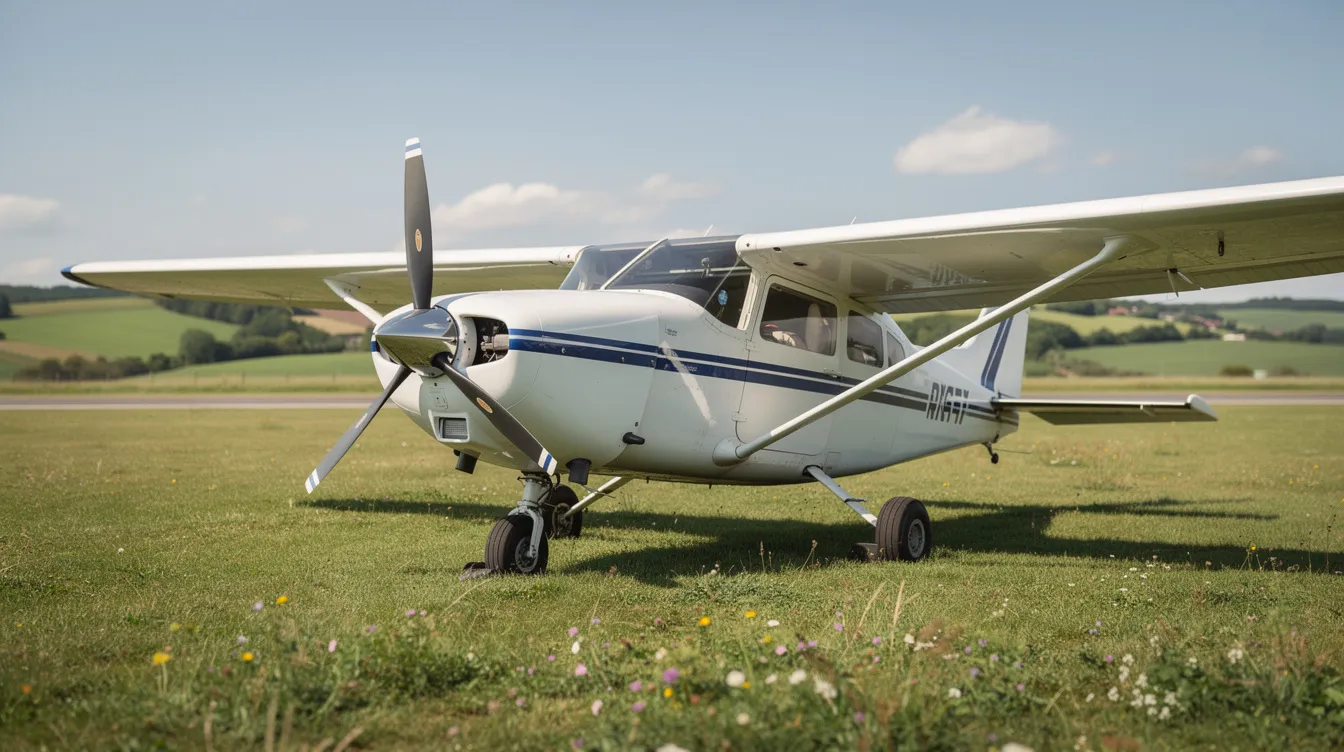
In 2026, fuel costs for small planes vary significantly based on aircraft type and fuel type, with 100LL avgas averaging $6.80 to $7.54 per gallon and Jet A ranging from $7.00 to $9.20. This guide provides insights for private pilots and charter customers on managing fuel expenses effectively. Understanding fuel consumption rates and regional price variations is crucial for budgeting and optimizing flight choices.
Jay Franco Serevilla
Oct 13, 2026
|
5
min read

View all
Knowing when to buy a flight ticket can save you money and enhance your travel experience. This guide provides insights into optimal booking windows for domestic and international flights, as well as tips for using price tracking tools and understanding dynamic pricing. By planning ahead and utilizing available resources, travelers can secure the best deals and enjoy a smoother journey.
Jay Franco Serevilla
Oct 13, 2026
|
5
min read

View all
Understanding the types of jet fuel is crucial for private jet travelers. Kerosene-based fuels like Jet A and Jet A-1 are the industry standards, impacting safety, performance, and costs. Specialized fuels cater to extreme conditions, while sustainable aviation fuels are emerging as a greener alternative.
Jay Franco Serevilla
Oct 13, 2026
|
5
min read

View all
Aviation fueling is a critical process for private jets, ensuring safety and efficiency through stringent regulations and quality checks. This guide explores the types of aviation fuels, the fueling process, and the importance of proper fuel management for charter flights. Understanding these elements is essential for travelers to appreciate how they impact flight safety, range, and costs.
Jay Franco Serevilla
Oct 13, 2026
|
5
min read

View all
Knowing when to book international flights can save you significant money. Generally, aim to book 3 to 6 months in advance for economy fares, and 6 to 9 months for peak seasons. Understanding the best booking windows and seasonal trends is crucial for securing the best deals.
Jay Franco Serevilla
Oct 13, 2026
|
5
min read
Explore our latest articles and updates.

5
min read
Why Did Flights Go Up Today? (And What You Can Do About It)
Flight prices can increase rapidly due to real-time pricing algorithms, booking surges, and changes in seat inventory. Understanding these dynamics allows travelers to make informed decisions, whether adjusting travel dates or considering private jet charters for better control over costs. This guide explores the reasons behind fare spikes and offers strategies to manage travel expenses effectively.
Read More
5
min read
Why Planes Fly at 35,000 Feet: The Real Reason Behind Cruising Altitude
Planes typically fly at 35,000 feet because this altitude optimizes fuel efficiency, engine performance, and passenger comfort while minimizing turbulence. The thin air at this height reduces aerodynamic drag, allowing aircraft to travel faster and consume less fuel. Additionally, flying at this altitude helps avoid most weather disturbances, ensuring a smoother ride for passengers.
Read MoreJoin our community and receive the latest blog updates directly in your inbox.
MEMBERSHIPS AND ASSOCIATIONS



Disclaimer: Jettly operates as a charter broker, offering access to a global digital jet charter marketplace. Jettly is not a direct air carrier and does not own or operate aircraft. All advertised flights are conducted by third-party air carriers that are fully licensed and hold the appropriate Part 135 or Part 121 certifications issued by the Federal Aviation Administration (FAA) or equivalent regulatory authorities under U.S. or foreign law. Jettly complies fully with the U.S. Department of Transportation's Part 295 and Part 298 Charter Broker regulations. Jettly does not carry additional liability insurance. Passengers are covered by aircraft operator insurance. TICO: 50023770


