


Login
Get Instant Pricing On 23,000+ Aircraft


Chartering a private jet to Oakland provides quick access to the San Francisco Bay Area, Silicon Valley, and Napa Valley, significantly reducing travel time compared to commercial flights. The primary airport for private jets is Metropolitan Oakland International Airport (OAK), with nearby alternatives like Hayward Executive Airport and San Francisco International Airport. Jettly offers transparent pricing for various routes, with costs typically ranging from mid-four to low-five figures for one-way flights. Private jet travel is particularly beneficial for busy executives, tech investors, and families, allowing for a more efficient and stress-free travel experience.
Jay Franco Serevilla
Mar 31, 2026
|
5
min read



View all
Traveling from New York City to Miami typically takes about 3 hours on a nonstop flight, making it a convenient option for both business and leisure travelers. Understanding flight durations and booking strategies can help optimize your travel experience, whether you choose commercial flights or private jet charters. With multiple airlines offering direct services, planning ahead can lead to significant time and cost savings.
Jay Franco Serevilla
Sep 12, 2026
|
5
min read

View all
This comprehensive guide covers everything you need to know about booking plane tickets from NYC to Miami, including commercial and private flight options. It highlights key airports, airlines, pricing strategies, and tips for finding the best deals. Whether you're traveling for business or leisure, understanding your options can enhance your travel experience.
Jay Franco Serevilla
Sep 12, 2026
|
5
min read

View all
Medical air insurance is essential for covering the high costs of emergency air ambulance transport, which can range from $10,000 to over $100,000. It supplements traditional health insurance, providing coverage in situations where ground transport is inadequate. Understanding the differences between medical air insurance, air ambulance memberships, and travel insurance is crucial for comprehensive protection during medical emergencies.
Jay Franco Serevilla
Sep 12, 2026
|
5
min read

View all
U.S. commercial airline fatalities have significantly decreased over the decades, showcasing a remarkable improvement in aviation safety. With many recent years recording zero fatalities, travelers can feel confident in the safety of commercial flights. This article analyzes trends, key accidents, and the role of regulatory changes in shaping the current landscape of airline safety.
Jay Franco Serevilla
Sep 12, 2026
|
5
min read
View all
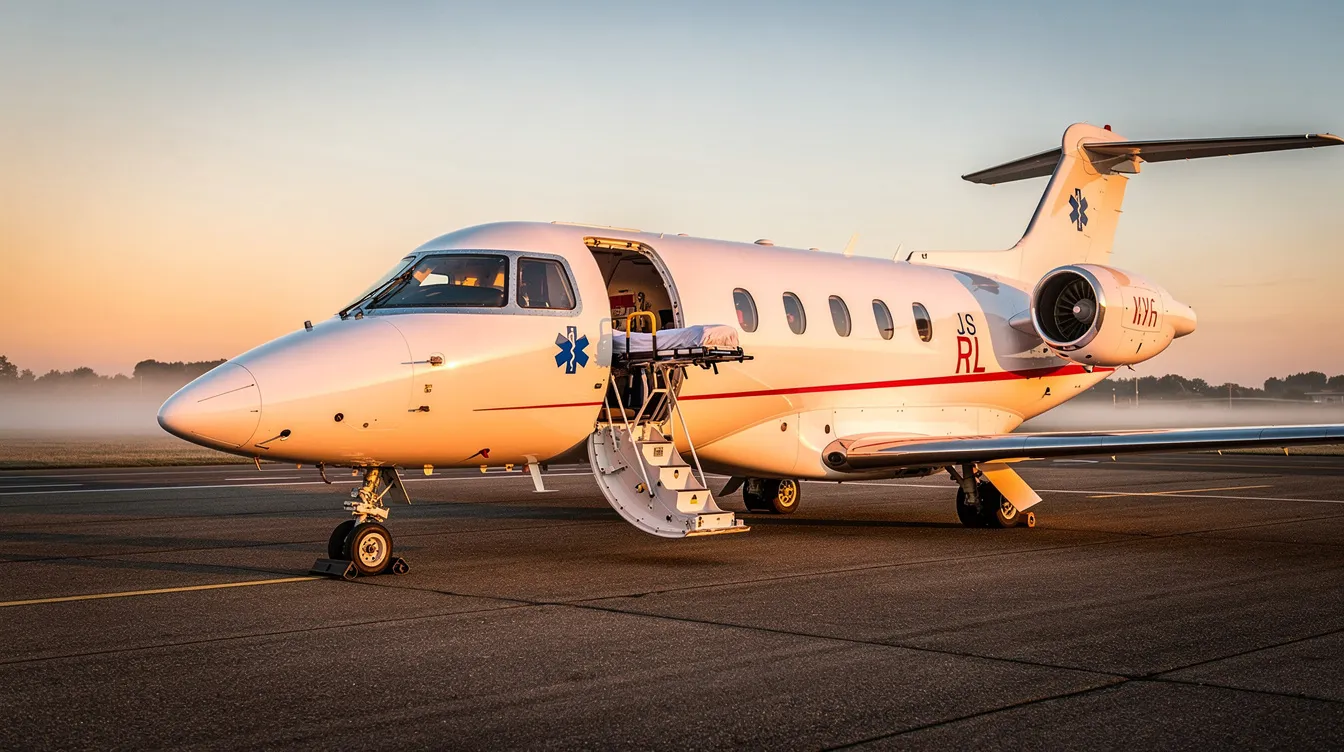
International medical flight costs can range from $20,000 to over $200,000, influenced by factors like distance, aircraft type, and medical care level. Understanding these costs and exploring options like private jet charters can help families make informed decisions during emergencies. Platforms like Jettly offer tools for comparing aircraft and pricing to optimize transport solutions.
Jay Franco Serevilla
Sep 12, 2026
|
5
min read

View all
Key West International Airport, with the code EYW, is the main gateway to Key West, Florida, accommodating both commercial and private jet travelers. This guide provides essential information on the airport, its services, and the advantages of flying privately versus commercially. With its compact layout and growing passenger traffic, EYW offers convenience and flexibility for visitors heading to the Florida Keys.
Jay Franco Serevilla
Sep 12, 2026
|
5
min read
Explore our latest articles and updates.

5
min read
Business Aviation: How Modern Private Air Travel Powers Business Growth
Business aviation revolutionizes corporate travel by providing unmatched flexibility, privacy, and efficiency. With access to over 5,000 airports and the ability to book on-demand, it enhances productivity and reduces travel time significantly. Platforms like Jettly simplify the process, making private jet travel accessible and cost-effective for businesses.
Read More
5
min read
Private Jet from Chicago to Las Vegas: Flight Time, Cost & Best Charter Options
Chartering a private jet from Chicago to Las Vegas offers a swift and convenient travel option, covering approximately 1,500 miles in about 3.5 hours. With various aircraft options available, travelers can enjoy significant time savings and avoid crowded commercial airports. Jettly's platform provides transparent pricing and access to over 20,000 private jets, making it easy to find the right charter for your needs.
Read MoreJoin our community and receive the latest blog updates directly in your inbox.
MEMBERSHIPS AND ASSOCIATIONS



Disclaimer: Jettly operates as a charter broker, offering access to a global digital jet charter marketplace. Jettly is not a direct air carrier and does not own or operate aircraft. All advertised flights are conducted by third-party air carriers that are fully licensed and hold the appropriate Part 135 or Part 121 certifications issued by the Federal Aviation Administration (FAA) or equivalent regulatory authorities under U.S. or foreign law. Jettly complies fully with the U.S. Department of Transportation's Part 295 and Part 298 Charter Broker regulations. Jettly does not carry additional liability insurance. Passengers are covered by aircraft operator insurance. TICO: 50023770


