


Login
Get Instant Pricing On 23,000+ Aircraft


Finding the best time to buy international airline tickets to Europe can save travelers hundreds of dollars. Booking 3 to 7 months in advance typically yields the best prices, especially during shoulder seasons. This guide offers insights on timing, fare tracking, and alternative airports to maximize savings and flexibility.
Jay Franco Serevilla
Oct 7, 2026
|
5
min read


View all
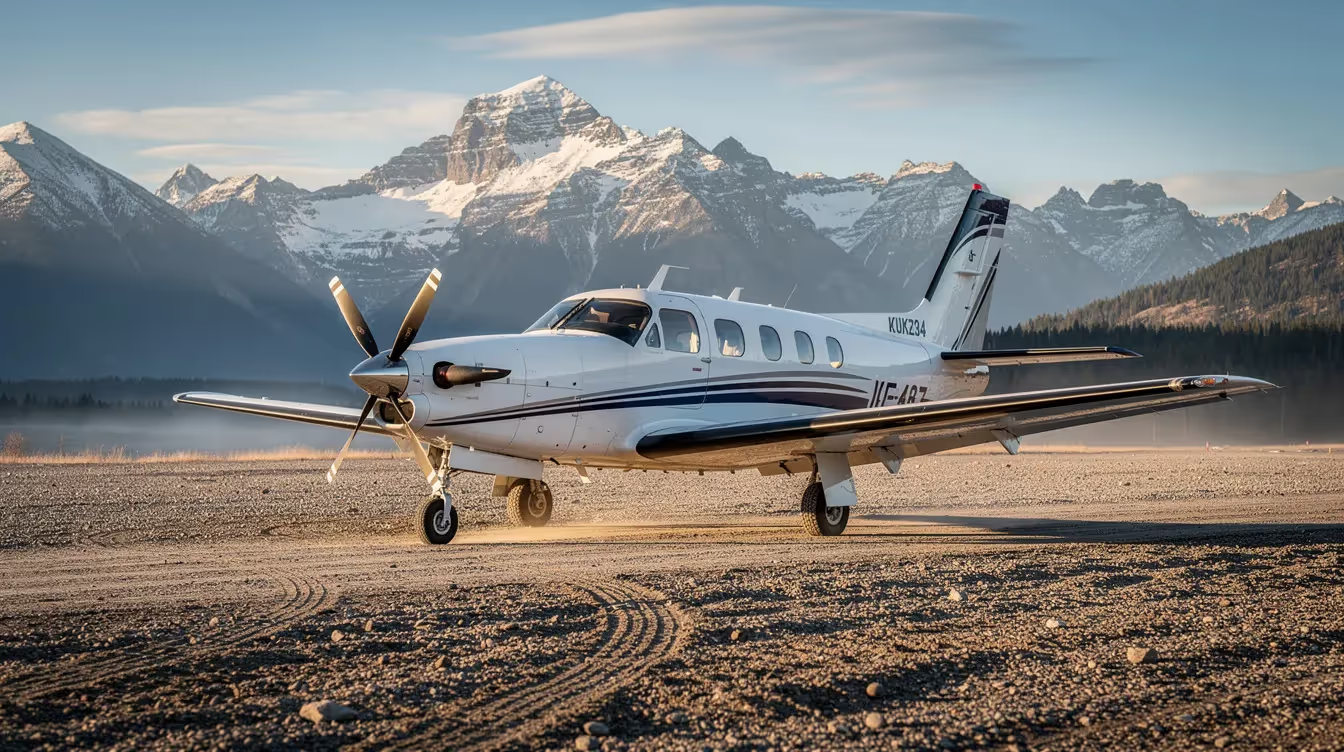
The Cessna Caravan is a versatile single-engine turboprop ideal for private air travel, capable of landing on short or unpaved runways, making it suitable for both passenger and cargo missions. Renting a Cessna Caravan typically costs between $1,500 and $1,700 per hour, with options available through Jettly’s digital platform, which allows users to compare models and pricing easily. The aircraft accommodates 8 to 14 passengers and offers a spacious cabin, making it a practical choice for regional trips and adventure tourism. Jettly also emphasizes the importance of verifying safety ratings and offers additional services like ground transfers and catering to enhance the travel experience.
Jay Franco Serevilla
Apr 18, 2026
|
5
min read
View all
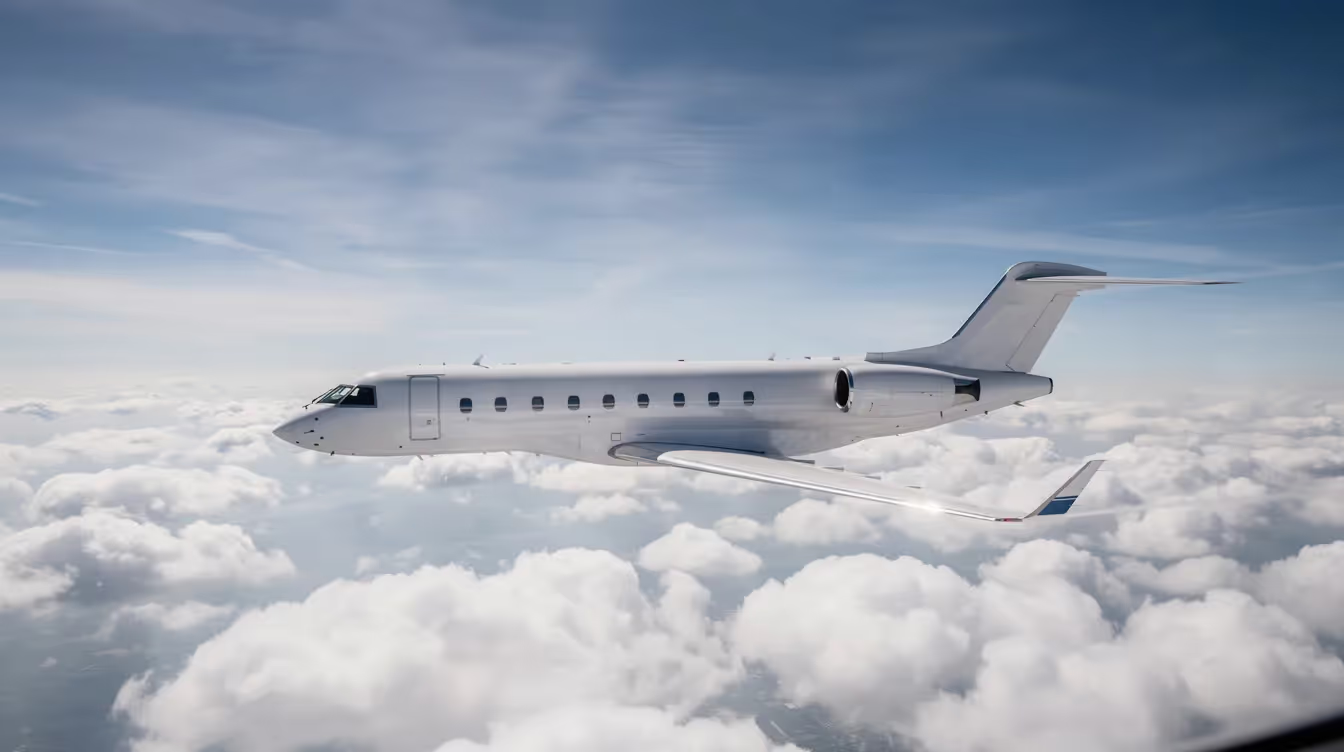
The Bombardier Learjet 75, a super-light business jet introduced in 2013, is known for its high-speed performance, advanced cabin comfort, and unique flat-floor design, making it an appealing choice for business travelers. With a maximum range of approximately 2,050 nautical miles and a cruising speed of Mach 0.81, it efficiently connects major city pairs while accommodating 6-8 passengers in a spacious cabin. Despite its advanced features, the Learjet 75 faced challenges in the market due to its higher price compared to competitors, leading to lower production rates before ceasing in 2022. Jettly offers a digital marketplace for chartering the Learjet 75, providing instant pricing and access to vetted operators worldwide.
Jay Franco Serevilla
Apr 18, 2026
|
5
min read
View all
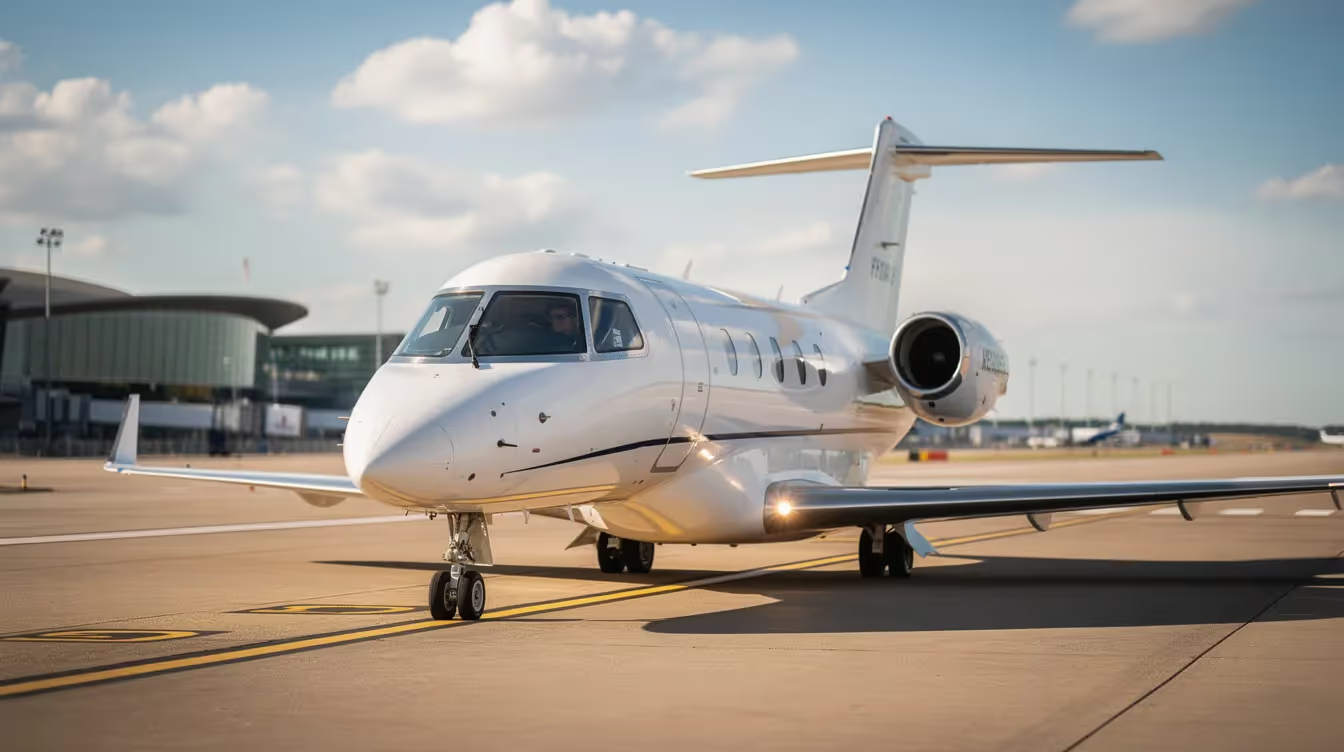
The Learjet 70, produced from 2013 to 2022, is a light-midsize business jet designed for speed-focused travelers, offering a range of approximately 1,870–2,060 nautical miles and seating for six passengers. It features advanced avionics with the Garmin G5000 suite, twin Honeywell engines, and a cabin optimized for productivity, including high-speed Wi-Fi and ergonomic seating. Although production has ceased, the Learjet 70 remains available for charter through platforms like Jettly, providing flexible access without ownership costs. With competitive charter rates and efficient performance, it is ideal for regional business trips and same-day returns across North America and Europe.
Jay Franco Serevilla
Apr 18, 2026
|
5
min read
View all
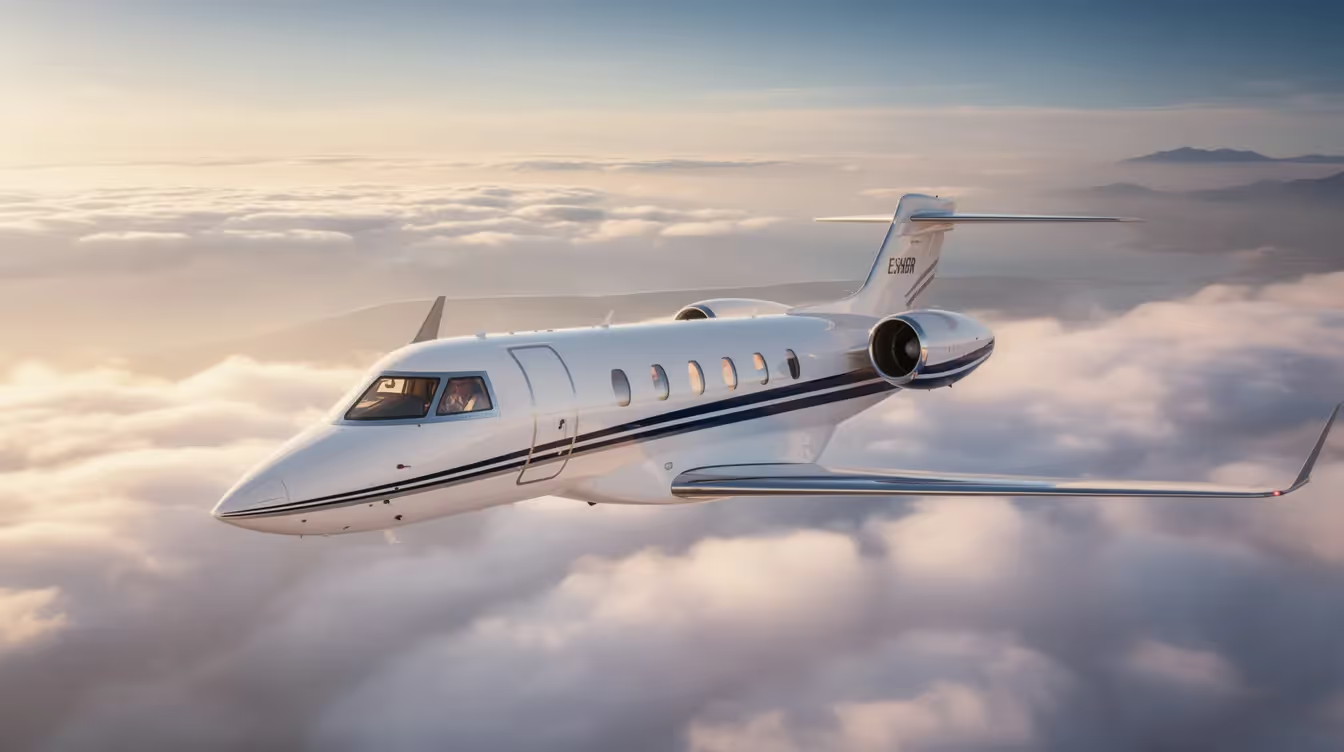
The Bombardier Learjet 40XR is a high-performance light business jet known for its speed, efficiency, and spacious cabin, accommodating up to six passengers. With a maximum range of 1,808 nautical miles and cruising speeds of 449–465 knots, it is ideal for regional travel, frequently chartered through platforms like Jettly. The aircraft features advanced Honeywell engines and avionics, offering a comfortable cabin experience with amenities such as Wi-Fi and in-flight catering options. Its competitive operating costs and impressive performance make it a strong choice for both corporate and leisure travel.
Jay Franco Serevilla
Apr 18, 2026
|
5
min read
View all
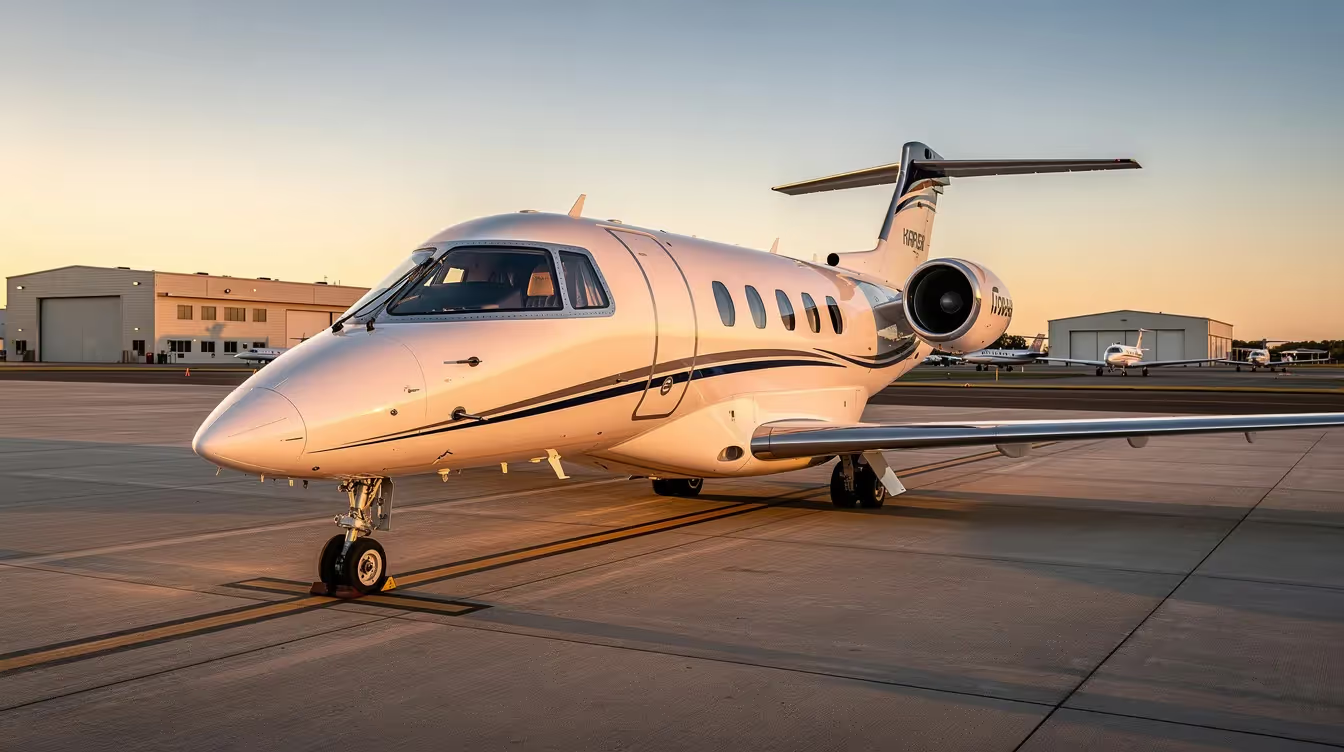
In 2026, private airplane rental costs typically range from $2,000 to over $16,000 per flight hour, influenced by aircraft type, size, and additional fees such as taxes and positioning charges. Total trip costs can be 20-40% higher than the base hourly rate due to these extra expenses. Strategic choices, like selecting the right aircraft and flying during off-peak times, can help reduce costs significantly. Understanding these factors is essential for travelers to make informed decisions and maximize the value of their private jet experience.
Jay Franco Serevilla
Apr 18, 2026
|
5
min read
View all
In 2026, the demand for private aviation remains high, influencing both the purchase prices of small aircraft and charter rates. Ownership of a small plane can cost between $30,000 and over $500,000 initially, with annual operating costs reaching $16,000 to $30,000, making chartering via platforms like Jettly more cost-effective for those flying fewer than 100 hours a year. Charter rates start at approximately $300 per hour for piston aircraft and can exceed $4,000 for light jets, with options like empty leg flights offering significant savings. For occasional travelers, chartering provides flexibility and eliminates the fixed costs associated with ownership, making it a more appealing choice for many.
Jay Franco Serevilla
Apr 18, 2026
|
5
min read
Explore our latest articles and updates.

5
min read
Selling Aircraft: A Practical Guide to Smooth, Successful Transactions
Selling an aircraft in 2026 requires careful preparation, accurate pricing, and thorough documentation. This guide outlines the entire process from valuation to closing, helping sellers maximize their sale price while minimizing delays and risks. Understanding the modern aviation sales landscape and leveraging digital platforms can significantly enhance the selling experience.
Read More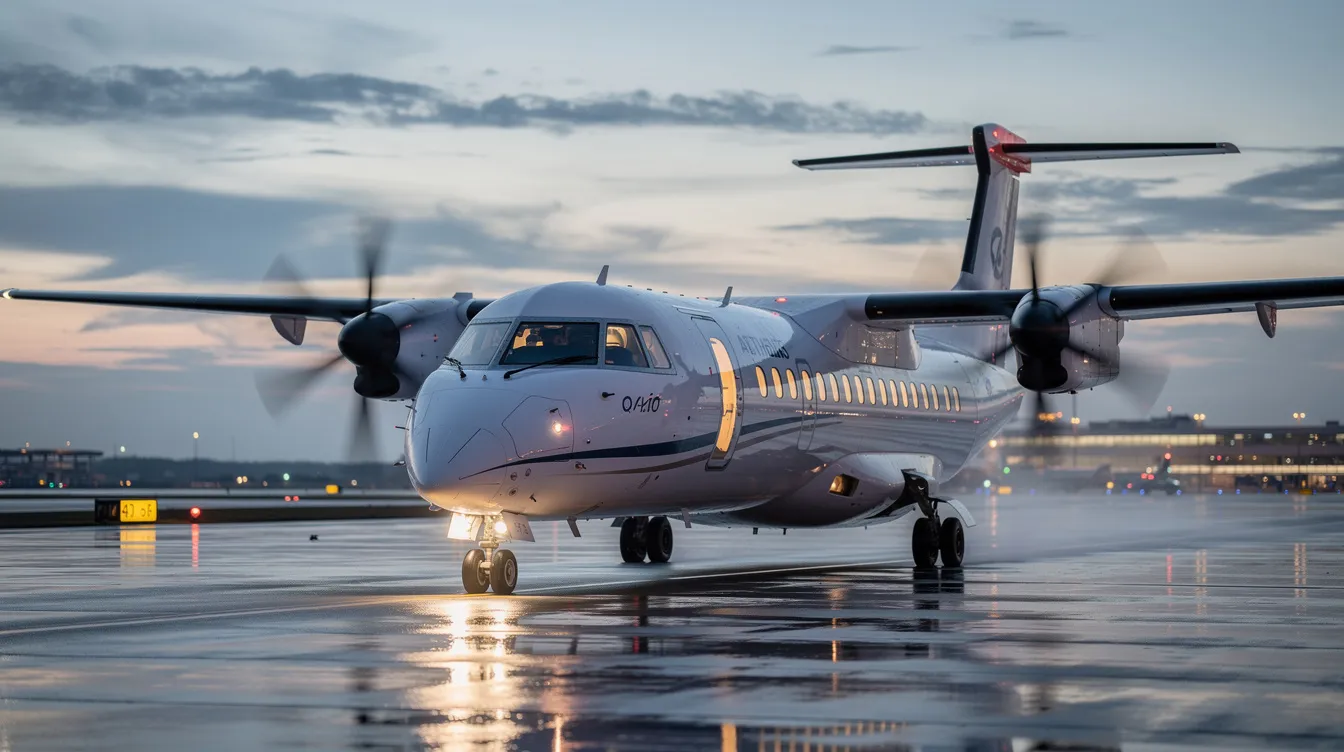
5
min read
Bombardier Dash 8 Q400 (De Havilland Dash 8-400): Guide, Specs, and Charter Use
The De Havilland Dash 8 Q400 is a fast, fuel-efficient turboprop aircraft designed for regional travel, accommodating 70 to 90 passengers. Known for its operational flexibility and ability to access shorter runways, it serves both commercial airlines and private charters through platforms like Jettly. This guide covers its specifications, performance, and chartering options, making it ideal for business and leisure travelers alike.
Read MoreJoin our community and receive the latest blog updates directly in your inbox.
MEMBERSHIPS AND ASSOCIATIONS



Disclaimer: Jettly operates as a charter broker, offering access to a global digital jet charter marketplace. Jettly is not a direct air carrier and does not own or operate aircraft. All advertised flights are conducted by third-party air carriers that are fully licensed and hold the appropriate Part 135 or Part 121 certifications issued by the Federal Aviation Administration (FAA) or equivalent regulatory authorities under U.S. or foreign law. Jettly complies fully with the U.S. Department of Transportation's Part 295 and Part 298 Charter Broker regulations. Jettly does not carry additional liability insurance. Passengers are covered by aircraft operator insurance. TICO: 50023770


