


Login
Get Instant Pricing On 23,000+ Aircraft


The Dassault Falcon 100 is a light-to-midsize business jet known for its speed and operational efficiency, ideal for short-to-medium-range travel. Produced from 1983 to 1989, it features a compact cabin accommodating up to six passengers and advanced avionics for its time. Despite its age, the Falcon 100 remains popular in the charter market, offering flexibility and access to smaller airports.
Jay Franco Serevilla
Sep 19, 2026
|
5
min read



View all
Private jet travel in Memphis is on the rise, fueled by the city's business activities, music tourism, and central location. Jettly offers on-demand private jet charters with access to over 23,000 aircraft, catering to both business and leisure travelers, with typical one-way prices ranging from $6,500 to over $32,000 depending on the route and aircraft type. Memphis International Airport serves as the primary hub for private aviation, providing 24/7 operations and quick customs processing for international flights. With significant time savings compared to commercial flights, private jets enable seamless travel for executives and tourists alike, making Memphis a prime destination for luxury air travel.
Jay Franco Serevilla
Mar 30, 2026
|
5
min read
View all
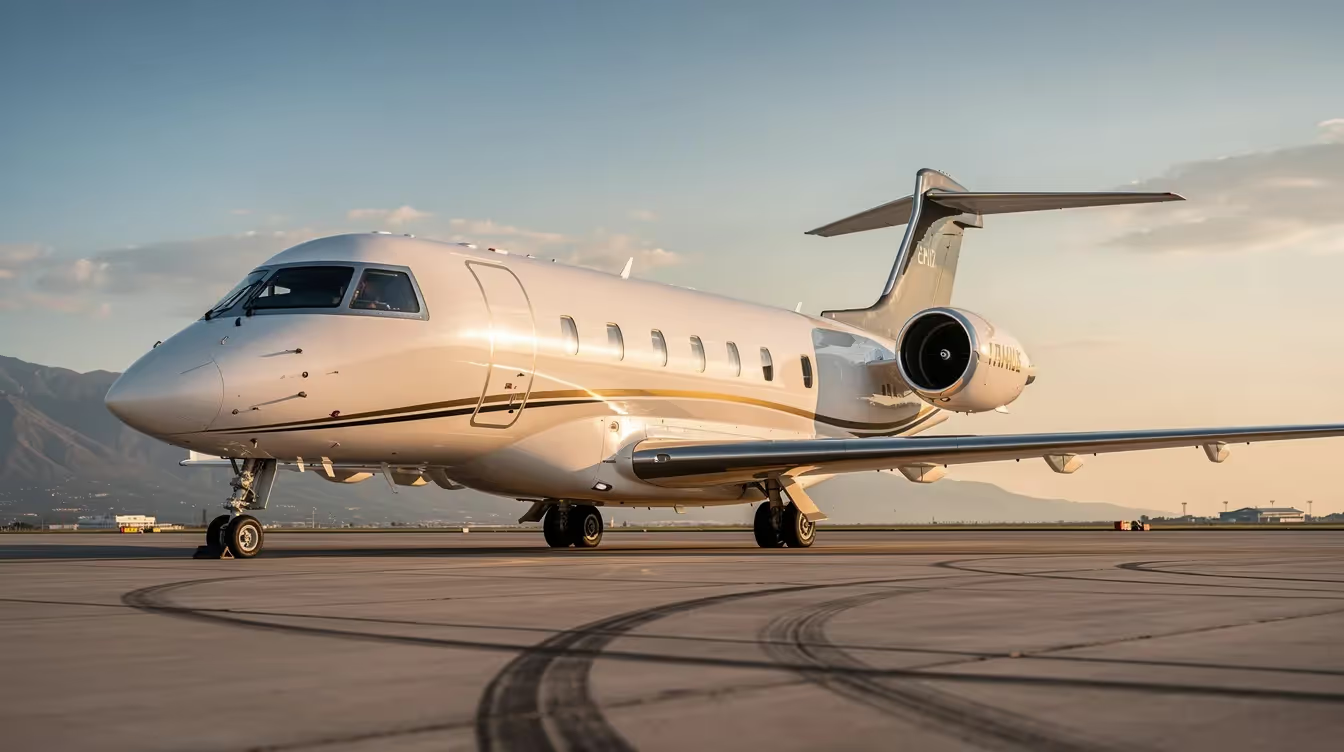
A helicopter ride offers a thrilling and unique perspective on iconic landmarks and breathtaking landscapes, making it an unforgettable travel experience. With options ranging from scenic tours over cities like Las Vegas and New York to nature flights over the Grand Canyon, travelers can choose experiences that suit their interests and occasions. It's essential to select a reputable tour operator that prioritizes safety and provides transparent pricing, such as Jettly, which connects users with on-demand helicopter services. Planning ahead, considering weather conditions, and understanding the booking process can enhance the overall experience, ensuring memorable moments in the sky.
Jay Franco Serevilla
Mar 30, 2026
|
5
min read

View all
Private jet dealerships specialize in the sale of business jets, managing the entire ownership transfer process from listing to closing, while platforms like Jettly focus on on-demand charter services without ownership responsibilities. The dealership market has expanded significantly due to rising demand for business aviation, with buyers needing to consider their mission profiles and conduct thorough due diligence before purchasing. Dealerships provide detailed listings and handle negotiations, inspections, and legal complexities, while buyers can also explore flexible charter options through platforms like Jettly to assess their travel needs before committing to ownership. Ultimately, understanding individual travel patterns and financial implications is crucial for making informed decisions in private aviation.
Jay Franco Serevilla
Mar 30, 2026
|
5
min read

View all
Helicopter ambulance costs in the U.S. are projected to range from $25,000 to $60,000 in 2026, influenced by factors such as distance, medical complexity, and insurance coverage. Patients may face significant out-of-pocket expenses, especially if the provider is out-of-network, with bills potentially exceeding $30,000. Understanding the pricing structure, which includes base fees and per-mile charges, is crucial for managing costs, as well as reviewing insurance provisions and considering medevac memberships for better financial protection. For non-emergency medical transport, platforms like Jettly offer transparent pricing and alternatives to costly emergency services.
Jay Franco Serevilla
Mar 30, 2026
|
5
min read
View all
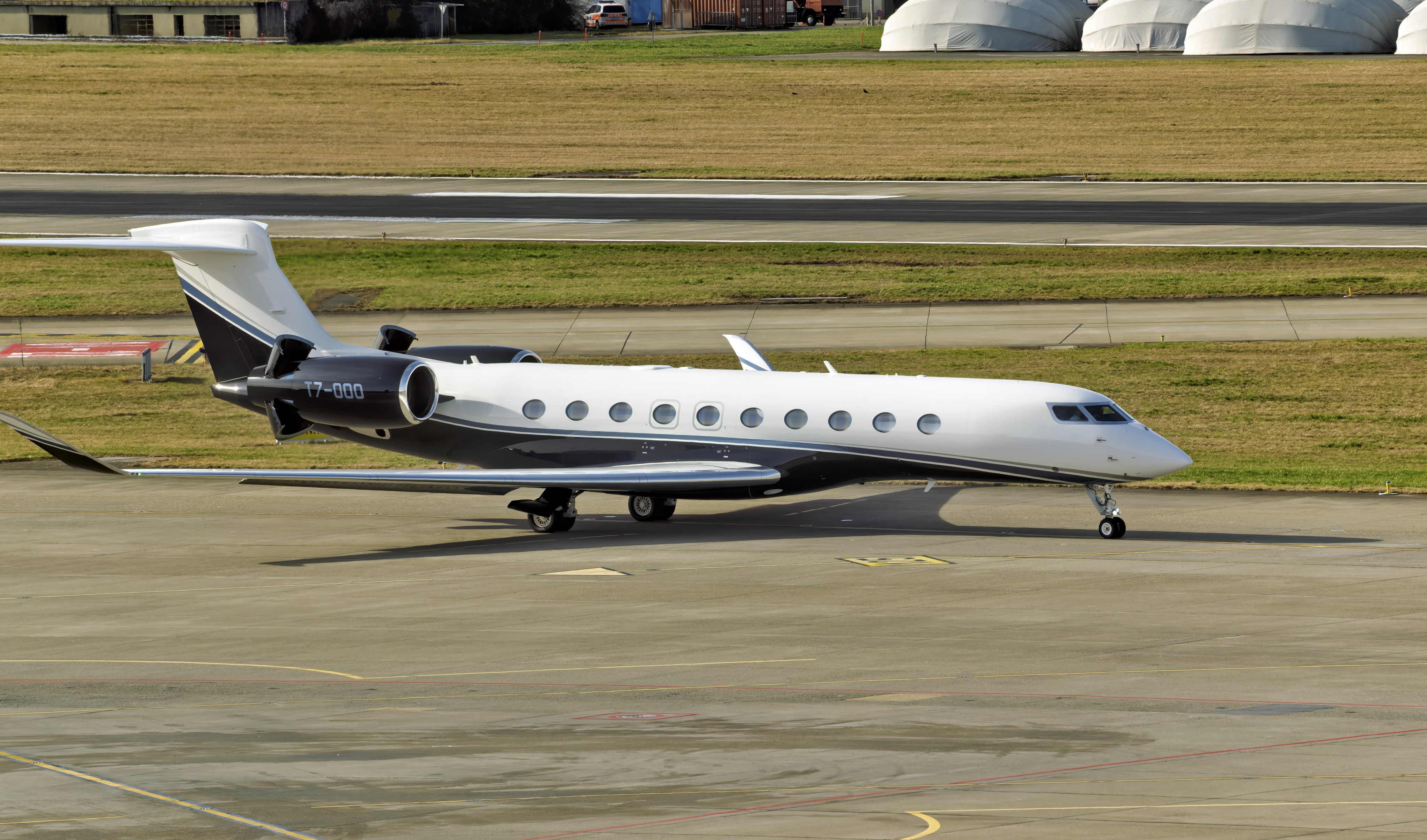
Oprah Winfrey’s Gulfstream G700 represents the ultimate long-haul office in the sky. After decades of owning private jets, the media icon continues to rely on aviation for privacy, efficiency, and productivity. This article explores Oprah’s private jet history and how her aircraft are designed for work and comfort. It also explains why ultra-long-range jets like the G700 are favored by global business leaders and celebrities.
Jay Franco Serevilla
Mar 16, 2026
|
5
min read

View all
Finding affordable plane tickets to Italy involves strategic planning and flexibility with travel dates. Prices fluctuate based on demand, with the lowest fares typically available from November to February, while peak summer travel can see prices soar. Utilizing flexible date searches, comparing multi-airline itineraries, and setting fare alerts can help travelers secure better deals. For those prioritizing convenience, private aviation options may offer a viable alternative, allowing for tailored travel schedules and reduced airport hassles.
Jay Franco Serevilla
Mar 11, 2026
|
5
min read
Explore our latest articles and updates.
5
min read
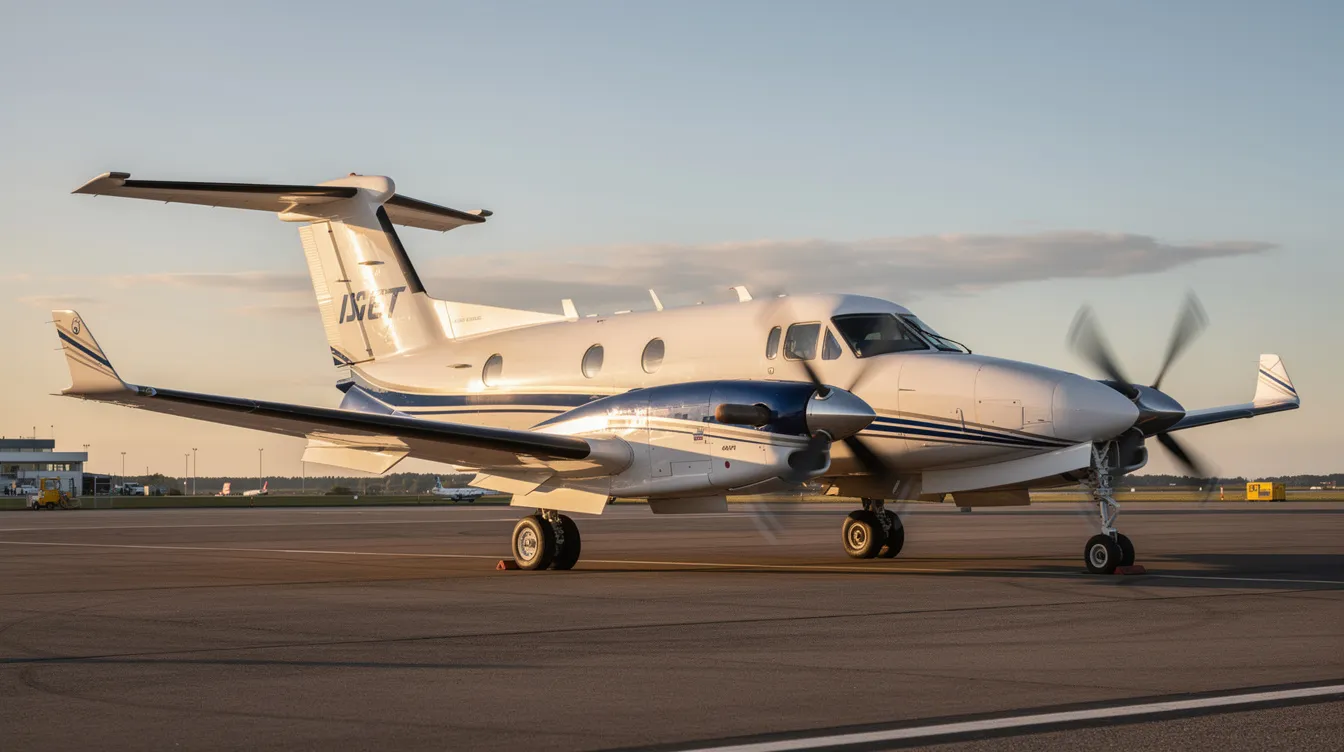
King Air B200GT Specs & Charter Guide: Performance, Cabin, Costs & Use Cases
The Beechcraft King Air B200GT is a practical twin-engine turboprop popular for private charter and regional business missions, offering seating for 6-8 passengers, a range of 1,164 nautical miles, and a maximum cruise speed of 305 knots. With annual operating costs around $1,054,495 and efficient fuel consumption, it provides a cost-effective alternative to light jets, especially for trips between 300-800 nautical miles. The aircraft features modern avionics and a comfortable cabin, making it suitable for executive travel, medical evacuations, and cargo transport. Travelers can easily charter the King Air B200GT through Jettly's on-demand platform, which offers instant pricing and flexible booking options.
Read More
5
min read
Prop Planes: Guide to Turboprop and Piston Aircraft for Private Charter
Prop planes, including turboprop and piston aircraft, play a significant role in private aviation, particularly for regional routes under 1,500 kilometers where jets are less economical. They offer advantages such as lower operating costs, access to smaller and unpaved airports, and the ability to connect remote communities. Turboprops, like the Beechcraft King Air and Pilatus PC-12, provide jet-like cabins and performance for short-haul flights, making them ideal for business travel. Jettly's platform facilitates real-time comparisons of turboprops and jets, ensuring travelers can choose the most suitable aircraft for their needs with transparent pricing.
Read MoreJoin our community and receive the latest blog updates directly in your inbox.
MEMBERSHIPS AND ASSOCIATIONS



Disclaimer: Jettly operates as a charter broker, offering access to a global digital jet charter marketplace. Jettly is not a direct air carrier and does not own or operate aircraft. All advertised flights are conducted by third-party air carriers that are fully licensed and hold the appropriate Part 135 or Part 121 certifications issued by the Federal Aviation Administration (FAA) or equivalent regulatory authorities under U.S. or foreign law. Jettly complies fully with the U.S. Department of Transportation's Part 295 and Part 298 Charter Broker regulations. Jettly does not carry additional liability insurance. Passengers are covered by aircraft operator insurance. TICO: 50023770


