


Login
Get Instant Pricing On 23,000+ Aircraft


Knowing the best time to buy airfare can save you money on flights. For domestic trips, booking 1 to 3 months in advance is ideal, while international flights are best booked 2 to 8 months ahead. This guide also explores when private jet charters may be a more convenient option, especially when commercial flights become costly or inconvenient.
Jay Franco Serevilla
Sep 15, 2026
|
5
min read



View all
Flying a private jet from Phoenix to Las Vegas is a quick and convenient option, taking just 40-60 minutes in the air. Jettly offers a seamless booking experience with access to over 20,000 aircraft, making it easy to find the right jet for your needs. With competitive pricing and flexibility, private travel is an attractive alternative to commercial flights.
Jay Franco Serevilla
Sep 15, 2026
|
5
min read

View all
Delta Air Lines boasts a vast network of over 1,000 routes across six continents, making it a top choice for travelers. This article explores Delta's upcoming network expansion and highlights scenarios where private jet charters through Jettly can offer superior flexibility and convenience. By understanding both options, travelers can optimize their itineraries for efficiency and comfort.
Jay Franco Serevilla
Sep 15, 2026
|
5
min read

View all
Airline safety statistics reveal that modern air travel is exceptionally safe, with a global all-accident rate of just 1.32 per million flights in 2025. The fatal accident rate is approximately one per two billion miles flown, making flying significantly safer than driving. Continuous improvements in aircraft design and safety regulations contribute to this positive trend in aviation safety.
Jay Franco Serevilla
Sep 15, 2026
|
5
min read

View all
Green private jets offer eco-conscious travelers a practical way to fly with a reduced environmental impact. By utilizing fuel-efficient aircraft, sustainable aviation fuels, and carbon offsets, travelers can significantly lower their carbon footprint while enjoying the convenience of private aviation. Platforms like Jettly make it easy to compare options and book flights quickly.
Jay Franco Serevilla
Sep 15, 2026
|
5
min read

View all
Flying a private jet to Vancouver offers travelers quick access to stunning destinations like Stanley Park and Whistler. This comprehensive guide covers airport options, aircraft types, pricing, and the benefits of empty leg deals, making private travel more accessible and efficient.
Jay Franco Serevilla
Sep 15, 2026
|
5
min read

View all
China's private jet charter services offer luxurious and efficient travel options across over 100 airports, including major hubs like Beijing and Shanghai. Jettly simplifies the booking process, providing instant pricing and expert support to navigate the complex regulations of private aviation in China.
Jay Franco Serevilla
Sep 15, 2026
|
5
min read
Explore our latest articles and updates.
5
min read
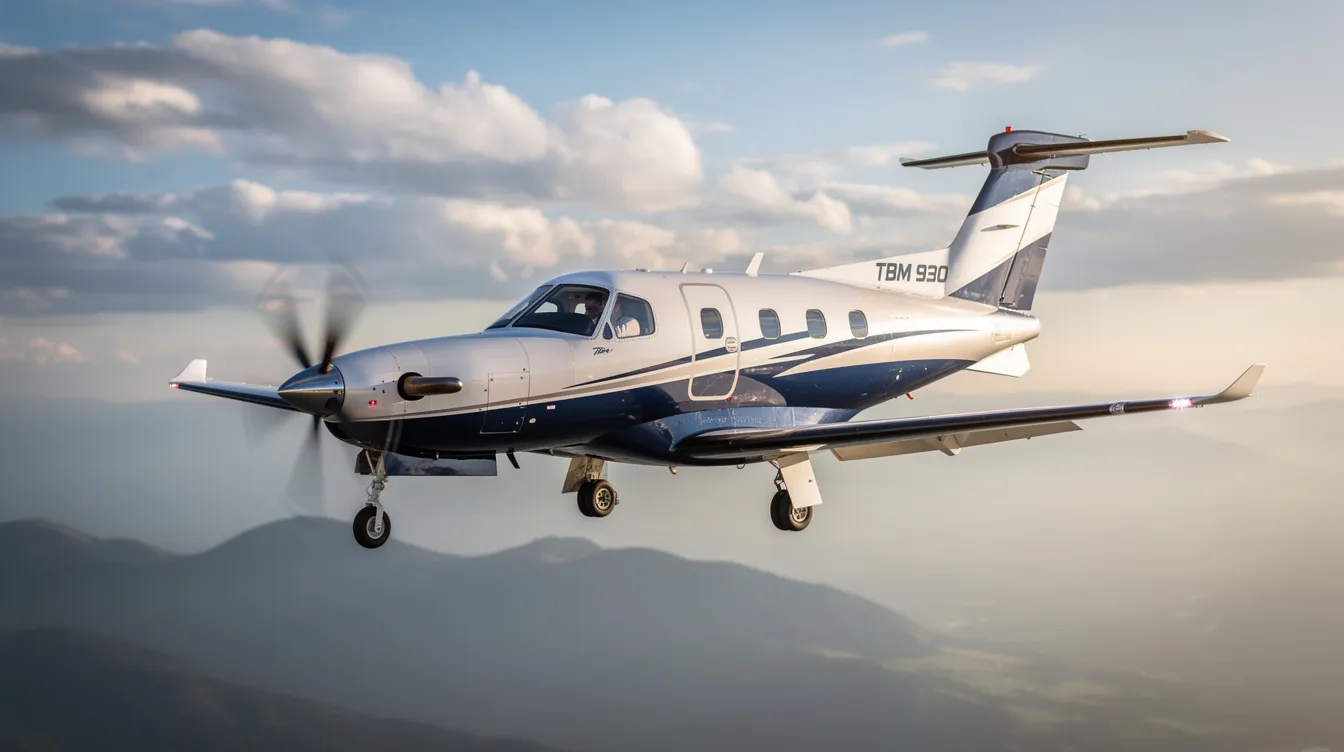
TBM 930: Performance, Comfort, and Private Charter Potential
The Daher TBM 930 is a high-performance turboprop aircraft known for its jet-like speed and economical operating costs. With a range of 1,730 nautical miles and a capacity for up to six passengers, it is ideal for business and leisure travel, especially on shorter routes. Its advanced avionics and safety features make it a reliable choice for charter operations through platforms like Jettly.
Read More
5
min read
AA1526: American Airlines Flight Number Guide & Private Charter Alternatives
AA1526 is an American Airlines flight number that has served various domestic routes, including Charlotte to Nashville and Charleston to Philadelphia. This guide provides insights into the flight's history, current operations, and compares commercial travel with private charter options through Jettly, highlighting the benefits of flexibility and convenience for travelers.
Read MoreJoin our community and receive the latest blog updates directly in your inbox.
MEMBERSHIPS AND ASSOCIATIONS



Disclaimer: Jettly operates as a charter broker, offering access to a global digital jet charter marketplace. Jettly is not a direct air carrier and does not own or operate aircraft. All advertised flights are conducted by third-party air carriers that are fully licensed and hold the appropriate Part 135 or Part 121 certifications issued by the Federal Aviation Administration (FAA) or equivalent regulatory authorities under U.S. or foreign law. Jettly complies fully with the U.S. Department of Transportation's Part 295 and Part 298 Charter Broker regulations. Jettly does not carry additional liability insurance. Passengers are covered by aircraft operator insurance. TICO: 50023770


