



Login
Get Instant Pricing On 23,000+ Aircraft


Truckee Tahoe Airport (KTRK) is a key private aviation gateway to the Lake Tahoe region, offering essential information on runways, curfews, and FBO services. This guide provides insights into airport logistics, aircraft suitability, and the unique challenges of flying in mountainous conditions, ensuring a smooth travel experience for private jet charters.
Jay Franco Serevilla
Nov 8, 2026
|
5
min read



View all
Delta First Class does not automatically grant lounge access, which surprises many travelers. While Delta One passengers enjoy built-in access to Delta Sky Club and Delta One Lounges, First Class travelers must rely on alternative methods such as credit cards or elite status to enter lounges. This guide clarifies the rules and options available for lounge access in 2026.
Jay Franco Serevilla
Nov 8, 2026
|
5
min read

View all
The Jettly Jet Card offers structured access to private jet charters with predictable pricing, featuring occupied-hour billing and no fuel surcharges. In 2026, membership tiers range from $50,000 for 25 hours to $160,000 for 100 hours, plus a one-time enrollment fee of $12,997. Notably, flight hours do not expire, providing flexibility for members.
Jay Franco Serevilla
Nov 8, 2026
|
5
min read
View all
Understanding private jet safety certifications is crucial for ensuring a secure flight experience. This guide explains the differences between FAA Part 135 and Part 121, along with independent audits like ARGUS, WYVERN, and IS-BAO, highlighting the importance of verifying the operator's credentials before booking. Jettly, as a charter broker, emphasizes the need for thorough due diligence in confirming safety standards.
Jay Franco Serevilla
Nov 8, 2026
|
5
min read
View all
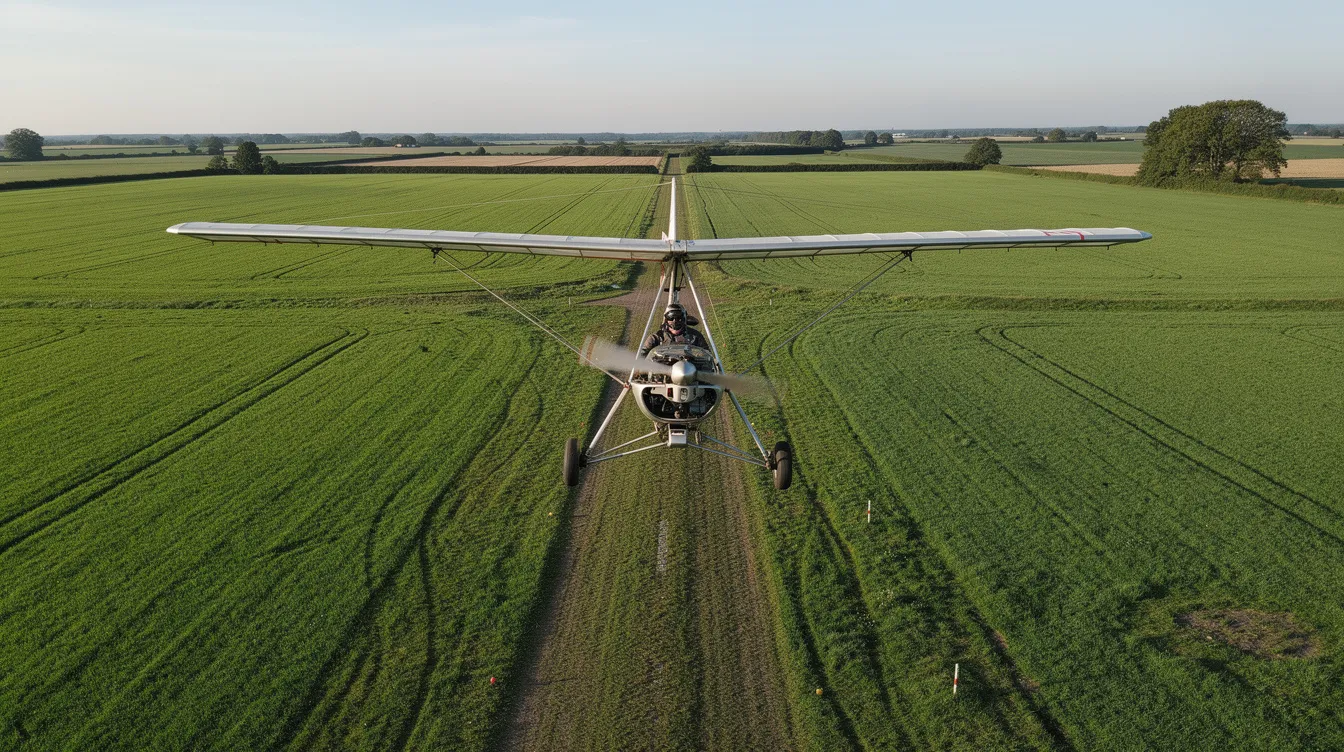
Under FAA Part 103, you can fly an ultralight personal aircraft without a license, medical exam, or registration, provided it meets specific criteria. These lightweight vehicles are limited to a maximum weight of 254 pounds, a fuel capacity of 5 gallons, and a top speed of 55 knots, making them ideal for recreational flying in uncontrolled airspace. While no formal training is required, it is highly recommended for safety.
Jay Franco Serevilla
Nov 8, 2026
|
5
min read
View all
The leading cause of death in plane crashes is blunt force trauma from rapid deceleration upon impact, rather than the dramatic scenarios often portrayed in media. Post-crash fires and smoke inhalation also contribute to fatalities. Understanding these causes helps clarify aviation safety and the importance of proper operator standards for private jet travelers.
Jay Franco Serevilla
Nov 8, 2026
|
5
min read

View all
Most plane crashes occur during critical flight phases, particularly during takeoff, approach, and landing, which account for over 60% of accidents. Understanding these patterns can help travelers make informed decisions about flight safety and choose operators that prioritize safety standards.
Jay Franco Serevilla
Nov 8, 2026
|
5
min read
Explore our latest articles and updates.
5
min read
Salary of a Commercial Pilot in 2026: Complete Guide to Airline and Commercial Pilot Pay
In 2026, the salary of commercial pilots continues to rise due to strong demand and expanding aviation opportunities. Airline pilots earn a median annual wage of $226,600, while commercial pilots in non-airline roles earn around $122,670. This guide explores pay structures, career paths, and the factors influencing pilot salaries, highlighting the lucrative potential of a pilot career.
Read More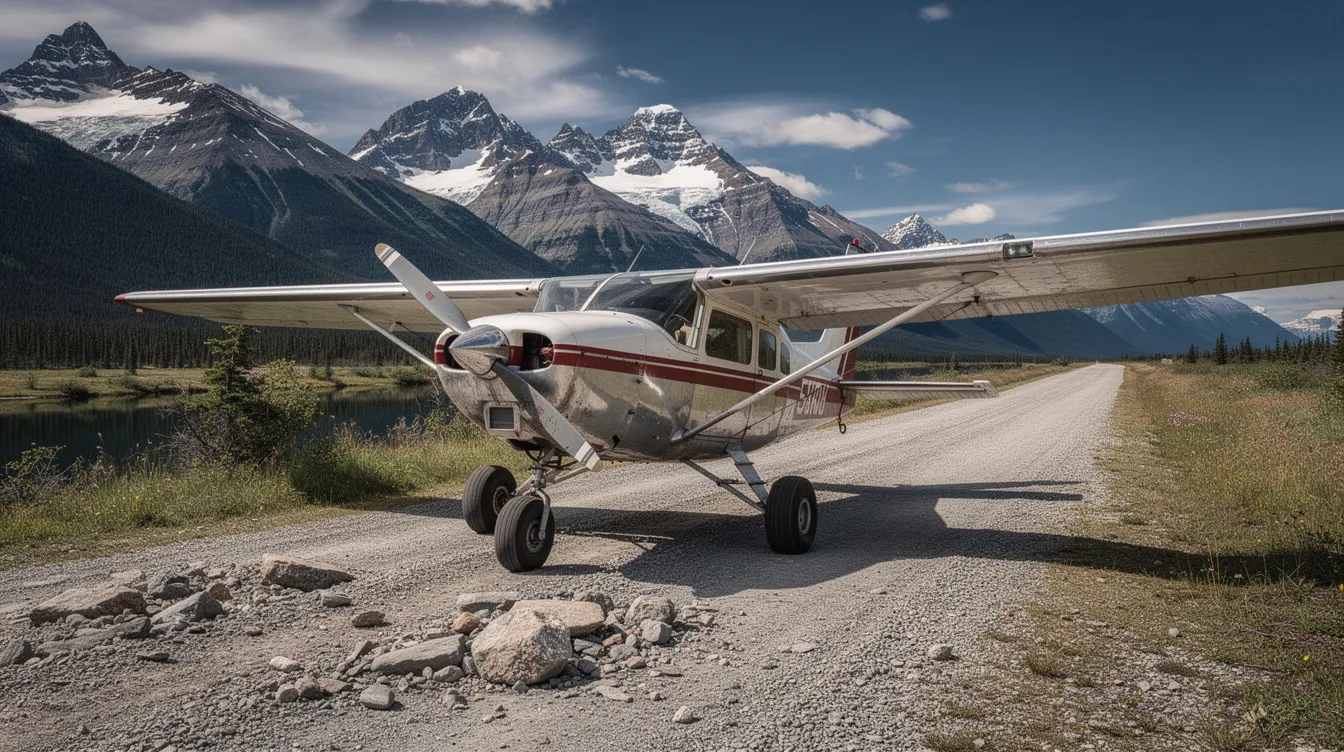
5
min read
Cessna 185 Takeoff Distance: Performance, Variables, and Real-World Planning
The Cessna 185 Skywagon is a versatile aircraft known for its impressive takeoff capabilities, requiring approximately 1,000 to 1,430 feet to clear a 50-foot obstacle under ideal conditions. Factors such as weight, density altitude, and runway surface can significantly affect these distances, making careful planning essential for safe operations. Understanding these variables is crucial for pilots and charter clients navigating remote airstrips.
Read MoreJoin our community and receive the latest blog updates directly in your inbox.
MEMBERSHIPS AND ASSOCIATIONS



© 2026 Jettly Inc. All rights reserved.
Disclaimer: Jettly operates as a charter broker, offering access to a global digital jet charter marketplace. Jettly is not a direct air carrier and does not own or operate aircraft. All advertised flights are conducted by third-party air carriers that are fully licensed and hold the appropriate Part 135 or Part 121 certifications issued by the Federal Aviation Administration (FAA) or equivalent regulatory authorities under U.S. or foreign law. Jettly complies fully with the U.S. Department of Transportation's Part 295 and Part 298 Charter Broker regulations. Jettly does not carry additional liability insurance. Passengers are covered by aircraft operator insurance. TICO: 50023770


