


Login
Get Instant Pricing On 23,000+ Aircraft

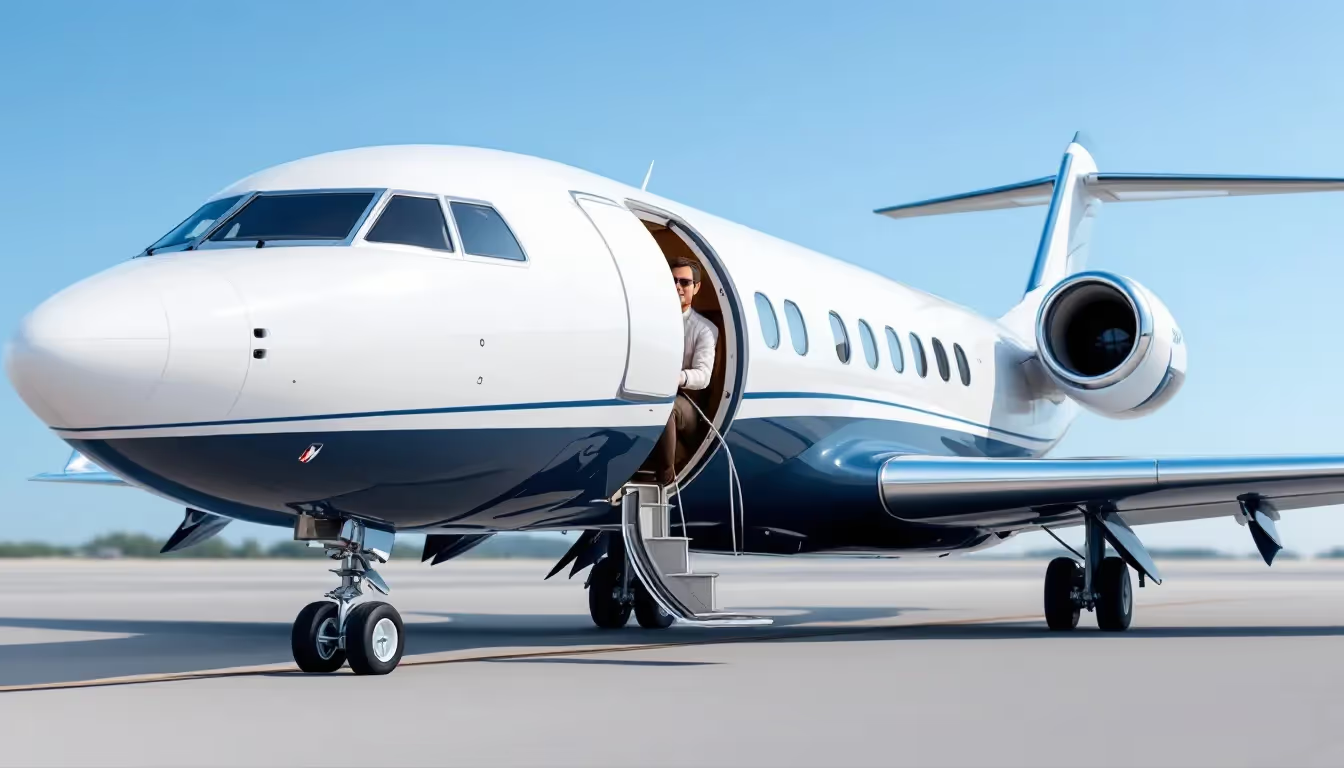
The Airbus A340 private jet offers unparalleled luxury, flexibility, and comfort for high-net-worth individuals and corporate clients, featuring a spacious cabin that can accommodate 40 to 100 passengers. With a maximum range of 8,500 nautical miles and advanced four-engine technology, it is ideal for long-haul flights, ensuring smooth travel over remote routes. Customizable interiors include private bedrooms, lounges, and conference areas, enhancing the overall travel experience. Chartering an A340 typically costs between $24,000 and $60,000 per hour, reflecting its premium status in the private aviation market.
Jay Franco Serevilla
Sep 27, 2025
|
5
min read


View all
Jet cards provide frequent flyers with predictable pricing, guaranteed availability, and more flexibility compared to traditional charters. By purchasing prepaid flight hours, members benefit from fixed rates and a variety of aircraft choices. Jettly stands out with its transparent pricing, no penalty cancellations, and booking ease. Ultimately, understanding your aviation needs will help you choose the right jet card program, and Jettly's offering might be ideal for your travel requirements.
Justin Crabbe
May 7, 2025
|
5 minutes
min read
View all
This blog explores the diverse passenger capacities and features of private jets, helping readers make informed decisions when selecting an aircraft for their needs. It highlights different jet types, from light jets for small groups to spacious business jets for larger parties. The guide emphasizes the importance of considering group size, luxury expectations, and cost-efficiency. Ultimately, it aims to assist readers in choosing a private jet that combines comfort, practicality, and style for a superior travel experience.
Justin Crabbe
May 7, 2025
|
5 minutes
min read
View all
Private jet fuel costs are influenced by various factors, including aircraft size, fuel efficiency, and flight planning. Implementing fuel-efficient strategies and investing in advanced technologies can help manage these expenses. Eco-friendly alternatives like sustainable aviation fuels and electric-powered aircraft are emerging, though widespread adoption faces challenges. Staying informed about trends and exploring efficient practices is key to the financial viability and sustainability of private aviation.
Justin Crabbe
May 7, 2025
|
5 minutes
min read
View all
Private jet card costs encompass more than just the base price, often including additional fees like crew charges and international security fees, which can increase total costs by up to 25%. The costs vary depending on aircraft type, distance, and hours flown, so it's crucial to assess your company's specific needs. Jettly.com offers competitive pricing and tailored services, emphasizing customer service. For cost-effective, high-quality corporate travel, considering Jettly is a wise decision.
Justin Crabbe
May 7, 2025
|
5 minutes
min read
View all
The blog explores the luxurious world of the most expensive private jets, highlighting the high costs associated with their customization, cutting-edge technology, and unparalleled amenities. Despite the high expense, these aircraft serve as symbols of status, prestige, and the ultimate expression of wealth. They offer an exclusive level of comfort and convenience that far surpasses commercial travel. Lastly, private jets adhere to stringent safety regulations, often making them as safe, if not safer, than commercial flights.
Justin Crabbe
May 7, 2025
|
5 minutes
min read
.avif)
View all
Jettly simplifies fractional jet ownership by offering co-ownership with reduced financial risks, luxury amenities, and unmatched travel flexibility. Access a global fleet of 23,000+ aircraft, enjoy VIP in-flight services, and rely on Jettly's professional management for seamless logistics. Fractional ownership lowers upfront costs and shares expenses while ensuring you experience private aviation on your terms. Request a consultation today to discover hassle-free, cost-effective luxury travel with Jettly.
Justin Crabbe
May 7, 2025
|
5 minutes
min read
Explore our latest articles and updates.

5
min read
Fighter Jet: Modern Air Superiority, Global Security and High-Performance Flight Experiences
Fighter jets are advanced military aircraft designed for air superiority and ground attack missions, playing a crucial role in global security. They have evolved significantly from early biplanes to modern stealth fighters, integrating cutting-edge technology for enhanced performance. Civilian experiences in demilitarized trainers offer a glimpse into the thrilling world of high-performance aviation.
Read More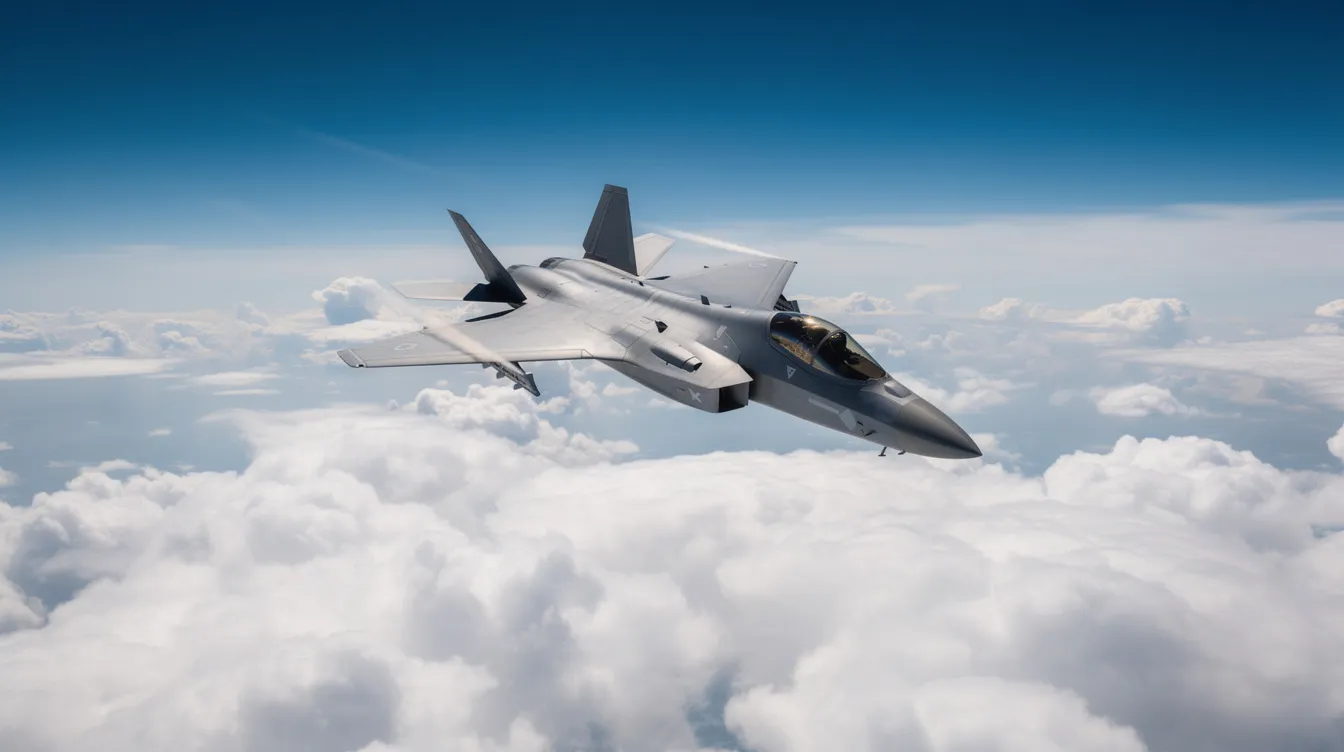
5
min read
F-35 Stealth Fighter Jet: The F-35 Lightning II Explained
The F-35 Lightning II is a revolutionary fifth-generation stealth fighter jet that combines advanced technology, multi-role capabilities, and global partnerships. Serving as a backbone for the U.S. and allied air forces, it enhances air power through its stealth, sensor fusion, and networked warfare capabilities. This guide explores its design, variants, operational history, and impact on global security.
Read MoreJoin our community and receive the latest blog updates directly in your inbox.
MEMBERSHIPS AND ASSOCIATIONS



Disclaimer: Jettly operates as a charter broker, offering access to a global digital jet charter marketplace. Jettly is not a direct air carrier and does not own or operate aircraft. All advertised flights are conducted by third-party air carriers that are fully licensed and hold the appropriate Part 135 or Part 121 certifications issued by the Federal Aviation Administration (FAA) or equivalent regulatory authorities under U.S. or foreign law. Jettly complies fully with the U.S. Department of Transportation's Part 295 and Part 298 Charter Broker regulations. Jettly does not carry additional liability insurance. Passengers are covered by aircraft operator insurance. TICO: 50023770


