



Login
Get Instant Pricing On 23,000+ Aircraft


This comprehensive aircraft charter guide provides essential insights on how to choose, book, and fly with confidence using Jettly's digital platform. It covers various jet categories, the charter process, and highlights the benefits of private aviation for both personal and business travel. With access to over 20,000 aircraft and transparent pricing, Jettly simplifies the charter experience for travelers.
Jay Franco Serevilla
Oct 14, 2026
|
5
min read



View all
The ATR 72-500 is a cost-efficient turboprop aircraft designed for regional routes, offering low operating costs and the ability to access smaller airports that larger jets cannot serve. With a seating capacity of 68 to 74 passengers and a maximum operating cost of approximately $2,879 per hour, it is favored by regional airlines and charter operators for its fuel efficiency and versatility. The aircraft features advanced systems for improved performance and passenger comfort, making it suitable for both passenger and cargo operations. Platforms like Jettly facilitate access to the ATR 72-500 for group charters, emphasizing its economic advantages for large travel groups and regional logistics.
Jay Franco Serevilla
Jun 15, 2026
|
5
min read

View all
The Embraer ERJ 190 is a regional jet ideal for chartering, accommodating 50 to 100 passengers with a comfortable 2+2 seating layout and a maximum range of approximately 2,400 nautical miles. Charter rates typically start at $14,000 to $16,000 per flight hour, making it a cost-effective option for group travel compared to splitting into smaller jets or booking larger airliners. The aircraft's ability to operate from shorter runways allows access to regional airports, enhancing its versatility for corporate shuttles, sports teams, and event logistics. Jettly provides a streamlined online booking process for the ERJ 190, offering transparent pricing and support for customized itineraries.
Jay Franco Serevilla
Jun 15, 2026
|
5
min read
View all
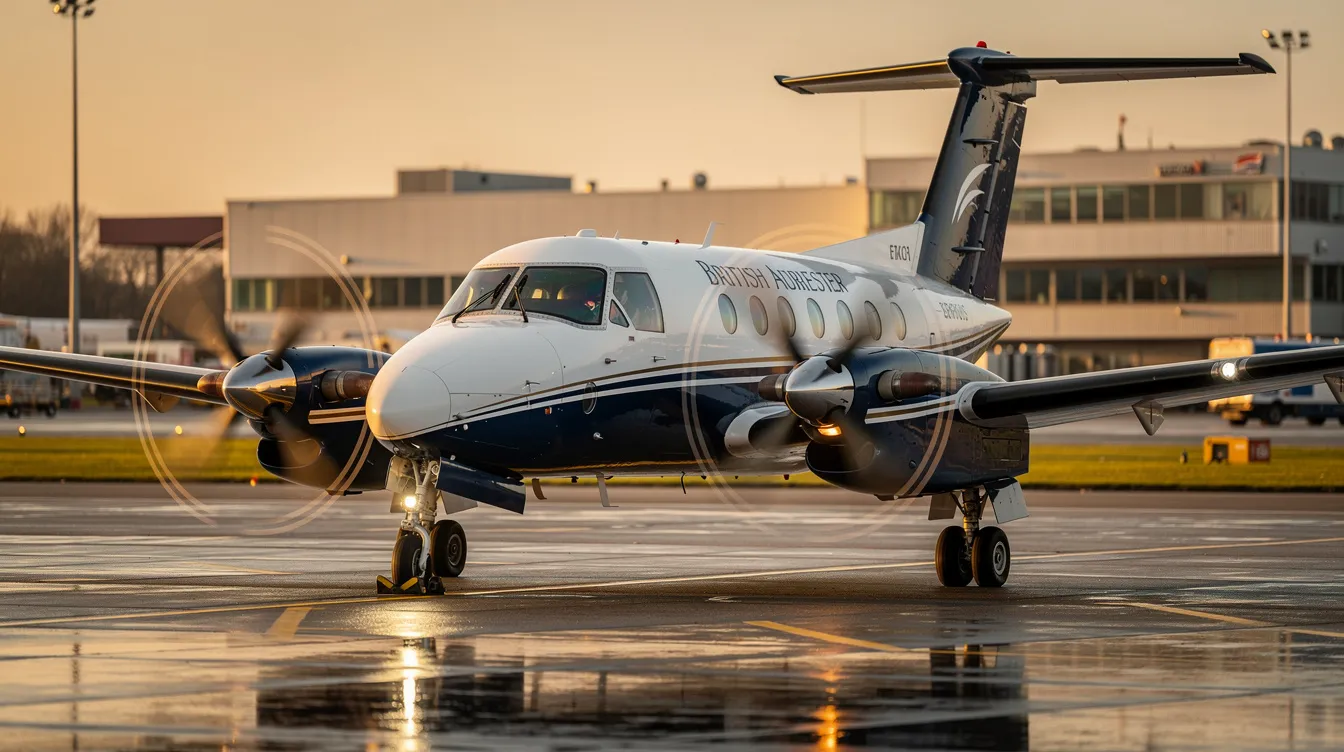
The British Aerospace Jetstream 31 is a 19-seat twin-turboprop aircraft that has been in service since the early 1980s, primarily used for regional airline, corporate shuttle, and charter operations. It offers a practical solution for short-haul travel, connecting smaller cities to major hubs, and is favored for its cost-effectiveness and ability to operate from smaller airports. While not a luxury private jet, the Jetstream 31 provides a comfortable flying experience and is available for charter through platforms like Jettly, which facilitates bookings and offers tailored services. With a solid safety record and a history of continuous operational use, the Jetstream 31 remains a reliable choice for group travel.
Jay Franco Serevilla
Jun 15, 2026
|
5
min read

View all
Fargo Jet Center, located at Hector International Airport in Fargo, ND, is a premier full-service fixed base operator (FBO) offering 24/7 services including refueling, aircraft maintenance, and customs clearance. It serves as a key hub for private and business aviation in the Upper Midwest, providing efficient ground handling and passenger amenities. Jettly enhances the travel experience by connecting users to charter flights and facilitating seamless bookings, making it easier to access Fargo Jet Center's comprehensive aviation services. Together, they offer a reliable and convenient option for travelers seeking to avoid the congestion of larger airports.
Jay Franco Serevilla
Jun 15, 2026
|
5
min read

View all
The Beechcraft Premier 1A is a light business jet produced from 2006 to 2013, designed for short- to mid-range travel with a range of approximately 1,500 nautical miles and a maximum cruise speed of Mach 0.80. It features a spacious cabin for up to six passengers, powered by twin Williams FJ44-2A engines, and is equipped with advanced Rockwell Collins Pro Line 21 avionics, allowing for single-pilot operation. Currently, pre-owned models are available for around $1.7 to $2.5 million, and charter rates typically range from $3,500 to $4,000 per hour, making it a cost-effective option for business and leisure travel. The Premier 1A remains popular in charter fleets and is well-regarded for its performance, comfort, and operational flexibility.
Jay Franco Serevilla
Jun 15, 2026
|
5
min read

View all
The Piper Meridian (PA-46-500TP) is a cost-effective and efficient single-engine turboprop ideal for private charter travelers, offering a maximum cruise speed of 267 knots and a range of approximately 1,000 nautical miles. Its pressurized cabin comfortably seats up to six passengers, making it suitable for both business and leisure trips, while modern avionics enhance safety and situational awareness. The aircraft's ability to operate from shorter runways provides added flexibility, allowing access to smaller airports. Jettly's platform offers transparent pricing and instant quotes for Piper Meridian charters, making it a convenient option for travelers seeking private aviation solutions.
Jay Franco Serevilla
Jun 15, 2026
|
5
min read
Explore our latest articles and updates.

5
min read
Jet Airways Book Tickets: How to Find, Compare, and Book Jet Airways Flights in 2026
As of July 2026, Jet Airways is not operating scheduled flights, leaving travelers to seek alternatives. Options include flying with other airlines like Air India or chartering private jets through Jettly, which offers access to over 20,000 aircraft. This guide provides insights on how to find and book flights, compare options, and understand pricing for private charters.
Read More
5
min read
Flying on JetBlue: What to Expect (and When Private Charter Makes More Sense)
Flying on JetBlue provides travelers with a comfortable economy experience, featuring generous legroom, free Wi-Fi, and various fare options from Blue Basic to Mint. JetBlue's exclusive operations from JFK's Terminal 5 enhance convenience, while private jet charters through Jettly offer flexibility for complex itineraries. Combining both options can optimize travel plans for leisure and business travelers alike.
Read MoreJoin our community and receive the latest blog updates directly in your inbox.
MEMBERSHIPS AND ASSOCIATIONS



Disclaimer: Jettly operates as a charter broker, offering access to a global digital jet charter marketplace. Jettly is not a direct air carrier and does not own or operate aircraft. All advertised flights are conducted by third-party air carriers that are fully licensed and hold the appropriate Part 135 or Part 121 certifications issued by the Federal Aviation Administration (FAA) or equivalent regulatory authorities under U.S. or foreign law. Jettly complies fully with the U.S. Department of Transportation's Part 295 and Part 298 Charter Broker regulations. Jettly does not carry additional liability insurance. Passengers are covered by aircraft operator insurance. TICO: 50023770


