


Login
Get Instant Pricing On 23,000+ Aircraft


Ultralight planes are an excellent choice for aviation enthusiasts and first-time buyers in 2026, offering affordable entry into personal flying. This guide covers essential information on prices, regulations, and how Jettly complements your flying plans, ensuring you make informed decisions. Understanding the differences between ultralights, light sport aircraft, and experimental builds is crucial for navigating the market.
Jay Franco Serevilla
Aug 5, 2026
|
5
min read



View all
Private Low Fares is widely regarded as a scam by Reddit users, who report issues such as missing tickets, surprise charges, and personal data risks. Many travelers have experienced bait-and-switch tactics, where advertised low fares are suddenly unavailable, leading to demands for additional payments. Users are advised to book directly through airlines or reputable platforms like Google Flights to avoid these risks. For those seeking private jet charters, platforms like Jettly offer transparent pricing and confirmed bookings, distinguishing them from unreliable low-fare sites.
Jay Franco Serevilla
May 20, 2026
|
5
min read
View all
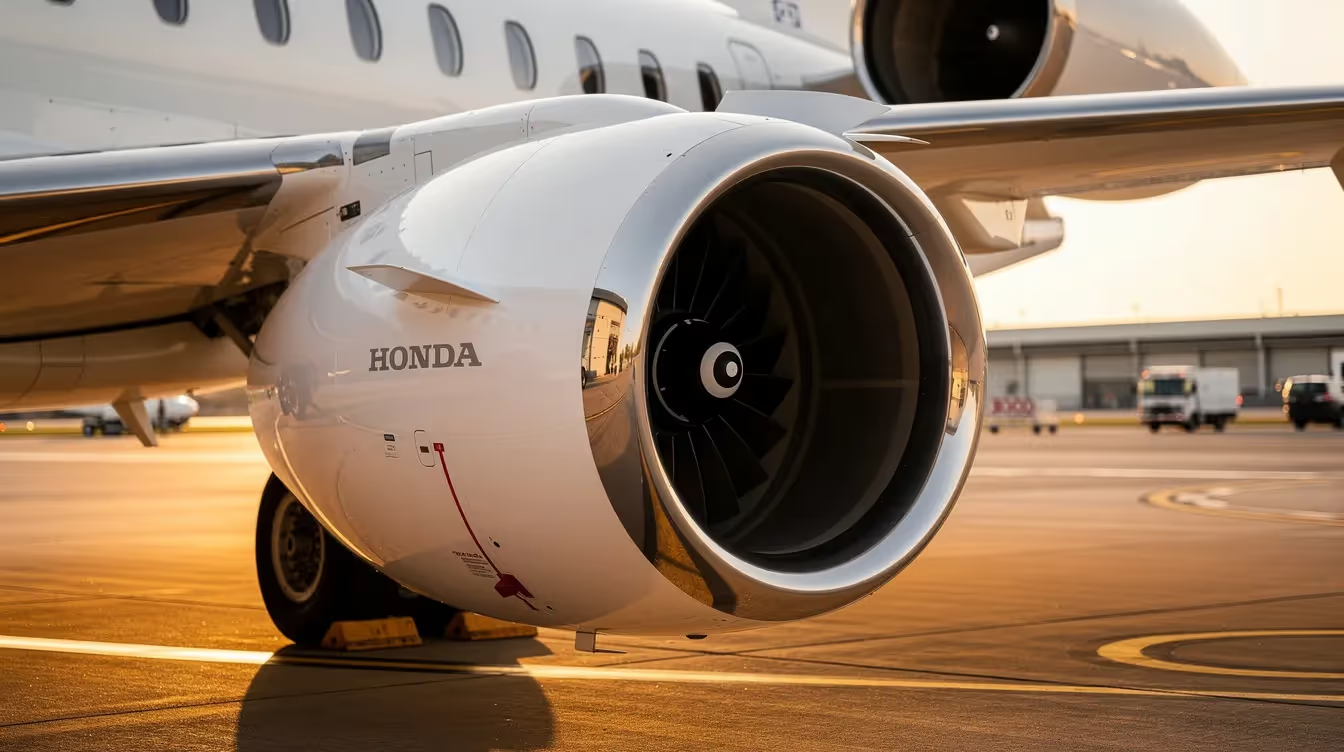
The HondaJet features the GE Honda HF120 turbofan engine, known for its over-the-wing engine mount design, which enhances aerodynamic performance and fuel efficiency, making it a competitive option in the private jet charter market. With a range of approximately 1,000–1,200 nautical miles and a maximum cruising speed of 422 knots, the HondaJet is ideal for short to medium-range missions, accommodating 2-5 passengers comfortably. The aircraft's innovative design allows for increased cabin space and reduced noise, while its fuel efficiency can lead to lower operating costs for charter users. Jettly offers on-demand access to HondaJet charters, providing transparent pricing and a wide selection of aircraft for various travel needs.
Jay Franco Serevilla
May 20, 2026
|
5
min read

View all
HondaJet sales are a key indicator of trends in the very light and light business jet markets, with the HondaJet family recognized for its innovative design and fuel efficiency. The HondaJet has consistently led its segment, delivering 37 units in 2021 and surpassing 250 total deliveries by early 2024, while the fleet has accumulated over 210,000 flight hours. Buyers can choose between ownership or charter options, with platforms like Jettly offering flexible access to HondaJets without the costs associated with ownership. The upcoming HondaJet Echelon aims to capture a larger market share, reflecting Honda's commitment to advancing private aviation technology and meeting evolving customer preferences.
Jay Franco Serevilla
May 20, 2026
|
5
min read
View all
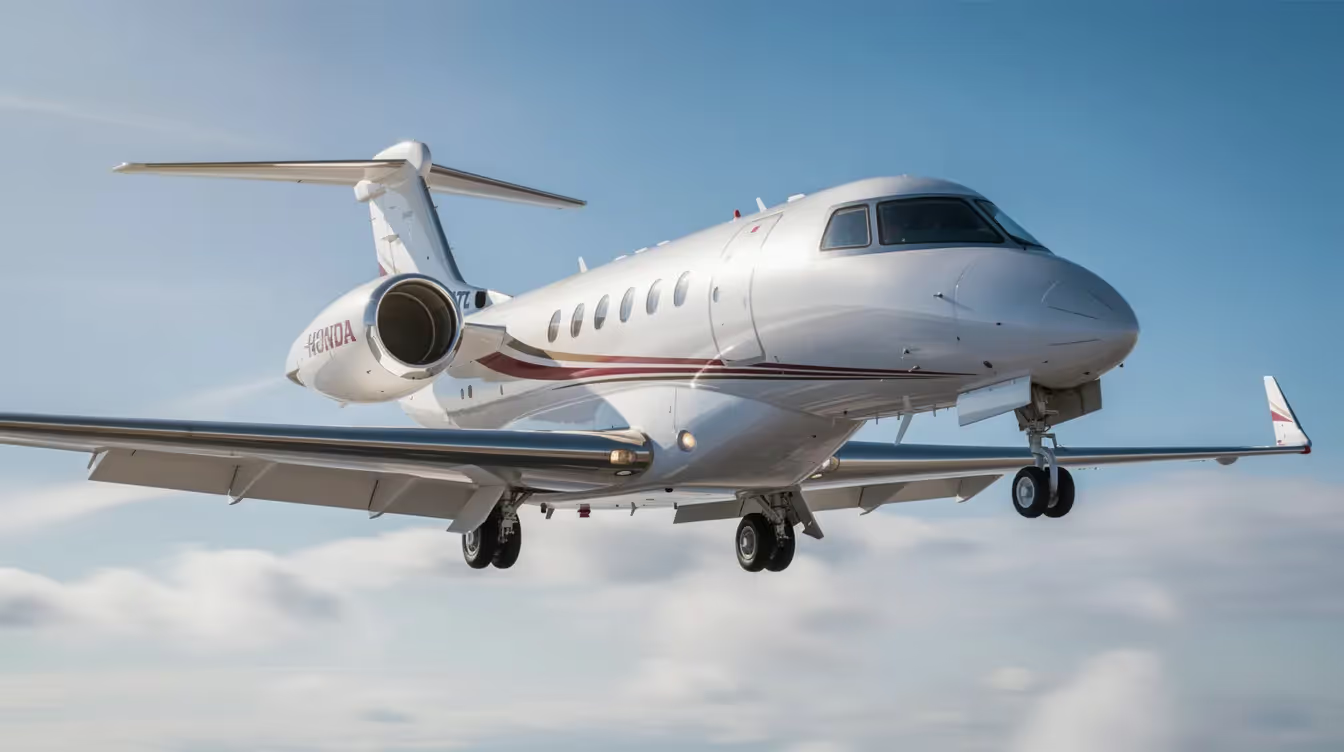
The article outlines the pricing and ownership costs of HondaJet aircraft, ranging from approximately $2.5 million for older models to over $6 million for new HondaJet Elite II models. It emphasizes that total ownership costs, including fixed and variable expenses, can reach $500,000 to $1.2 million annually, making chartering a more flexible option for those flying under 150-200 hours per year. For frequent flyers, ownership may become more viable, but Jettly provides a convenient alternative for accessing HondaJet-level travel without the long-term commitment of ownership. Overall, understanding the comprehensive costs associated with HondaJet ownership versus chartering is crucial for informed decision-making in private jet travel.
Jay Franco Serevilla
May 20, 2026
|
5
min read

View all
UberJets is a membership-based private jet charter service that utilizes its Virtual Hangar app to connect travelers with a wide network of aircraft, catering primarily to frequent flyers who value convenience and personalized support. The platform offers features such as aircraft comparison, empty-leg flight opportunities, and a dedicated flight advisor, making it suitable for those flying 20–50 hours annually. However, occasional travelers may find better value with Jettly, which provides on-demand access to a larger fleet without the need for a membership. Ultimately, the choice between UberJets and Jettly depends on individual travel frequency, budget, and preferences for technology versus personalized service.
Jay Franco Serevilla
May 20, 2026
|
5
min read

View all
Deer Jet is a leading Chinese private jet company known for its ultra-luxury Dream Jet experience, particularly featuring the Boeing 787 Dream Jet, which offers a lavish cabin and bespoke services for VVIP travel. Established in 1995, Deer Jet has played a significant role in the growth of business aviation in Asia, operating a large fleet and providing on-demand charter services across numerous global destinations. In contrast, Jettly is a digital private jet charter platform that connects travelers to a wide range of aircraft without the need for ownership, offering flexibility and transparent pricing. Both Deer Jet and Jettly cater to different aspects of private aviation, with Deer Jet focusing on high-end experiences and Jettly providing accessible options for various travel needs.
Jay Franco Serevilla
May 20, 2026
|
5
min read
Explore our latest articles and updates.

5
min read
Cheapest Time to Book a Flight: Practical Timing Rules for Private and Commercial Travel
Understanding the cheapest time to book a flight is essential for savvy travelers. Domestic flights are best booked 1 to 3 months in advance, while international flights should be booked 2 to 8 months ahead. Utilizing price alerts and remaining flexible with travel dates can lead to significant savings.
Read More
5
min read
Private Jet Program Guide: Modern Memberships, Jet Cards, and On-Demand Alternatives
Private jet programs provide flexible access to aircraft without the need for full ownership. Options include on-demand charters, jet cards, and membership programs, each catering to different travel needs and budgets. Jettly stands out by offering instant pricing and booking across a vast network of private jets, making it an ideal choice for both business and leisure travelers.
Read MoreJoin our community and receive the latest blog updates directly in your inbox.
MEMBERSHIPS AND ASSOCIATIONS



Disclaimer: Jettly operates as a charter broker, offering access to a global digital jet charter marketplace. Jettly is not a direct air carrier and does not own or operate aircraft. All advertised flights are conducted by third-party air carriers that are fully licensed and hold the appropriate Part 135 or Part 121 certifications issued by the Federal Aviation Administration (FAA) or equivalent regulatory authorities under U.S. or foreign law. Jettly complies fully with the U.S. Department of Transportation's Part 295 and Part 298 Charter Broker regulations. Jettly does not carry additional liability insurance. Passengers are covered by aircraft operator insurance. TICO: 50023770


