



Login
Get Instant Pricing On 23,000+ Aircraft


Jet Agency-style private jet membership allows travelers to enjoy the benefits of private aviation without the burdens of ownership. By connecting clients with certified air carriers, this model offers flexibility, speed, and privacy for those who fly frequently. Jettly exemplifies this approach, providing access to over 20,000 aircraft with transparent pricing and concierge support.
Jeff Ryan Serevilla
Oct 19, 2026
|
5
min read


View all
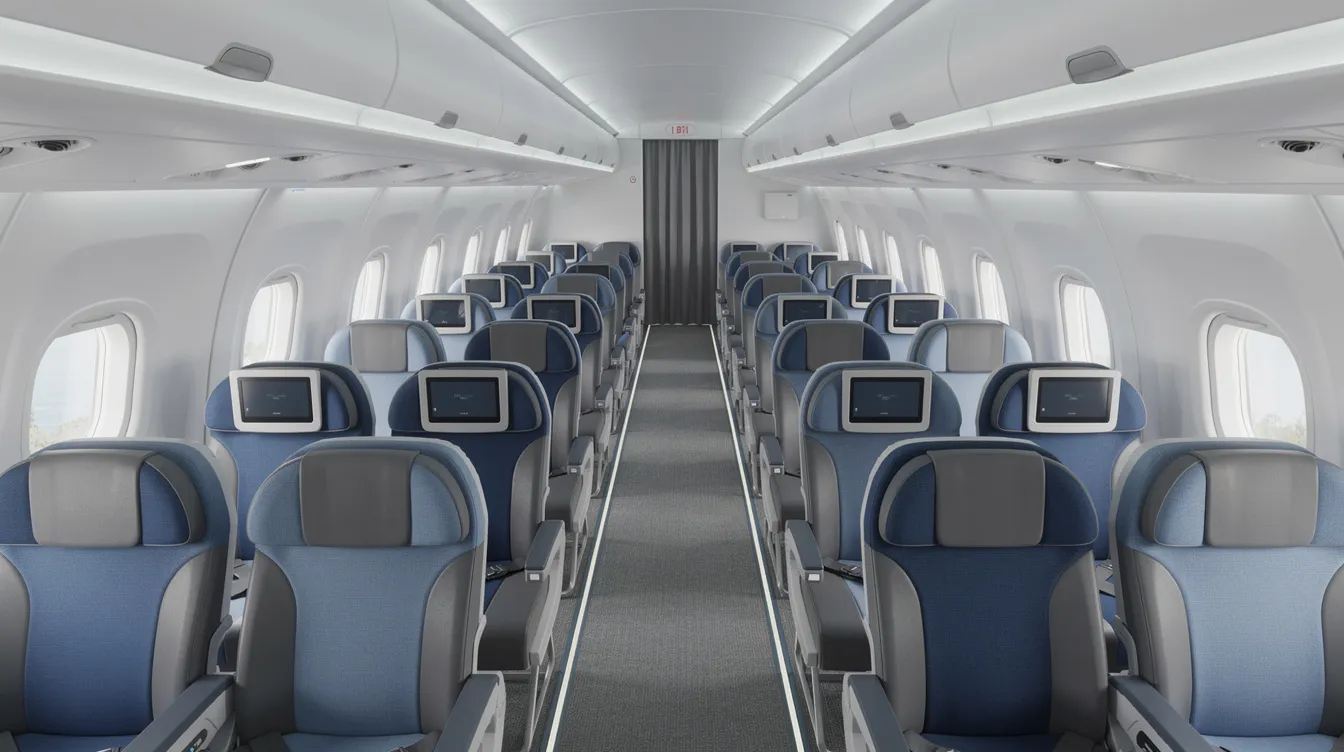
The Boeing 767, particularly the 767-300ER variant, typically accommodates between 200 and 270 passengers, with a common configuration seating around 226. The aircraft features a 2-3-2 economy layout, which is often preferred for its comfort compared to denser configurations found on other widebodies. Airlines customize seating arrangements based on their operational needs, leading to variations like United Airlines' premium-heavy 167-seat layout designed for transatlantic routes. For travelers seeking flexibility and privacy, private jet charter options through platforms like Jettly offer tailored experiences that contrast with the fixed-capacity nature of commercial flights.
Jay Franco Serevilla
Jun 24, 2026
|
5
min read

View all
Jettly offers on-demand private jet charters in Indianapolis, connecting travelers to major airports like Indianapolis International, Executive, and Regional. The platform provides instant pricing and access to over 20,000 aircraft worldwide, catering to both business and leisure needs. With a focus on transparency and convenience, Jettly allows users to book flights online and customize their travel experience. Whether for corporate meetings or events like the Indy 500, Jettly simplifies private jet travel with flexible options and efficient airport recommendations.
Jay Franco Serevilla
Jun 24, 2026
|
5
min read

View all
ImperialJet is a well-established private jet charter operator in Europe and the Middle East, known for its fleet control and regional expertise, while Jettly is a digital marketplace offering access to over 20,000 aircraft globally. ImperialJet operates its own fleet under strict regulatory oversight, providing consistent service and tailored options for corporate and private travelers. In contrast, Jettly emphasizes flexibility and instant pricing through its tech-driven platform, appealing to those seeking a broader range of aircraft and routes without long-term commitments. The choice between the two depends on travelers' preferences for consistency versus flexibility in their private jet charter experience.
Jay Franco Serevilla
Jun 24, 2026
|
5
min read

View all
Flying on a private jet has become more affordable through strategies like utilizing empty leg flights, selecting smaller aircraft, and leveraging on-demand charter services such as Jettly. Travelers can save 30-75% on costs by being flexible with their schedules and choosing the right aircraft type, with prices ranging from $2,000 to over $10,000 per hour depending on the flight specifics. Jettly offers access to over 20,000 aircraft worldwide, providing transparent pricing and options for both on-demand and membership programs to help reduce travel expenses. By following practical tips and utilizing Jettly's platform, travelers can enjoy the benefits of private jet travel without the hefty price tag.
Jay Franco Serevilla
Jun 24, 2026
|
5
min read

View all
Private flights to Lake Tahoe provide significant time savings and convenience for travelers from major cities like San Francisco and Los Angeles, with options to land at Truckee Tahoe Airport, South Lake Tahoe Airport, or Reno-Tahoe International Airport. Charter costs range from approximately $3,500 to $26,000, depending on aircraft type and season, with Jettly offering instant pricing and booking for over 20,000 aircraft. The flexibility of private aviation allows for customized departure times and the ability to bypass crowded commercial hubs, making it ideal for families, business groups, and ski enthusiasts. Jettly's platform streamlines the booking process, ensuring travelers can easily compare options and secure their flights to this popular year-round destination.
Jay Franco Serevilla
Jun 24, 2026
|
5
min read
View all
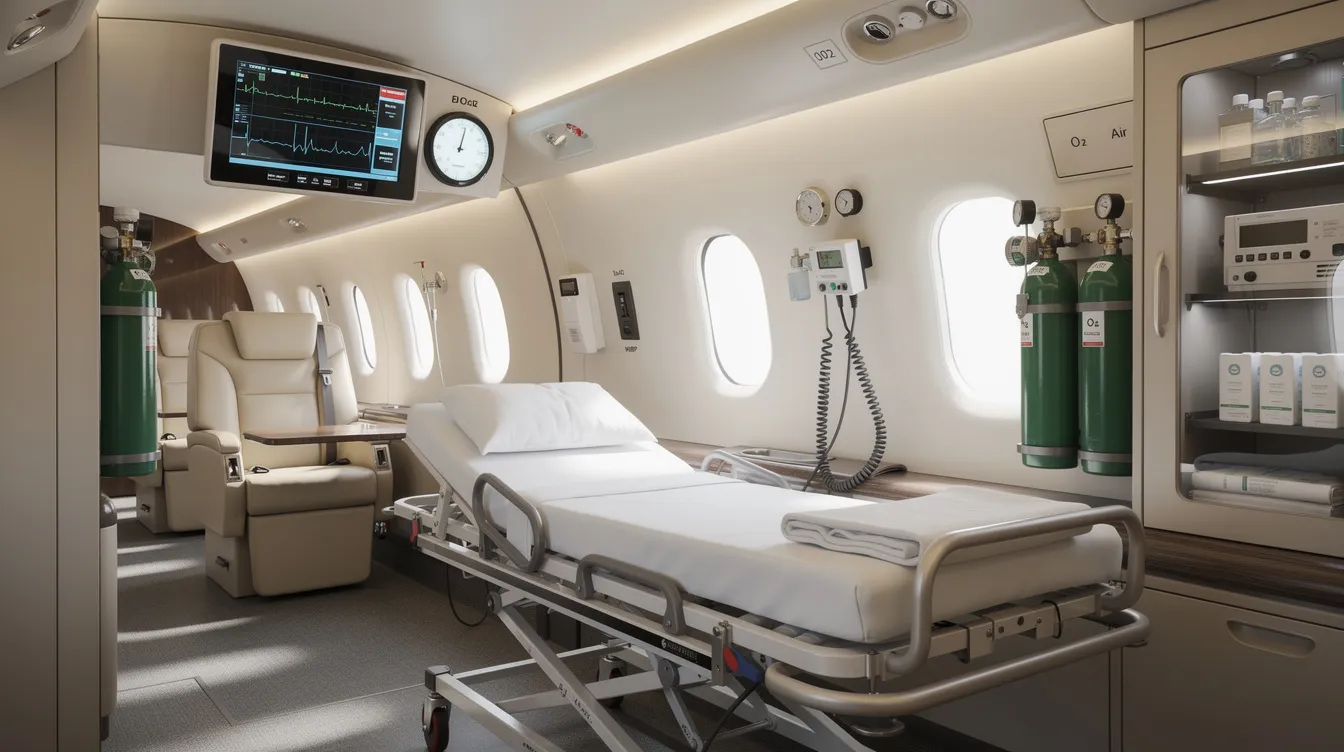
Ambulance jets are specialized aircraft designed as flying intensive care units, providing urgent medical transport for critically ill or injured patients across domestic and international routes. Equipped with hospital-grade medical equipment and staffed by certified medical professionals, these jets can handle time-sensitive conditions such as strokes, major trauma, and complex chronic illnesses. Jettly's platform facilitates quick arrangements for ambulance jets, offering access to over 20,000 aircraft and enabling services to be organized within four hours for emergencies. The service ensures that patients receive the necessary medical care during transit while coordinating logistics with hospitals and ground transport.
Jay Franco Serevilla
Jun 24, 2026
|
5
min read
Explore our latest articles and updates.

5
min read
Bombardier Dash 8 Q400 (De Havilland Dash 8-400): Guide, Specs, and Charter Use
The De Havilland Dash 8 Q400 is a fast, fuel-efficient turboprop aircraft designed for regional travel, accommodating 70 to 90 passengers. Known for its operational flexibility and ability to access shorter runways, it serves both commercial airlines and private charters through platforms like Jettly. This guide covers its specifications, performance, and chartering options, making it ideal for business and leisure travelers alike.
Read More
5
min read
Airbus A340-600: Long-Haul Four-Engine Icon for Private and Charter Travel
The Airbus A340-600 is a long-haul, four-engine airliner known for its high capacity and range, making it ideal for charter and VIP travel. Despite being retired by many airlines, it remains relevant in the charter market due to its spacious cabin and reliability. This article explores its specifications, operational history, and how it compares to other aircraft for private travel.
Read MoreJoin our community and receive the latest blog updates directly in your inbox.
MEMBERSHIPS AND ASSOCIATIONS



Disclaimer: Jettly operates as a charter broker, offering access to a global digital jet charter marketplace. Jettly is not a direct air carrier and does not own or operate aircraft. All advertised flights are conducted by third-party air carriers that are fully licensed and hold the appropriate Part 135 or Part 121 certifications issued by the Federal Aviation Administration (FAA) or equivalent regulatory authorities under U.S. or foreign law. Jettly complies fully with the U.S. Department of Transportation's Part 295 and Part 298 Charter Broker regulations. Jettly does not carry additional liability insurance. Passengers are covered by aircraft operator insurance. TICO: 50023770


