



Login
Get Instant Pricing On 23,000+ Aircraft

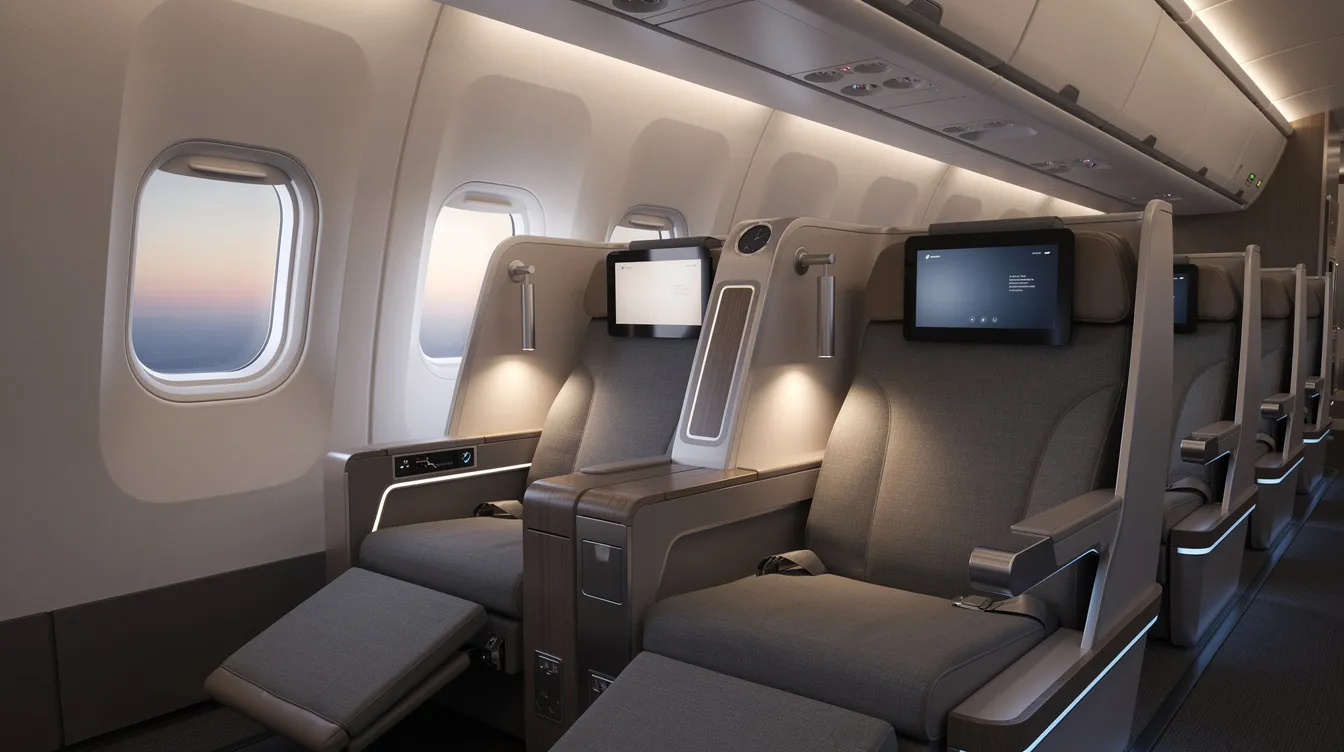
Flying business class offers travelers enhanced comfort, priority services, and access to airport lounges, making long-haul flights more enjoyable. However, for those seeking ultimate privacy and flexibility, private jet charters through platforms like Jettly present a compelling alternative. This guide explores the benefits, costs, and comparisons between business class and private jet travel.
Jay Franco Serevilla
Oct 14, 2026
|
5
min read



View all
Jetfly, a Luxembourg-based business aviation group founded in 1999, specializes in fractional ownership of Pilatus aircraft, making it one of Europe's largest operators in this sector. It offers a unique model where owners pay only for the flight hours they use, with contracts typically lasting 10 years, appealing to frequent European travelers. In contrast, on-demand charter platforms like Jettly provide flexible, pay-per-trip options without long-term commitments, catering to occasional flyers or those needing global access. As private aviation evolves, understanding the differences between Jetfly's shared ownership and Jettly's charter services is crucial for making informed travel decisions.
Jay Franco Serevilla
Jun 15, 2026
|
5
min read

View all
Monmouth Jet Center at Monmouth Executive Airport (KBLM) in Wall Township, NJ, offers a convenient private aviation gateway for travelers to the Jersey Shore and New York City, featuring a 7,345 ft runway and 24/7 operations. Jettly's digital charter platform facilitates easy flight booking from a global fleet of over 20,000 aircraft, providing instant pricing and various options for travelers. The airport's enhanced security and streamlined services allow for a more efficient travel experience compared to larger commercial airports. With on-site amenities and flight training options, Monmouth Jet Center caters to both business and leisure travelers seeking flexibility and reduced delays.
Jay Franco Serevilla
Jun 15, 2026
|
5
min read

View all
The TBM 900 is a high-performance single-engine turboprop aircraft launched in 2014, known for its speed and cost efficiency, cruising at approximately 326 knots with a range of about 1,730 nautical miles. With annual operating costs around $717,728 and a list price of $3.9 million, it is popular among owner-pilots and charter operators, particularly for regional business and leisure travel. Chartering through platforms like Jettly offers flexibility and competitive pricing, making it an attractive alternative to ownership, especially for those flying fewer than 200 hours annually. The TBM 900's capabilities, including short-field performance and advanced avionics, position it as a strong contender in the private aviation market.
Jay Franco Serevilla
Jun 15, 2026
|
5
min read

View all
Lebanon Municipal Airport (M54) in Tennessee serves as a general aviation hub, offering private and business travelers quick access to Nashville without the congestion of larger airports. The airport features a 5,000-foot runway and full FBO services provided by Direct Flight Solutions, including fuel, maintenance, and rental cars. Jettly facilitates on-demand private jet charters to and from the airport, providing flexible aircraft options and instant pricing. With amenities such as conference rooms, flight training, and crew support, Lebanon Municipal Airport is well-equipped for corporate and leisure travel.
Jay Franco Serevilla
Jun 15, 2026
|
5
min read

View all
Chantilly Air Jet Center at Washington Manassas Airport offers comprehensive private aviation services, including FBO operations, aircraft management, maintenance, and charter services, catering to both business and leisure travelers in the D.C. area. Partnering with Jettly, a digital charter marketplace, travelers can easily book and compare charter flights, optimizing their travel experience by selecting the most suitable aircraft and airport. Chantilly Air's facility provides essential ground support and amenities, making it a practical alternative to busier airports like Dulles and Reagan National, especially during peak travel times. This collaboration enhances efficiency, cost-effectiveness, and convenience for private flyers, ensuring a streamlined travel experience in the Washington, D.C. region.
Jay Franco Serevilla
Jun 15, 2026
|
5
min read
View all
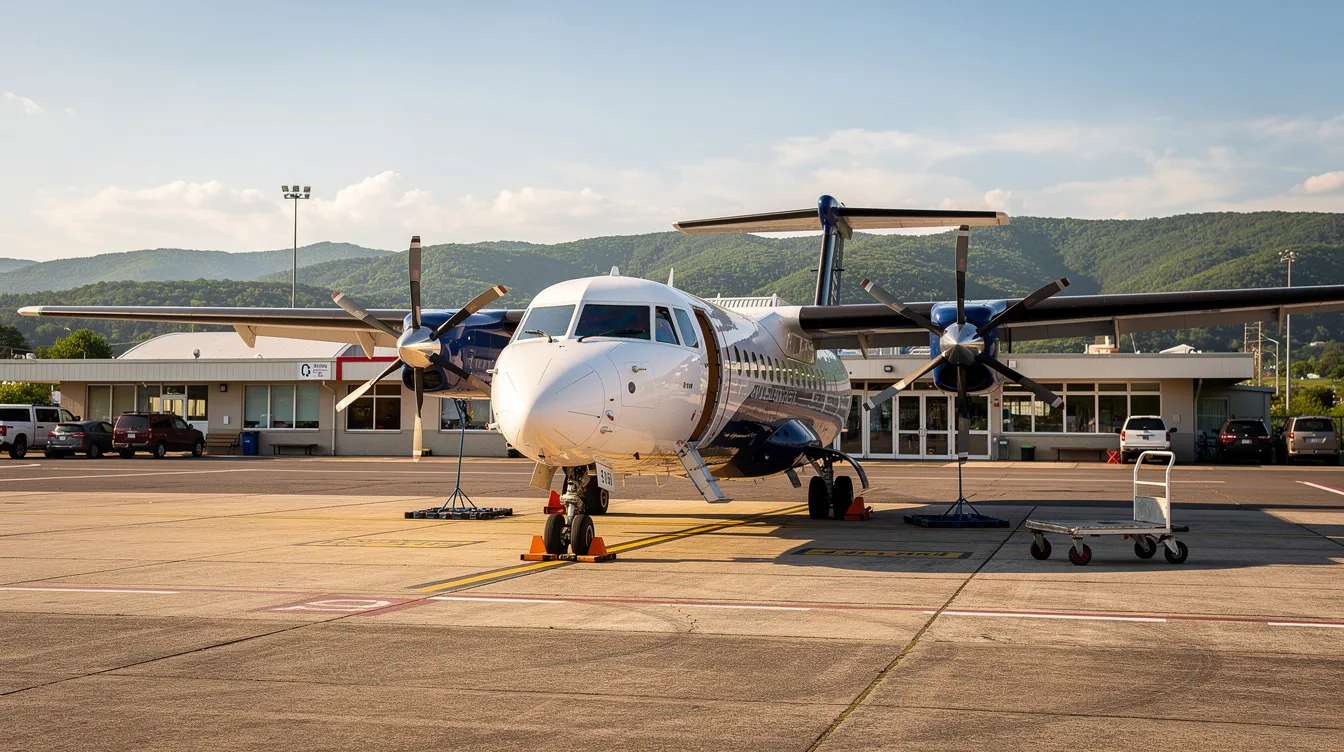
The ATR 72-500 is a cost-efficient turboprop aircraft designed for regional routes, offering low operating costs and the ability to access smaller airports that larger jets cannot serve. With a seating capacity of 68 to 74 passengers and a maximum operating cost of approximately $2,879 per hour, it is favored by regional airlines and charter operators for its fuel efficiency and versatility. The aircraft features advanced systems for improved performance and passenger comfort, making it suitable for both passenger and cargo operations. Platforms like Jettly facilitate access to the ATR 72-500 for group charters, emphasizing its economic advantages for large travel groups and regional logistics.
Jay Franco Serevilla
Jun 15, 2026
|
5
min read
Explore our latest articles and updates.

5
min read
How Much Is It to Purchase a Private Jet? A 2026 Cost Breakdown
In 2026, purchasing a private jet ranges from approximately $2 million for older very light jets to over $100 million for ultra-long-range models, with annual operating costs typically between $500,000 and $2 million. Buyers must consider not only the acquisition cost but also ongoing expenses such as crew salaries, maintenance, and insurance, which can significantly impact total ownership costs. For those flying less than 200 hours annually, chartering through platforms like Jettly may be more cost-effective than ownership, while frequent flyers may benefit from full or fractional ownership. Understanding the various costs and options available is crucial for making informed decisions about private jet travel.
Read More
5
min read
NetJets Safety Record: What Private Fliers Should Really Know
NetJets boasts a long-standing safety record, operating over 792 aircraft without a passenger fatality for more than five decades until a recent incident in June 2026. The company emphasizes safety through rigorous training, a structured Safety Management System, and certifications like ARGUS Platinum and IS-BAO Stage III, alongside a culture that encourages reporting safety concerns. However, recent disputes with the NetJets Association of Shared Aircraft Pilots have raised questions about maintenance documentation and fatigue management, highlighting the importance of maintaining a transparent safety culture. Travelers can also consider alternatives like Jettly, which connects clients with vetted operators that meet similar safety standards while offering flexibility and cost transparency.
Read MoreJoin our community and receive the latest blog updates directly in your inbox.
MEMBERSHIPS AND ASSOCIATIONS



Disclaimer: Jettly operates as a charter broker, offering access to a global digital jet charter marketplace. Jettly is not a direct air carrier and does not own or operate aircraft. All advertised flights are conducted by third-party air carriers that are fully licensed and hold the appropriate Part 135 or Part 121 certifications issued by the Federal Aviation Administration (FAA) or equivalent regulatory authorities under U.S. or foreign law. Jettly complies fully with the U.S. Department of Transportation's Part 295 and Part 298 Charter Broker regulations. Jettly does not carry additional liability insurance. Passengers are covered by aircraft operator insurance. TICO: 50023770


