


Login
Get Instant Pricing On 23,000+ Aircraft


Traveling from Pittsburgh to Key West offers various flight options, including limited nonstop services and connecting itineraries. Private charters provide a direct and flexible alternative, with prices and schedules varying by season. Understanding the best times to book and the differences between commercial and private flights can enhance your travel experience.
Jeff Ryan Serevilla
Oct 9, 2026
|
5
min read



View all
Naples Aviation at Naples Municipal Airport (APF) serves as the primary gateway for private jet travelers to Southwest Florida, offering essential services such as flight planning, fuel, and customs. The airport handles approximately 85,000 operations annually and significantly contributes $273 million to the local economy. With a focus on general and corporate aviation, Naples Aviation provides a modern terminal and amenities to enhance the travel experience, while Jettly offers a digital marketplace for comparing private jet options. The airport enforces a voluntary curfew and prioritizes noise management, ensuring a commitment to community engagement and safety.
Jay Franco Serevilla
Jun 14, 2026
|
5
min read
View all
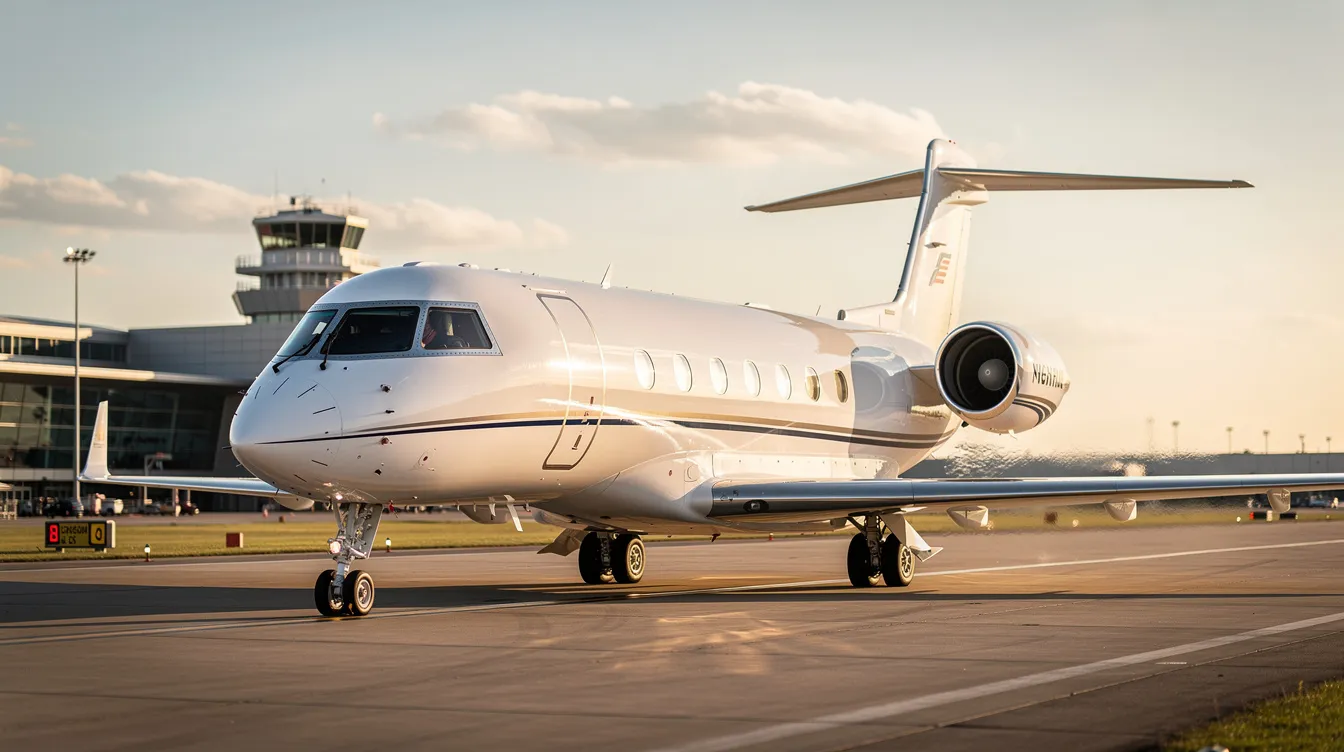
The Gulfstream G550 is an ultra-long-range private jet with a maximum range of approximately 6,750 nautical miles, accommodating up to 19 passengers in high-density layouts or 12-16 in typical configurations. It features advanced Rolls-Royce engines, a spacious cabin designed for long flights, and high dispatch reliability, making it ideal for nonstop missions between major global cities. Jettly offers a digital platform for chartering the G550, providing flexible access without ownership commitments, and allows users to compare pricing and options for various routes. Overall, the G550 combines performance, comfort, and convenience for both business and leisure travelers.
Jay Franco Serevilla
Jun 14, 2026
|
5
min read
View all
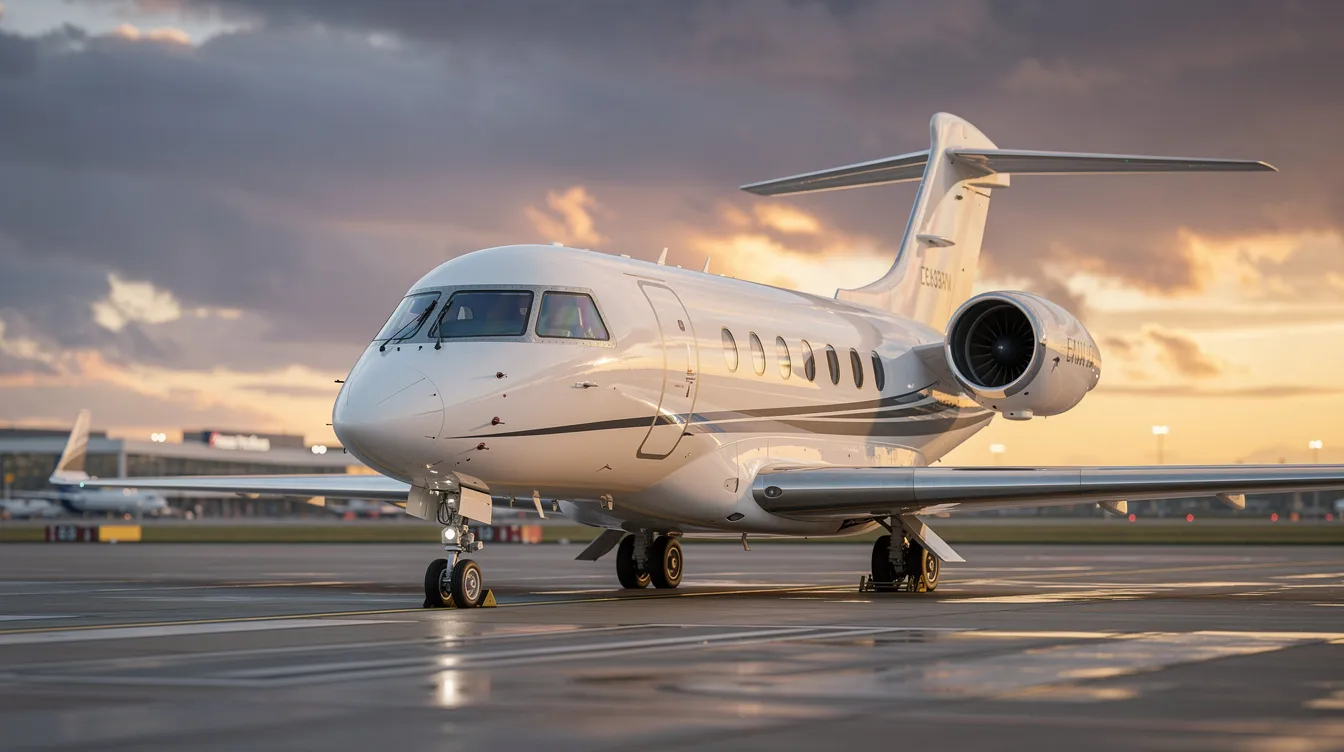
The Dassault Falcon 10X is an ultra-long-range business jet designed for global travelers, offering a range of 7,500 nautical miles and accommodating up to 19 passengers in the largest cabin in its class. Powered by advanced Rolls-Royce Pearl 10X engines, it features cutting-edge technology, including an all-touchscreen cockpit and a Digital Flight Control System, enhancing safety and efficiency. Scheduled for service entry around 2027, the Falcon 10X aims to redefine private jet travel with its superior performance and comfort, making it ideal for nonstop intercontinental flights. Jettly provides access to comparable ultra-long-range aircraft with instant pricing and flexible booking options for travelers seeking private aviation solutions.
Jay Franco Serevilla
Jun 14, 2026
|
5
min read
View all
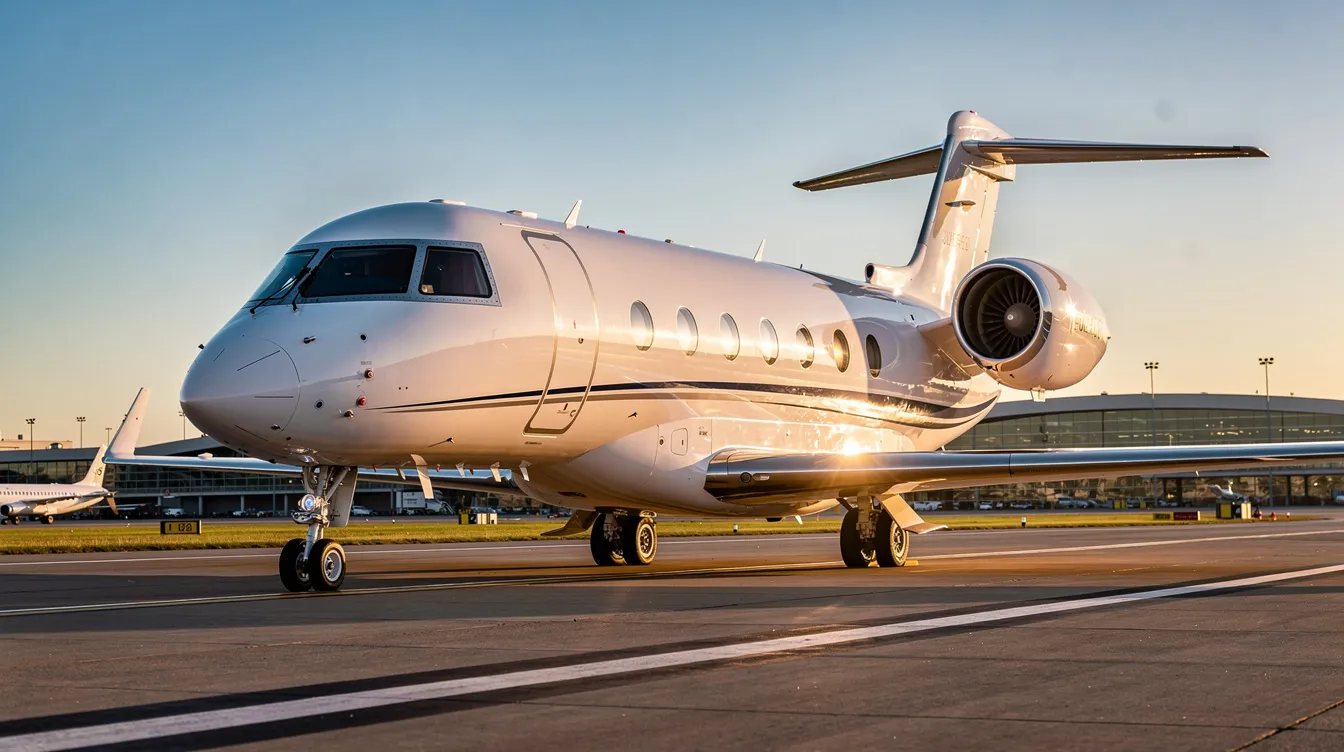
The Gulfstream G400 is a new large-cabin business jet that offers a maximum range of 4,200 nautical miles and a cruising speed of Mach 0.85, making it ideal for long-distance travel. Designed for comfort and productivity, it features a spacious cabin accommodating up to 12 passengers with flexible configurations and advanced technology for enhanced safety and efficiency. The aircraft is set to enter service in 2025, and charter options will be available through platforms like Jettly, which connects travelers to a wide range of private jets. With a competitive price point of $34.5 million, the G400 positions itself as an attractive alternative in the large-cabin jet market.
Jay Franco Serevilla
Jun 14, 2026
|
5
min read
View all
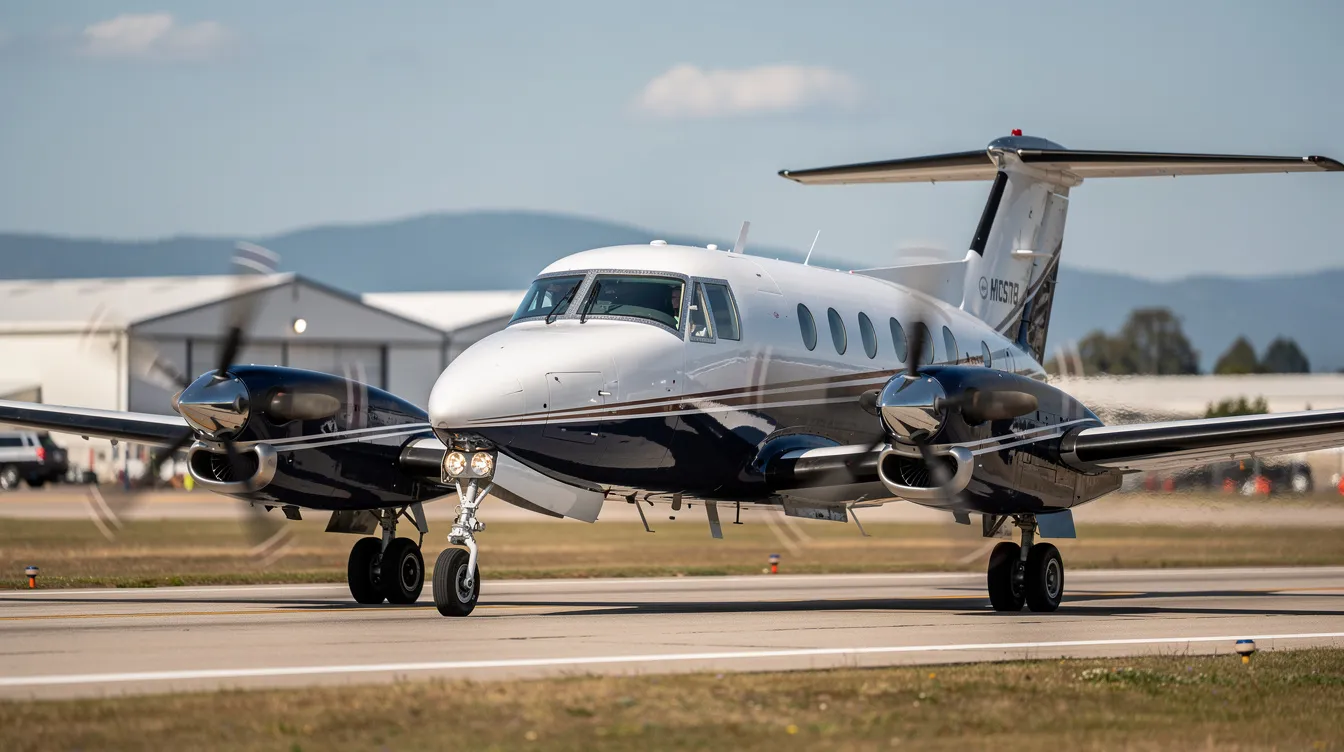
The Beechcraft King Air 300 is a versatile twin-engine turboprop aircraft known for its speed, range, and operational efficiency, making it suitable for various missions including business travel and air ambulance services. With a range of 1,480 nautical miles and a maximum cruise speed of 320 knots, it serves as a cost-effective alternative to light jets, particularly for regional routes. Ownership costs are high, with annual operating expenses around $1.16 million, prompting many travelers to opt for charter services through platforms like Jettly, which provide transparent pricing and easy access to flights. The King Air 300's ability to operate from smaller airports enhances its appeal for both corporate and leisure travel, offering flexibility and comfort without the complexities of ownership.
Jay Franco Serevilla
Jun 14, 2026
|
5
min read
View all
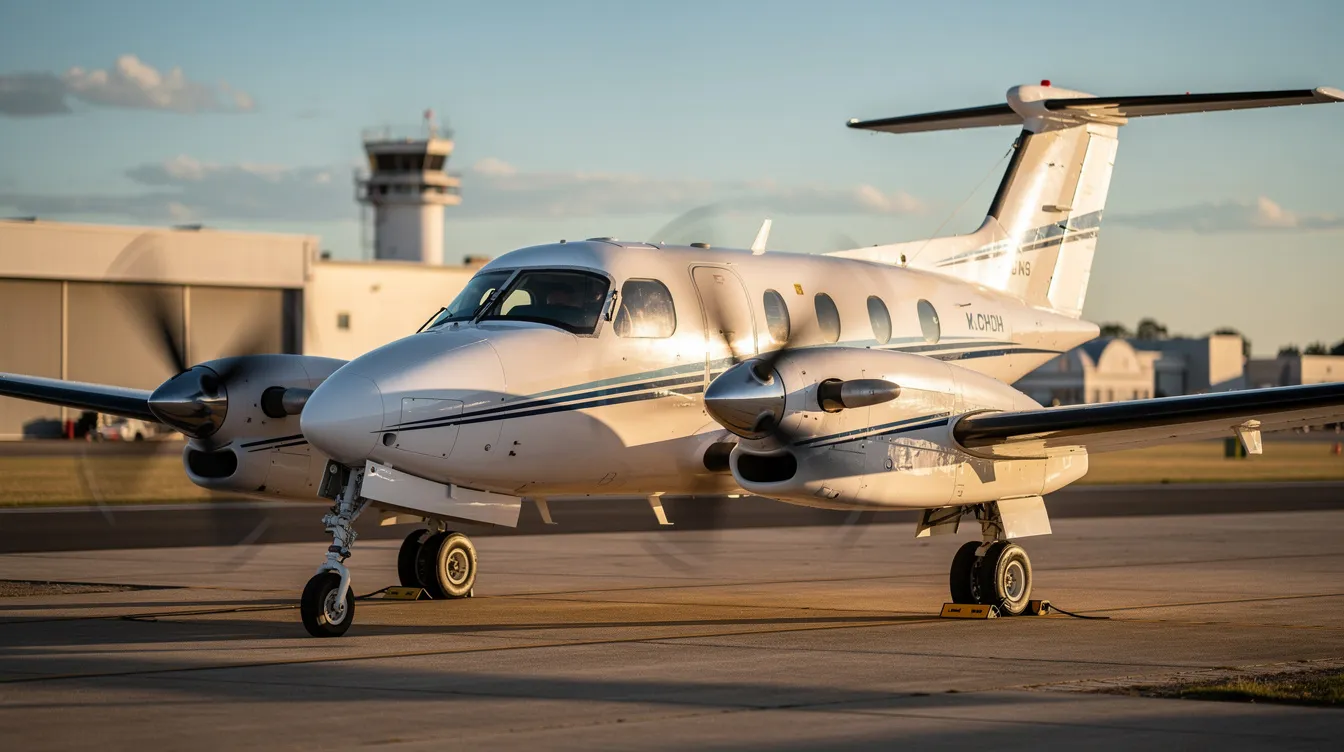
The Beechcraft King Air 250 is a versatile twin-engine turboprop ideal for regional private travel, offering a maximum range of 1,720 nautical miles and seating for 6-9 passengers. It features strong short-field performance, making it suitable for smaller airports, and is recognized for its comfort and efficiency, with a maximum cruise speed of 310 knots. Chartering through platforms like Jettly allows users to avoid the high costs of ownership, with annual operating costs exceeding $1 million and purchase prices ranging from $3.5 million to $5.5 million. The King Air 250 is particularly advantageous for business and leisure travel, providing flexibility and cost-effectiveness compared to jets.
Jay Franco Serevilla
Jun 14, 2026
|
5
min read
Explore our latest articles and updates.

5
min read
Private Jet Charter Colorado Springs: Fly Smarter with Jettly
Private jet charter in Colorado Springs offers a convenient and flexible travel solution for business and leisure travelers. With access to over 20,000 aircraft through Jettly, booking a flight is quick and hassle-free, allowing you to bypass commercial airline delays and enjoy tailored services. Experience the benefits of private aviation, including direct airport access and personalized itineraries.
Read More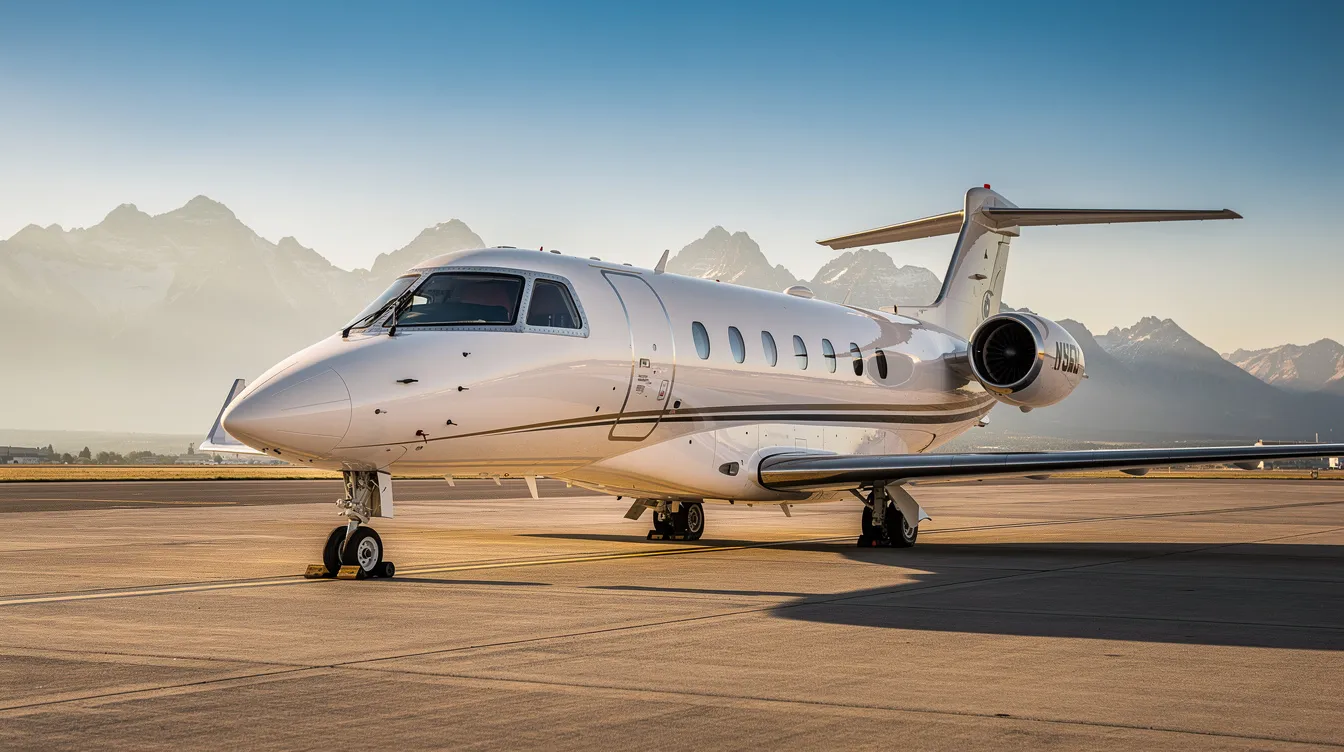
5
min read
Boise Charter Flights with Jettly: Private Jets, Pricing & Top Routes
Boise charter flights with Jettly offer travelers a flexible and efficient way to fly in and out of Idaho's capital. With access to over 20,000 aircraft, Jettly provides personalized scheduling, enhanced privacy, and direct routing to numerous destinations, making it ideal for both business and leisure travel.
Read MoreJoin our community and receive the latest blog updates directly in your inbox.
MEMBERSHIPS AND ASSOCIATIONS



Disclaimer: Jettly operates as a charter broker, offering access to a global digital jet charter marketplace. Jettly is not a direct air carrier and does not own or operate aircraft. All advertised flights are conducted by third-party air carriers that are fully licensed and hold the appropriate Part 135 or Part 121 certifications issued by the Federal Aviation Administration (FAA) or equivalent regulatory authorities under U.S. or foreign law. Jettly complies fully with the U.S. Department of Transportation's Part 295 and Part 298 Charter Broker regulations. Jettly does not carry additional liability insurance. Passengers are covered by aircraft operator insurance. TICO: 50023770


