


Login
Get Instant Pricing On 23,000+ Aircraft

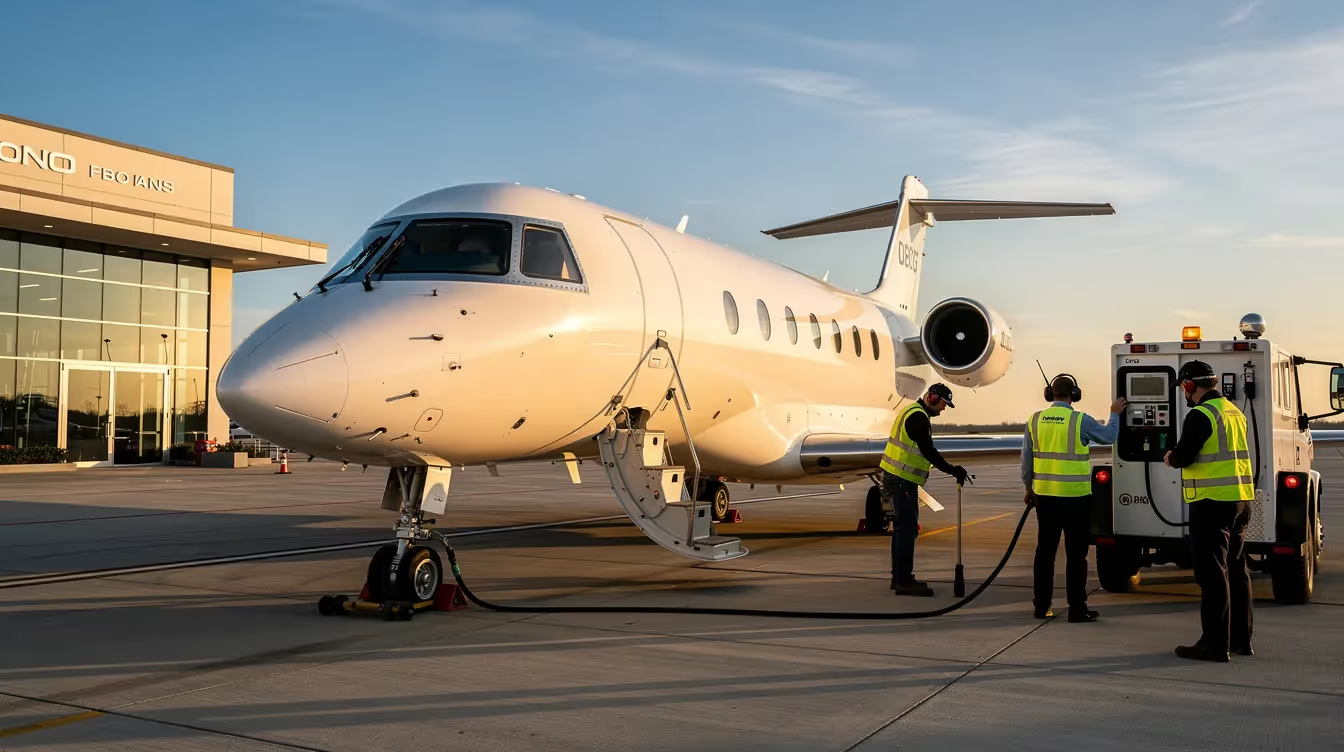
Aviation fuel is a major expense in private jet travel, accounting for 20%–40% of operating costs, which significantly impacts charter pricing. In March 2026, U.S. aviation fuel averaged $3.13 per gallon, reflecting a 30.9% increase from February, driven by crude oil prices, geopolitical tensions, and supply chain disruptions. Platforms like Jettly provide transparent, real-time pricing that includes fuel costs, helping travelers avoid unexpected surcharges and manage budgets effectively. Understanding the factors influencing fuel prices, such as regional variations and aircraft efficiency, allows travelers to make informed decisions for cost-effective private jet travel.
Jay Franco Serevilla
May 12, 2026
|
5
min read


View all
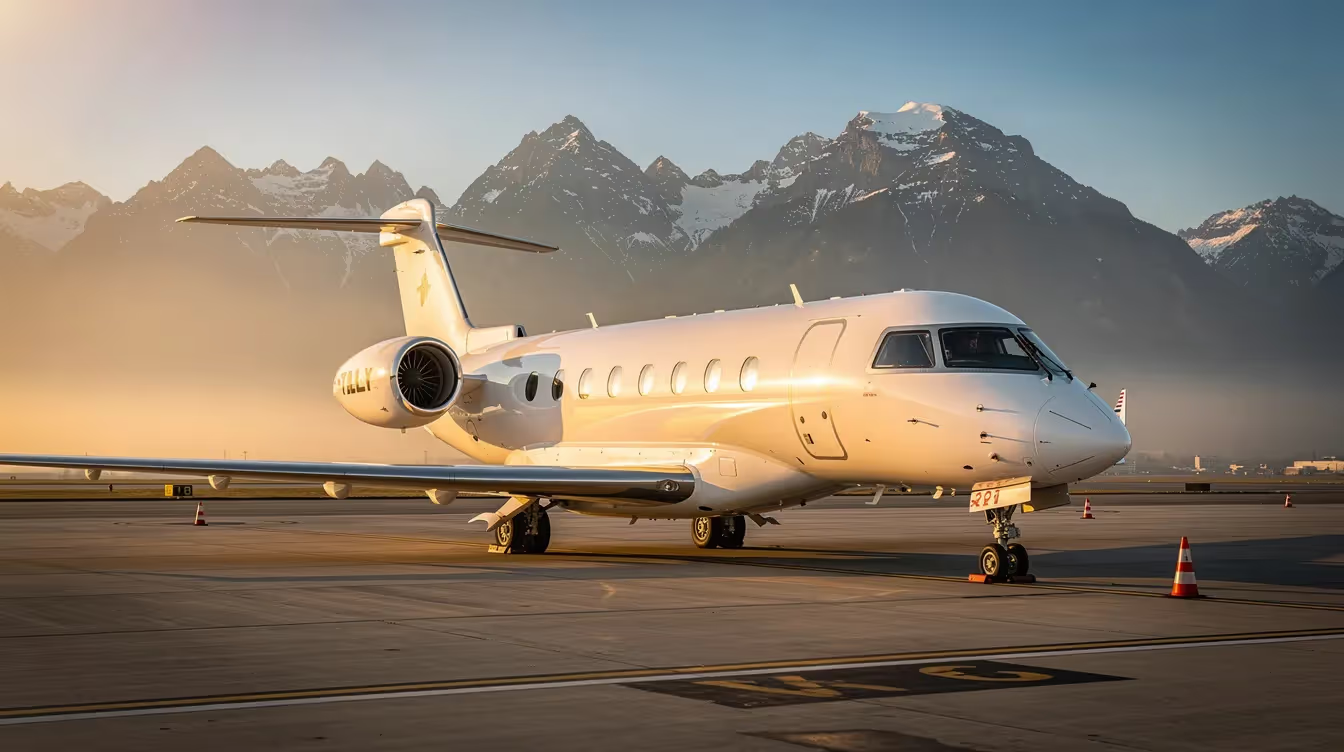
The Bombardier Challenger 604 is a heavy private jet known for its long-range capabilities and spacious cabin, accommodating up to 19 passengers, making it ideal for business and family travel. With a range of 3,700–4,000 nautical miles, it is suitable for transcontinental flights and has been a popular choice in private aviation since its introduction in 1995, with over 360 units delivered. Travelers can access this aircraft through Jettly’s charter platform, which offers flexible booking options without the need for ownership or long-term commitments. The Challenger 604 combines performance, comfort, and reliability, making it a strong contender in the large-cabin charter market.
Jay Franco Serevilla
Apr 18, 2026
|
5
min read
View all
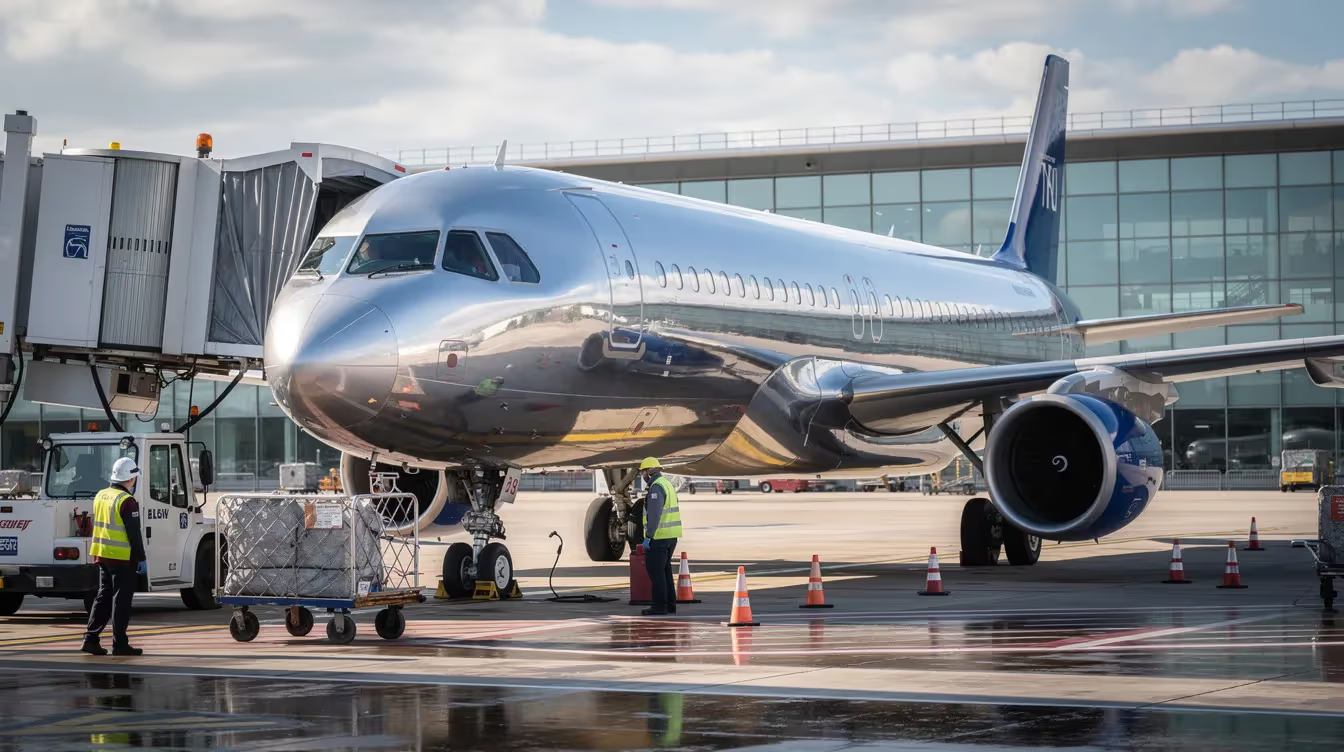
Empty planes, or flights operating with few or no passengers, are common in aviation due to regulatory requirements, aircraft repositioning, and maintenance needs. Airlines often operate these flights to retain valuable airport slots, while private jet operators create "empty legs" that can be booked at discounted rates. Although ghost flights contribute to significant CO₂ emissions, platforms like Jettly help travelers take advantage of empty legs, improving efficiency and reducing waste. Understanding the dynamics of empty flights can enhance travel experiences and offer unique opportunities for passengers.
Jay Franco Serevilla
Apr 18, 2026
|
5
min read
View all
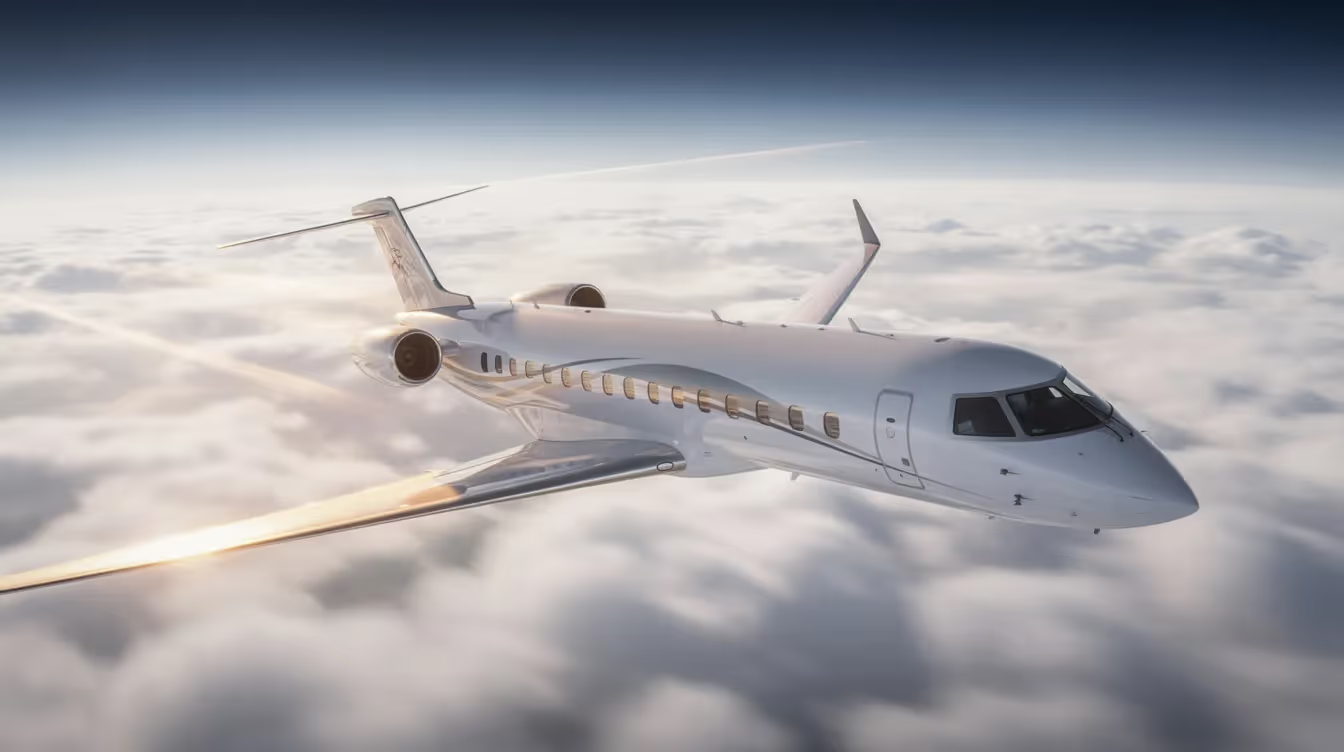
The Bombardier Global 6000 is an ultra-long-range business jet capable of flying approximately 6,000 nautical miles non-stop, making it ideal for intercontinental travel between major financial hubs. It features a spacious three-zone cabin accommodating 8–17 passengers, designed for comfort and productivity during long flights, with advanced soundproofing and low cabin altitude to reduce fatigue. Powered by twin Rolls-Royce engines, the aircraft can operate at a service ceiling of 51,000 feet and land at smaller airports, enhancing its operational versatility. Jettly offers flexible charter options for the Global 6000, catering to clients seeking efficient and luxurious travel solutions without ownership commitments.
Jay Franco Serevilla
Apr 18, 2026
|
5
min read
View all
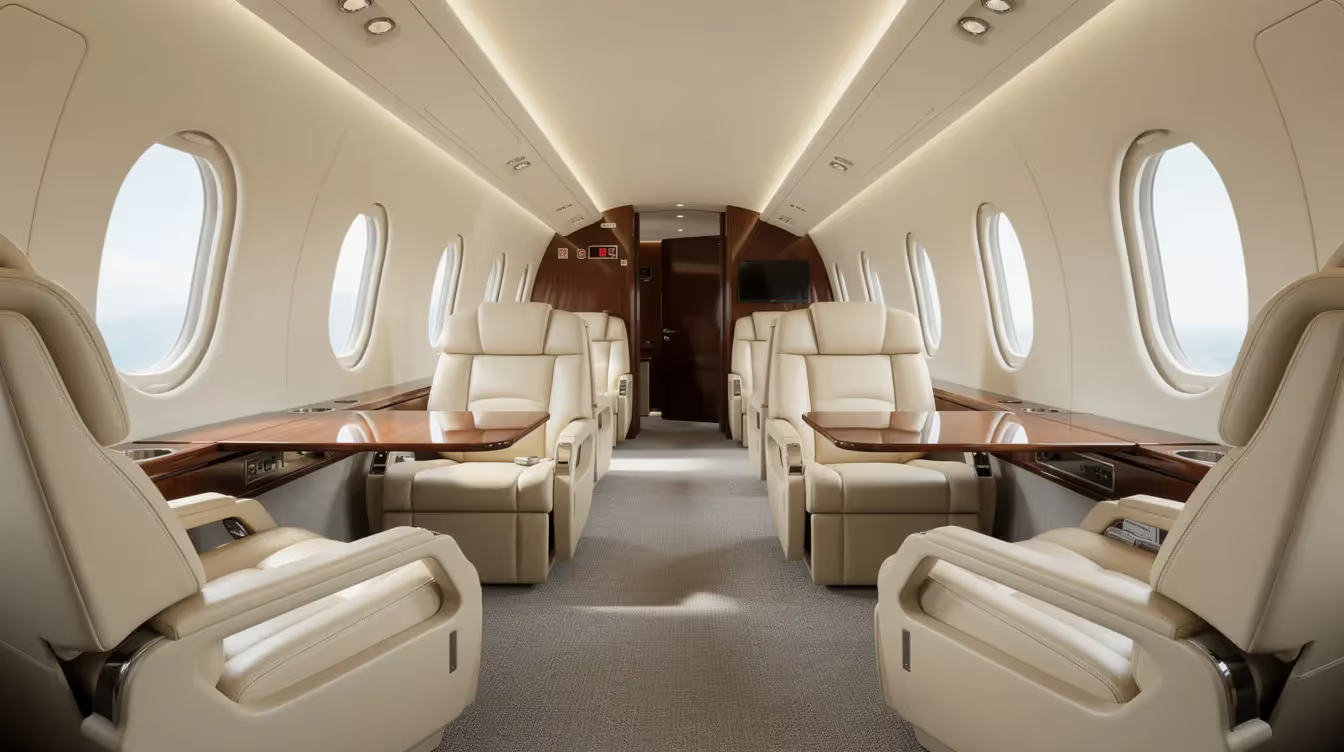
The Bombardier Challenger 650 is a leading large-cabin business jet known for its spacious comfort, transcontinental range of approximately 4,000 nautical miles, and reliable performance, making it ideal for corporate and private travel. Introduced in 2015, it features upgraded engines, advanced avionics, and enhanced cabin amenities, accommodating 10-12 passengers in a quiet, well-connected environment. With competitive operating costs and high dispatch reliability, the Challenger 650 is frequently chosen for nonstop flights between major cities, such as New York to Los Angeles and London to Dubai. Chartering options through platforms like Jettly provide flexible access to this aircraft, catering to various travel needs without ownership commitments.
Jay Franco Serevilla
Apr 18, 2026
|
5
min read
View all
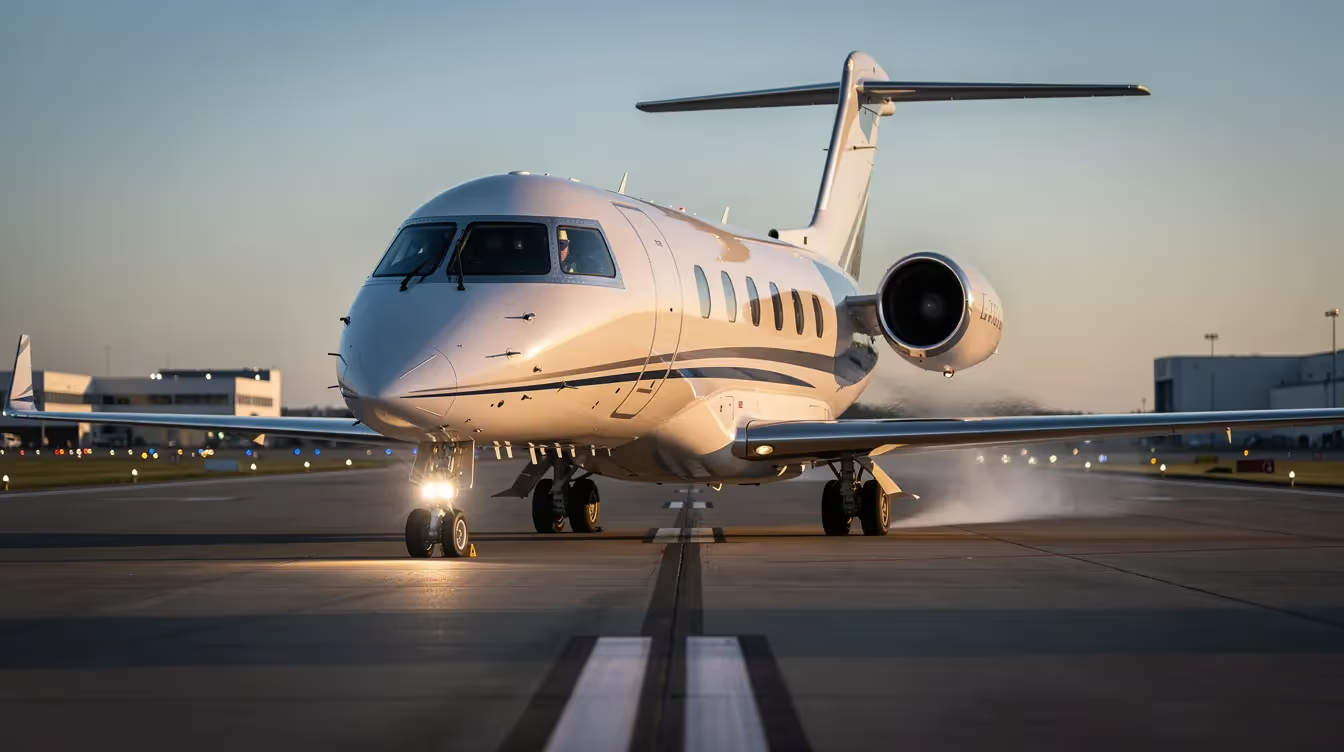
The Bombardier Challenger 350 is a super midsize business jet known for its performance, comfort, and operational flexibility, requiring a takeoff distance of approximately 4,835 feet at maximum weight under ideal conditions. This capability allows it to access secondary and regional airports, significantly reducing ground travel time compared to larger jets. Factors such as aircraft weight, elevation, and temperature can affect takeoff distance, making detailed performance calculations essential for charter operators. Jettly's platform aids travelers in optimizing their flight planning by matching their needs with the Challenger 350's performance capabilities, ensuring safe and efficient travel.
Jay Franco Serevilla
Apr 18, 2026
|
5
min read
View all
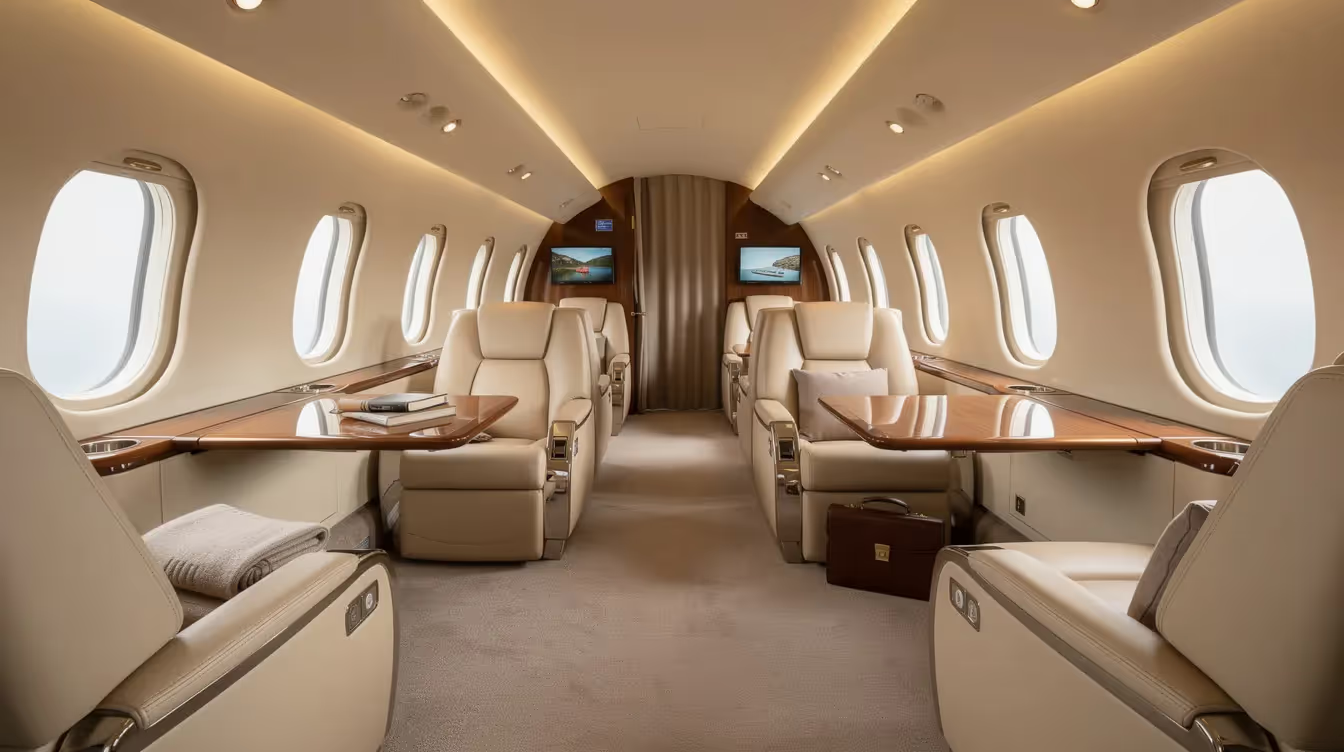
The Bombardier Challenger 600-series is a prominent family of large-cabin business jets, known for their spacious interiors, impressive range, and reliability, making them a popular choice for private charters. Jettly provides access to various Challenger models, including the latest Challenger 650, which features modern efficiency improvements and a range of approximately 4,000 nautical miles. With seating for nine to twelve passengers and amenities designed for comfort and productivity, these jets are ideal for both business and leisure travel. Jettly's platform offers transparent pricing, instant booking, and the ability to compare different aircraft options, catering to diverse travel needs.
Jay Franco Serevilla
Apr 18, 2026
|
5
min read
Explore our latest articles and updates.
5
min read
Tiger Woods' Gulfstream G550: How elite athletes manage multicity travel
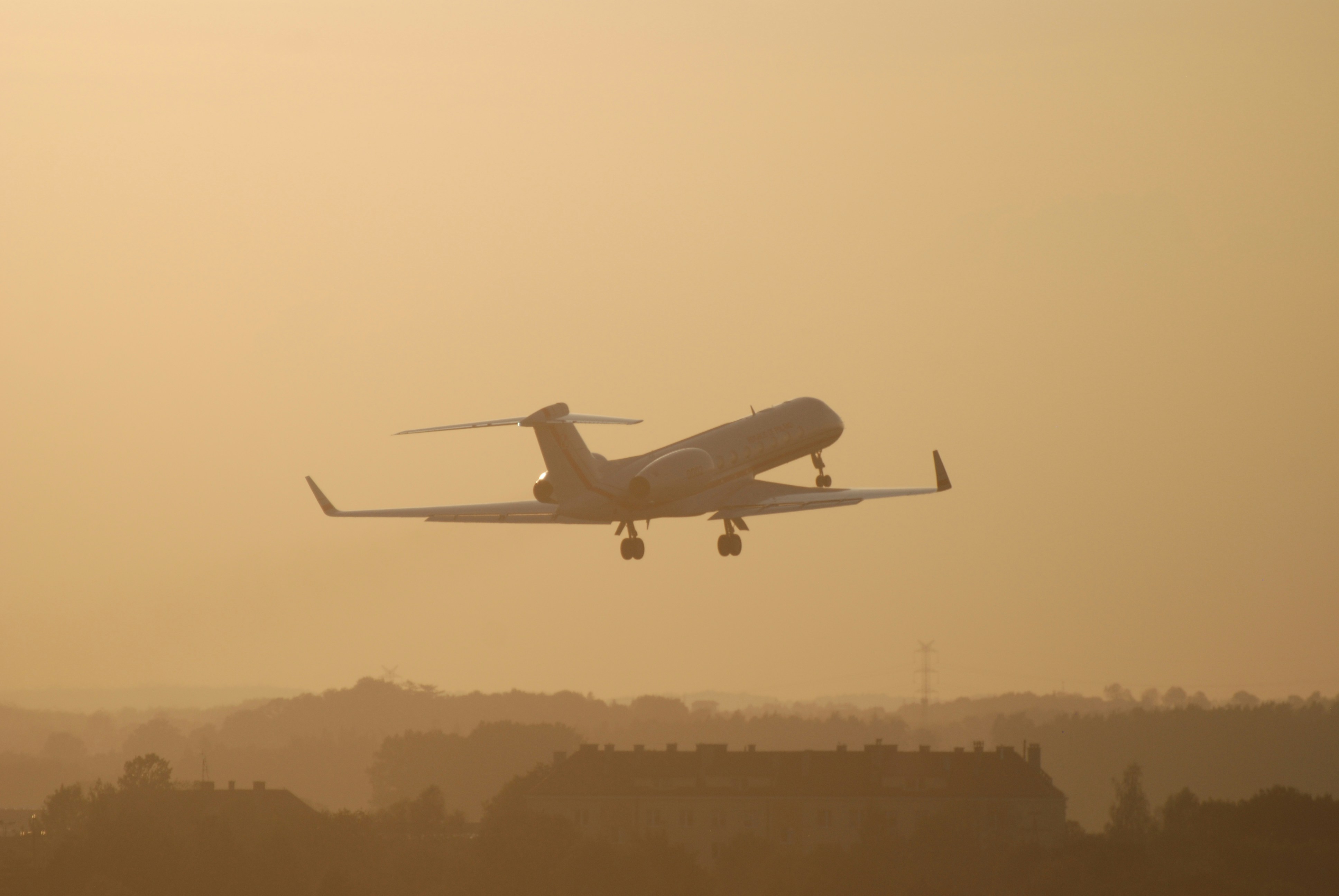
This article explores Tiger Woods' $53 million Gulfstream G550 and how high-performance private aviation serves as a crucial tool for top athletes. Beyond comfort and luxury, the jet's low cabin altitude pressurization, massive storage for specialized physio equipment, and direct long-range flight capabilities help Woods manage chronic injuries and travel fatigue while navigating a demanding global competition schedule.
Read More
5
min read
Helicopter Flying Time: How Long Your Flight Should Really Be
This guide provides insights into helicopter flying times, helping travelers understand what to expect when booking a flight. Factors such as distance, weather, and aircraft type influence the duration of flights, with typical airborne times ranging from 15 to 60 minutes. Knowing these details allows for better planning and a more enjoyable charter experience.
Read MoreJoin our community and receive the latest blog updates directly in your inbox.
MEMBERSHIPS AND ASSOCIATIONS



Disclaimer: Jettly operates as a charter broker, offering access to a global digital jet charter marketplace. Jettly is not a direct air carrier and does not own or operate aircraft. All advertised flights are conducted by third-party air carriers that are fully licensed and hold the appropriate Part 135 or Part 121 certifications issued by the Federal Aviation Administration (FAA) or equivalent regulatory authorities under U.S. or foreign law. Jettly complies fully with the U.S. Department of Transportation's Part 295 and Part 298 Charter Broker regulations. Jettly does not carry additional liability insurance. Passengers are covered by aircraft operator insurance. TICO: 50023770


