



Login
Get Instant Pricing On 23,000+ Aircraft


Delta Air Lines utilizes a structured boarding system with eight numbered zones plus pre-boarding, determining the order in which passengers board based on cabin class, fare type, and loyalty status. Understanding this system is crucial for travelers considering commercial flights versus private jet charters, as it impacts overhead bin space and wait times. For those seeking a more streamlined experience, private jet options like Jettly eliminate the complexities of boarding zones altogether.
Jay Franco Serevilla
Oct 25, 2026
|
5
min read



View all
Understanding the operating costs of the Diamond DA62 is crucial for potential buyers. This comprehensive guide details expenses from fuel and maintenance to hangar fees, helping buyers create a realistic budget. With operating costs ranging from $130,000 to $170,000 annually, the DA62 stands out for its fuel efficiency and modern features.
Jay Franco Serevilla
Jul 24, 2026
|
5
min read

View all
Traveling to Whitford, whether in Australia, England, or Oregon, can be streamlined with Jettly's private jet charter services. Offering instant pricing and access to over 20,000 aircraft, Jettly simplifies the booking process for both business and leisure travelers. Enjoy time savings, flexibility, and personalized services tailored to your travel needs.
Jay Franco Serevilla
Jul 22, 2026
|
5
min read

View all
N444SC is a 2000 Gulfstream G-V, a premier ultra-long-range business jet capable of accommodating up to 14 passengers. This guide provides essential information on its specifications, performance, and how to charter this aircraft through Jettly, ensuring a seamless travel experience.
Jay Franco Serevilla
Jul 22, 2026
|
5
min read

View all
Running an airplane serial number search is crucial for verifying an aircraft's identity and history, especially for buyers, brokers, and charter travelers. This guide outlines how to effectively search by serial number, ensuring safety and compliance in private aviation. Understanding the significance of serial numbers helps in making informed decisions regarding aircraft purchases and chartering.
Jay Franco Serevilla
Jul 22, 2026
|
5
min read
View all
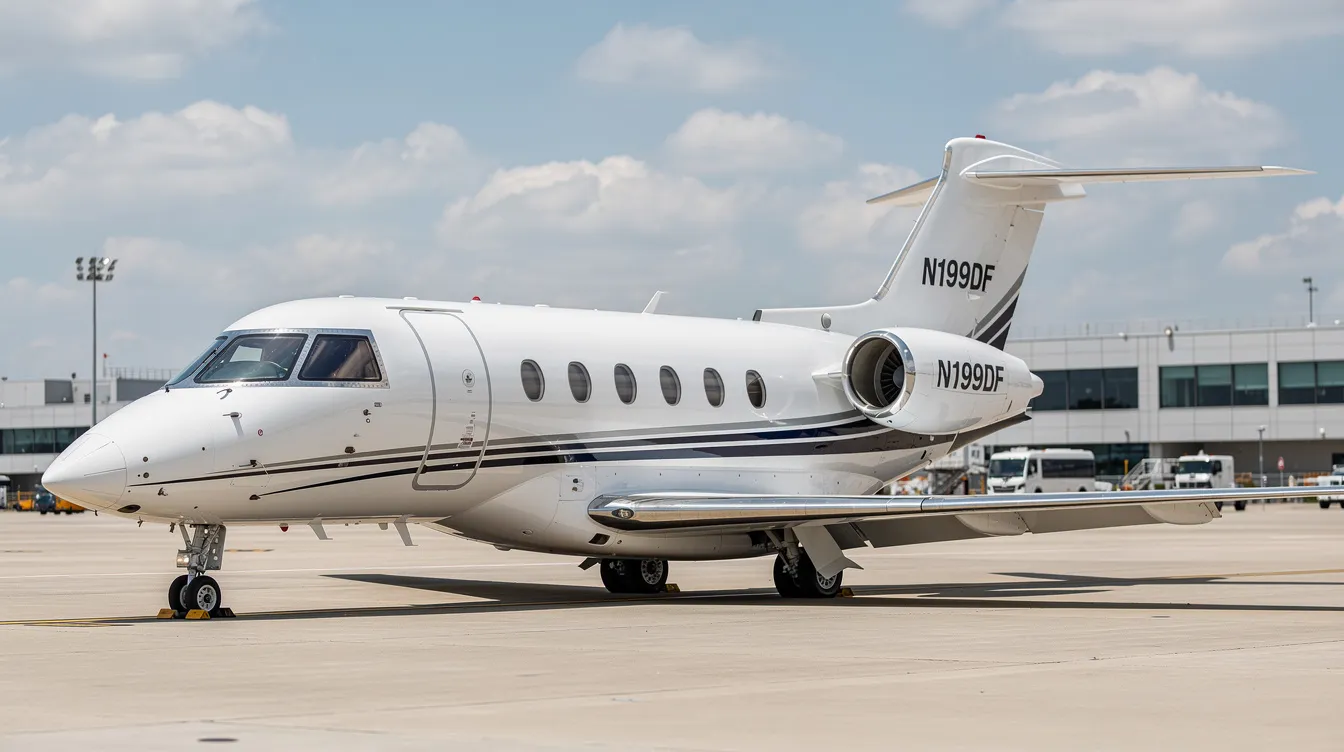
The Gulfstream G200, identified by tail number N199DF, is a super-midsize jet ideal for private charter travelers. With a maximum range of 3,400 nautical miles and seating for up to 9 passengers, it combines comfort and efficiency for both business and leisure travel. This guide provides essential details about N199DF, including its specifications, flight history, and how to charter similar aircraft through Jettly.
Jay Franco Serevilla
Jul 22, 2026
|
5
min read
View all
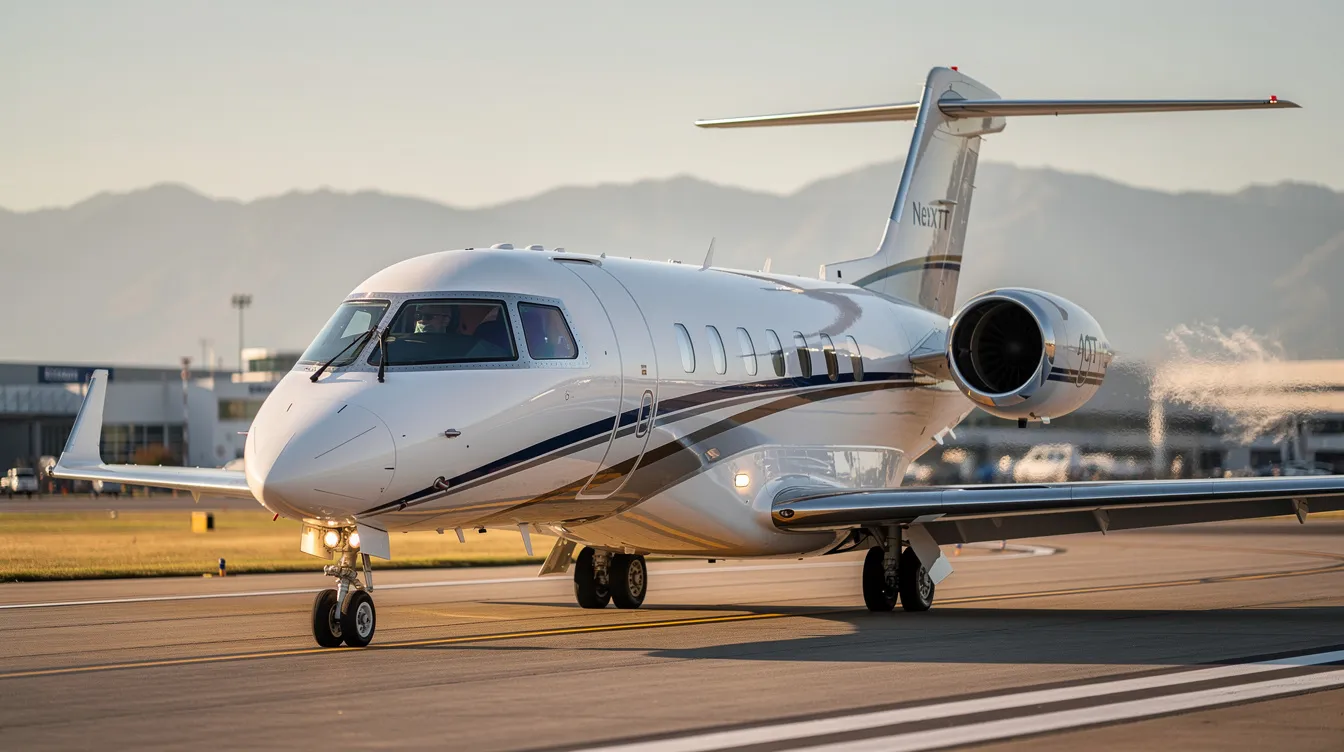
The Nextant 400XTi is a remanufactured light jet that combines modern performance with cost-effectiveness, making it an excellent choice for charter travelers. With upgraded engines, avionics, and a spacious cabin, it offers a comfortable flying experience for both business and leisure trips. This guide provides essential insights into its specifications, advantages, and how to book through Jettly.
Jay Franco Serevilla
Jul 22, 2026
|
5
min read
Explore our latest articles and updates.
5
min read
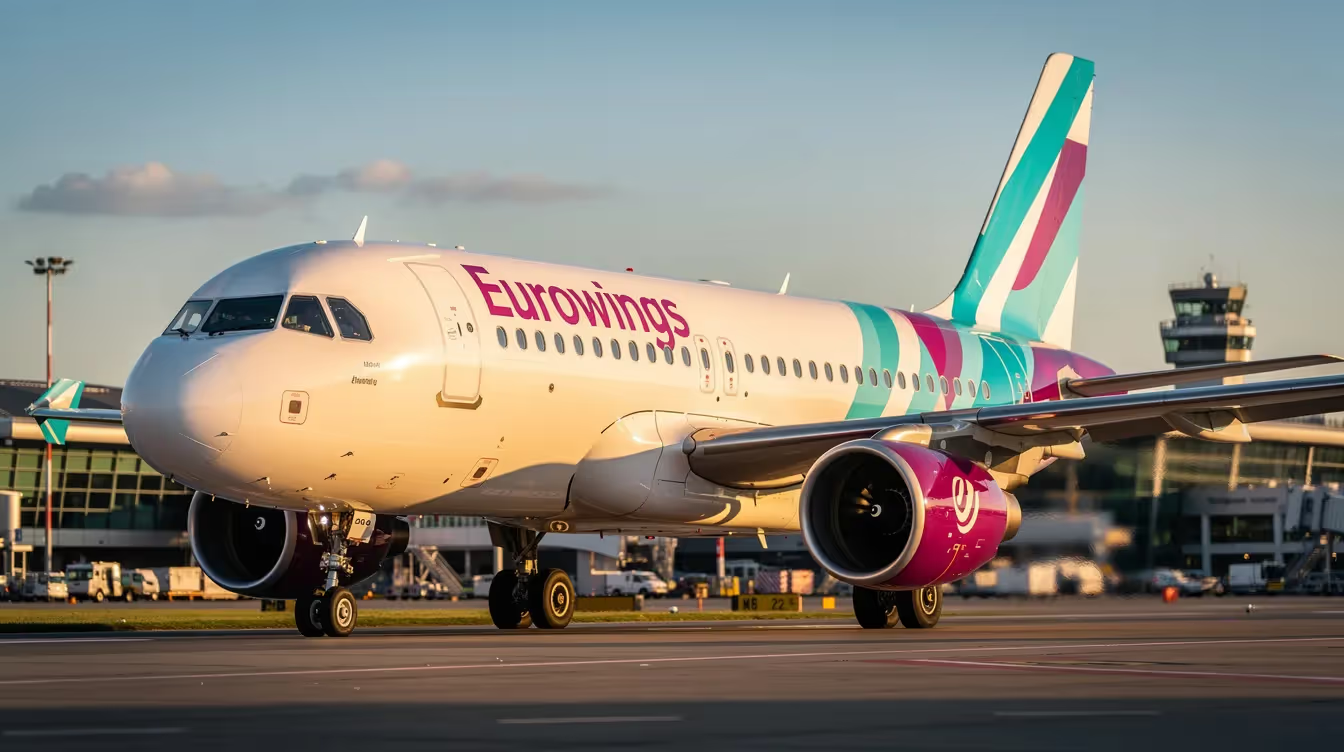
Eurowings: routes, services, and when private charter is a better option
Eurowings, a low-cost carrier under the Lufthansa Group, offers extensive short- and medium-haul routes across Europe, with competitive fares but often faces criticism for customer service and hidden fees. The airline operates from major German bases and has recently expanded its seasonal destinations, while its fare structure includes Basic, Smart, and BIZclass options, each with varying baggage allowances and amenities. For travelers needing flexibility, privacy, or tailored schedules, private jet charter services like Jettly provide a compelling alternative, offering on-demand flights, transparent pricing, and customized experiences. Combining Eurowings for routine trips with Jettly for critical travel needs can optimize overall travel plans.
Read More
5
min read
Private Flight Montreal: Charter a Private Jet with Jettly
Jettly offers private jet charters from Montreal, providing travelers with faster airport access, flexible scheduling, and direct routing to destinations across Canada, the U.S., and Europe. The platform features instant pricing, vetted operators, and access to over 20,000 aircraft, making it suitable for both business and leisure travel. Key airports include Montréal-Pierre Elliott Trudeau International Airport (YUL) and Montréal-Saint-Hubert Longueuil Airport (YHU), which facilitate quick departures and avoid crowded terminals. Jettly also provides options for cost savings through empty leg flights and a user-friendly booking process for tailored travel experiences.
Read MoreJoin our community and receive the latest blog updates directly in your inbox.
MEMBERSHIPS AND ASSOCIATIONS



Disclaimer: Jettly operates as a charter broker, offering access to a global digital jet charter marketplace. Jettly is not a direct air carrier and does not own or operate aircraft. All advertised flights are conducted by third-party air carriers that are fully licensed and hold the appropriate Part 135 or Part 121 certifications issued by the Federal Aviation Administration (FAA) or equivalent regulatory authorities under U.S. or foreign law. Jettly complies fully with the U.S. Department of Transportation's Part 295 and Part 298 Charter Broker regulations. Jettly does not carry additional liability insurance. Passengers are covered by aircraft operator insurance. TICO: 50023770


