


Login
Get Instant Pricing On 23,000+ Aircraft


The Cessna A185F is a highly regarded bush aircraft known for its versatility and reliability, particularly in remote areas across North America. Current market prices range from $214,000 to $385,000, with fully equipped amphibious models reaching up to $495,000, and buyers should prioritize aircraft with no damage history and modern avionics. For pilots who fly infrequently, chartering through platforms like Jettly may be more cost-effective than ownership, given the high fixed and variable costs associated with owning an A185F. Prospective buyers should conduct thorough inspections and consider their specific mission needs when deciding between purchasing and chartering.
Jay Franco Serevilla
Apr 24, 2026
|
5
min read



View all
Big Sandy Regional Airport (KSJS) is a public-use airport in Eastern Kentucky, primarily serving general aviation and private charter traffic, with no scheduled commercial flights. It features a 5,000-foot runway and offers amenities for pilots, including a lounge and on-site dining, making it ideal for corporate travelers and private jet charters through Jettly. The airport provides quick access to nearby towns like Prestonsburg and Pikeville, facilitating efficient travel for business, medical transport, and tourism. Jettly's platform simplifies booking private flights to and from Big Sandy, offering instant pricing and a variety of aircraft options.
Jay Franco Serevilla
May 13, 2026
|
5
min read

View all
Qatar Airways no longer operates any passenger Boeing 747 aircraft, having retired its fleet in 2008, and currently utilizes Boeing 777, 787, and Airbus A350 models for passenger services. The Qatar Amiri Flight, a separate entity for the royal family, operates VIP-configured 747s that are not available for public booking. Qatar Airways Cargo also phased out its last Boeing 747-8F freighters in early 2024, transitioning to a fleet of Boeing 777 freighters for efficiency. Travelers seeking a similar experience to the 747 can explore private charter options through platforms like Jettly, which offers access to large-cabin aircraft and VIP-configured airliners.
Jay Franco Serevilla
May 13, 2026
|
5
min read

View all
The Colorado Aspen Airport (ASE), located three miles from downtown Aspen at a high elevation, has unique operational challenges, including strict FAA noise regulations and seasonal weather disruptions. Private flyers can benefit from Jettly's services, which offer flexible scheduling, instant pricing, and access to mountain-qualified aircraft, allowing for efficient travel despite the airport's curfews and potential diversions to nearby airports like Grand Junction. With a focus on safety and operational efficiency, Jettly simplifies the private jet experience, making it ideal for travelers heading to Aspen for winter sports or summer events. Planning ahead is crucial, especially during peak seasons, to secure the best options and pricing.
Jay Franco Serevilla
May 13, 2026
|
5
min read

View all
Global airplanes, specifically ultra-long-range business jets like the Bombardier Global series, enable nonstop intercontinental travel, connecting major cities without the need for refueling. Platforms such as Jettly provide on-demand access to a fleet of over 20,000 aircraft, allowing travelers to bypass the complexities of ownership while enjoying flexible scheduling and direct routing to thousands of airports. These jets offer advanced technology, low cabin altitudes for enhanced comfort, and spacious interiors designed for productivity during long flights. The global airplane market is projected to grow significantly, reflecting increasing demand for efficient and luxurious private travel options.
Jay Franco Serevilla
May 13, 2026
|
5
min read

View all
Southwest Oregon Regional Airport (OTH) in North Bend is the main air gateway for Coos Bay and the Oregon Coast, offering both scheduled airline service via United Express and robust private jet access through platforms like Jettly. The airport features a compact layout with free onsite parking, short security lines, and a fully operational TSA PreCheck, making it a convenient alternative to larger airports. Travelers can enjoy direct flights to major hubs like San Francisco and Denver, while private jet options provide flexibility and efficiency for business and leisure trips. Jettly enhances the experience by offering a wide range of aircraft for charter, allowing for quick, non-stop access to various destinations without the constraints of commercial schedules.
Jay Franco Serevilla
May 13, 2026
|
5
min read

View all
The global jet concept, championed by Jettly, integrates long-range travel capabilities with digital charter platforms, allowing seamless nonstop flights between major business hubs worldwide. This service caters to business travelers and high-net-worth individuals seeking efficient and luxurious travel solutions without the complexities of aircraft ownership. Jettly offers on-demand access to over 20,000 aircraft, including ultra-long-range jets, while ensuring safety and personalized service through expert management. By leveraging advanced technology and a commitment to excellence, Jettly simplifies private aviation, making it accessible and convenient for global travelers.
Jay Franco Serevilla
May 13, 2026
|
5
min read
Explore our latest articles and updates.
5
min read
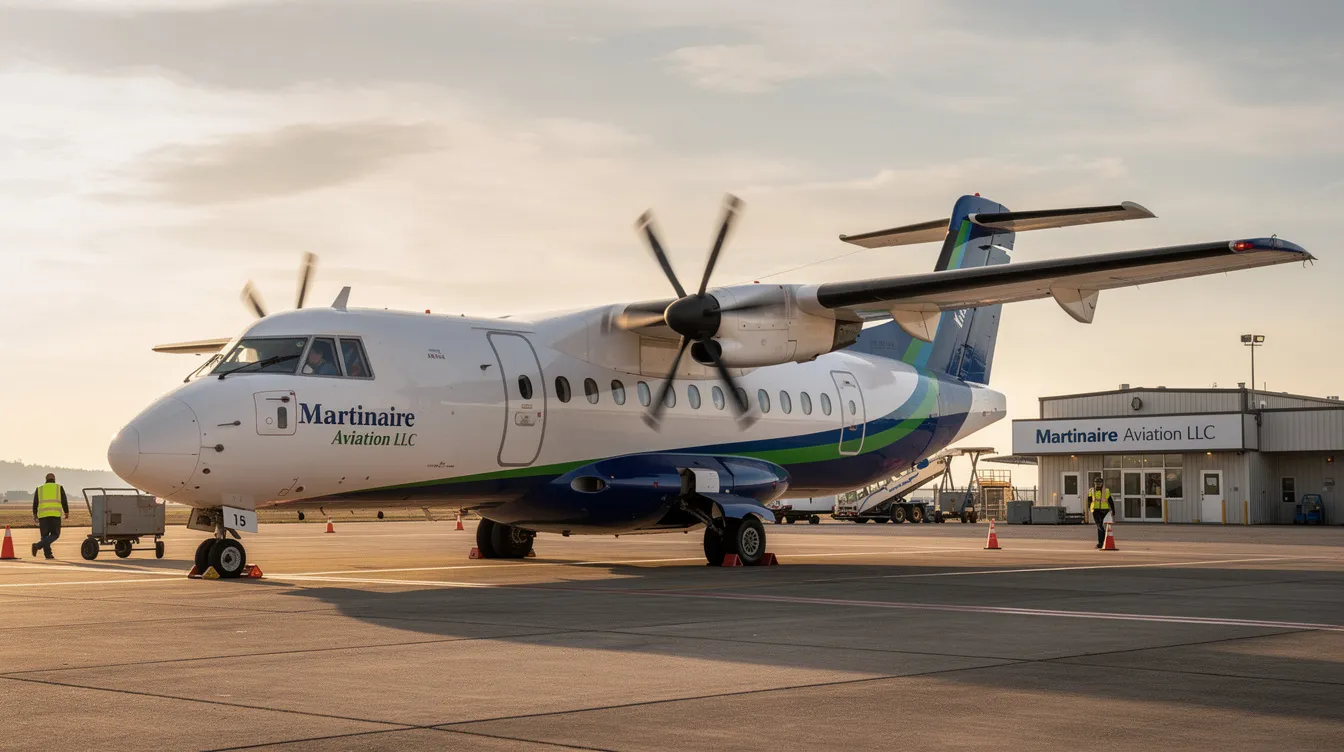
Martinaire Aviation LLC: Cargo Operations, Careers, and How It Compares to Private Charter
Martinaire Aviation LLC, founded in 1978, is a leading cargo feeder carrier in the U.S., specializing in overnight freight operations. With a fleet of turboprop aircraft, it connects regional airports to major sorting hubs, primarily serving integrators like UPS. This article explores Martinaire's operations, career opportunities, and how it contrasts with private charter services like Jettly.
Read More
5
min read
Alerion Aviation: Charter, Aircraft Management, and How Jettly Helps You Compare Options
Alerion Aviation is a premier boutique private aviation company specializing in aircraft management, on-demand charter, and in-house maintenance. With a strong safety record and a large fleet operating from key U.S. locations, Alerion offers personalized service for travelers and aircraft owners. Jettly enhances the experience by providing a digital marketplace for comparing charter options, ensuring travelers find the best fit for their needs.
Read MoreJoin our community and receive the latest blog updates directly in your inbox.
MEMBERSHIPS AND ASSOCIATIONS



Disclaimer: Jettly operates as a charter broker, offering access to a global digital jet charter marketplace. Jettly is not a direct air carrier and does not own or operate aircraft. All advertised flights are conducted by third-party air carriers that are fully licensed and hold the appropriate Part 135 or Part 121 certifications issued by the Federal Aviation Administration (FAA) or equivalent regulatory authorities under U.S. or foreign law. Jettly complies fully with the U.S. Department of Transportation's Part 295 and Part 298 Charter Broker regulations. Jettly does not carry additional liability insurance. Passengers are covered by aircraft operator insurance. TICO: 50023770


