


Login
Get Instant Pricing On 23,000+ Aircraft

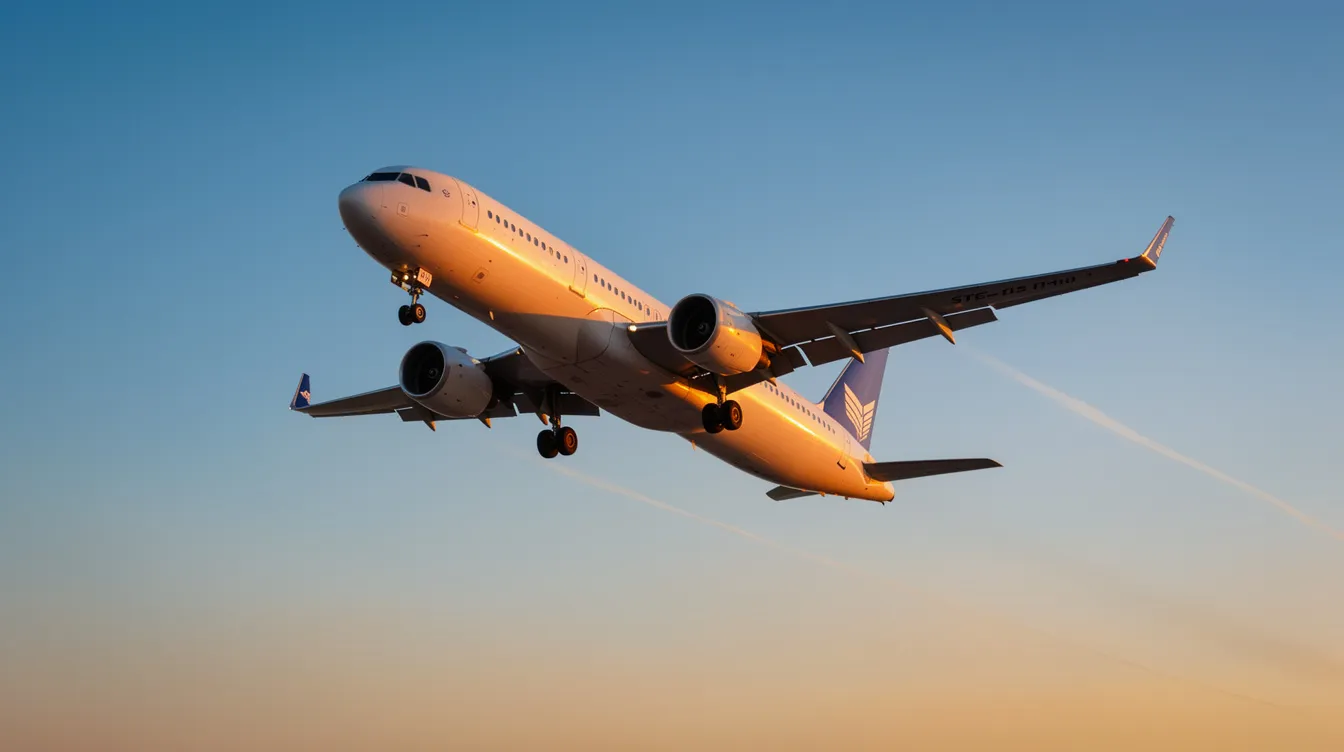
Booking flights at the right time can save you money, with domestic flights best booked 1 to 3 months in advance and international flights 2 to 8 months ahead. Understanding pricing dynamics and using tools like fare alerts can help you find the best deals. For those needing flexibility or last-minute travel, private jets may offer better value despite higher upfront costs.
Jeff Ryan Serevilla
Sep 26, 2026
|
5
min read


View all
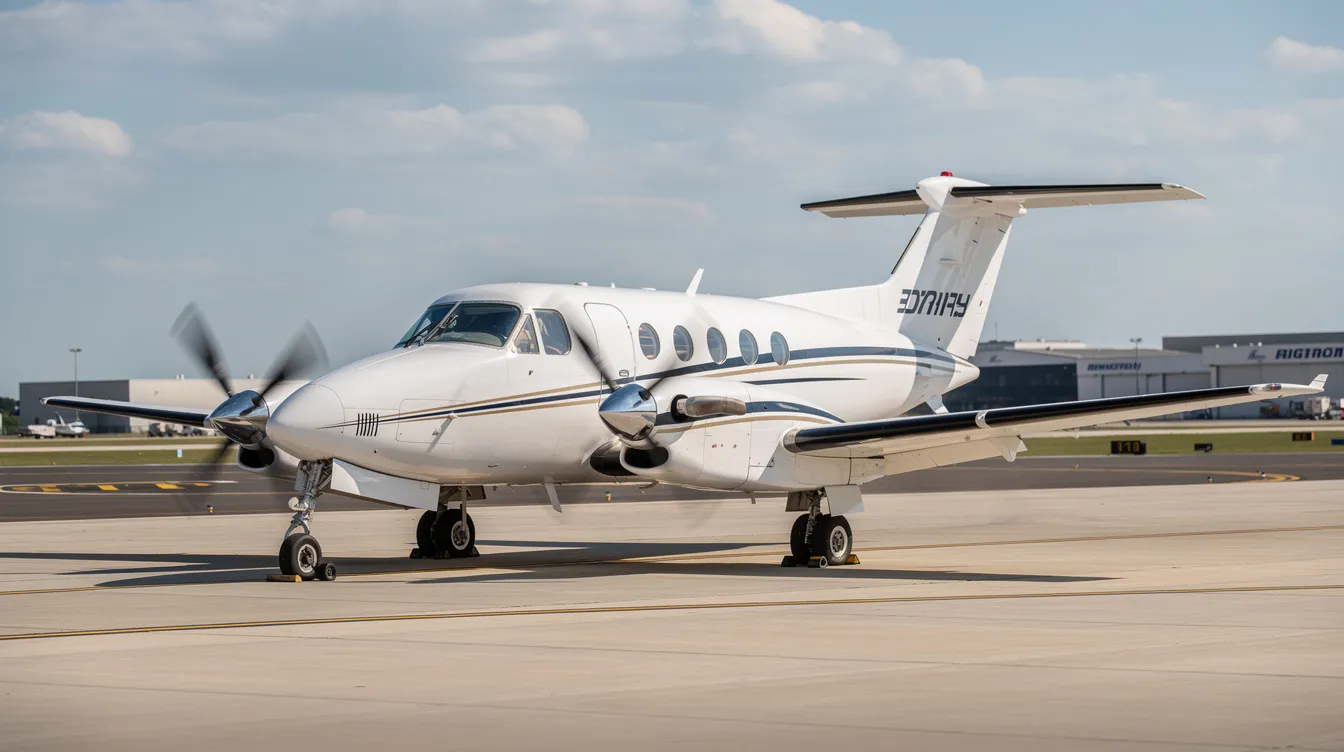
The Beechcraft King Air F90, produced from 1979 to 1985, is a high-performance twin-engine turboprop that seats 6 to 8 passengers and offers a cruise speed of up to 265 knots with a range of 1,200 to 1,600 nautical miles. It is well-regarded for its efficiency, short-field capability, and comfort, making it suitable for corporate shuttles, regional charters, and medical evacuations. Although no longer in production, the F90 remains popular in the charter market due to its lower operating costs compared to light jets and its ability to access smaller airports. Jettly provides a digital platform for booking the King Air F90 and similar turboprops, offering transparent pricing and flexible charter options.
Jay Franco Serevilla
Jul 1, 2026
|
5
min read

View all
Dan Jones International Airport (T51) is a privately owned, public-use general aviation airport located near Cypress, Texas, catering primarily to private pilots and charter operators. With a single 3,440-foot runway, it supports light aircraft, turboprops, and select very light jets, making it a convenient alternative for business travelers looking to avoid congestion at larger Houston airports. The airport facilitates around 7,800 annual aircraft operations and offers minimal terminal facilities, but its proximity to key communities allows for quick access and efficient travel. Jettly provides a digital marketplace for booking private charters to and from T51, emphasizing flexibility and transparent pricing for travelers.
Jay Franco Serevilla
Jul 1, 2026
|
5
min read

View all
Travelers heading to St. George Island, Florida, must choose their airport wisely, as the island lacks a commercial airport. The nearest major airport is Tallahassee International Airport (TLH), about 75 miles away, with a drive time of 1.5 to 2 hours, while private charters can land at Apalachicola Regional Airport (AAF), just 15 miles away. Jettly's platform allows users to compare aircraft and airport options, making it easier to find the best route, whether flying commercially or via private jet. For those prioritizing convenience and time, private charters significantly reduce travel time compared to commercial flights.
Jay Franco Serevilla
Jul 1, 2026
|
5
min read
View all
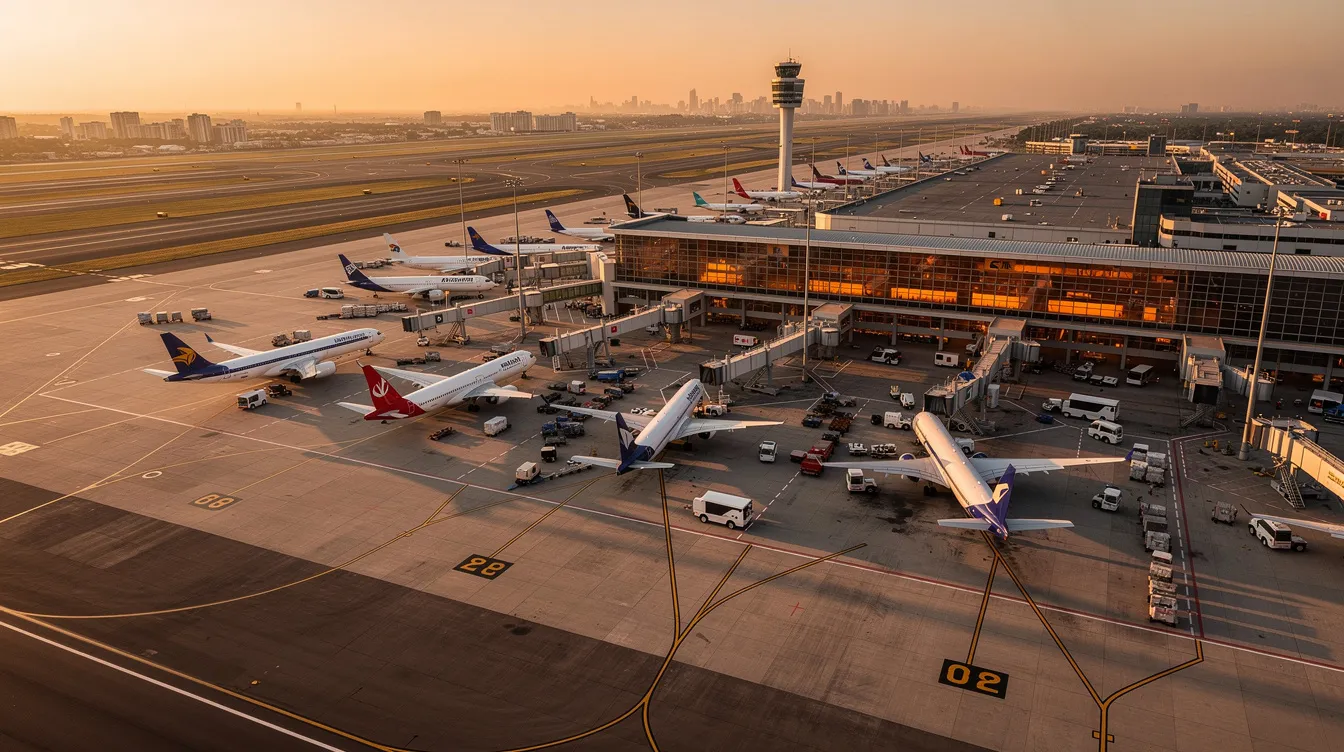
Delta Airlines operates a vast network, serving over 300 destinations across six continents, making it a strong choice for travelers seeking scheduled flights. However, for time-sensitive business travelers and families desiring more control over their travel plans, private jet charter services like Jettly offer direct routes, flexible departure times, and access to smaller airports. Jettly's on-demand model allows for quicker travel with minimal pre-departure time, contrasting with Delta's hub-and-spoke system that often involves layovers. Ultimately, the choice between Delta and Jettly depends on individual travel needs, including schedule flexibility, destination accessibility, and the importance of privacy and convenience.
Jay Franco Serevilla
Jul 1, 2026
|
5
min read

View all
Paradigm jet management represents a shift in private aviation, where traditional firms manage aircraft operations while digital platforms like Jettly offer on-demand charter access without ownership. Jettly connects travelers to a global network of over 20,000 aircraft, providing instant pricing and booking flexibility, making it ideal for those who fly less frequently. This model contrasts with traditional ownership, which involves significant upfront costs and ongoing management fees, making on-demand charter more cost-effective for many users. As the private jet charter market continues to grow, Jettly's approach enhances accessibility and efficiency in private aviation.
Jay Franco Serevilla
Jul 1, 2026
|
5
min read
View all
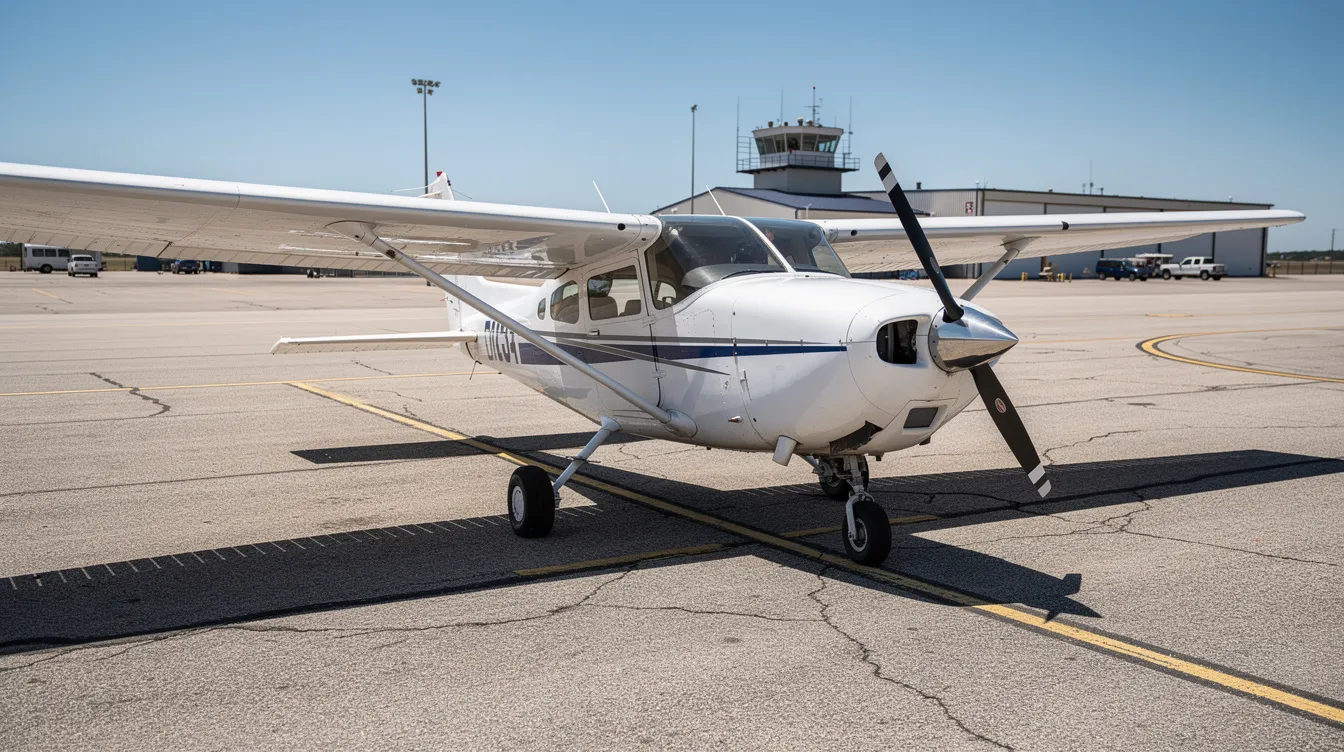
Owning an aircraft in 2026 involves significant costs beyond the initial purchase price, including ongoing expenses such as hangar fees, insurance, fuel, and maintenance, which can total 15-25% of the aircraft's value annually. Fixed costs are incurred regardless of usage, while variable costs depend on flight hours, making ownership financially viable primarily for those flying over 200-250 hours per year for turboprops and jets, and 100-150 hours for piston aircraft. For those flying less frequently, chartering through platforms like Jettly often proves more economical, eliminating fixed ownership costs and offering access to a wide range of aircraft. A thorough understanding of all cost layers—acquisition, fixed, variable, and long-term expenses—is essential for prospective buyers to make informed decisions about aircraft ownership versus charter options.
Jay Franco Serevilla
Jul 1, 2026
|
5
min read
Explore our latest articles and updates.
5
min read
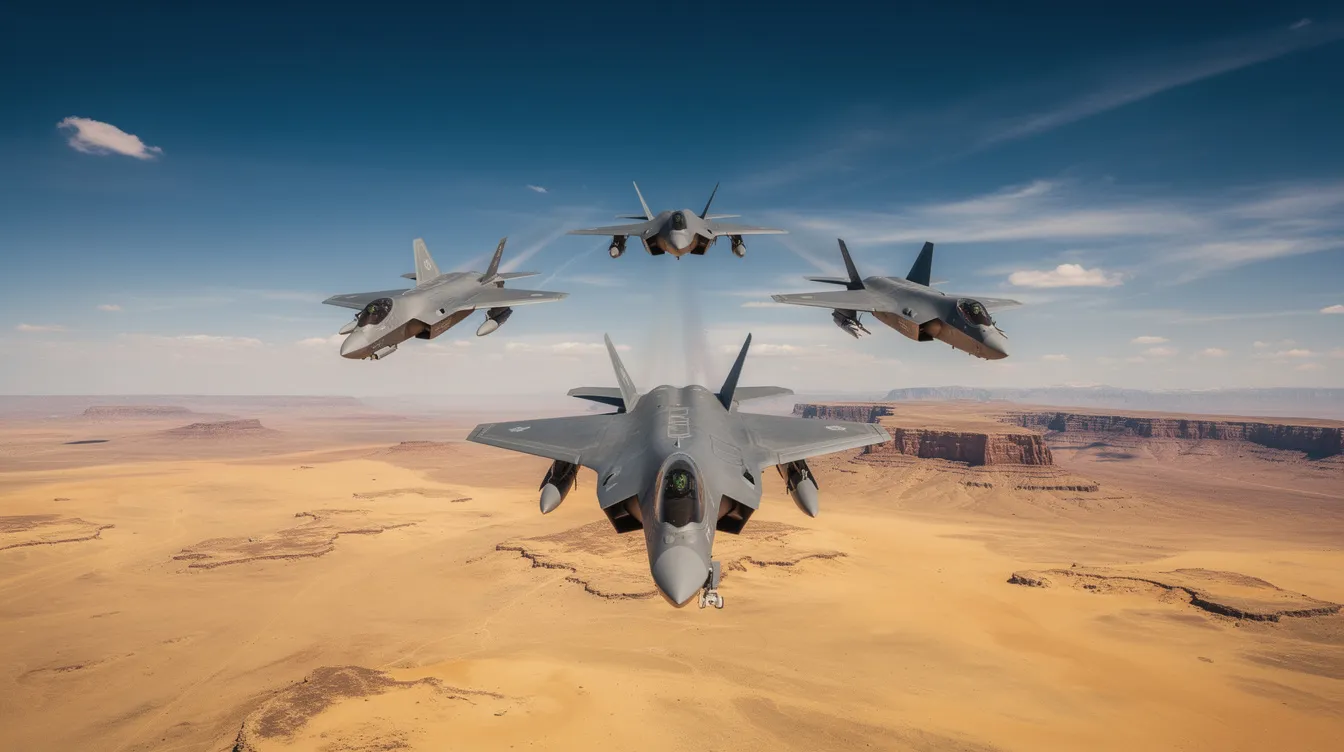
US Fighter Jets: From Air Superiority Icons to the F-35 Era
US fighter jets have been pivotal in maintaining American air superiority for over 70 years, evolving from Cold War icons to advanced 5th-generation platforms like the F-22 and F-35, which emphasize stealth, sensor fusion, and multirole capabilities. Legacy fighters such as the F-15, F-16, and F/A-18 remain essential, continuously upgraded to meet modern combat demands. The future of US air power lies in the development of 6th-generation fighters through programs like NGAD, focusing on advanced networking and human-machine collaboration. Additionally, the principles of safety and efficiency in military aviation are mirrored in the private sector, as seen in platforms like Jettly, which offers flexible private jet charter services.
Read More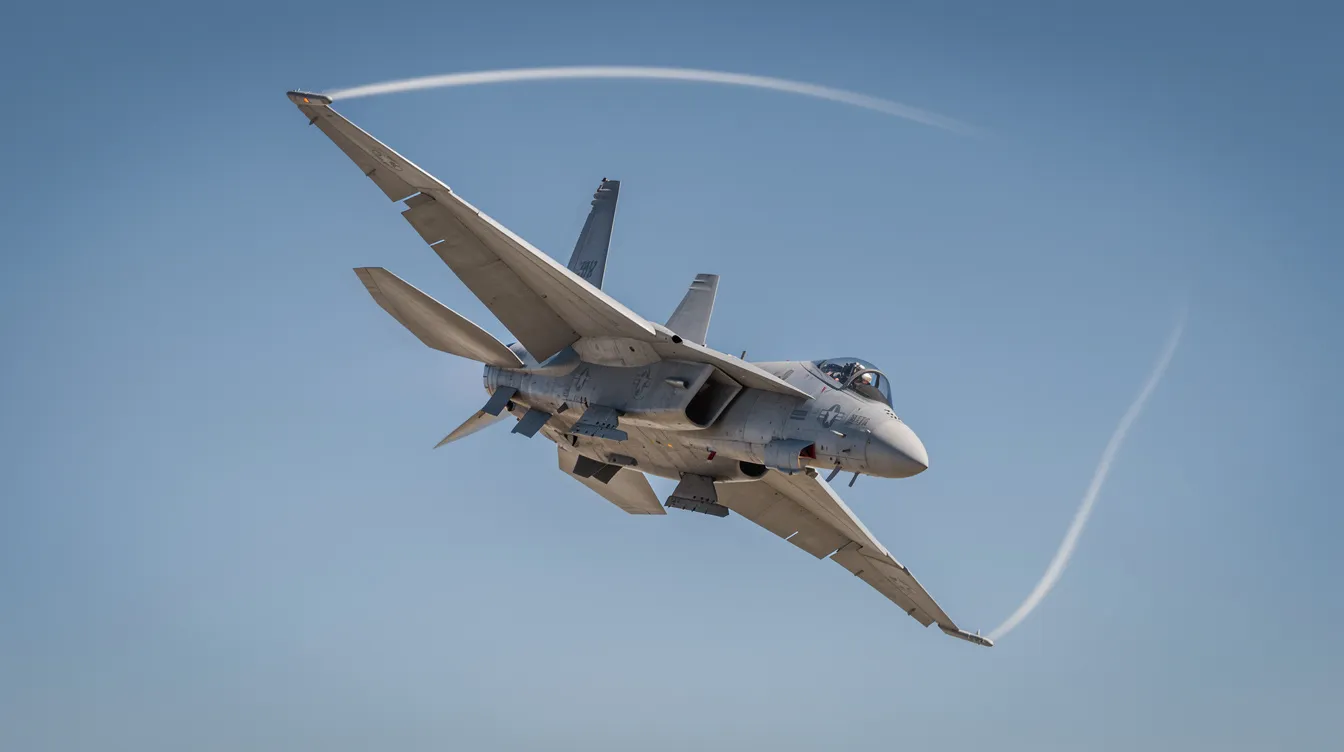
5
min read
Light Fighter: Concept, History, and Modern Applications
A light fighter is a small, agile combat aircraft designed for air-to-air combat and light attack missions, offering advantages in maneuverability and cost-effectiveness compared to larger multirole fighters. The concept has evolved since the 1960s, significantly influencing air combat doctrine and leading to the development of notable aircraft like the F-16 and F/A-18. Modern light fighters integrate advanced technologies such as digital engineering and open-architecture avionics, making them adaptable for various missions while maintaining lower operational costs. This design philosophy parallels trends in civilian aviation, where similar trade-offs in performance and cost are considered when selecting aircraft for private travel.
Read MoreJoin our community and receive the latest blog updates directly in your inbox.
MEMBERSHIPS AND ASSOCIATIONS



Disclaimer: Jettly operates as a charter broker, offering access to a global digital jet charter marketplace. Jettly is not a direct air carrier and does not own or operate aircraft. All advertised flights are conducted by third-party air carriers that are fully licensed and hold the appropriate Part 135 or Part 121 certifications issued by the Federal Aviation Administration (FAA) or equivalent regulatory authorities under U.S. or foreign law. Jettly complies fully with the U.S. Department of Transportation's Part 295 and Part 298 Charter Broker regulations. Jettly does not carry additional liability insurance. Passengers are covered by aircraft operator insurance. TICO: 50023770


