



Login
Get Instant Pricing On 23,000+ Aircraft


Understanding what happens during a plane crash can alleviate fears about flying. While the odds of experiencing a crash are extremely low, knowing the causes, survival strategies, and the importance of passenger actions can enhance safety. This article provides insights into aviation safety, the factors contributing to crashes, and what passengers can do to prepare.
Jay Franco Serevilla
Nov 6, 2026
|
5
min read


View all
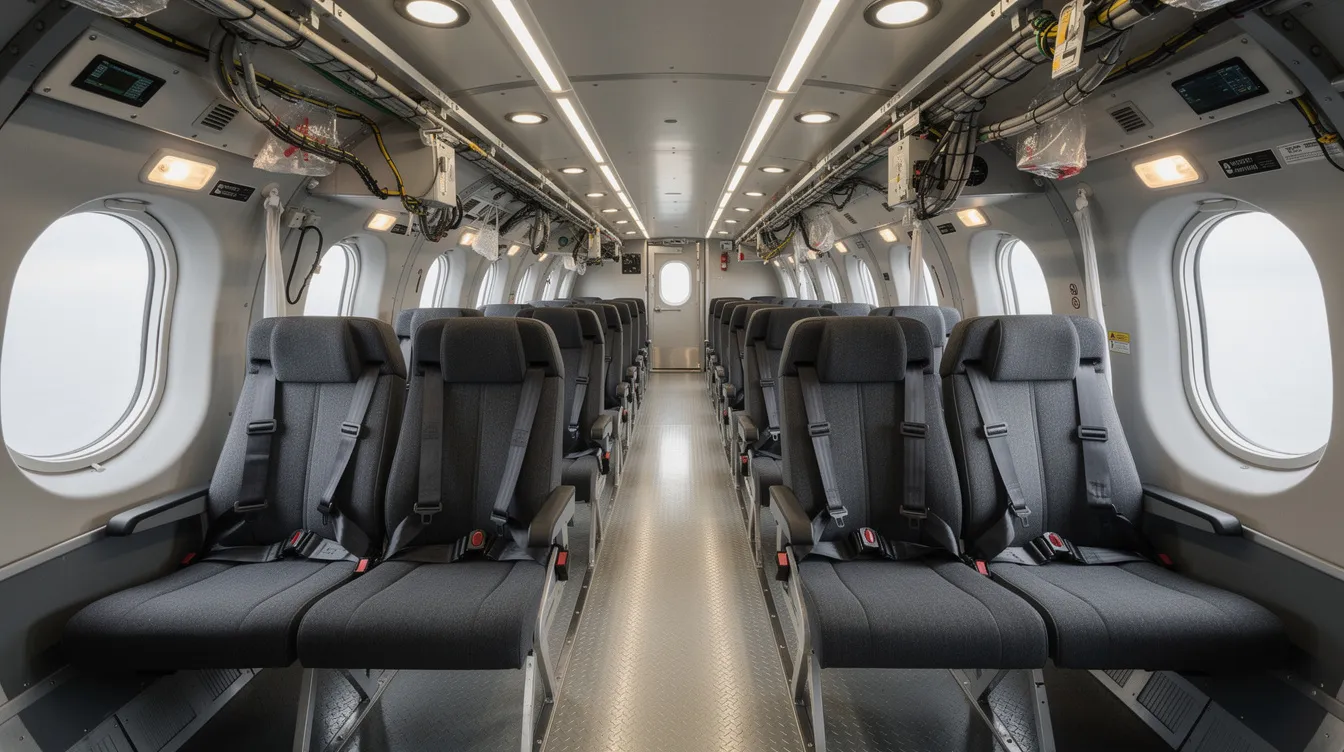
The Sikorsky S-92 interior offers a spacious and versatile cabin, accommodating 9 to 19 passengers with advanced comfort features. Ideal for corporate, government, and offshore operations, it combines safety, flexibility, and luxury. Jettly provides tailored charter options to meet diverse travel needs.
Jay Franco Serevilla
Aug 9, 2026
|
5
min read
View all
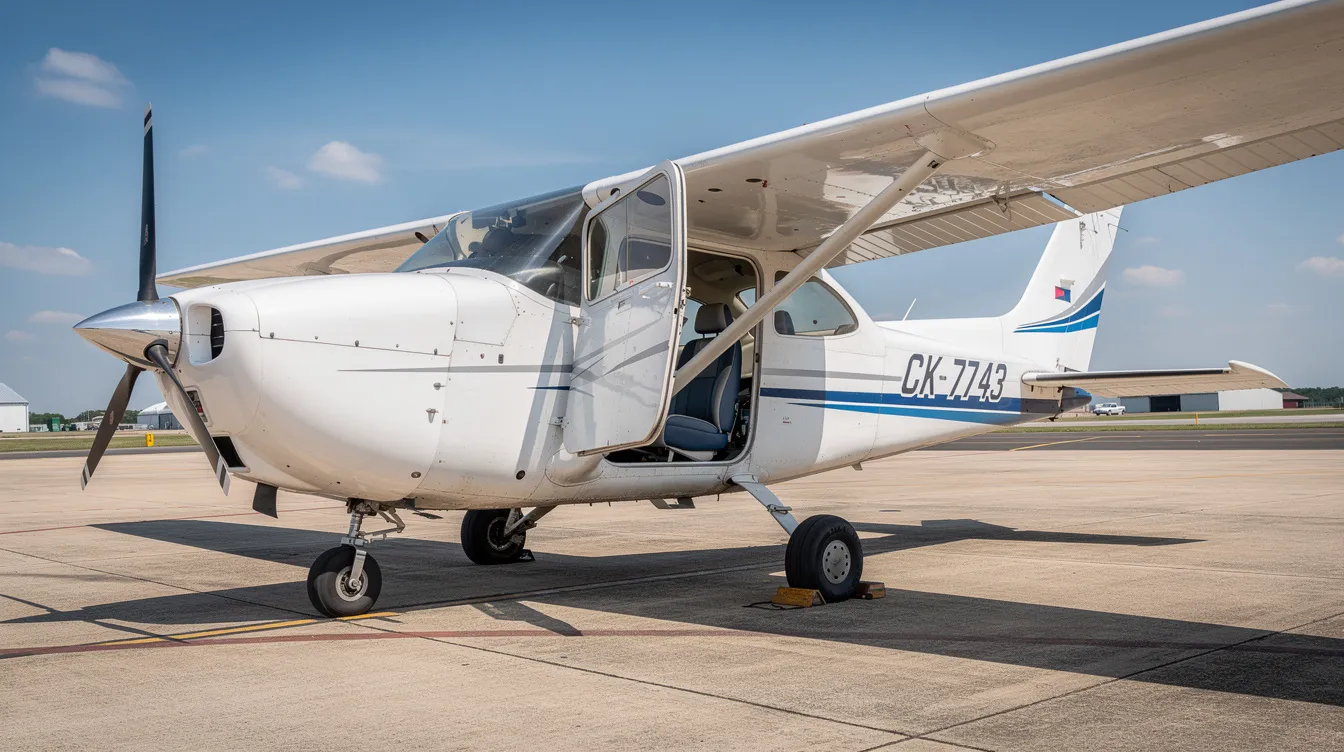
The Cessna 172 cockpit is a training-focused flight deck featuring a classic six-pack of primary flight instruments and essential controls. Its logical layout aids student pilots and aviation enthusiasts in mastering fundamental flying skills that transfer to more complex aircraft. Understanding this cockpit enhances situational awareness and prepares pilots for future flying experiences.
Jay Franco Serevilla
Aug 9, 2026
|
5
min read
View all
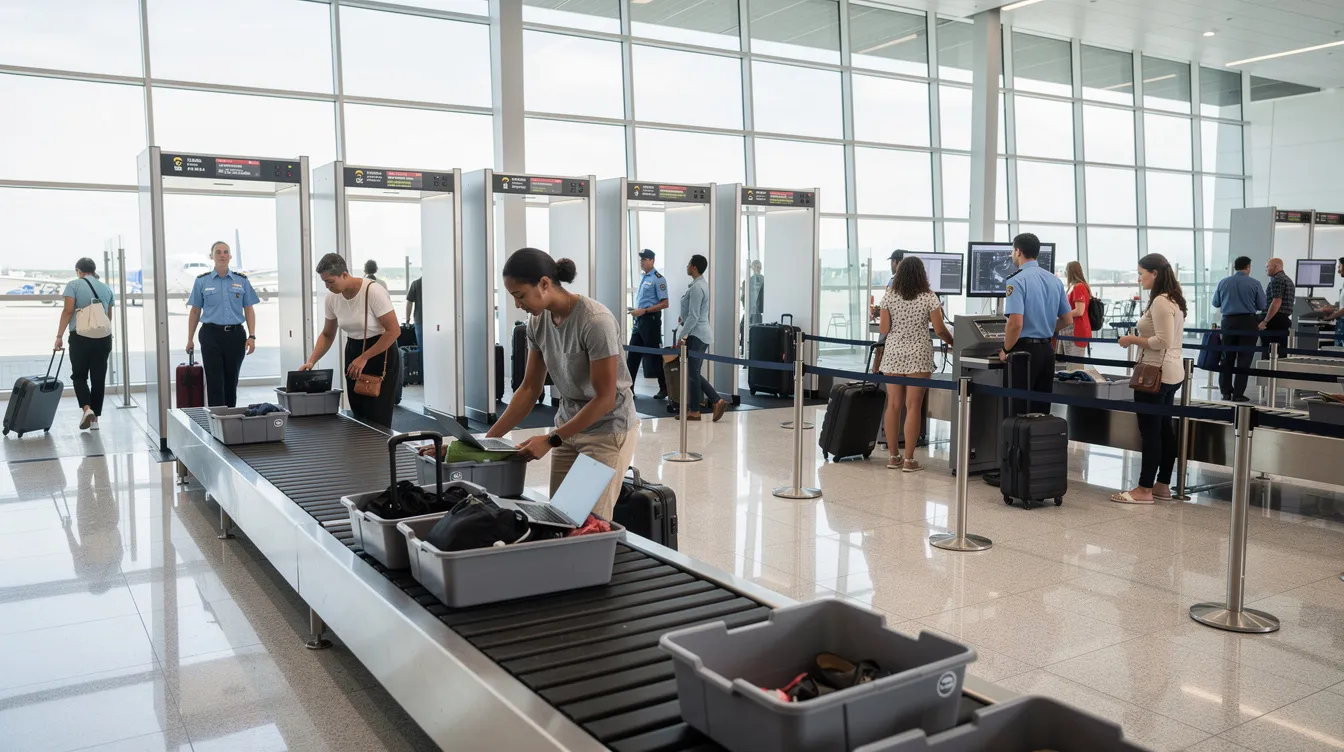
The TSA does not conduct full background checks on standard passengers at airport security. Instead, it verifies identities against federal watchlists and performs physical screenings. Comprehensive background checks are reserved for trusted traveler programs and aviation personnel, ensuring safety while allowing most travelers to board without issues related to their criminal history.
Jay Franco Serevilla
Aug 9, 2026
|
5
min read

View all
Discover why private jet travel to America's most exclusive summer destinations becomes significantly more expensive during peak season. Learn how dynamic pricing, empty-leg repositioning, overnight parking restrictions, airport slot limitations, and FBO surcharges impact charter costs to destinations like the Hamptons, Martha's Vineyard, Nantucket, and Aspen. Understanding these factors can help travelers budget more effectively and avoid unexpected charter expenses.
Jay Franco Serevilla
Aug 8, 2026
|
5
min read

View all
Cotulla–La Salle County Airport (KCOT) is a key private jet gateway in South Texas, featuring a 6,005-foot runway and 24/7 automated weather reporting. It serves corporate executives and travelers in the Eagle Ford Shale region, offering efficient access without the hassle of larger commercial airports. This guide provides essential information for private jet travelers, including airport features, services, and how to book through Jettly.
Jay Franco Serevilla
Aug 5, 2026
|
5
min read
View all
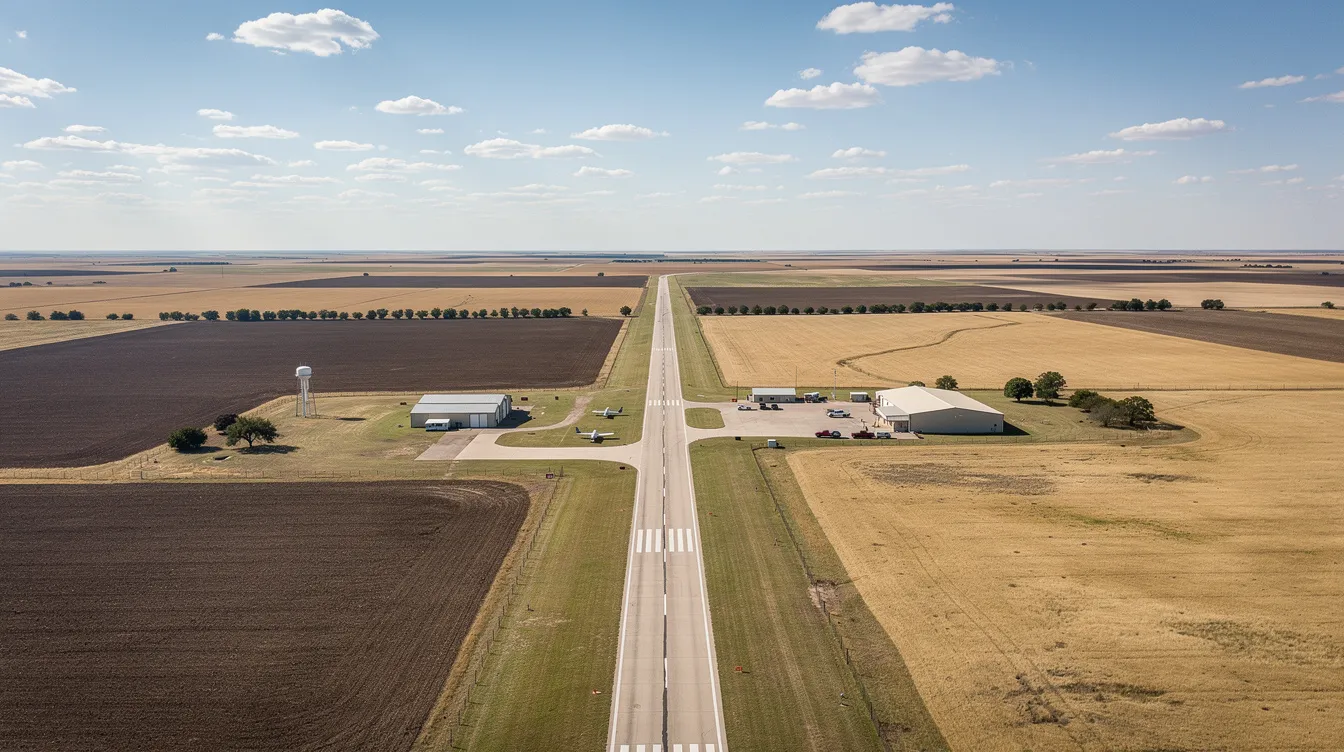
Hereford Municipal Airport (KHRX) is a public-use airport in Hereford, TX, catering to private flyers and business travelers. With a 6,100-foot runway and essential amenities, it provides direct access to the Texas Panhandle's agricultural region without the congestion of commercial terminals.
Jay Franco Serevilla
Aug 5, 2026
|
5
min read
Explore our latest articles and updates.

5
min read
How Much Does a Private Charter Flight Cost in 2026?
In 2026, private charter flight costs range from $2,000 to over $20,000 per flight hour, influenced by aircraft type, distance, and demand. A typical 2-hour domestic flight on a light jet costs between $5,000 and $10,000, with additional fees for taxes and services. This guide provides detailed pricing factors, examples, and tips for reducing costs when flying private.
Read More
5
min read
777 Cruise Altitude: How Boeing 777s Really Fly Long Haul
The Boeing 777 is a prominent long-haul aircraft that typically cruises between 30,000 and 39,000 feet, balancing factors like weight and fuel efficiency. Understanding cruise altitude is crucial for both airlines and travelers, as it impacts comfort, operating costs, and overall flight efficiency. This article explores how altitude choices are made and their implications for long-range travel.
Read MoreJoin our community and receive the latest blog updates directly in your inbox.
MEMBERSHIPS AND ASSOCIATIONS



© 2026 Jettly Inc. All rights reserved.
Disclaimer: Jettly operates as a charter broker, offering access to a global digital jet charter marketplace. Jettly is not a direct air carrier and does not own or operate aircraft. All advertised flights are conducted by third-party air carriers that are fully licensed and hold the appropriate Part 135 or Part 121 certifications issued by the Federal Aviation Administration (FAA) or equivalent regulatory authorities under U.S. or foreign law. Jettly complies fully with the U.S. Department of Transportation's Part 295 and Part 298 Charter Broker regulations. Jettly does not carry additional liability insurance. Passengers are covered by aircraft operator insurance. TICO: 50023770


