


Login
Get Instant Pricing On 23,000+ Aircraft


Private jets increasingly offer WiFi, becoming essential for both business and leisure travelers. Connectivity options vary by aircraft type, age, and installed technology, impacting performance and costs. Understanding these factors helps travelers choose the right jet for their connectivity needs.
Jeff Ryan Serevilla
Sep 20, 2026
|
5
min read



View all
Jettly offers on-demand private jet charters in Indianapolis, connecting travelers to major airports like Indianapolis International, Executive, and Regional. The platform provides instant pricing and access to over 20,000 aircraft worldwide, catering to both business and leisure needs. With a focus on transparency and convenience, Jettly allows users to book flights online and customize their travel experience. Whether for corporate meetings or events like the Indy 500, Jettly simplifies private jet travel with flexible options and efficient airport recommendations.
Jay Franco Serevilla
Jun 24, 2026
|
5
min read
View all
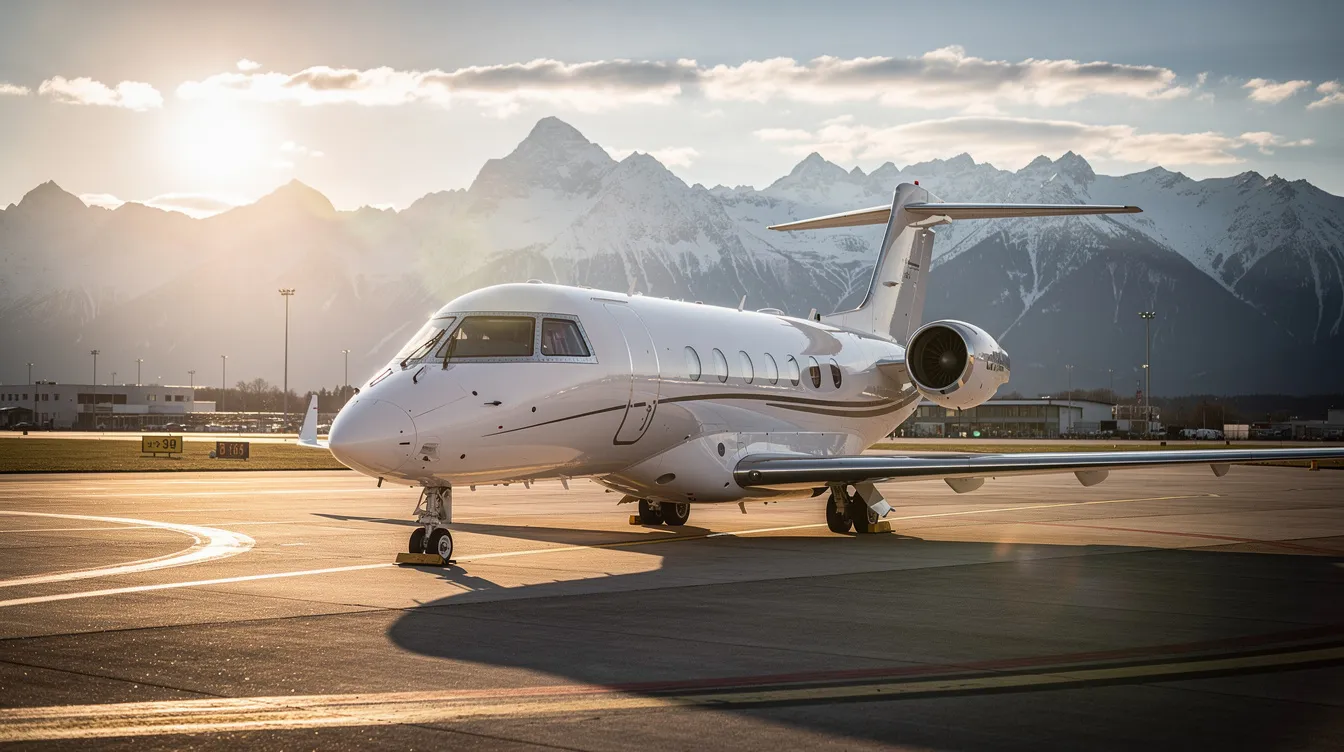
ImperialJet is a well-established private jet charter operator in Europe and the Middle East, known for its fleet control and regional expertise, while Jettly is a digital marketplace offering access to over 20,000 aircraft globally. ImperialJet operates its own fleet under strict regulatory oversight, providing consistent service and tailored options for corporate and private travelers. In contrast, Jettly emphasizes flexibility and instant pricing through its tech-driven platform, appealing to those seeking a broader range of aircraft and routes without long-term commitments. The choice between the two depends on travelers' preferences for consistency versus flexibility in their private jet charter experience.
Jay Franco Serevilla
Jun 24, 2026
|
5
min read
View all
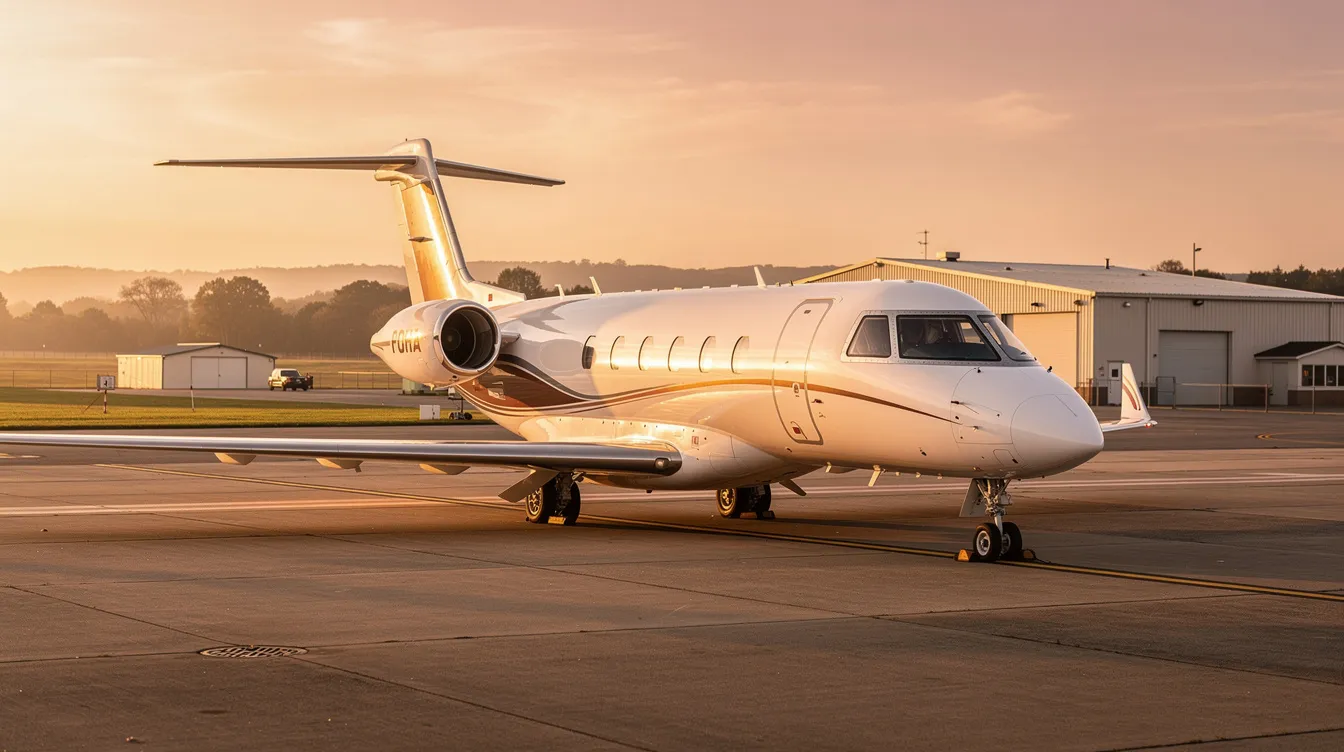
Flying on a private jet has become more affordable through strategies like utilizing empty leg flights, selecting smaller aircraft, and leveraging on-demand charter services such as Jettly. Travelers can save 30-75% on costs by being flexible with their schedules and choosing the right aircraft type, with prices ranging from $2,000 to over $10,000 per hour depending on the flight specifics. Jettly offers access to over 20,000 aircraft worldwide, providing transparent pricing and options for both on-demand and membership programs to help reduce travel expenses. By following practical tips and utilizing Jettly's platform, travelers can enjoy the benefits of private jet travel without the hefty price tag.
Jay Franco Serevilla
Jun 24, 2026
|
5
min read

View all
Private flights to Lake Tahoe provide significant time savings and convenience for travelers from major cities like San Francisco and Los Angeles, with options to land at Truckee Tahoe Airport, South Lake Tahoe Airport, or Reno-Tahoe International Airport. Charter costs range from approximately $3,500 to $26,000, depending on aircraft type and season, with Jettly offering instant pricing and booking for over 20,000 aircraft. The flexibility of private aviation allows for customized departure times and the ability to bypass crowded commercial hubs, making it ideal for families, business groups, and ski enthusiasts. Jettly's platform streamlines the booking process, ensuring travelers can easily compare options and secure their flights to this popular year-round destination.
Jay Franco Serevilla
Jun 24, 2026
|
5
min read
View all
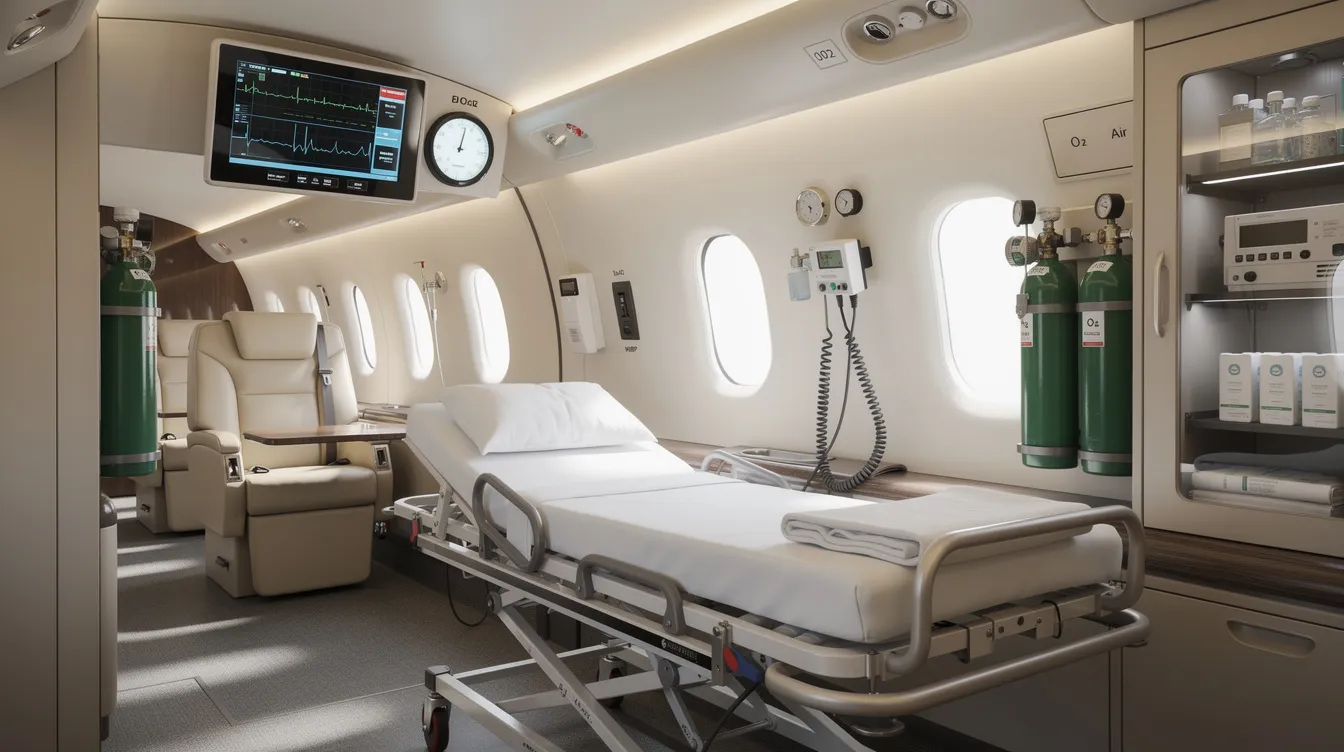
Ambulance jets are specialized aircraft designed as flying intensive care units, providing urgent medical transport for critically ill or injured patients across domestic and international routes. Equipped with hospital-grade medical equipment and staffed by certified medical professionals, these jets can handle time-sensitive conditions such as strokes, major trauma, and complex chronic illnesses. Jettly's platform facilitates quick arrangements for ambulance jets, offering access to over 20,000 aircraft and enabling services to be organized within four hours for emergencies. The service ensures that patients receive the necessary medical care during transit while coordinating logistics with hospitals and ground transport.
Jay Franco Serevilla
Jun 24, 2026
|
5
min read

View all
Jettly is revolutionizing private jet travel by offering a digital platform that connects travelers to over 20,000 aircraft globally, making the booking process straightforward and accessible without long-term commitments. Passengers can arrive just 15 to 30 minutes before departure, enjoy private terminals, and avoid the hassles of commercial air travel, significantly reducing overall travel time. The platform caters to various travel needs, from short regional flights to long-haul international trips, while also providing personalized services like catering and ground transportation. With transparent pricing and a focus on safety and sustainability, Jettly positions itself as a flexible alternative to traditional jet cards and ownership models.
Jay Franco Serevilla
Jun 24, 2026
|
5
min read
Explore our latest articles and updates.

5
min read
Blackhawk Helicopter Range: How Far the Sikorsky UH-60 Can Really Fly
The Sikorsky UH-60 Black Hawk helicopter boasts a combat radius of 320-370 miles and a maximum ferry range of 1,200-1,400 miles, influenced by various factors like payload and mission type. Understanding its range is essential for comparing military and civilian aviation capabilities, especially for those interested in rotary-wing performance and private charter options.
Read More
5
min read
Helicopter Seat Guide for Charter Travelers
This comprehensive helicopter seat guide helps charter travelers understand the trade-offs between safety, comfort, and capacity when selecting a helicopter. It details various seat types, cabin layouts, and their suitability for different missions, ensuring informed choices for city transfers, business meetings, or adventure trips. Jettly's platform facilitates easy comparisons and bookings tailored to individual needs.
Read MoreJoin our community and receive the latest blog updates directly in your inbox.
MEMBERSHIPS AND ASSOCIATIONS



Disclaimer: Jettly operates as a charter broker, offering access to a global digital jet charter marketplace. Jettly is not a direct air carrier and does not own or operate aircraft. All advertised flights are conducted by third-party air carriers that are fully licensed and hold the appropriate Part 135 or Part 121 certifications issued by the Federal Aviation Administration (FAA) or equivalent regulatory authorities under U.S. or foreign law. Jettly complies fully with the U.S. Department of Transportation's Part 295 and Part 298 Charter Broker regulations. Jettly does not carry additional liability insurance. Passengers are covered by aircraft operator insurance. TICO: 50023770


