


Login
Get Instant Pricing On 23,000+ Aircraft

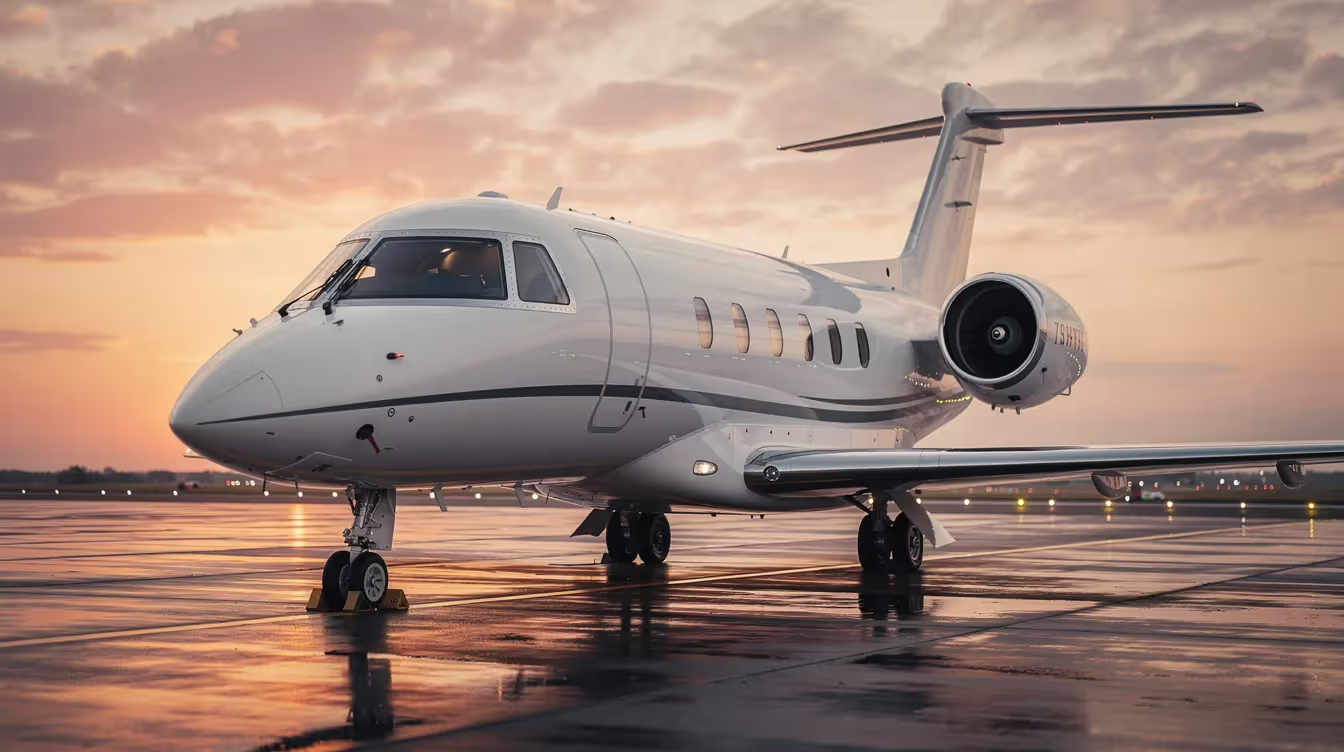
The cost of obtaining a helicopter pilot license in the U.S. ranges from approximately $25,000 to $35,000 for a Private Helicopter Pilot License (PPL-H) and can exceed $100,000 for a full commercial certification, depending on factors like flight hours, helicopter type, and geographic location. Key expenses include flight training, ground school, exams, and aircraft rental fees, with the Robinson R22 being a more affordable training option compared to the R44. While pursuing a helicopter license can lead to rewarding career opportunities, travelers seeking occasional private flights may find chartering options, such as those offered by Jettly, to be more cost-effective than investing in training. Overall, budgeting for training should include not only tuition but also additional costs like gear, insurance, and ongoing proficiency checks.
Jay Franco Serevilla
May 3, 2026
|
5
min read


View all
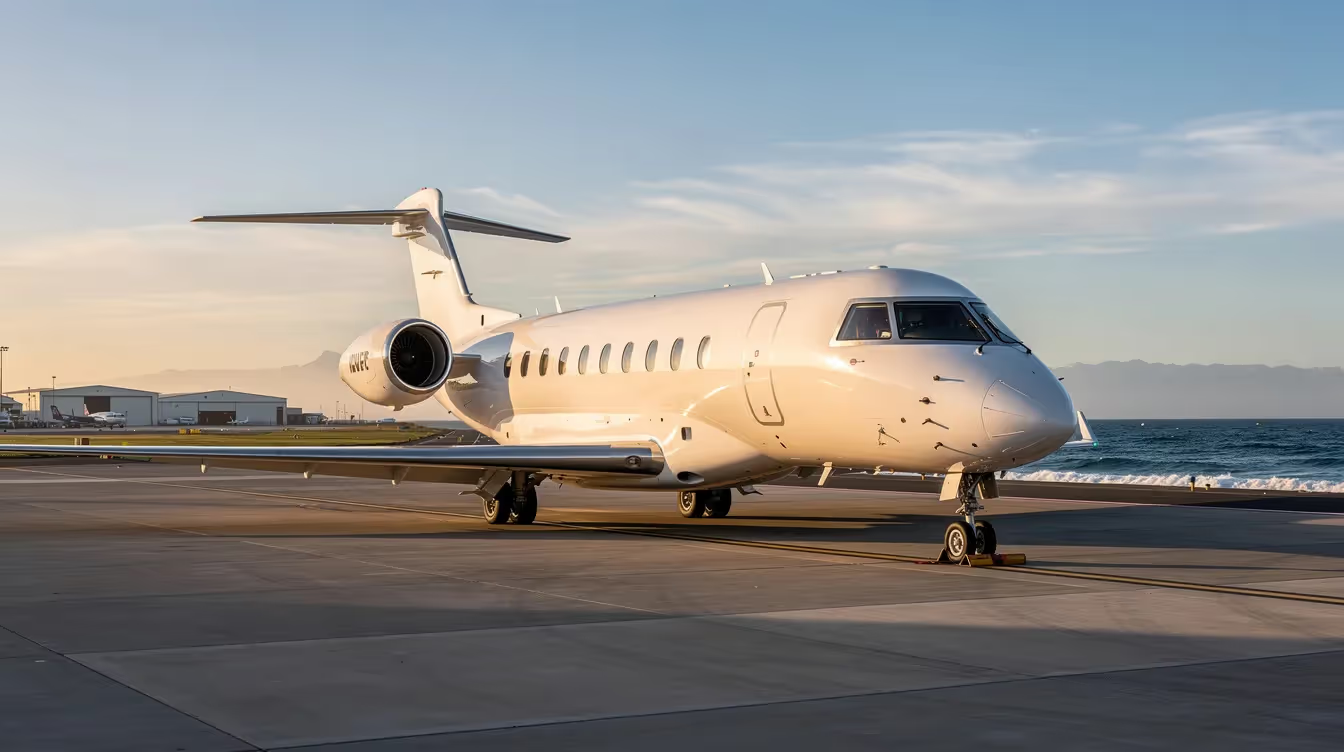
Chartering a private jet to Myrtle Beach offers travelers convenience, flexibility, and comfort, allowing for direct flights and personalized schedules. Jettly provides instant pricing and a variety of aircraft options, with costs starting around $2,000 per hour for turboprops and increasing based on aircraft type. The area is popular for golf trips and family vacations, especially during peak seasons, making early booking essential. Jettly's platform simplifies the booking process, ensuring travelers can easily access the necessary services for a seamless travel experience.
Jay Franco Serevilla
May 16, 2026
|
5
min read
View all
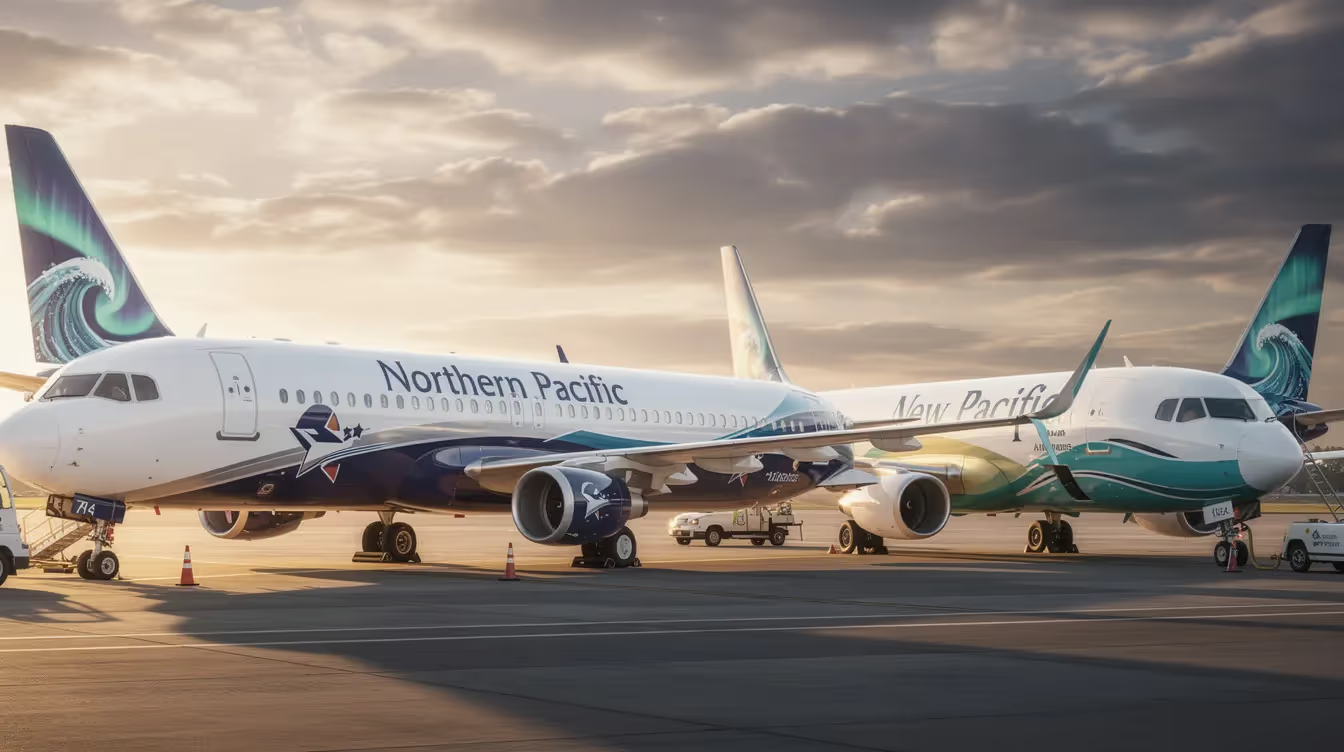
Northern Pacific Airways, rebranded as New Pacific Airlines, aimed to connect the U.S. and East Asia via Anchorage, Alaska, but faced significant operational and financial challenges, ultimately leading to its closure in late 2025. Despite initial plans for affordable transpacific routes and a unique stopover strategy, the airline struggled with regulatory approvals, rising costs, and a lack of sustained international flights. Following trademark litigation with BNSF Railway, the rebranding did not resolve deeper structural issues, and the airline ceased operations shortly after its inaugural flight in July 2023. For travelers affected by the airline's exit, private jet charter services like Jettly offer flexible alternatives to traditional commercial flights.
Jay Franco Serevilla
May 15, 2026
|
5
min read

View all
Westchester County Airport (HPN) is a prime choice for private aviation, offering convenient access to New York City while avoiding the congestion of larger airports. With multiple fixed-base operators (FBOs) providing efficient services, travelers benefit from streamlined check-in, shorter wait times, and enhanced privacy. Jettly's digital platform simplifies the booking process, offering instant pricing and a wide selection of aircraft, making it ideal for business executives and frequent flyers. Overall, HPN's strategic location and modern facilities cater to the needs of private travelers, ensuring a personalized and efficient flying experience.
Jay Franco Serevilla
May 15, 2026
|
5
min read

View all
Teterboro Airport (TEB) in New Jersey is a premier hub for private aviation, located just 12 miles from Midtown Manhattan, making it a convenient choice for business and leisure travelers. The airport, which has no scheduled commercial airline service, handles over 170,000 operations annually, primarily consisting of private jets and air taxi flights. With modern facilities, five fixed-base operators (FBOs), and a dedicated customs facility, Teterboro offers efficient access and services tailored to high-net-worth individuals and corporate clients. Jettly's platform enhances the experience by providing instant pricing, aircraft comparisons, and seamless coordination of ground transportation and flight arrangements.
Jay Franco Serevilla
May 15, 2026
|
5
min read
View all
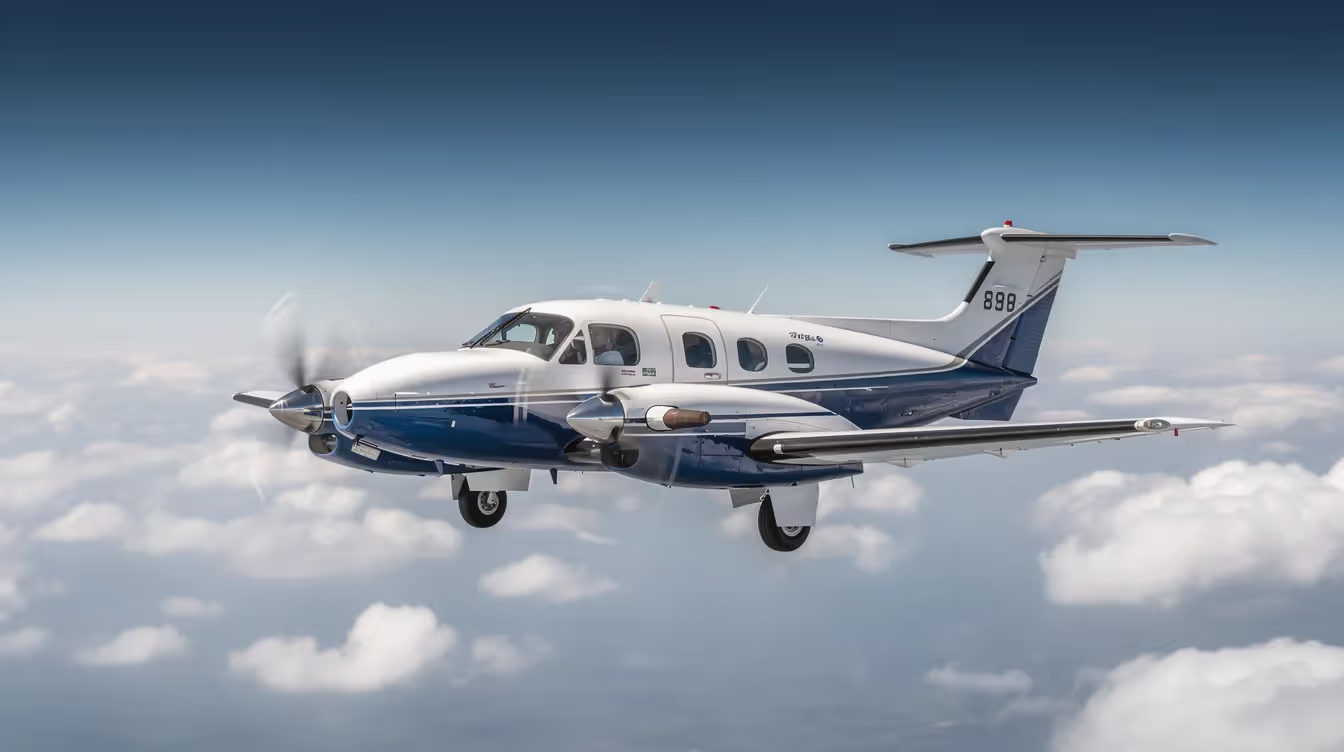
The Beechcraft Baron 58 is recognized as one of the fastest piston twin aircraft in general aviation, typically cruising at speeds of 180–190 KTAS, with turbocharged variants exceeding 200 KTAS. Its performance is influenced by factors such as aircraft weight, altitude, and temperature, making trip planning essential for charter clients to set realistic expectations regarding duration and costs. Jettly incorporates the Baron 58 into its network for efficient regional travel, highlighting its balance of speed, comfort, and lower operating costs compared to jets. Overall, the Baron 58 is an ideal choice for short to medium-range private charters, offering a compelling mix of performance and economy.
Jay Franco Serevilla
May 15, 2026
|
5
min read
View all
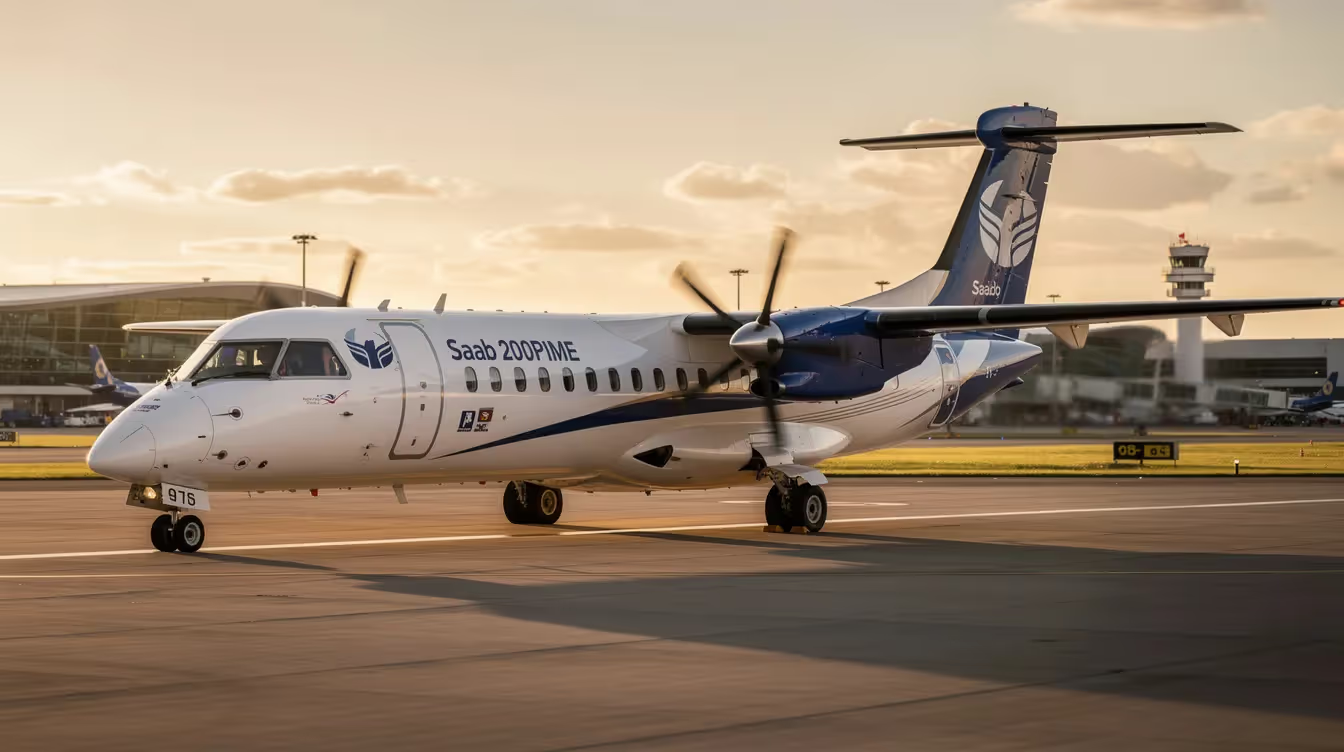
The Saab 2000 is a high-speed turboprop aircraft designed for regional and charter operations, offering jet-like performance with enhanced fuel efficiency and the ability to access smaller airports. With a maximum speed of 370 knots and a range of approximately 1,000 nautical miles, it serves as an economical choice for airlines and charter companies, particularly for groups needing to transport 40-50 passengers. Despite production ceasing in the early 2000s, the aircraft remains in active service globally, supported by specialized maintenance networks. Jettly facilitates charter flights on the Saab 2000, providing transparent pricing and flexible booking options for various travel needs.
Jay Franco Serevilla
May 15, 2026
|
5
min read
Explore our latest articles and updates.

5
min read
Busy airports for private jets during back-to-school season
Late August to early September triggers a surge in private aviation as summer travel ends, corporate travel resumes, and families transport students to major universities. Key hubs like Teterboro Airport (KTEB) and Dallas Love Field (KDAL) experience significant congestion, tight landing slots, and higher rates. To navigate these seasonal bottlenecks, charter operators must plan logistics and crew schedules in advance to accommodate flyer demand and ensure seamless travel.
Read More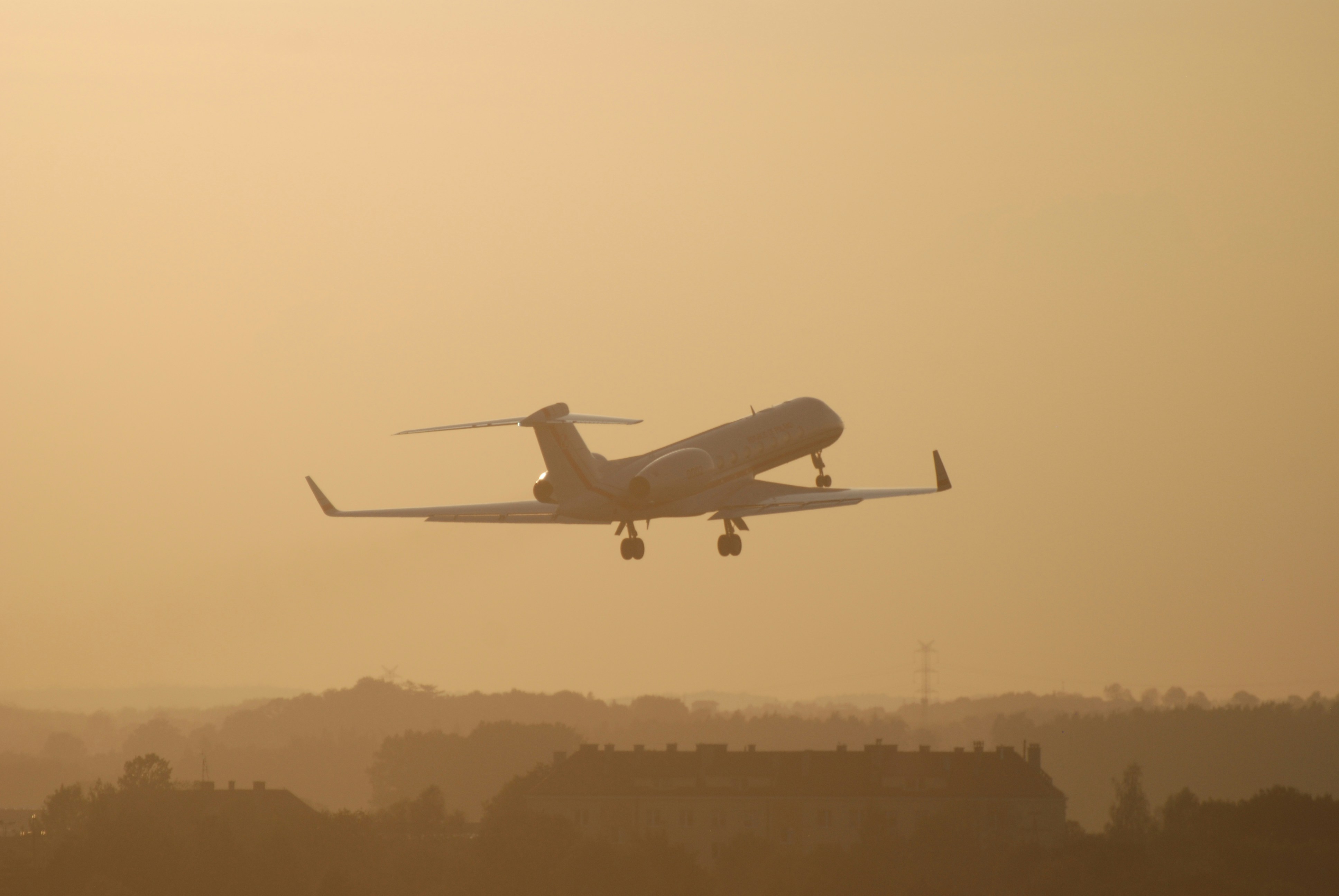
5
min read
Tiger Woods' Gulfstream G550: How elite athletes manage multicity travel
This article explores Tiger Woods' $53 million Gulfstream G550 and how high-performance private aviation serves as a crucial tool for top athletes. Beyond comfort and luxury, the jet's low cabin altitude pressurization, massive storage for specialized physio equipment, and direct long-range flight capabilities help Woods manage chronic injuries and travel fatigue while navigating a demanding global competition schedule.
Read MoreJoin our community and receive the latest blog updates directly in your inbox.
MEMBERSHIPS AND ASSOCIATIONS



Disclaimer: Jettly operates as a charter broker, offering access to a global digital jet charter marketplace. Jettly is not a direct air carrier and does not own or operate aircraft. All advertised flights are conducted by third-party air carriers that are fully licensed and hold the appropriate Part 135 or Part 121 certifications issued by the Federal Aviation Administration (FAA) or equivalent regulatory authorities under U.S. or foreign law. Jettly complies fully with the U.S. Department of Transportation's Part 295 and Part 298 Charter Broker regulations. Jettly does not carry additional liability insurance. Passengers are covered by aircraft operator insurance. TICO: 50023770


