


Login
Get Instant Pricing On 23,000+ Aircraft


This article provides developers and travel planners with essential insights into accessing JetBlue's aviation data, including flight schedules and real-time status. It highlights the importance of integrating JetBlue's API with private charter services like Jettly to enhance travel solutions and optimize trip planning. Understanding these options allows for seamless passenger experiences and operational advantages.
Jay Franco Serevilla
Sep 13, 2026
|
5
min read



View all
Traveling from LAX to Carson City involves flying into Reno-Tahoe International Airport and then driving to Carson City. However, private jet charters offer a more direct and convenient option, allowing travelers to land at Carson Airport. This guide provides insights on routes, costs, and tips for finding the best deals for both commercial and private flights.
Jay Franco Serevilla
Sep 7, 2026
|
5
min read

View all
Traveling from Carson City to San Francisco offers multiple options including a scenic drive, commercial flights, and private jet charters. Each mode of transport has its own advantages in terms of cost, time, and convenience. This guide provides insights into the best travel methods, costs, and tips for a smooth journey between these two vibrant locations.
Jay Franco Serevilla
Sep 7, 2026
|
5
min read

View all
This article compares 24/7 Jet Inc, a traditional aviation operator, with Jettly, a digital charter marketplace. While 24/7 Jet Inc focuses on aircraft management and charter services from a small fleet, Jettly offers instant access to over 20,000 aircraft worldwide, catering to travelers seeking flexibility and transparency in private jet bookings.
Jay Franco Serevilla
Sep 7, 2026
|
5
min read

View all
In 2026, corporate pilots' salaries vary significantly based on factors such as aircraft type, operation model, and experience. Entry-level pilots earn between $65,000 and $110,000, while experienced captains can make upwards of $200,000 to $350,000+. The demand for qualified pilots continues to rise, pushing compensation higher across the industry.
Jay Franco Serevilla
Sep 7, 2026
|
5
min read

View all
Davinci Jets is a premier private aviation company based in Charlotte, NC, offering a diverse fleet and comprehensive services including aircraft management and charter. With a focus on safety and personalized service, Davinci Jets caters to business travelers and jet owners, providing a high-touch experience that contrasts with digital charter platforms like Jettly, which offer instant booking and access to a wider range of aircraft. This guide explores Davinci Jets' offerings and how they compare to digital alternatives.
Jay Franco Serevilla
Sep 6, 2026
|
5
min read

View all
Jet International Company has been a key player in the aviation industry since 1979, providing essential components and solutions to keep commercial aircraft operational. By ensuring reliable parts and efficient repair services, they help reduce delays and cancellations, benefiting both commercial and private travelers. Meanwhile, platforms like Jettly offer seamless access to private jet charters, enhancing travel flexibility and convenience.
Jay Franco Serevilla
Sep 6, 2026
|
5
min read
Explore our latest articles and updates.
5
min read
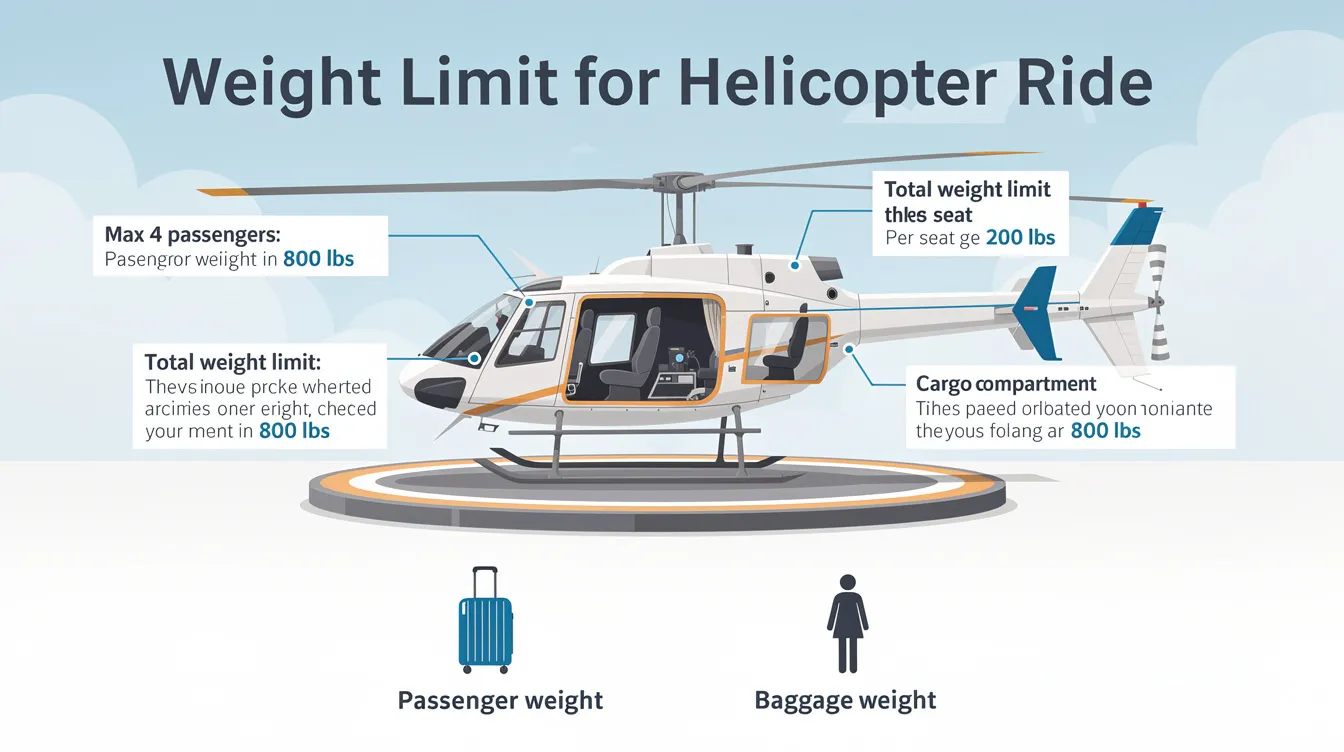
Weight Limit for Helicopter Ride: What You Need to Know Before You Book
Understanding helicopter weight limits is crucial for ensuring safety and comfort during flights. Each helicopter has specific weight restrictions that can affect seating arrangements and costs. Passengers should be aware of these limits and plan accordingly to avoid surprises.
Read More
5
min read
Helicopter Specs: Key Performance Numbers, Configurations, and Use Cases
Helicopter specs provide essential performance data that define a rotorcraft's capabilities, including weight, speed, range, and passenger capacity. Understanding these specifications is crucial for selecting the right helicopter for various missions, from VIP transfers to emergency services. This guide simplifies complex technical details, helping users make informed decisions based on their travel needs.
Read MoreJoin our community and receive the latest blog updates directly in your inbox.
MEMBERSHIPS AND ASSOCIATIONS



Disclaimer: Jettly operates as a charter broker, offering access to a global digital jet charter marketplace. Jettly is not a direct air carrier and does not own or operate aircraft. All advertised flights are conducted by third-party air carriers that are fully licensed and hold the appropriate Part 135 or Part 121 certifications issued by the Federal Aviation Administration (FAA) or equivalent regulatory authorities under U.S. or foreign law. Jettly complies fully with the U.S. Department of Transportation's Part 295 and Part 298 Charter Broker regulations. Jettly does not carry additional liability insurance. Passengers are covered by aircraft operator insurance. TICO: 50023770


