


Login
Get Instant Pricing On 23,000+ Aircraft


Most commercial planes fly between 9 to 12 km, while private jets can reach up to 15.5 km. The chosen altitude balances fuel efficiency, safety, and passenger comfort. Understanding these heights helps travelers appreciate the dynamics of air travel and optimize their flight experience.
Jay Franco Serevilla
Sep 12, 2026
|
5
min read


View all
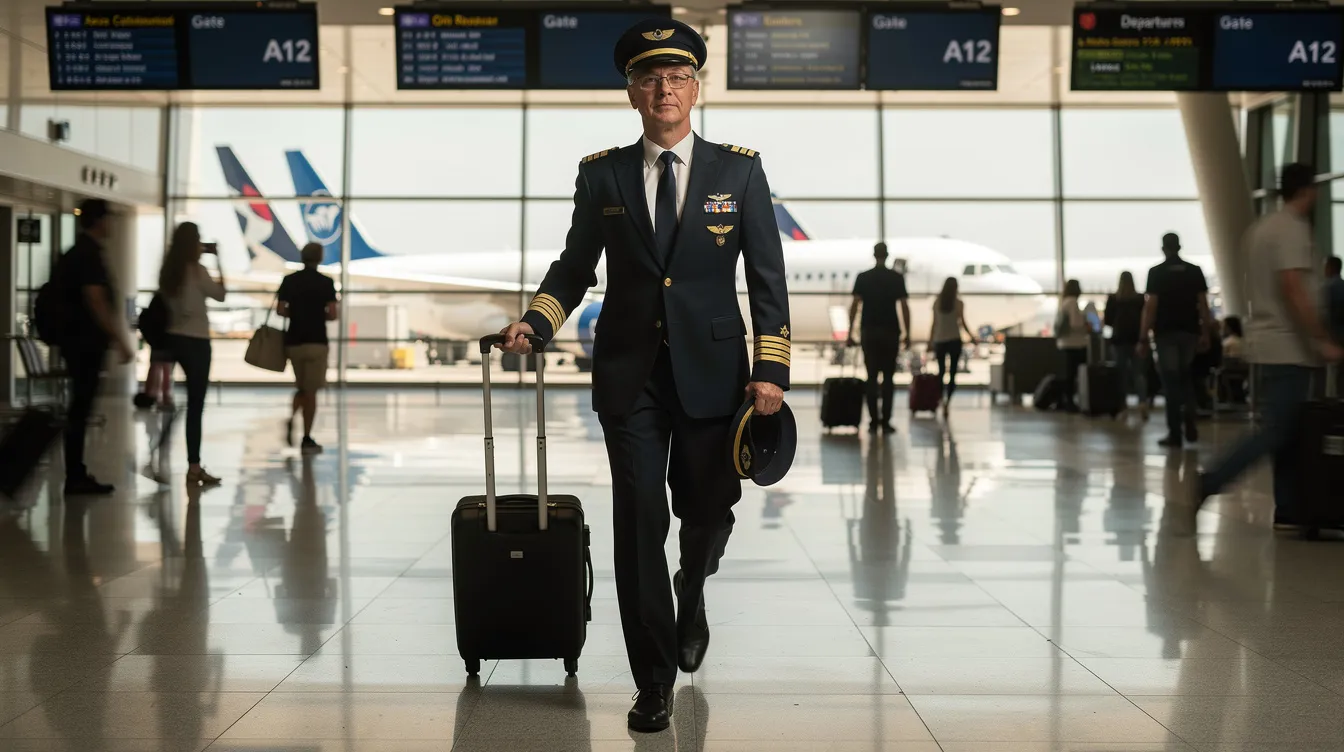
In aviation, a "deadhead pilot" refers to a crew member traveling as a passenger to reposition for a work assignment, a practice that applies to both pilots and flight attendants. Deadheading is a paid duty status, distinct from unpaid commuting, and is essential for maintaining operational coverage after disruptions or irregular schedules. Airlines may utilize deadheading on their own flights or through agreements with other carriers, while private aviation platforms like Jettly optimize similar repositioning flights to enhance cost efficiency for travelers. Understanding deadheading is crucial for appreciating the complexities of crew scheduling and the benefits of flexible private air travel.
Jay Franco Serevilla
Jun 30, 2026
|
5
min read

View all
Jettly is a digital marketplace that connects travelers with certified pilots and a network of over 20,000 private jets, streamlining the process of booking private air travel. By sourcing vetted operators, Jettly ensures that all flights meet safety and regulatory standards, eliminating the risks associated with informal pilot hiring. The platform offers instant pricing and supports on-demand charters from smaller airports, making private aviation more accessible and efficient. For pilots, Jettly generates job opportunities within charter and corporate operators, reflecting the growing demand for private aviation services.
Jay Franco Serevilla
Jun 29, 2026
|
5
min read

View all
An airport locator is a valuable tool for private jet travelers, allowing them to find airports closer to their actual destinations rather than defaulting to major hubs, which can save significant ground time. Jettly utilizes this technology to connect travelers with suitable aircraft across over 5,000 public-use airports, providing essential data such as runway specifications and available services. By selecting the right airport, travelers can enhance their overall experience, reducing travel time and potentially lowering costs. Jettly's platform streamlines the booking process by automatically matching optimal airports with a global inventory of aircraft, ensuring a tailored private flight experience.
Jay Franco Serevilla
Jun 29, 2026
|
5
min read
View all
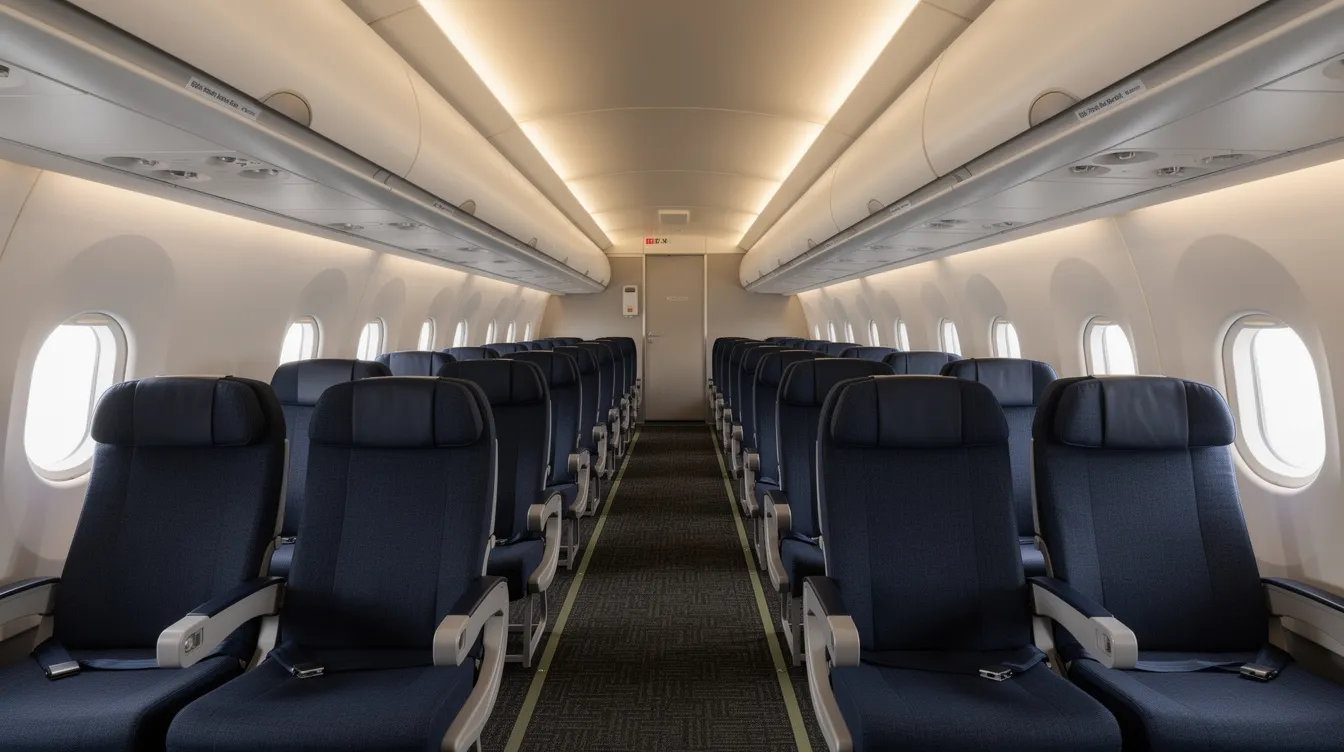
Smoking and vaping on planes are strictly prohibited worldwide due to safety and health concerns, with fines in the U.S. reaching up to $4,000 per violation and potentially exceeding $40,000 if it causes a flight diversion. Passengers caught smoking may face arrest, lifetime bans from airlines, and even criminal charges for interfering with crew members. While private jets may have varying smoking policies, most operators enforce strict non-smoking rules to protect cabin conditions and crew health. Travelers are advised to plan ahead, use nicotine alternatives, and confirm smoking policies before booking to avoid costly penalties and disruptions.
Jay Franco Serevilla
Jun 29, 2026
|
5
min read

View all
Smoking on airplanes has evolved from a common practice to a universal ban on commercial flights, implemented in the early 2000s due to health and safety concerns. While private jets may have varying smoking policies set by operators, many still enforce non-smoking rules to protect interiors and crew health. Violating smoking regulations can lead to significant penalties, including fines and potential legal action. Understanding these regulations is crucial for travelers to ensure compliance and a safer flying experience.
Jay Franco Serevilla
Jun 29, 2026
|
5
min read
View all
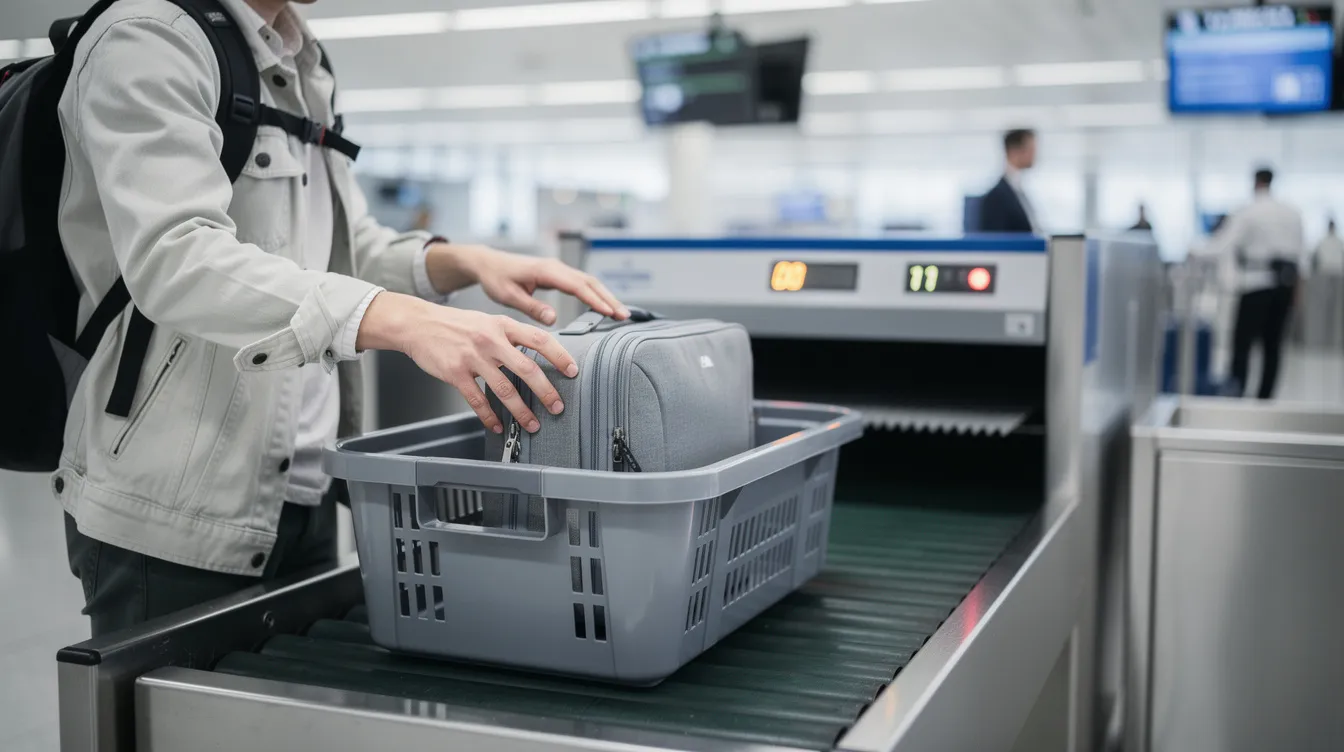
Cigarettes can be carried in both carry-on and checked luggage on most airlines, but smoking on commercial flights is strictly prohibited, with fines up to $4,000 for violations. While there are no domestic limits on the number of cigarettes for personal use in the U.S., international travel is subject to customs regulations, typically allowing around 200 cigarettes duty-free per adult, though this varies by country. Lighters, vapes, and other smoking accessories have stricter rules, often requiring them to be kept in carry-on luggage only. Private jet charters may allow smoking if permitted by the aircraft owner and operator, offering more flexibility compared to commercial flights.
Jay Franco Serevilla
Jun 29, 2026
|
5
min read
Explore our latest articles and updates.

5
min read
The "Super Bowl effect": How major events cause a spike in travel by private jet
Major events like the Super Bowl cause dramatic spikes in private jet travel, with arrivals and departures increasing up to 9× normal weekend traffic. Celebrities, executives, and brands rely on large private jets, driving sharp price increases and massive revenue gains for operators, airports, and FBOs. Similar surges occur around global events like Cannes, Monaco, Davos, and the Met Gala. These demand shocks are accelerating investment in regional airports and pushing travelers away from full ownership toward fractional and on-demand private aviation.
Read More
5
min read
The Best Tools for Tracking Private Jets Efficiently and Accurately
Private jet tracking has become essential for ensuring efficiency and transparency in private aviation, which is increasingly popular among high-net-worth individuals despite its significant carbon emissions. Advanced tracking tools like FlightAware, Flightradar24, and ADS-B Exchange utilize technologies such as ADS-B and satellite surveillance to provide real-time data on private flights, catering to operators and aviation enthusiasts alike. However, privacy concerns have led some owners to block public tracking of their aircraft, complicating the landscape of flight monitoring. As demand for accurate tracking grows, innovations in technology will likely enhance the capabilities of these platforms, promoting safer and more sustainable private air travel.
Read MoreJoin our community and receive the latest blog updates directly in your inbox.
MEMBERSHIPS AND ASSOCIATIONS



Disclaimer: Jettly operates as a charter broker, offering access to a global digital jet charter marketplace. Jettly is not a direct air carrier and does not own or operate aircraft. All advertised flights are conducted by third-party air carriers that are fully licensed and hold the appropriate Part 135 or Part 121 certifications issued by the Federal Aviation Administration (FAA) or equivalent regulatory authorities under U.S. or foreign law. Jettly complies fully with the U.S. Department of Transportation's Part 295 and Part 298 Charter Broker regulations. Jettly does not carry additional liability insurance. Passengers are covered by aircraft operator insurance. TICO: 50023770


