


Login
Get Instant Pricing On 23,000+ Aircraft


Finding the best time to buy international airline tickets to Europe can save travelers hundreds of dollars. Booking 3 to 7 months in advance typically yields the best prices, especially during shoulder seasons. This guide offers insights on timing, fare tracking, and alternative airports to maximize savings and flexibility.
Jay Franco Serevilla
Oct 7, 2026
|
5
min read



View all
Helicopter ambulance costs in 2026 can range from $25,000 to over $100,000, depending on distance, medical complexity, and insurance coverage. Understanding these costs is crucial to avoid unexpected bills, as many patients face significant out-of-pocket expenses. Jettly offers a tech-driven platform for non-emergency private flights, providing transparency in pricing for urgent medical travel needs.
Jay Franco Serevilla
Jul 24, 2026
|
5
min read

View all
Experience the breathtaking views of Dallas from above with helicopter tours that offer unique perspectives of the city's skyline and landmarks. Whether you're looking for a scenic flight or a private charter, Jettly simplifies the booking process, ensuring a memorable aerial adventure. Discover the best times to fly, safety standards, and how to tailor your experience to fit your needs.
Jay Franco Serevilla
Jul 24, 2026
|
5
min read

View all
Helicopter flight costs in 2025-2026 range from $1,200 to over $5,000 per hour, influenced by aircraft type, distance, and demand. Factors like location, seasonality, and additional fees also play a significant role in determining the final price. Booking in advance and considering shared flights can help travelers save on costs.
Jay Franco Serevilla
Jul 24, 2026
|
5
min read
View all
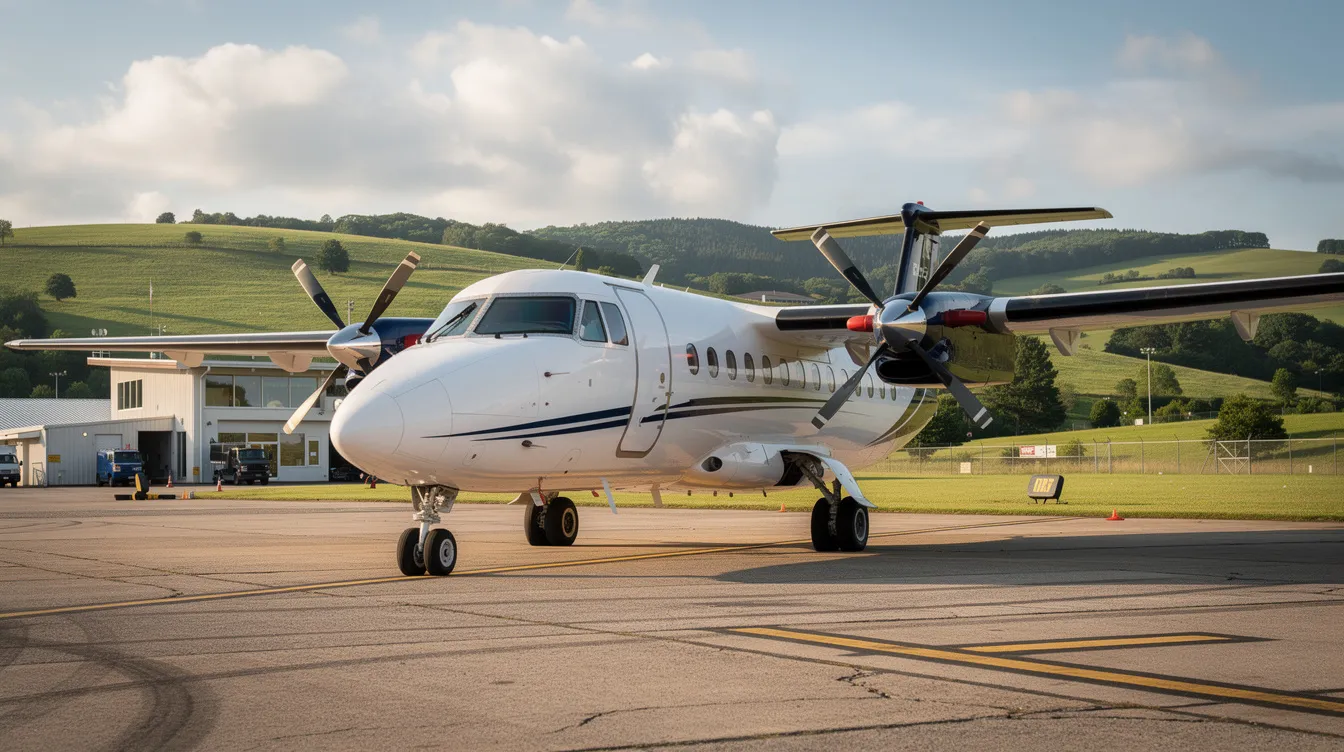
The ATR 72-201 and ATR 72-202 are efficient turboprop aircraft designed for regional group charters, accommodating 66 to 72 passengers. With their reliable performance and operational flexibility, they are ideal for corporate shuttles, sports teams, and tour operators. Jettly offers seamless booking options for these versatile aircraft, making them a practical choice for group travel.
Jay Franco Serevilla
Jul 24, 2026
|
5
min read

View all
The ATR 42 is a versatile regional turboprop ideal for short-haul flights, accommodating 30-50 passengers. This guide provides insights into its performance, variants, and how to book a charter through Jettly, making it a cost-effective choice for group travel.
Jay Franco Serevilla
Jul 24, 2026
|
5
min read

View all
The Boeing 737, a twin-engine jetliner, is the best-selling commercial aircraft family, with over 10,000 units delivered. Spanning four generations, including the latest 737 MAX, it offers enhanced performance, efficiency, and comfort, making it a popular choice for both commercial airlines and private charters.
Jay Franco Serevilla
Jul 24, 2026
|
5
min read
Explore our latest articles and updates.

5
min read
Fractional Jet Ownership Provider Reviews: NetJets, Flexjet, PlaneSense & Airshare
The leading fractional jet ownership providers in the U.S. are NetJets, Flexjet, PlaneSense, and Airshare, each offering distinct fleet models, pricing structures, and service approaches. NetJets is the largest provider, known for its extensive fleet and global reach, making it ideal for high-utilization travelers, while Flexjet emphasizes premium service and cabin design for those seeking a more personalized experience. PlaneSense focuses on turboprop and light jet efficiency for regional travel, and Airshare offers a day-based model suited for multi-leg itineraries in the central U.S. Prospective owners should carefully evaluate each provider's strengths, limitations, and cost structures to find the best fit for their travel needs.
Read More
5
min read
Fractional Jet Availability, Lead Times & Peak Day Rules Explained
Fractional jet ownership offers guaranteed access to an equivalent aircraft category, but this is subject to specific booking lead times, peak-day restrictions, and operational constraints. Buyers should understand that "guaranteed availability" does not mean access to a specific aircraft at all times, especially during high-demand periods or holidays, where longer notice and potential surcharges may apply. The structure allows for flexibility and cost-sharing among multiple owners, but it also requires careful review of contract terms, including substitution policies and peak calendars. For those seeking more straightforward access without the complexities of ownership, jet cards or on-demand charter services may provide better options.
Read MoreJoin our community and receive the latest blog updates directly in your inbox.
MEMBERSHIPS AND ASSOCIATIONS



Disclaimer: Jettly operates as a charter broker, offering access to a global digital jet charter marketplace. Jettly is not a direct air carrier and does not own or operate aircraft. All advertised flights are conducted by third-party air carriers that are fully licensed and hold the appropriate Part 135 or Part 121 certifications issued by the Federal Aviation Administration (FAA) or equivalent regulatory authorities under U.S. or foreign law. Jettly complies fully with the U.S. Department of Transportation's Part 295 and Part 298 Charter Broker regulations. Jettly does not carry additional liability insurance. Passengers are covered by aircraft operator insurance. TICO: 50023770


