


Login
Get Instant Pricing On 23,000+ Aircraft

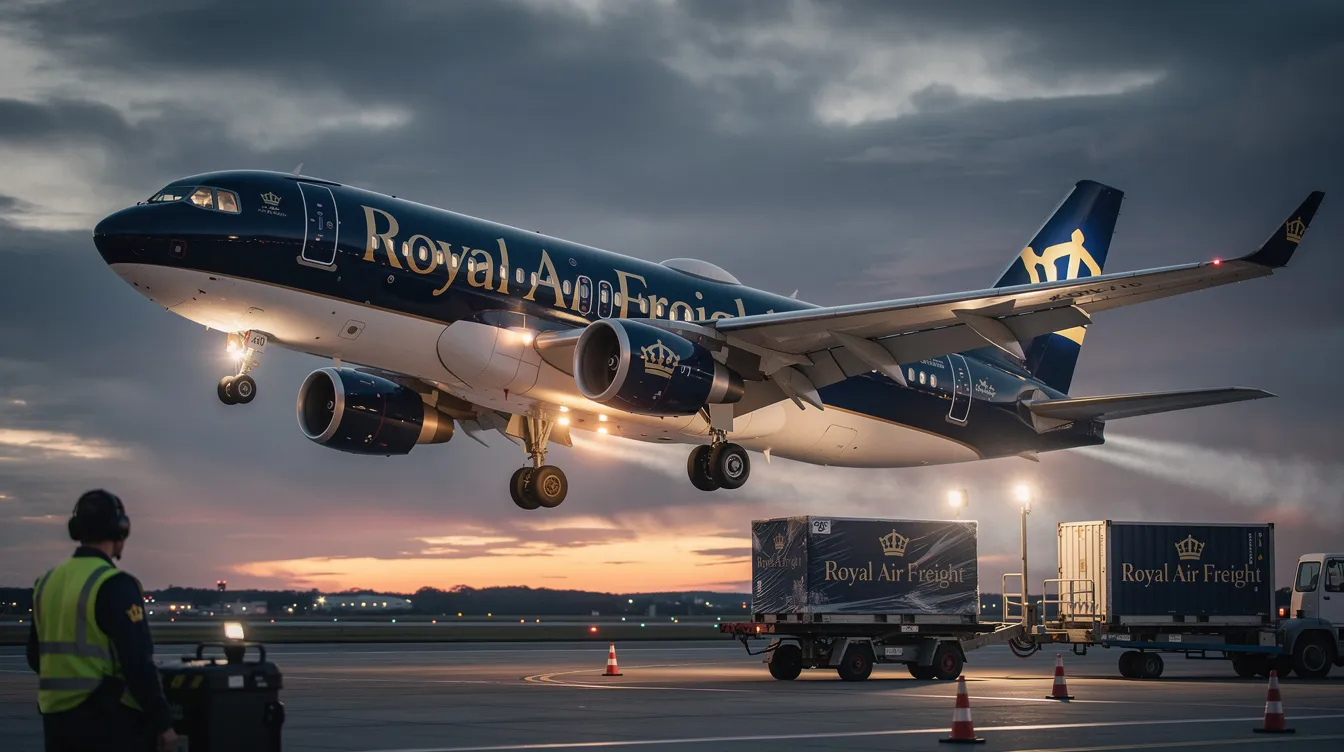
Royal Air Freight Inc. has been a trusted name in charter and air freight services since 1961, specializing in expedited cargo and passenger flights across North America. Jettly, a digital charter broker, offers a broader marketplace for comparing private jet and cargo flight options, providing travelers with greater flexibility and instant pricing.
Jay Franco Serevilla
Sep 27, 2026
|
5
min read


View all
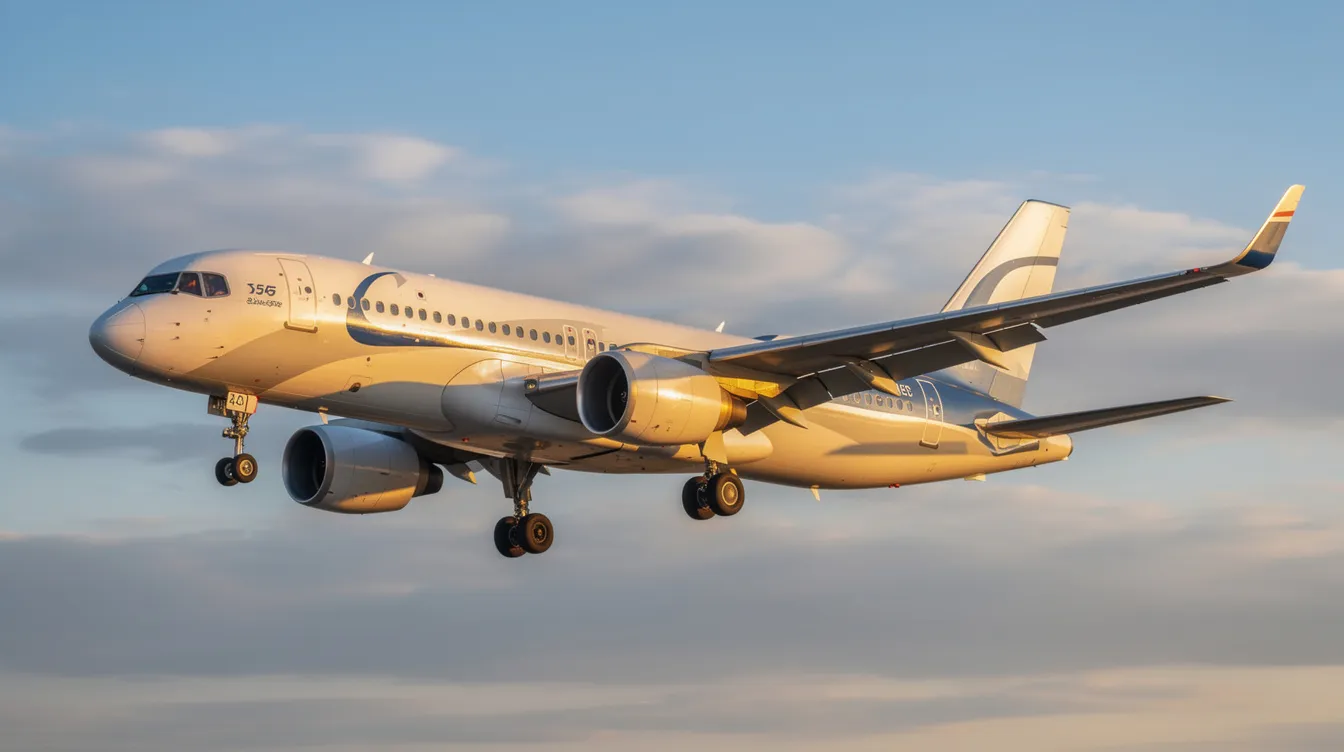
The Boeing 757, a versatile narrow-body airliner, has been a staple in aviation since its first flight in 1982. Known for its fuel efficiency and capacity, it continues to serve airlines and charter markets, particularly for large groups and VIP configurations. This guide explores its history, variants, and modern applications in charter services, highlighting how platforms like Jettly facilitate access to this iconic aircraft.
Jay Franco Serevilla
Jul 17, 2026
|
5
min read
View all
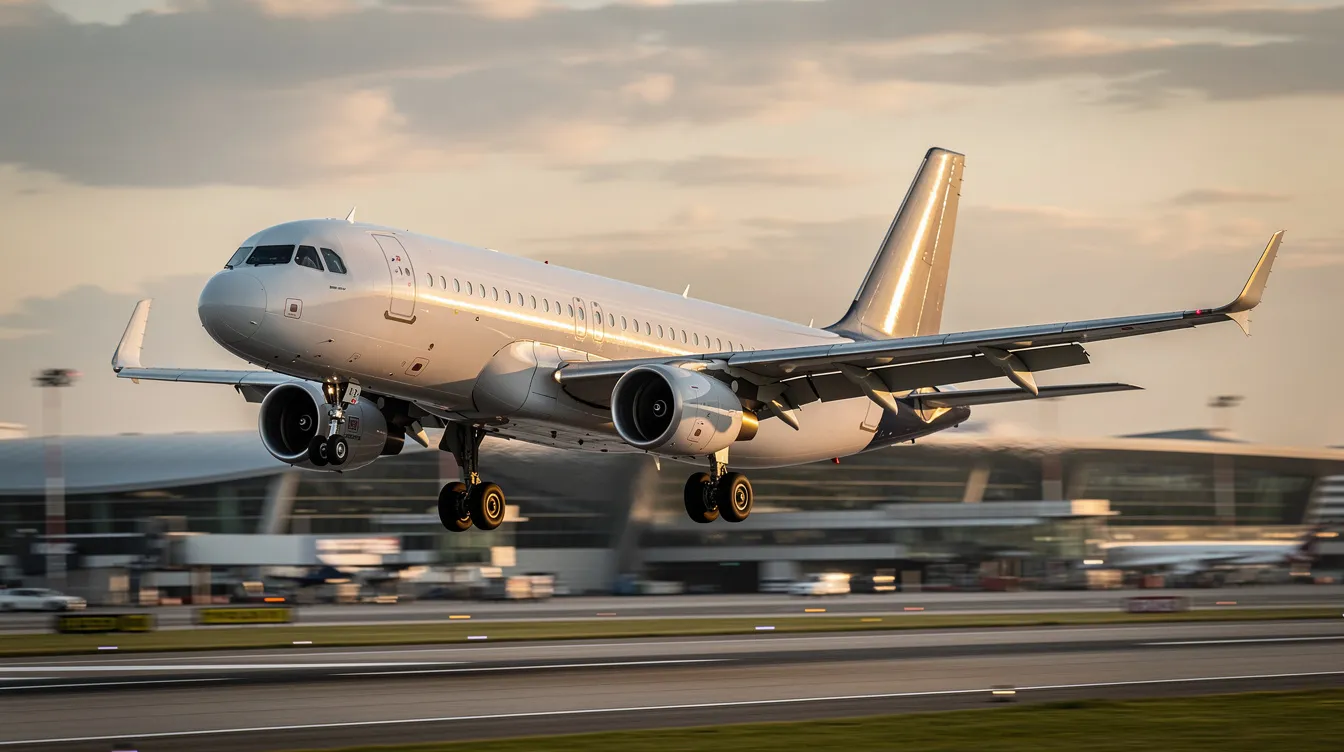
The Airbus A320 is a leading single-aisle jetliner known for its efficiency and modern technology. Since its introduction in 1988, it has become the most successful narrow-body aircraft, serving various airlines and charter markets worldwide. This guide covers its history, variants, performance, and how to book or charter an A320 for your travel needs.
Jay Franco Serevilla
Jul 17, 2026
|
5
min read
View all
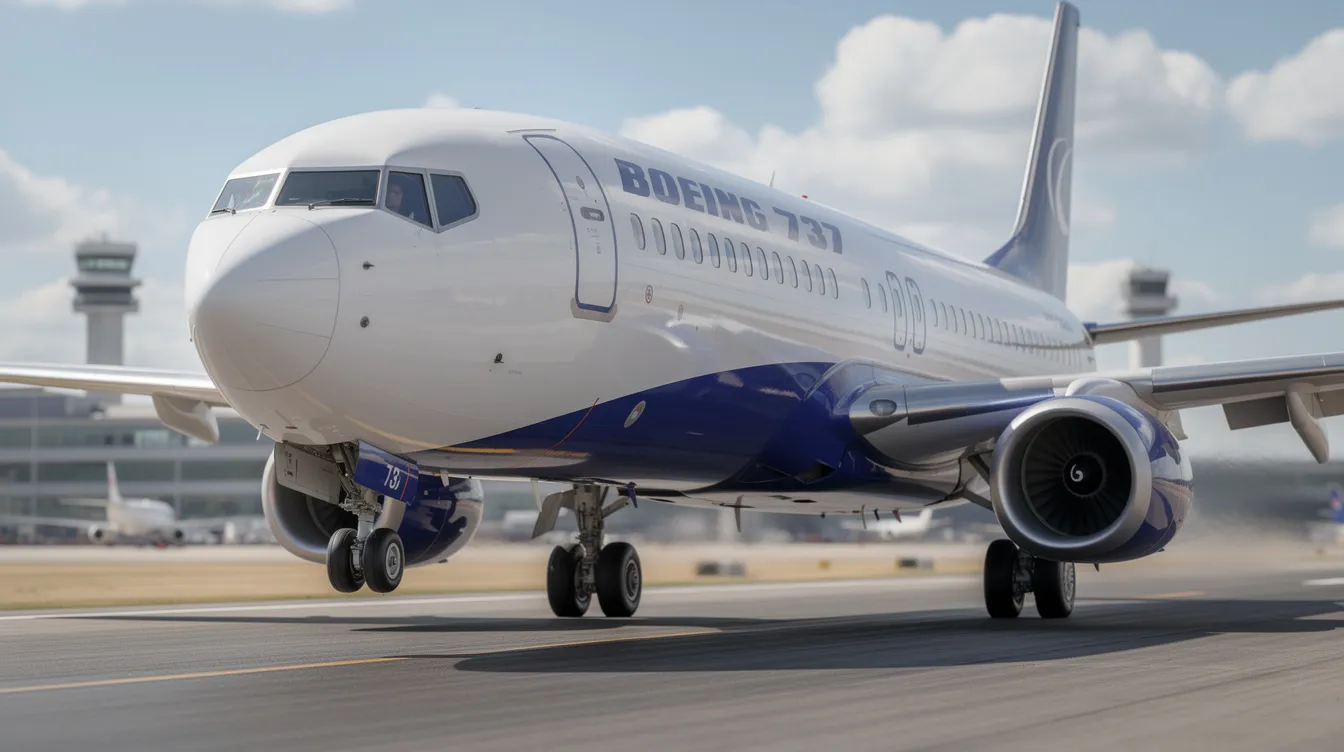
The Boeing 737 has been a cornerstone of commercial aviation since its debut in 1967, evolving through generations to meet modern travel demands. Despite facing significant challenges, particularly with the 737 MAX, ongoing improvements and regulatory oversight have reshaped its safety profile. Travelers now have more options than ever, including private jet charters, to enhance their flying experience.
Jay Franco Serevilla
Jul 17, 2026
|
5
min read
View all
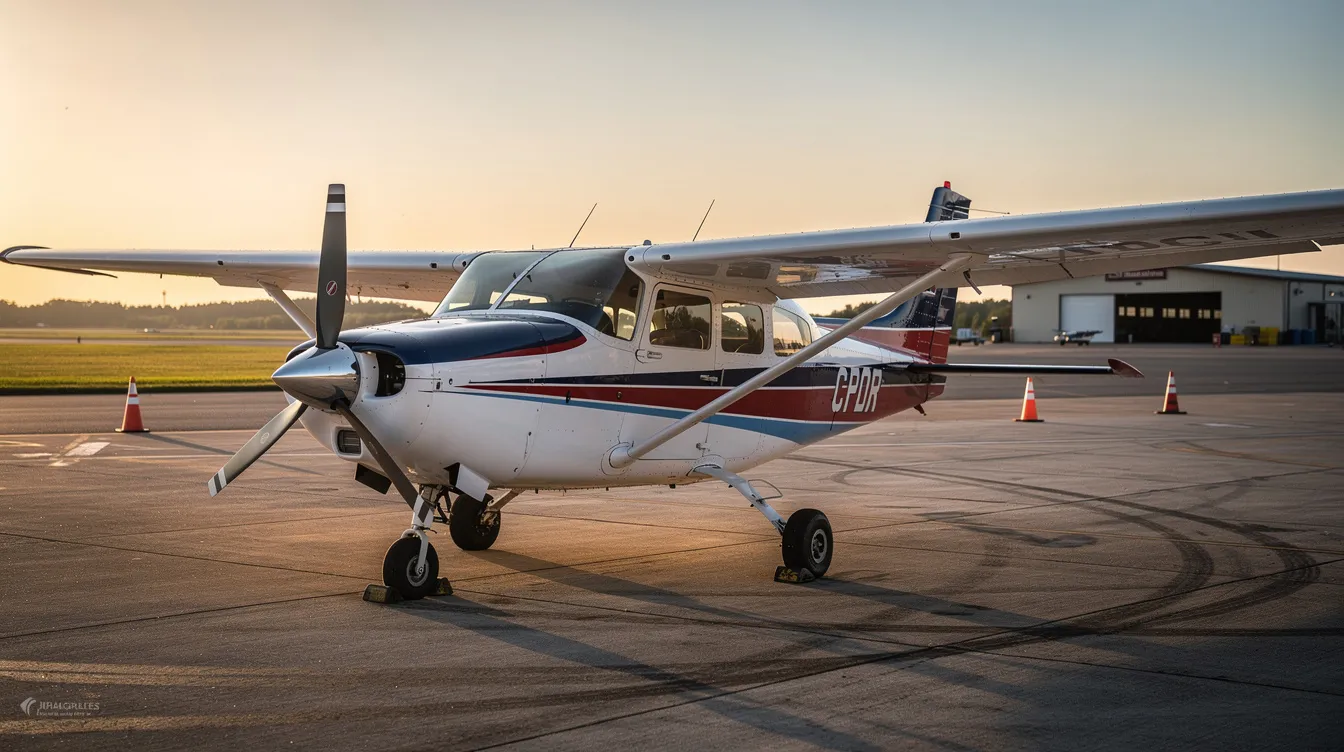
In 2026, Piper Cherokee owners can expect annual inspection costs to range from $2,000 to $4,000, depending on the aircraft's condition and necessary repairs. Understanding these costs is crucial for budgeting and maintaining airworthiness, as well as deciding between ownership and charter alternatives. Owner-assisted maintenance can help reduce expenses, making it easier to manage ongoing costs.
Jay Franco Serevilla
Jul 17, 2026
|
5
min read
View all
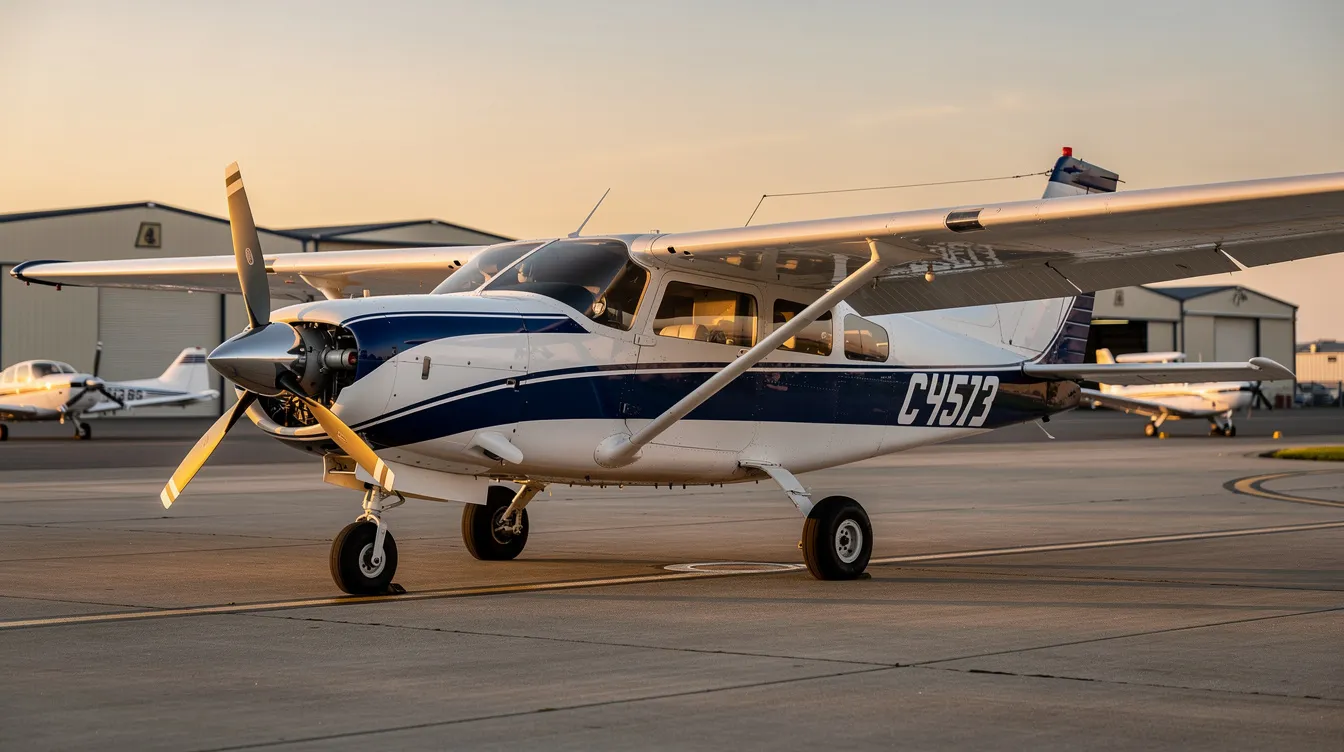
The Piper Cherokee Six (PA-32) is a versatile single-engine aircraft known for its spacious cabin and strong payload capabilities, making it ideal for family travel, air taxi services, and cargo transport. This guide covers its key features, specifications, and operational considerations, while also highlighting modern charter options through platforms like Jettly for those seeking similar aircraft without ownership responsibilities.
Jay Franco Serevilla
Jul 17, 2026
|
5
min read
View all
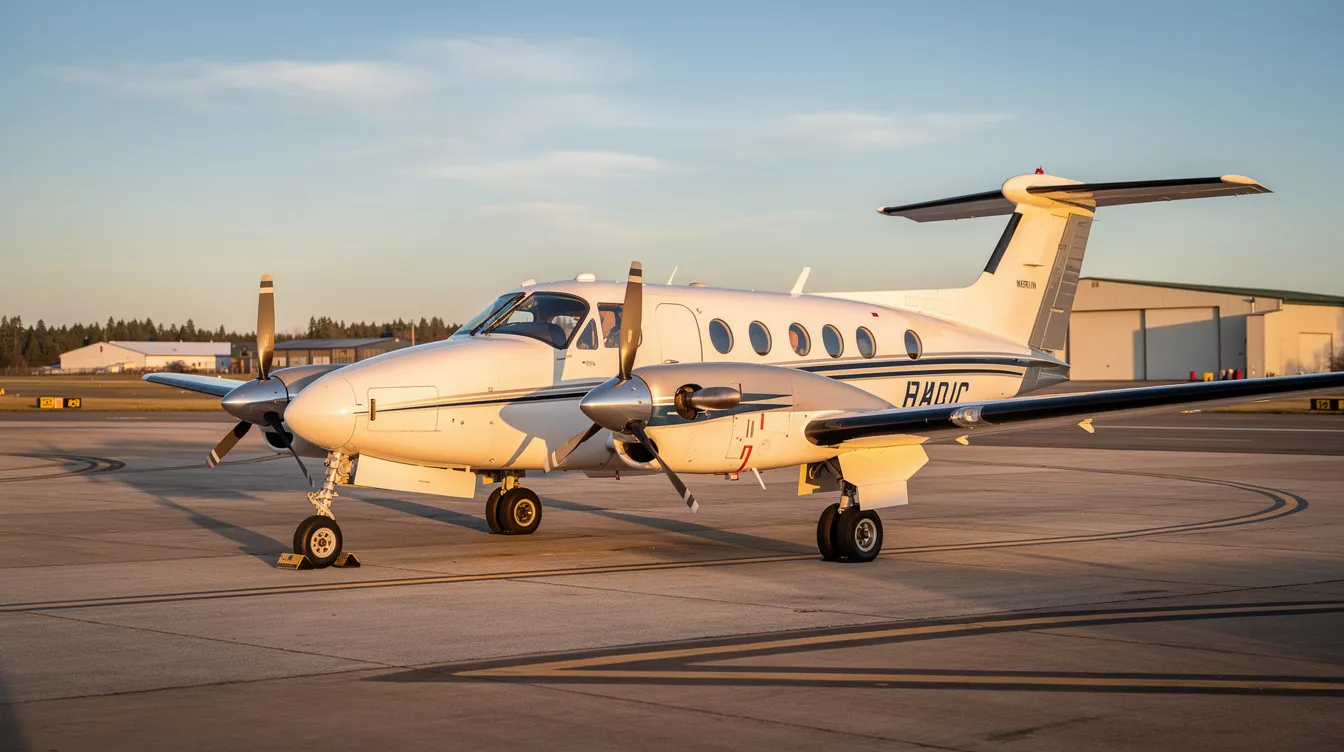
The Swearingen Merlin 3 is a versatile twin turboprop aircraft ideal for private charter travelers seeking efficiency and speed. With a pressurized cabin and the ability to operate from shorter runways, it offers a practical alternative to light jets for both business and leisure flights. Jettly provides easy access to Merlin III options with transparent pricing and a wide network of operators.
Jay Franco Serevilla
Jul 17, 2026
|
5
min read
Explore our latest articles and updates.
5
min read
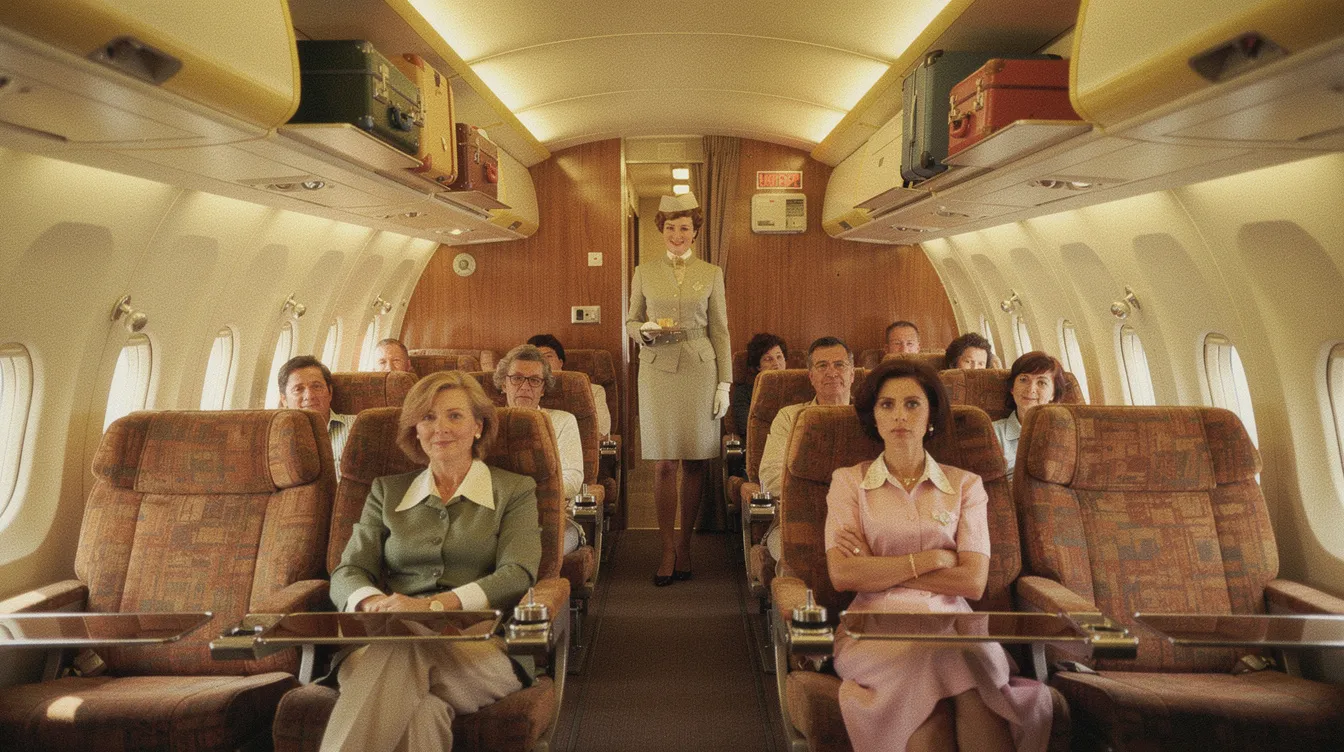
Smoking in Airplanes: From Airline Smoking Ban to Private Jet Rules
Smoking on airplanes has evolved from a common practice to a universal ban on commercial flights, implemented in the early 2000s due to health and safety concerns. While private jets may have varying smoking policies set by operators, many still enforce non-smoking rules to protect interiors and crew health. Violating smoking regulations can lead to significant penalties, including fines and potential legal action. Understanding these regulations is crucial for travelers to ensure compliance and a safer flying experience.
Read More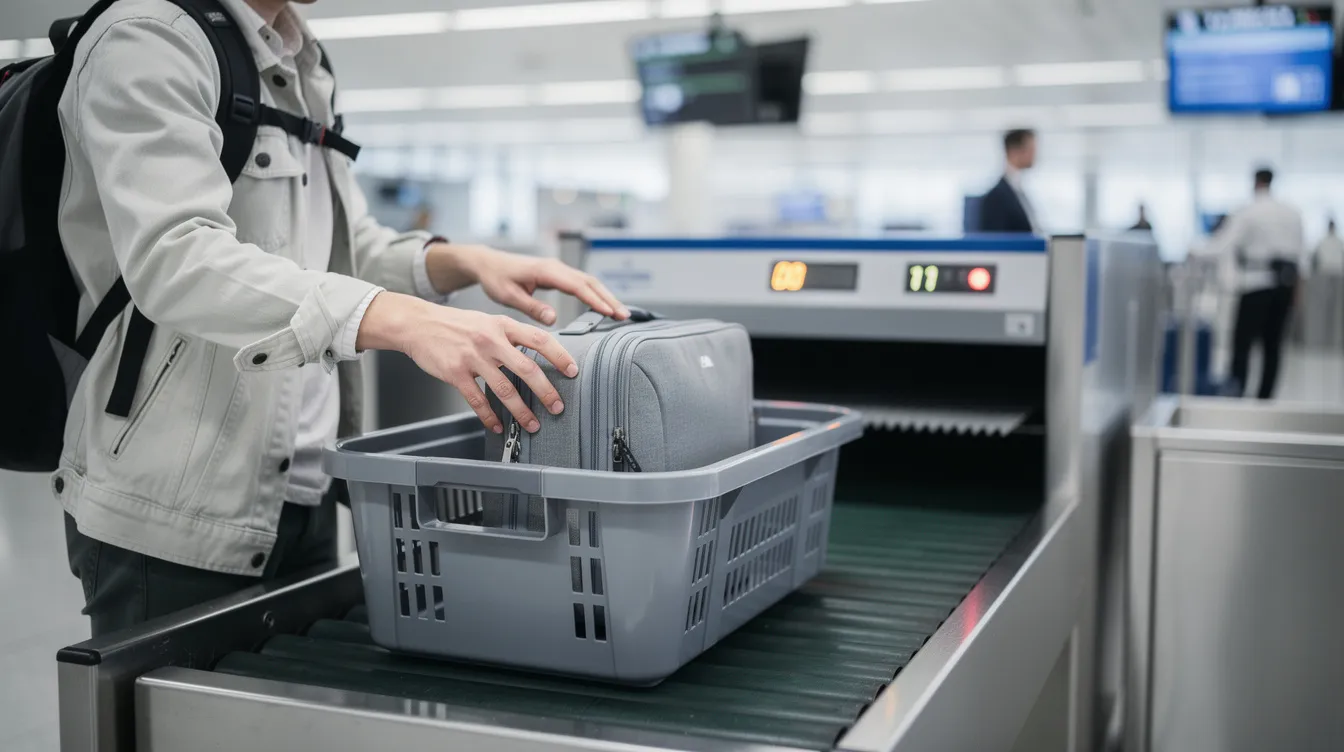
5
min read
Can You Take Cigarettes on an Airplane? (Commercial & Private Jet Rules)
Cigarettes can be carried in both carry-on and checked luggage on most airlines, but smoking on commercial flights is strictly prohibited, with fines up to $4,000 for violations. While there are no domestic limits on the number of cigarettes for personal use in the U.S., international travel is subject to customs regulations, typically allowing around 200 cigarettes duty-free per adult, though this varies by country. Lighters, vapes, and other smoking accessories have stricter rules, often requiring them to be kept in carry-on luggage only. Private jet charters may allow smoking if permitted by the aircraft owner and operator, offering more flexibility compared to commercial flights.
Read MoreJoin our community and receive the latest blog updates directly in your inbox.
MEMBERSHIPS AND ASSOCIATIONS



Disclaimer: Jettly operates as a charter broker, offering access to a global digital jet charter marketplace. Jettly is not a direct air carrier and does not own or operate aircraft. All advertised flights are conducted by third-party air carriers that are fully licensed and hold the appropriate Part 135 or Part 121 certifications issued by the Federal Aviation Administration (FAA) or equivalent regulatory authorities under U.S. or foreign law. Jettly complies fully with the U.S. Department of Transportation's Part 295 and Part 298 Charter Broker regulations. Jettly does not carry additional liability insurance. Passengers are covered by aircraft operator insurance. TICO: 50023770


