


Login
Get Instant Pricing On 23,000+ Aircraft

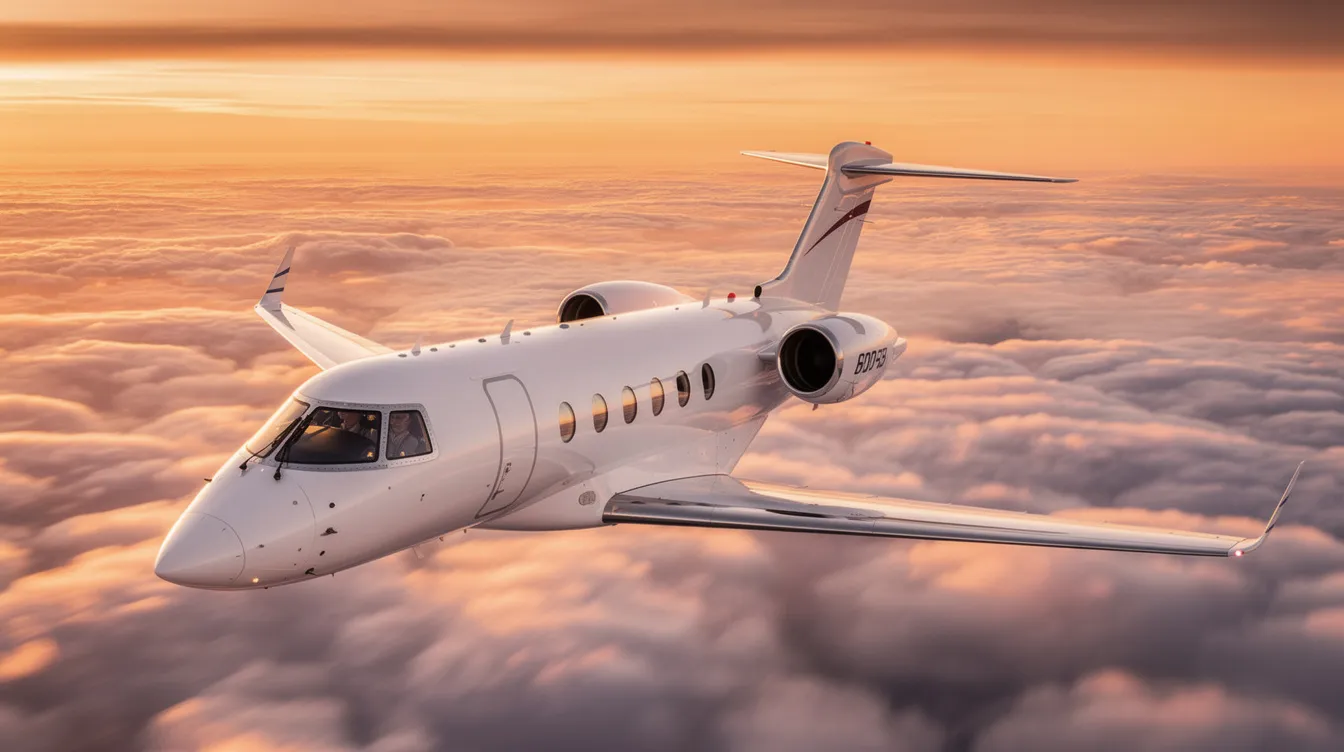
The Dassault Falcon 100 is a light-to-midsize business jet known for its speed and operational efficiency, ideal for short-to-medium-range travel. Produced from 1983 to 1989, it features a compact cabin accommodating up to six passengers and advanced avionics for its time. Despite its age, the Falcon 100 remains popular in the charter market, offering flexibility and access to smaller airports.
Jay Franco Serevilla
Sep 19, 2026
|
5
min read



View all
Chinook helicopters for sale primarily consist of surplus CH-47D models, which are available to civilian buyers after being retired from military service, while the newer CH-47F variant remains restricted to military use. The market for these helicopters has grown since the U.S. government began auctioning CH-47Ds in 2013, with prices typically ranging from $2 to $3.5 million, though costs can rise significantly with refurbishment and compliance to regulatory standards. Buyers must navigate complex financial, legal, and operational challenges, including FAA certifications that limit usage to specific missions like heavy-lift operations, as civilian ownership is uncommon. For those needing heavy-lift capabilities without the burdens of ownership, chartering options through platforms like Jettly provide a practical alternative.
Jay Franco Serevilla
Jul 7, 2026
|
5
min read

View all
In 2025, helicopter ride prices vary significantly based on factors such as flight duration, location, and aircraft type, with shared tours costing between $150 and $600 per person and private charters ranging from $1,200 to $3,500 per hour. Key cities like New York, Los Angeles, and Miami have distinct pricing structures, with NYC tours starting around $286 and private charters often exceeding $2,500 per hour. Additional fees, such as heliport surcharges and fuel costs, can increase total expenses by 10-25%, so it's crucial to confirm what's included before booking. Platforms like Jettly facilitate price comparisons and transparent quotes, helping travelers secure the best deals for their helicopter experiences.
Jay Franco Serevilla
Jul 6, 2026
|
5
min read
View all
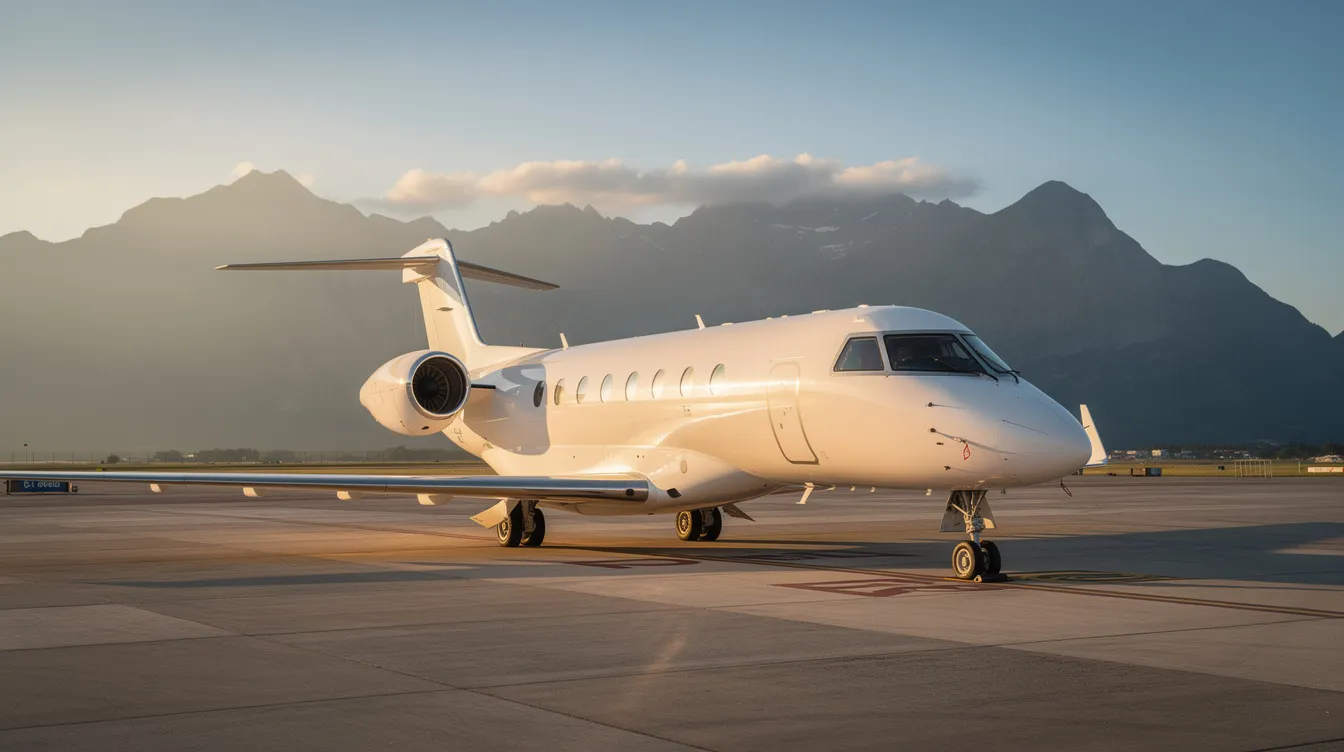
Modern travel agents and agencies collaborate with digital platforms like Jettly to offer comprehensive travel planning, including private jet charters. Travel agents provide personalized services, while agencies manage supplier relationships and accreditation, allowing them to secure exclusive perks for clients. Jettly acts as a specialized online travel agency for private aviation, enabling agents to access a vast network of aircraft and instant pricing. This combination of expert guidance and digital convenience empowers travelers to make informed decisions about their travel arrangements, balancing cost, timing, and comfort.
Jay Franco Serevilla
Jul 6, 2026
|
5
min read

View all
Costco Travel packages offer bundled vacations that include flights, hotels, and additional perks, providing significant savings for members. These packages are designed for families and couples seeking convenience and value, with options for customization and added benefits like waived fees and daily breakfasts. While Costco Travel is ideal for mainstream destinations and straightforward itineraries, travelers seeking flexibility and personalized experiences may find private jet charters through Jettly a better fit. Ultimately, the choice between Costco Travel and private jet options depends on individual travel priorities, budget, and desired convenience.
Jay Franco Serevilla
Jul 6, 2026
|
5
min read
View all
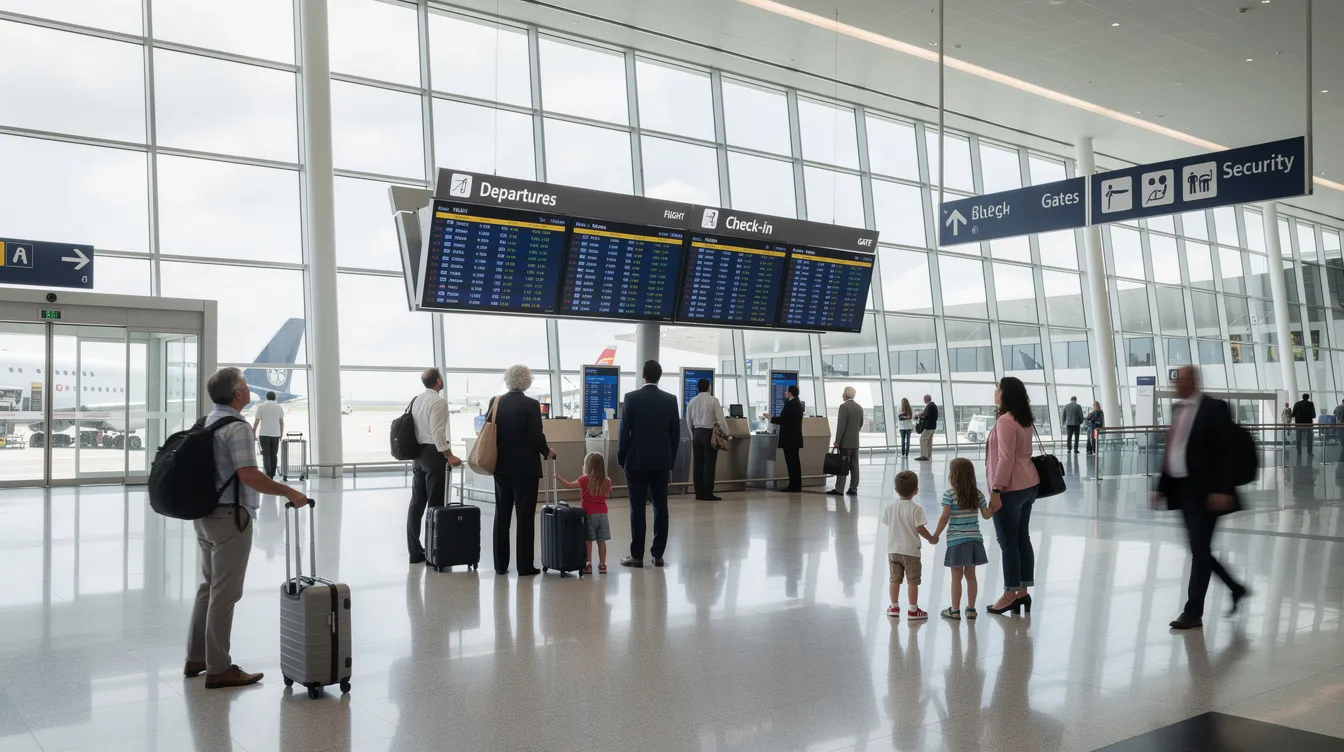
To find the best last-minute flight deals, focus on booking 2–3 days before departure rather than a specific weekday, as timing and flexibility are key. Midweek flights and traveling on holidays like Christmas Day can yield significant savings. For urgent business trips or group travel, consider private jet charters, which can be more cost-effective and time-efficient than last-minute commercial fares. Tools like price alerts and flexible-date calendars are essential for tracking fare drops in the final days before travel.
Jay Franco Serevilla
Jul 6, 2026
|
5
min read

View all
Timing your flight ticket purchases can significantly affect travel costs, with optimal booking windows varying for commercial and private flights. For U.S. domestic flights, the best time to book is typically 1–3 months in advance, while international flights should be booked 3–6 months ahead. Private jet charters are best booked 2–4 weeks before short-haul trips and 4–8 weeks for long-haul flights, with Jettly offering tools for transparent pricing and aircraft comparisons. Monitoring prices and flying on off-peak days can further enhance savings for both commercial and private travel.
Jay Franco Serevilla
Jul 6, 2026
|
5
min read
Explore our latest articles and updates.

5
min read
Talon Aviation: Flight Training, Charter, and Tech-Enabled Private Travel
Talon Aviation and Talon Air are two distinct entities in the aviation sector, with Talon Aviation focusing on flight training in North Carolina and Talon Air specializing in private jet charters from New York. This guide clarifies their differences and highlights the role of Jettly, a digital marketplace that connects travelers to a wide range of private jet options. Understanding these services can help you choose the right aviation path for your needs.
Read More
5
min read
Transavia flights: what to know before you book (and when to consider private charter instead)
Transavia is a popular low-cost airline in Europe, known for its budget-friendly fares to sunny destinations. However, travelers should be aware of additional fees and potential service issues that can inflate costs. For those prioritizing flexibility and personalized service, private jet charters through platforms like Jettly may offer a more suitable alternative.
Read MoreJoin our community and receive the latest blog updates directly in your inbox.
MEMBERSHIPS AND ASSOCIATIONS



Disclaimer: Jettly operates as a charter broker, offering access to a global digital jet charter marketplace. Jettly is not a direct air carrier and does not own or operate aircraft. All advertised flights are conducted by third-party air carriers that are fully licensed and hold the appropriate Part 135 or Part 121 certifications issued by the Federal Aviation Administration (FAA) or equivalent regulatory authorities under U.S. or foreign law. Jettly complies fully with the U.S. Department of Transportation's Part 295 and Part 298 Charter Broker regulations. Jettly does not carry additional liability insurance. Passengers are covered by aircraft operator insurance. TICO: 50023770


