


Login
Get Instant Pricing On 23,000+ Aircraft


This article provides developers and travel planners with essential insights into accessing JetBlue's aviation data, including flight schedules and real-time status. It highlights the importance of integrating JetBlue's API with private charter services like Jettly to enhance travel solutions and optimize trip planning. Understanding these options allows for seamless passenger experiences and operational advantages.
Jay Franco Serevilla
Sep 13, 2026
|
5
min read



View all
The Piper Aerostar is a high-performance piston twin-engine aircraft known for its impressive speed, with cruise speeds ranging from 220 to 285 knots depending on the model. Designed by Ted Smith in the 1960s, it set multiple speed records and remains a respected option for fast cross-country flights, although its demanding handling characteristics require skilled piloting. While the Aerostar excels in speed, modern travelers often prefer chartering turboprops or jets that offer greater cabin comfort and operational simplicity, as these aircraft can match or exceed the Aerostar's performance. Understanding the Aerostar's capabilities provides valuable context for evaluating private aviation options today.
Jay Franco Serevilla
Jul 3, 2026
|
5
min read

View all
The Piper Cheyenne PA-31T is a versatile turboprop aircraft, ideal for private charter travel, offering a balance of speed, range, and cost-effectiveness. It typically seats 6-8 passengers and is powered by reliable Pratt & Whitney PT6A engines, making it suitable for regional business trips, family travel, and medical transport. Charter rates for the Cheyenne are generally lower than those for light jets, especially for flights between 300-700 nautical miles. Jettly's platform allows users to easily compare Cheyenne options with other aircraft, providing transparent pricing and access to vetted operators for a seamless booking experience.
Jay Franco Serevilla
Jul 3, 2026
|
5
min read
View all
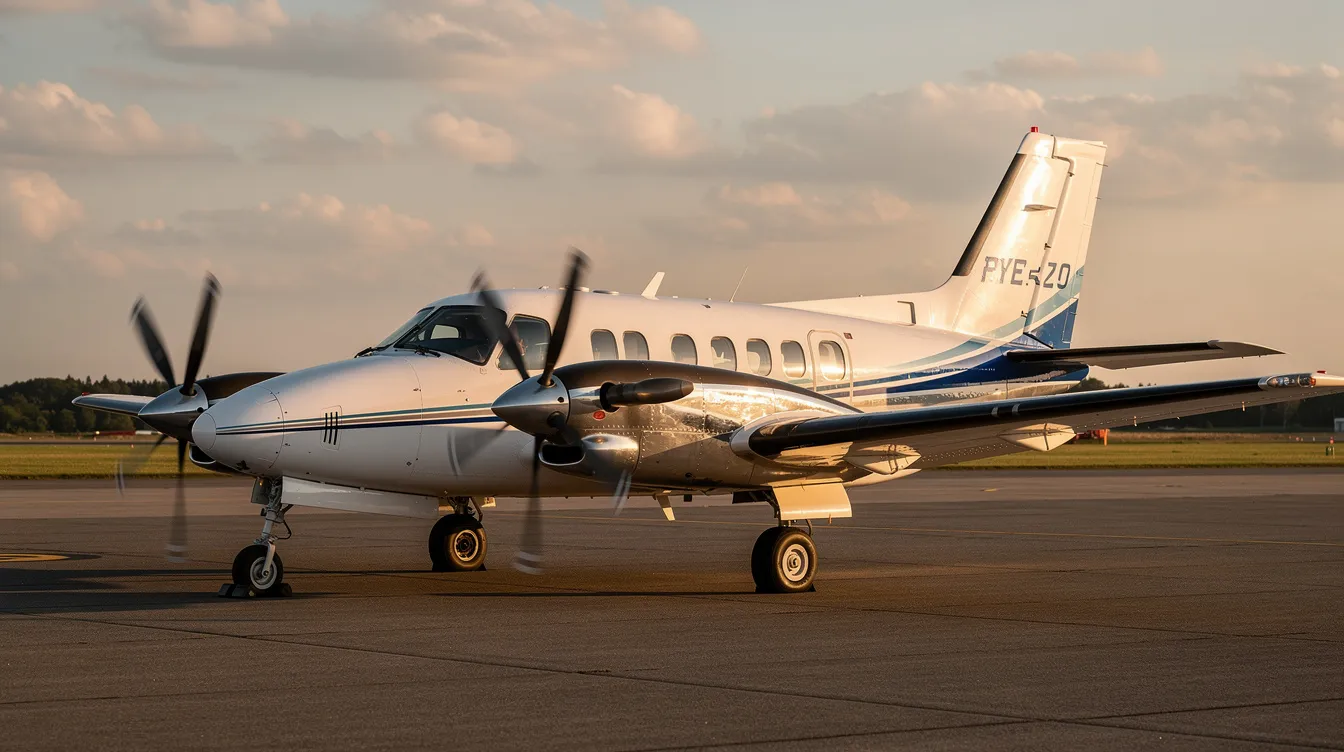
The Piper PA-31 Navajo is a versatile family of twin-engine piston aircraft widely used for regional private and charter flights since the late 1960s, offering various models like the PA-31-310, PA-31-325, and PA-31-350 Chieftain. These aircraft accommodate 6 to 10 passengers and are known for their cost-effectiveness, lower operating costs compared to jets, and ability to access shorter runways. Jettly provides a platform for travelers to compare and book these aircraft, highlighting their strong performance for short-haul missions and flexibility for diverse travel needs. Overall, the PA-31 remains a reliable choice for business trips and family travel, balancing affordability with comfort and accessibility.
Jay Franco Serevilla
Jul 3, 2026
|
5
min read

View all
The Piper Seneca I (PA-34-200) is a six-seat light twin-engine aircraft introduced in the early 1970s, known for its 200 hp Lycoming engines and cruise speed of 160-170 knots. While it remains popular for personal use and training, its limitations in single-engine performance and outdated systems make it less desirable compared to newer variants like the Seneca II and V, which offer improved handling and avionics. For occasional travelers, on-demand charter services like Jettly provide access to newer models without the financial burden of ownership. Overall, the Seneca I is best suited for low-terrain, fair-weather flying, while modern charter options cater to a broader range of needs.
Jay Franco Serevilla
Jul 3, 2026
|
5
min read

View all
The Beechcraft King Air 100, introduced in 1969, is the first stretched version of the King Air 90 series, designed for enhanced performance and passenger capacity, making it a popular choice for corporate travel, medevac missions, and charter services. With a cruise speed of 235–250 knots and a range of over 1,325 nautical miles, it offers cost-effective operations compared to light jets, particularly on regional routes. The aircraft's ability to access smaller airports and its lower operating costs make it attractive for frequent travelers, with charter options available through Jettly's platform. Overall, the King Air 100 remains a versatile and economical choice for private aviation needs.
Jay Franco Serevilla
Jul 3, 2026
|
5
min read

View all
Jettly is revolutionizing corporate flight management by offering on-demand access to over 20,000 aircraft worldwide, allowing companies to avoid long-term commitments and fixed schedules associated with traditional corporate flight management airlines. The platform provides transparent, per-trip pricing and instant quoting, enabling travel managers to optimize costs and improve employee travel experiences without the overhead of aircraft ownership. By acting as a virtual flight department, Jettly streamlines logistics, safety oversight, and ground support, while integrating additional services like catering and transportation. This flexible approach not only enhances travel efficiency but also aligns with modern corporate needs for transparency and adaptability in air travel.
Jay Franco Serevilla
Jul 3, 2026
|
5
min read
Explore our latest articles and updates.
5
min read
Private Jets Comparison: How to Choose the Right Aircraft for Your Trip
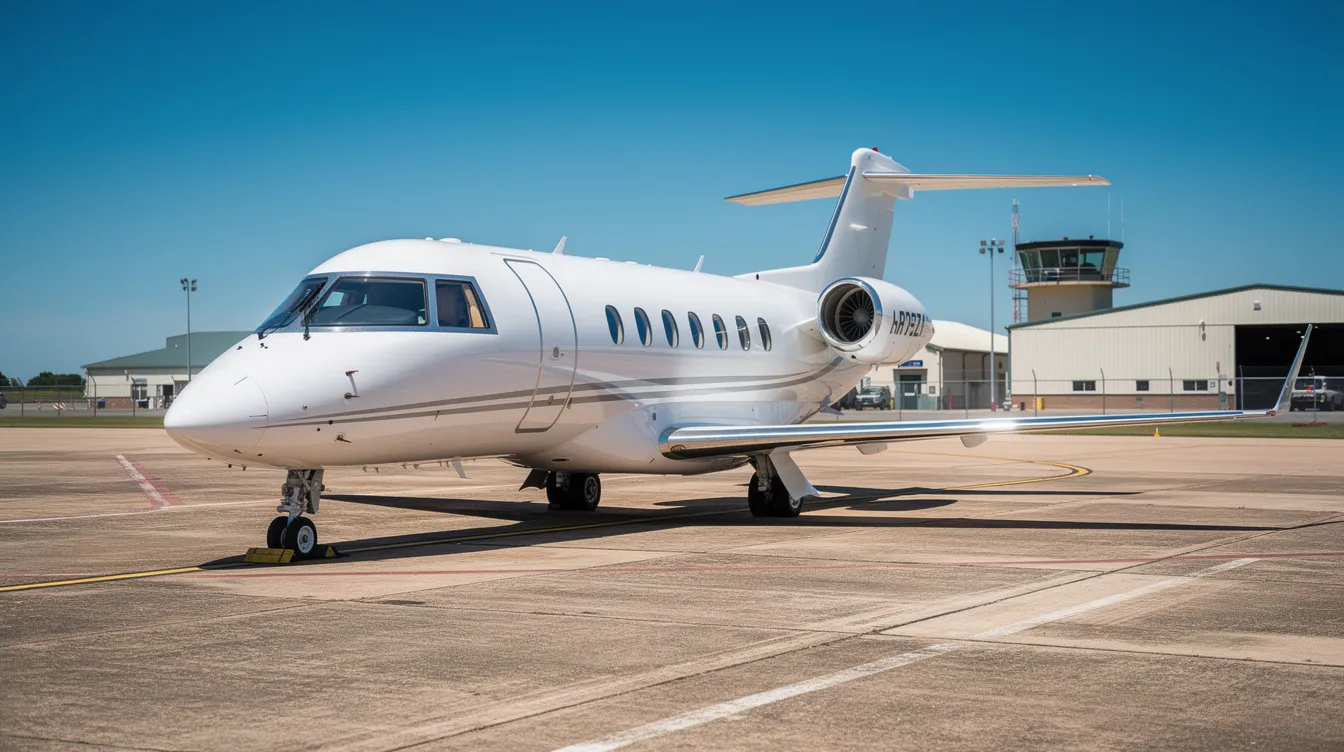
Choosing the right private jet for your trip is crucial for optimizing costs and comfort. Jettly's platform allows users to compare over 20,000 aircraft based on key metrics like range, capacity, and pricing, ensuring you select the best option for your needs. This guide covers various jet categories and practical tips for making informed decisions.
Read More
5
min read
Flight Key West: Private Jet Charter, Routes, and Travel Planning Guide
Planning a flight to Key West involves choosing between private jet charters and commercial flights, each offering unique benefits. This guide provides essential information on routes, airport details, and travel tips for a seamless journey to this vibrant island destination.
Read MoreJoin our community and receive the latest blog updates directly in your inbox.
MEMBERSHIPS AND ASSOCIATIONS



Disclaimer: Jettly operates as a charter broker, offering access to a global digital jet charter marketplace. Jettly is not a direct air carrier and does not own or operate aircraft. All advertised flights are conducted by third-party air carriers that are fully licensed and hold the appropriate Part 135 or Part 121 certifications issued by the Federal Aviation Administration (FAA) or equivalent regulatory authorities under U.S. or foreign law. Jettly complies fully with the U.S. Department of Transportation's Part 295 and Part 298 Charter Broker regulations. Jettly does not carry additional liability insurance. Passengers are covered by aircraft operator insurance. TICO: 50023770


