


Login
Get Instant Pricing On 23,000+ Aircraft


Miami private jet charters through Jettly provide travelers with on-demand access to fly privately, offering instant pricing and booking from key airports. With over 20,000 aircraft options and flexible scheduling, Jettly simplifies the private flying experience, making it ideal for both business and leisure travelers. Popular routes include Miami to New York and the Bahamas, ensuring quick and convenient travel.
Jay Franco Serevilla
Aug 30, 2026
|
5
min read



View all
The Beechcraft Bonanza is a high-performance, single-engine aircraft with a production history of nearly 80 years, offering a range of 700 to 1,000 nautical miles depending on the model and payload. It is particularly suited for regional trips of 2–4 hours, making it a practical alternative to driving or short commercial flights. The Bonanza can accommodate up to six passengers, but real-world range is often reduced with full loads, necessitating careful planning for fuel and payload. Platforms like Jettly facilitate comparisons of the Bonanza with other aircraft options, enhancing the charter experience for travelers.
Jay Franco Serevilla
Jul 1, 2026
|
5
min read
View all
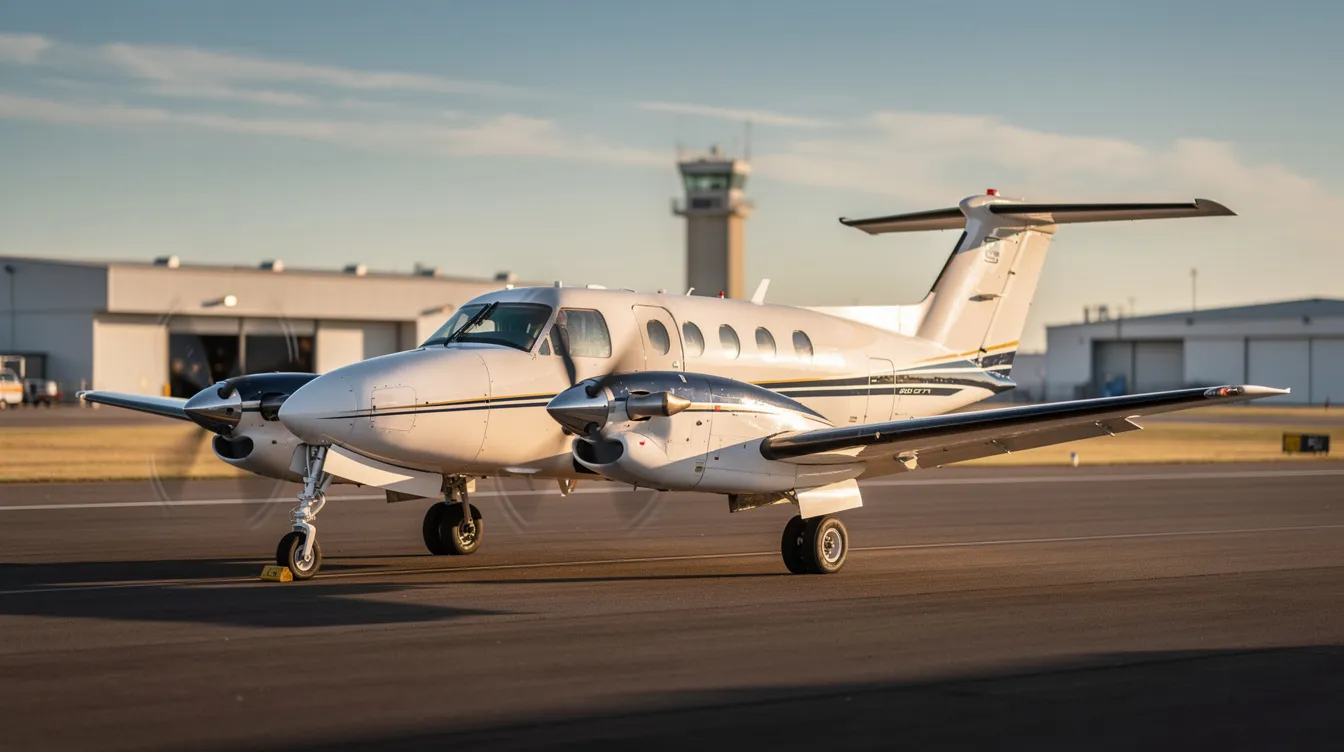
The King Air C90GT, a twin-engine turboprop introduced by Beechcraft in 2005, is designed for cost-effective regional travel, boasting a cruise speed of 270 knots, a service ceiling of 30,000 feet, and a range of 750 nautical miles. It is well-regarded for its versatility, allowing access to smaller airports and offering lower operating costs compared to light jets, making it ideal for corporate executives and families seeking flexible charter options. Jettly provides on-demand access to the C90GT and its variants, enabling travelers to compare features and book flights easily through its digital marketplace. Overall, the C90GT is a reliable choice for short- to medium-haul private travel, balancing performance, comfort, and affordability.
Jay Franco Serevilla
Jul 1, 2026
|
5
min read
View all
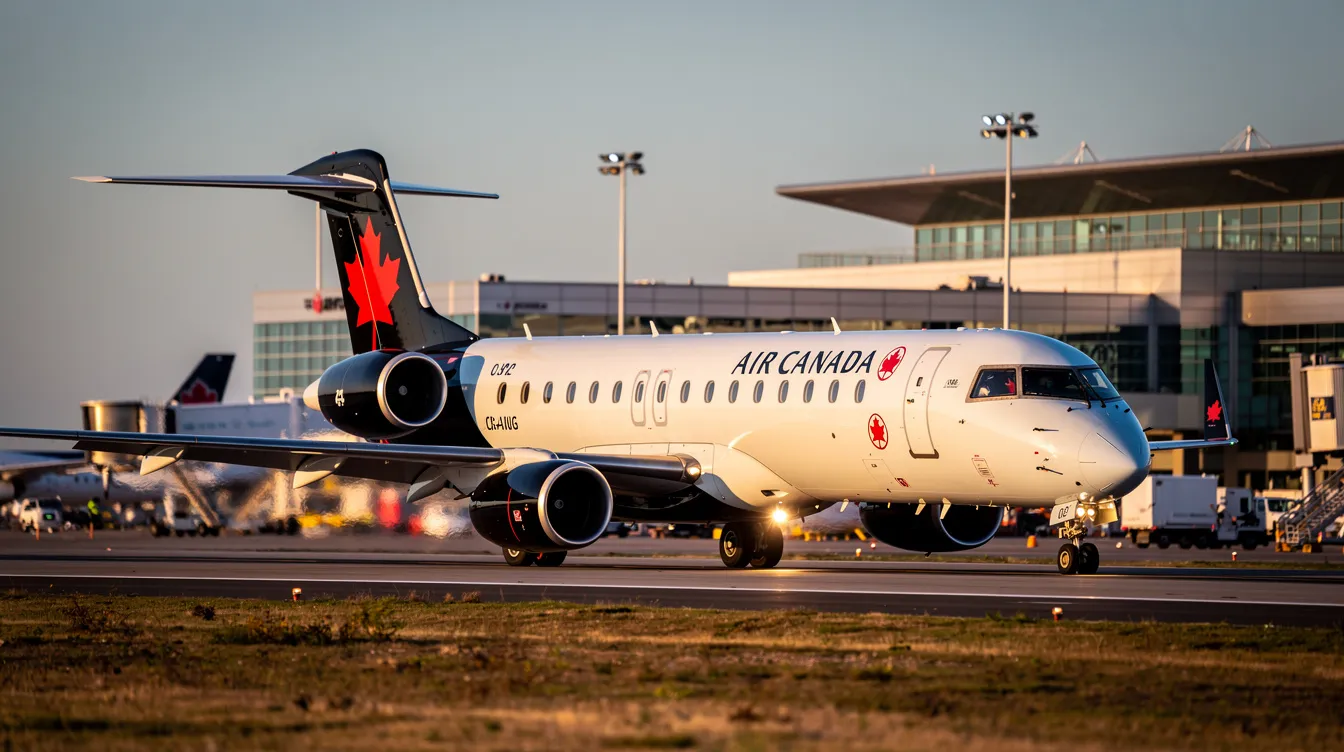
Air Canada Express operates the Bombardier CRJ 900 regional jet on short-haul routes, offering a dual-class configuration with 12 business class and 64 economy seats. Business class passengers enjoy priority check-in, lounge access, and complimentary meals on longer flights, while economy class features a 2-2 seating layout with limited in-flight service. The CRJ 900 is designed for efficiency and comfort, making it suitable for regional travel across Canada and the U.S. However, travelers seeking more flexibility and privacy may consider private jet charters through platforms like Jettly as an alternative.
Jay Franco Serevilla
Jul 1, 2026
|
5
min read
View all
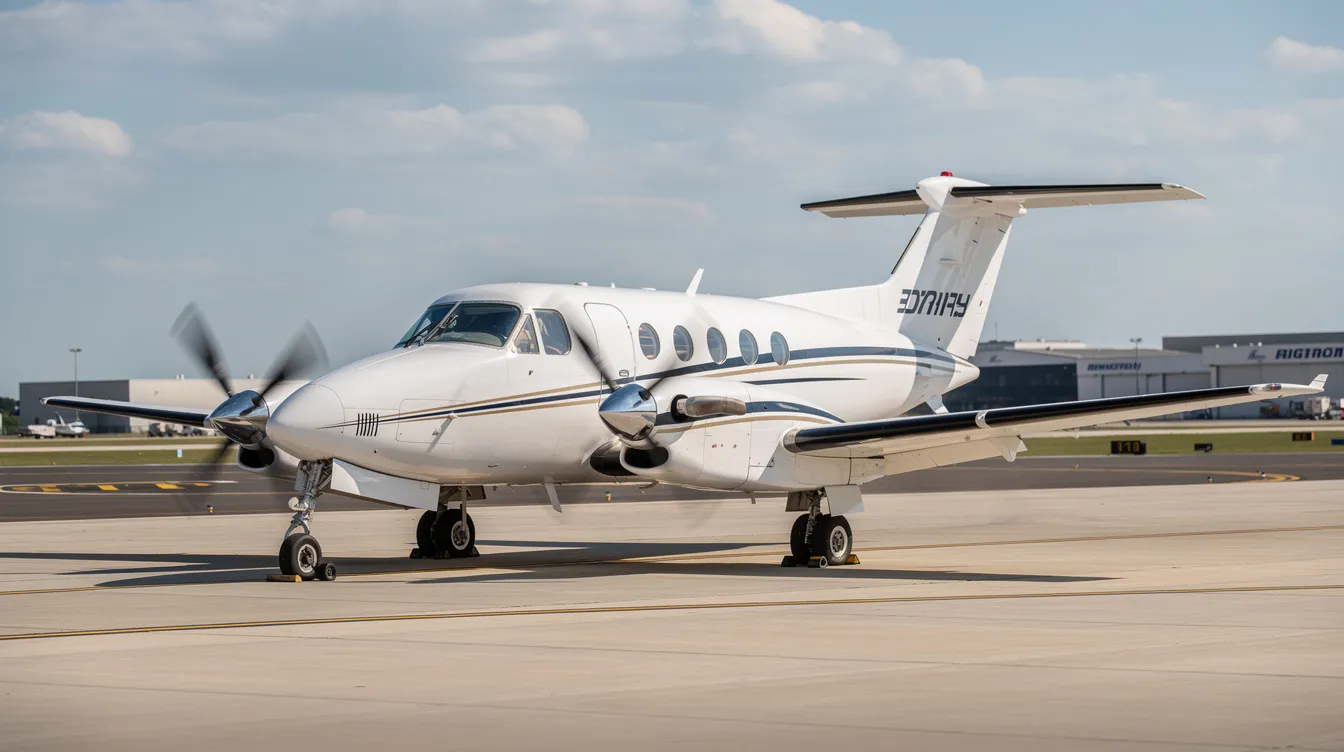
The Beechcraft King Air F90, produced from 1979 to 1985, is a high-performance twin-engine turboprop that seats 6 to 8 passengers and offers a cruise speed of up to 265 knots with a range of 1,200 to 1,600 nautical miles. It is well-regarded for its efficiency, short-field capability, and comfort, making it suitable for corporate shuttles, regional charters, and medical evacuations. Although no longer in production, the F90 remains popular in the charter market due to its lower operating costs compared to light jets and its ability to access smaller airports. Jettly provides a digital platform for booking the King Air F90 and similar turboprops, offering transparent pricing and flexible charter options.
Jay Franco Serevilla
Jul 1, 2026
|
5
min read

View all
Dan Jones International Airport (T51) is a privately owned, public-use general aviation airport located near Cypress, Texas, catering primarily to private pilots and charter operators. With a single 3,440-foot runway, it supports light aircraft, turboprops, and select very light jets, making it a convenient alternative for business travelers looking to avoid congestion at larger Houston airports. The airport facilitates around 7,800 annual aircraft operations and offers minimal terminal facilities, but its proximity to key communities allows for quick access and efficient travel. Jettly provides a digital marketplace for booking private charters to and from T51, emphasizing flexibility and transparent pricing for travelers.
Jay Franco Serevilla
Jul 1, 2026
|
5
min read

View all
Travelers heading to St. George Island, Florida, must choose their airport wisely, as the island lacks a commercial airport. The nearest major airport is Tallahassee International Airport (TLH), about 75 miles away, with a drive time of 1.5 to 2 hours, while private charters can land at Apalachicola Regional Airport (AAF), just 15 miles away. Jettly's platform allows users to compare aircraft and airport options, making it easier to find the best route, whether flying commercially or via private jet. For those prioritizing convenience and time, private charters significantly reduce travel time compared to commercial flights.
Jay Franco Serevilla
Jul 1, 2026
|
5
min read
Explore our latest articles and updates.

5
min read
Private Plane Flight Times: How Long Your Charter Really Takes
Private plane flight times are significantly shorter than commercial travel, influenced by factors like distance, aircraft type, and weather conditions. Understanding these variables is crucial for efficient scheduling and cost management, especially for corporate travelers and families. Jettly offers tools to provide accurate flight time estimates, enhancing the private flying experience.
Read More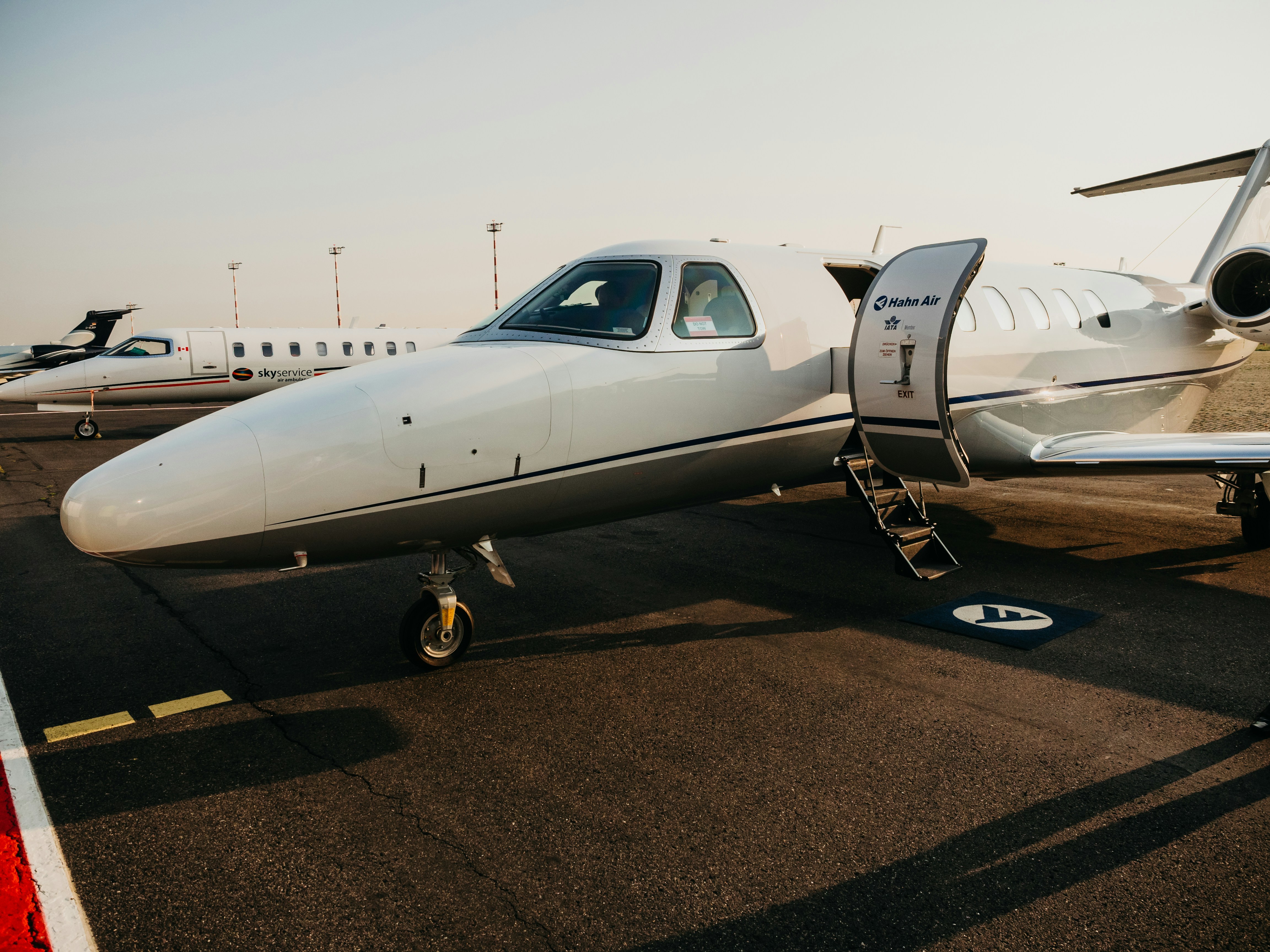
5
min read
Private Jet Cost Comparison: Light Jets vs. Heavy Jets
This article compares the costs of light jets and heavy jets for private travel, highlighting key factors such as hourly rates, passenger capacity, and trip efficiency. Light jets are more cost-effective for shorter domestic flights with smaller groups, while heavy jets excel in long-range travel and larger passenger capacities. Understanding these differences can help travelers make informed decisions based on their specific needs and budgets.
Read MoreJoin our community and receive the latest blog updates directly in your inbox.
MEMBERSHIPS AND ASSOCIATIONS



Disclaimer: Jettly operates as a charter broker, offering access to a global digital jet charter marketplace. Jettly is not a direct air carrier and does not own or operate aircraft. All advertised flights are conducted by third-party air carriers that are fully licensed and hold the appropriate Part 135 or Part 121 certifications issued by the Federal Aviation Administration (FAA) or equivalent regulatory authorities under U.S. or foreign law. Jettly complies fully with the U.S. Department of Transportation's Part 295 and Part 298 Charter Broker regulations. Jettly does not carry additional liability insurance. Passengers are covered by aircraft operator insurance. TICO: 50023770


