


Login
Get Instant Pricing On 23,000+ Aircraft

>

Private aviation has long been associated with exclusivity, luxury, and time-saving efficiency. From executives flying coast-to-coast for business meetings to celebrities seeking discreet travel, private jets offer a tailored experience that commercial flights simply cannot match. As a type of airplane specifically designed for personal and business travel, private jets stand out for their versatility and comfort.
One of the most overlooked yet crucial technical aspects of private aviation is the weight of a private jet, a factor that significantly influences performance, safety, operational costs, and more. The weight of private jets varies significantly, from under 10,000 pounds for Very Light Jets (VLJs) to well over 100,000 pounds for Heavy Jets. Very light jets have a maximum take-off weight of less than 12,500 pounds and typically accommodate 4 to 7 passengers.
Whether considering purchasing a jet or chartering one for a special trip, understanding how private jets are classified by weight and size is essential. Aircraft types range from agile light jets to expansive heavy jets, with different models of private jets designed to meet specific needs, such as range, passenger capacity, and amenities. Each model offers varying levels of speed, range, and in-flight amenities. Key performance metrics such as maximum takeoff weight (MTOW) determine how far a jet can travel, how much it can carry, and the type of runways it can operate from. The Maximum Take-Off Weight (MTOW) is determined by the structural strength of the aircraft and is calculated by the manufacturer and certified to prevent overloading.
This article explores the different types of private jets and breaks down the weight-related considerations that every prospective flyer, buyer, or aviation enthusiast should understand. The total airplane billing in 2015 amounted to US$21.9 billion with 718 business jets delivered globally, highlighting the significant economic impact of the private aviation industry. The first flight of a new private jet model marks a major milestone, showcasing innovation and progress within the sector.
Private aviation opens up a world of luxury, flexibility, and convenience, offering a range of private jets tailored to suit every travel need. Whether you’re considering a nimble light jet for quick business trips or a spacious large cabin aircraft for transcontinental journeys, the private aviation market has something for everyone. Private jets are renowned for their ability to provide privacy, comfort, and efficiency, making them the preferred choice for business leaders, celebrities, and anyone seeking a premium travel experience.
From very light jets designed for short hops to heavy jets built for long-range flights, each class of private aircraft brings unique advantages. Large cabin aircraft, for example, offer expansive interiors and extended range, perfect for those who value space and luxury. On the other hand, light jets are ideal for smaller groups and shorter routes, delivering cost-effective and time-saving solutions.
Understanding the different types of private jets and their respective strengths is essential for making an informed decision, whether you’re chartering a flight or considering ownership. In the world of private aviation, the right jet can transform your travel experience, offering unmatched comfort, speed, and exclusivity.
Private jets come in several categories (also referred to as classes), typically segmented by size, cabin space, range, passenger capacity, and, of course, weight. These classifications include different types of jet aircraft:
Light jets are among the most popular choices for short- to mid-range travel. Many light jets are certified for single-pilot operation, offering flexibility and cost savings for owner-operators. With an MTOW typically ranging between 10,000 and 20,000 pounds, these jets offer speed and agility while being cost-effective. Light jets are larger than very light jets and typically have a maximum take-off weight between 10,000 and 20,000 pounds, accommodating 6 to 8 passengers.
Very Light Jets (VLJs) generally have Maximum Takeoff Weights (MTOW) less than 10,000 pounds, while Light Jets have MTOWs between 10,000 and 20,000 pounds. Light jets are considered smaller aircraft compared to midsize and heavy jets and typically accommodate 6 to 8 passengers, making them ideal for small groups or families. Most business jets can accommodate between 4 and 14 passengers, varying by jet type and size.
Examples: Embraer Phenom 100, Cessna Citation CJ3
Passenger Capacity: 4–7
Range: Up to 1,500 nautical miles. Light jets are ideal for short-haul flights due to their efficiency and operational flexibility.
Weight Consideration: Designed for shorter runways and lighter payloads. Straight wings prioritize docile low-speed handling in many Citation models, facilitating short runway access.
A midsize jet balances comfort and range, suitable for longer domestic trips, short international flights, and especially medium-haul flights. Midsize jets are well-suited for medium-haul flights, offering a balance of comfort and efficiency for routes that are longer than short hops but do not require the range of heavy jets. Their MTOW ranges from 20,000 to 35,000 pounds.
A midsize jet can accommodate up to 12 passengers and is designed for greater comfort, with larger seats and additional headroom than light jets. Super mid-size jets offer greater speed, range, and cabin size compared to midsize jets and can typically accommodate up to 12 passengers. Super mid-size jets combine transatlantic capability with high-altitude comfort, accommodating 10-12 passengers.
Examples: Learjet 60, Hawker 800XP
Passenger Capacity: 6–8
Range: 2,000–3,000 nautical miles
Super midsize jets offer transatlantic range and larger cabins, making them a category of private aircraft that are heavier and more powerful than traditional midsize jets. The G800 features a cabin with up to 17 passengers and a crew of 4, making it one of the most accommodating options in its class. Some super midsize jets also feature a wide-body design, which enhances cabin comfort and provides more space for passengers.
Examples: Citation Hemisphere, Challenger 350
MTOW: Up to 45,000 pounds
Passenger Capacity: 8–10
Range: 3,500–4,000 nautical miles
Heavy jets represent the pinnacle of private aviation, offering long-range capabilities and luxurious interiors. As a type of large cabin jet, heavy jets are known for their spacious interiors, providing ample room for passengers and amenities. These jets are the largest private jets, accommodating up to 16 passengers and designed for long-haul trips. Ultra-long-range aircraft often feature larger cabin sizes and can accommodate as many as four separate seating zones, designed for extended non-stop flights.
Examples: Bombardier Global 7500, Gulfstream G650ER
MTOW: Often exceeds 50,000 pounds
Passenger Capacity: Up to 16 or more
Range: 6,000–7,500+ nautical miles
Amenities: Comfortable seating arrangements and advanced entertainment systems are hallmarks of heavy jets, ensuring a luxurious and enjoyable travel experience.
G800 Features: The G800 features a cabin with up to 17 passengers and a crew of 4. The G800 cabin also includes high-speed Wi-Fi coverage and an environment of 100% fresh air, renewed every two to three minutes.
When evaluating turboprop aircraft and executive airliners for private travel, weight plays a pivotal role in determining their performance and operational capabilities. Turboprop aircraft, such as the King Air 350i, typically have a maximum takeoff weight (MTOW) around 15,000 pounds. This relatively modest weight allows them to operate efficiently on shorter runways, making them a popular choice for accessing remote destinations or smaller airports. Their lighter weight also contributes to better fuel efficiency and lower operating costs, while still providing reliable range and comfort for regional flights.

In contrast, executive airliners like the Boeing Business Jet (BBJ) are in a different league, with MTOWs reaching up to 172,000 pounds. These aircraft are essentially commercial airliners converted for private use, offering expansive cabins and the ability to carry large groups or extensive amenities. However, their significant weight means they require longer runways and consume more fuel, impacting both performance and efficiency. For example, a fully loaded executive airliner may not be able to operate from certain airports due to runway length limitations. Understanding the weight considerations of both turboprop aircraft and executive airliners is crucial for ensuring safe, efficient, and flexible private travel, as the MTOW directly affects range, fuel consumption, and the ability to access a wider variety of airports.
Large cabin aircraft, often derived from commercial airliners and reconfigured for private use, fall into a separate category of their own. These aircraft are suitable for high-end corporate travel, large families, and sports teams. Executive airliners are commercial aircraft converted into luxury private jets, offering spacious cabin space and longer-range capabilities. Executive airliners offer spacious cabin space and longer-range capabilities, making them a preferred choice for those seeking unparalleled luxury and performance.
Examples: Boeing Business Jet (BBJ), Airbus Corporate Jet (ACJ), Airbus A380 (private configuration)
Typical MTOW: Over 100,000 pounds (in some cases well beyond)
Passenger Capacity: 20–100, depending on configuration
Flight Range: 5,000–10,000 nautical miles
Large cabins aren’t just about luxury; they also accommodate additional weight from lounge areas, conference rooms, dining areas, and even bedrooms. The aircraft’s maximum weight capacity directly supports these custom features, emphasizing the importance of weight planning in every aspect of design and operation.
The maximum takeoff weight is determined by the structural strength and certification standards of the respective aircraft, ensuring safe operation within design limits. The payload of a private jet includes the combined weight of passengers, crew, and baggage. Fractional ownership allows users to share operating costs like flight crew, hangarage, and maintenance.
Heavy jets offer the most extensive capabilities in terms of range, passenger comfort, cargo capacity, and operational flexibility. These jets often carry:
Additional fuel tanks for longer range
Full galleys for in-flight meal preparation
Spacious lavatories and showers
Dedicated sleeping areas
The increased MTOW (often above 75,000 pounds for long-range models) ensures that these aircraft can support such amenities without compromising safety or range. For example, the Gulfstream G650ER has an MTOW of approximately 103,600 pounds, allowing it to fly non-stop from New York to Hong Kong. The Gulfstream G800, another ultra-long-range aircraft, has a maximum range of 8,200 nautical miles, making it one of the most capable jets in its class. The G800 cruise speed is Mach 0.85, which can be increased to Mach 0.90 for high-speed travel.
In addition to MTOW and range, pilots must also consider the landing weight of heavy jets, as it directly affects safe landing procedures and fuel management during long flights.
For ultra-long-range flights, the weight of the aircraft is a critical factor that directly impacts how far it can fly without refueling. Ultra long-range jets, such as the Gulfstream G650ER, are engineered to balance maximum takeoff weight, fuel capacity, and aerodynamic efficiency to achieve impressive non-stop ranges, sometimes exceeding 7,500 nautical miles. The total weight of the aircraft, including passengers, cargo, and especially fuel, determines how efficiently it can travel these vast distances.
Generally, the heavier the aircraft, the more fuel it will burn, which can reduce its effective range. This means that aircraft owners and operators must carefully manage payload and fuel loads to optimize performance for long-haul flights. Advanced ultra-long-range jets are designed with lightweight materials and powerful, efficient engines to minimize weight while maximizing speed and range.
For example, the Gulfstream G650ER’s innovative design allows it to carry more fuel without significantly increasing overall weight, enabling ultra-long, non-stop flights for business or personal travel. By understanding how weight influences range, aircraft owners can make informed decisions about passenger and cargo loads, ensuring every flight achieves the desired balance of efficiency, speed, and distance.
The weight of a private jet isn’t just a figure on a spec sheet; it impacts a wide array of operational considerations. Business jets are designed for faster air travel and more personal comfort than commercial aircraft.
Performance: Heavier aircraft need longer runways for takeoff and landing.
Fuel Efficiency: Weight increases fuel consumption, especially over long distances. Flight planning for private jets often includes calculating NBAA IFR reserves to ensure regulatory compliance and operational safety.
Operating Costs: Heavier jets have higher maintenance and fuel costs.
Airport Access: Smaller airports may not support heavier aircraft.
Safety: Every private flight is carefully planned with weight and balance calculations to ensure safe operation. Increased fuel consumption occurs to overcome increased gravitational forces and to generate extra power needed for a heavier aircraft. A heavier jet also requires a longer runway and higher speed to achieve sufficient lift for takeoff.
In essence, the heavier the aircraft, the more attention must be paid to route planning, fuel stops, and payload limitations.
When chartering a private jet through services like Jettly, understanding aircraft weight classifications can help match you with the most suitable aircraft for your needs.
Ideal for short business trips or family getaways
Lower charter cost and quicker airport turnaround
Limited luggage and fewer amenities
Designed for long-haul international flights or large groups
Customized amenities such as private bedrooms and gourmet kitchens
Higher charter cost but unmatched comfort
Charter companies like Fly Alliance Aviation and others often include aircraft specs like MTOW and fuel capacity to help clients make an informed choice.
Behind every seamless private jet journey is a complex network of logistics professionals, flight planners, and maintenance crews. Weight plays a central role in:
Flight Planning: Calculating takeoff distance, fuel load, and alternate airports
Maintenance Cycles: Heavier aircraft require more frequent and expensive checks
Regulatory Compliance: Aircraft over certain weight thresholds face stricter regulations and fees
Insurance Premiums: Higher MTOW may lead to increased operational costs due to risk
Many private owners work with aircraft management companies to handle these intricate details and ensure weight-based compliance and safety. There are three basic types of operators that own, manage, and operate private jets: flight departments, charter operators, and aircraft charter brokers. Approximately 11.2% of the business jet fleet was for sale as of April 1, 2017, reflecting the dynamic nature of the private aviation market. Flight departments are corporate-owned operators that manage the aircraft of a specific company.
Charter operators own or manage private jets for multiple clients and handle all aspects of aircraft operation and maintenance. Aircraft charter brokers facilitate the booking of private jets without owning the aircraft. Fractional ownership of aircraft involves an individual or corporation purchasing an upfront equity share in the cost of an aircraft.
Monthly management fees and incidental charges, such as catering, apply to fractional ownership arrangements. Flight departments operate under FAR 91 for private usage and may allow third-party operation under FAR 135.
There’s often a direct correlation between aircraft weight and onboard luxury. The larger and heavier the aircraft, the more opportunities there are for customization.
Light Jets: Basic seating, minimal amenities, ideal for efficiency
Super Midsize Jets: Wi-Fi, reclining seats, basic galley, and enclosed lavatory
Heavy Jets: Multiple living zones, full-service kitchens, lie-flat beds
Large Cabin Jets: Spa-like bathrooms, private suites, conference tables, and even exercise equipment
G800 Comfort: The G800 has the lowest cabin altitude in the industry, enhancing passenger comfort during flights, ensuring a more pleasant experience for long journeys.
However, adding more features increases the operating empty weight (OEW), which impacts how much cargo and fuel the aircraft can carry, yet another reason why weight management remains essential even at the luxury end of the spectrum.
Owning a private jet brings the freedom of personal travel, but it also requires a deep understanding of how weight affects every aspect of flight operations. The maximum takeoff weight (MTOW) of a private jet is a key specification that determines its performance, range, and carrying capacity. Exceeding the MTOW can compromise safety, reduce efficiency, and even violate regulatory requirements, while operating well below the MTOW may limit the jet’s range and performance potential.
Private jet owners must carefully manage the total weight of their aircraft, including passengers, cargo, and fuel, for every flight. This involves meticulous planning to ensure the jet operates within safe limits, optimizing fuel efficiency, and maintaining the desired range. The weight of the aircraft also influences maintenance schedules, insurance premiums, and overall operational costs.
For example, heavier jets may require more frequent inspections and higher insurance coverage, impacting the total cost of ownership. By understanding the operational implications of weight, private jet owners can make smarter decisions, enhance safety, and enjoy a more efficient and cost-effective flying experience.
The weight of a private jet is a major factor influencing both its purchase price and ongoing operating costs. Generally, heavier aircraft are more expensive to acquire due to their larger size, advanced systems, and greater capacity. Operating a heavier jet also means higher fuel consumption, increased maintenance requirements, and elevated insurance costs, all of which contribute to the total cost of ownership.
For example, a lighter aircraft like the Embraer Phenom 100 is typically more fuel-efficient and less costly to maintain than a larger, heavier jet such as the Gulfstream G650. This efficiency often translates into lower hourly operating costs and better long-term value retention. In contrast, while heavy jets offer greater range and luxury, their higher weight can lead to steeper depreciation and increased expenses over time.
When evaluating the cost of a private jet, it’s essential to consider how weight impacts not only the initial investment but also the ongoing value and affordability of the aircraft. By factoring in weight-related costs, buyers can make informed decisions and select the jet that best fits their needs, budget, and travel profile.
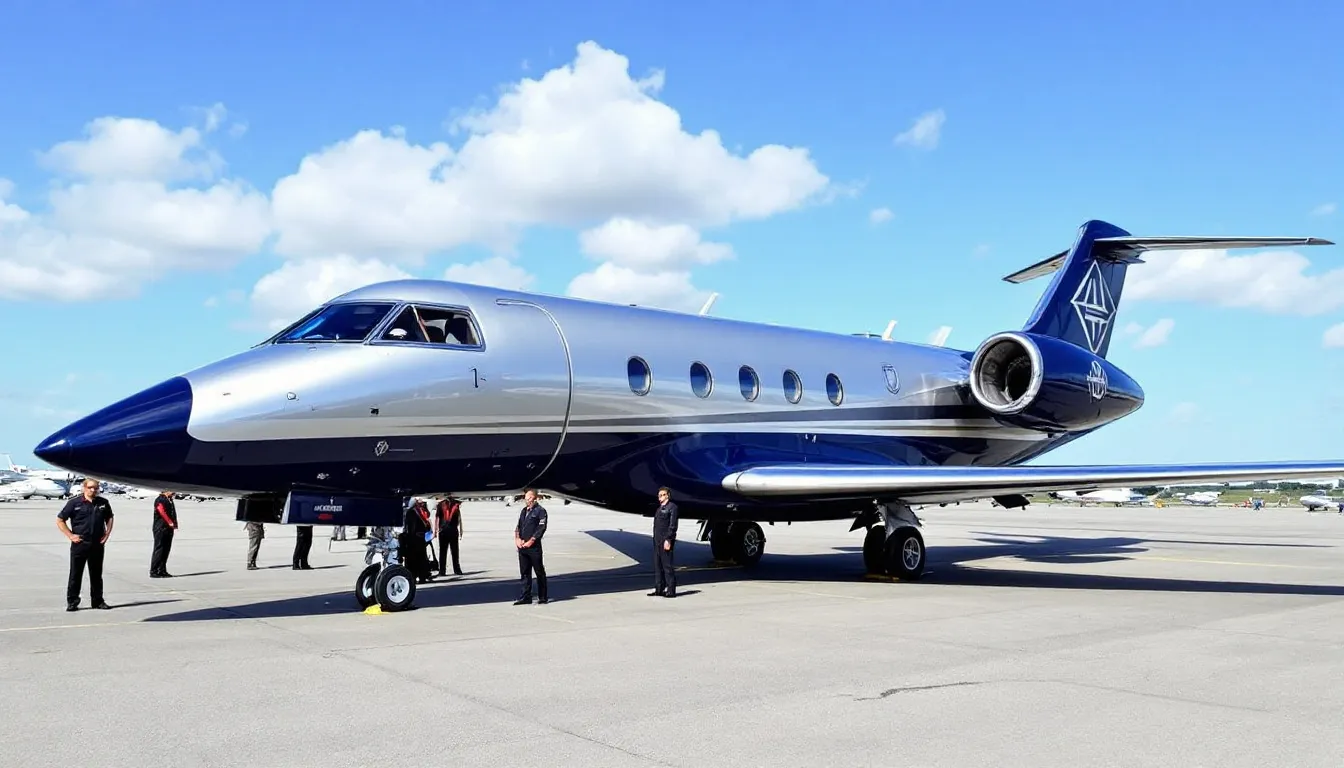
The environmental impact of private jets is under increasing scrutiny. Heavier jets consume more fuel, emit more CO₂, and often operate under less efficient routing due to limited airport access.
Average Emissions: A heavy private jet can emit several tons of CO₂ per flight.
Annual Mileage: Some users log over 350,000 km annually via private aviation.
Sustainability Initiatives: Organizations like the NBAA and the European Commission are pushing for carbon offsetting, Sustainable Aviation Fuel (SAF), and greener aircraft.
Manufacturers are also exploring electric and hybrid private jets, which aim to reduce both weight and emissions without sacrificing range or comfort.
Advanced avionics are not only about pilot experience; they also help optimize flight performance and weight efficiency. Private jets are usually equipped with advanced avionics to improve safety and operational efficiency. In the United States, business aircraft may be operated under either FAR 91 or FAR 135 regulations.
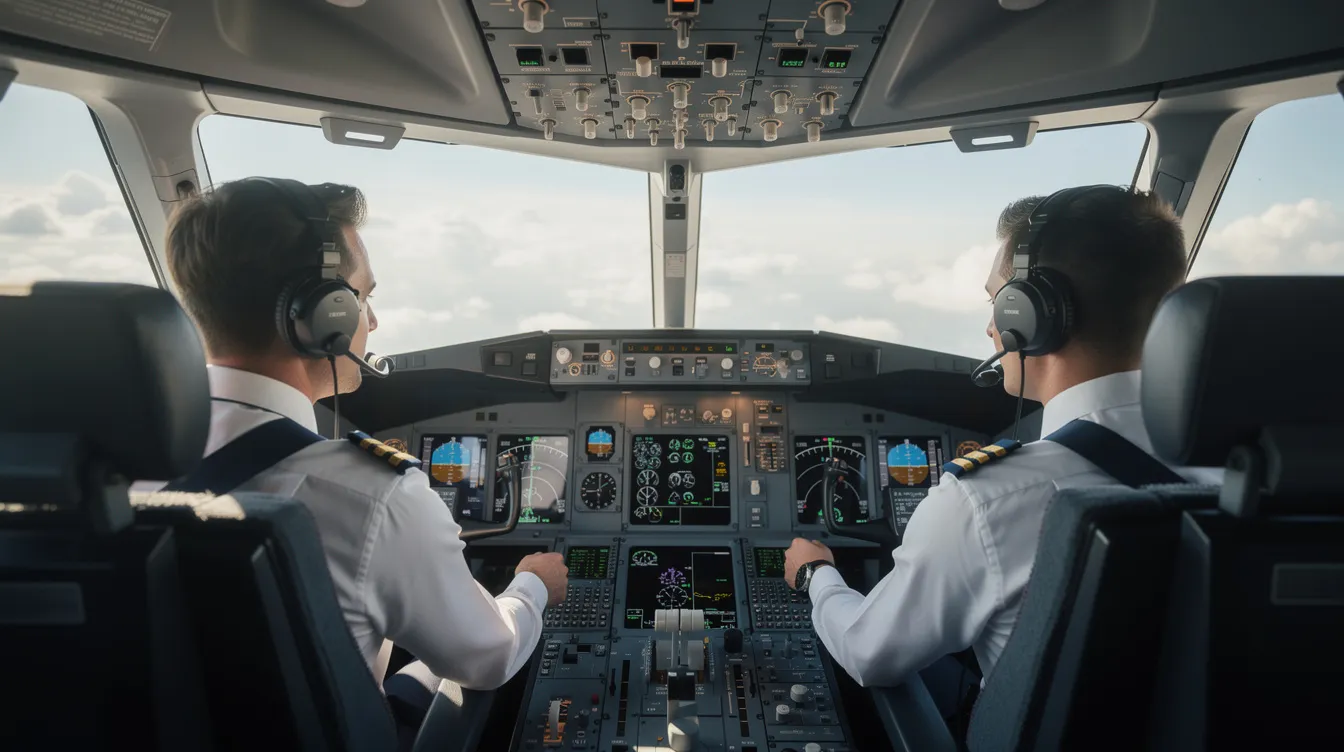
Gulfstream Symmetry Flight Deck: Active control sidesticks and touchscreen controls reduce cockpit weight and improve communication. The system includes ten touch-screen displays, revolutionizing safety and efficiency in business aviation.
Honeywell Primus Epic & Rockwell Collins Pro Line Fusion: Offer fuel management systems that monitor weight vs. efficiency in real-time.
Weight-conscious avionics systems contribute to reduced pilot workload, safer flight operations, and improved energy management.
Safety protocols in private aviation are rigorous, and weight plays a pivotal role:
Weight and Balance Checks: Performed before every flight to ensure stability
Redundancy Systems: Heavier aircraft must accommodate advanced fire suppression, oxygen systems, and reinforced structures
Training: Pilots must be trained in handling high-MTOW aircraft with longer takeoff and landing procedures
Maintenance Cycles: More frequent for aircraft carrying heavy payloads
Regulatory bodies like the FAA and NBAA mandate strict compliance with MTOW and weight distribution protocols to ensure passenger safety.
Understanding the weight of a private jet is about more than technical specifications; it’s about aligning your travel needs, budget, and expectations with the right aircraft. By 2018, the private jet fleet was dominated by Textron, Bombardier, Gulfstream, Dassault, and Embraer, showcasing the leading manufacturers in the industry. Most production business jets use two jet engines for a balance between operating economy and safety during engine failure. Additionally, business jets feature podded engines mounted on the rear fuselage, which helps minimize interference drag and provides better clearance for engine exhaust.
Whether you're chartering a flight for a business trip or exploring the possibility of ownership, weight affects performance, comfort, safety, cost, and sustainability. From light jets suited for quick domestic flights to heavy jets built for transcontinental luxury, every aircraft class brings its own balance of benefits and trade-offs.
Ready to experience the world of private aviation? Explore your options with Jettly, where booking a tailored private jet experience is as simple as choosing your destination.
Share this post:
Jay Franco Serevilla
Sep 3, 2025
|
5
min read
Discover tips and trends in the industry.
5
min read
Why So Many Plane Crashes? Causes, Trends, and How Modern Aviation Stays Safe
Plane crashes are often the result of a combination of factors, including human error, mechanical failures, and weather conditions. Despite media coverage suggesting otherwise, air travel remains statistically safe, with improvements in aviation safety over the decades. Understanding the causes and trends can help travelers make informed decisions about their flying options.
Read More
5
min read
Cheap Thanksgiving Flights: How to Find Holiday Flight Deals in 2026
Finding cheap Thanksgiving flights in 2026 is all about timing and flexibility. With Thanksgiving on November 26, booking 30 to 45 days in advance and flying on off-peak days can lead to significant savings. Consider private jet options for added convenience and reduced travel stress, especially during peak holiday travel times.
Read MoreStay updated with our latest insights and tips to elevate your journey with us.
MEMBERSHIPS AND ASSOCIATIONS



Disclaimer: Jettly operates as a charter broker, offering access to a global digital jet charter marketplace. Jettly is not a direct air carrier and does not own or operate aircraft. All advertised flights are conducted by third-party air carriers that are fully licensed and hold the appropriate Part 135 or Part 121 certifications issued by the Federal Aviation Administration (FAA) or equivalent regulatory authorities under U.S. or foreign law. Jettly complies fully with the U.S. Department of Transportation's Part 295 and Part 298 Charter Broker regulations. Jettly does not carry additional liability insurance. Passengers are covered by aircraft operator insurance. TICO: 50023770


