


Login
Get Instant Pricing On 23,000+ Aircraft

>
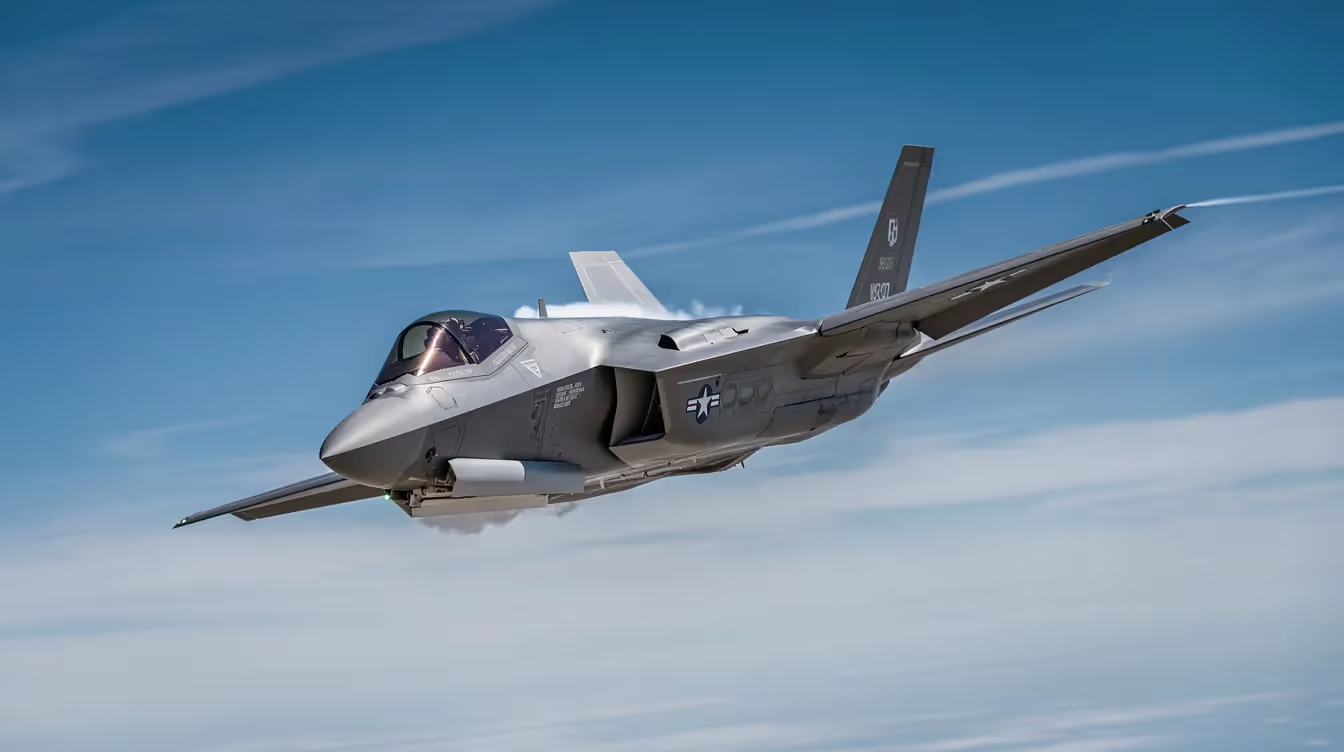
The question of which aircraft holds the title of US top fighter jet sparks endless debate among defense analysts, aviation enthusiasts, and military strategists, debating which airplanes truly deserve the distinction. The answer depends heavily on what criteria matter most—stealth, speed, versatility, or combat record. As of 2026, the U.S. military operates a tiered fleet of fighter jets that balance stealth capabilities with high-capacity payloads, ensuring dominance across multiple mission profiles.
The F-22 Raptor is widely regarded as the top U.S. air superiority fighter jet, optimized for air dominance with unmatched stealth, supercruise, and supermaneuverability.
The F-35 Lightning II leads in multirole versatility and production scale, while the F-15 Eagle remains the fastest operational U.S. fighter at Mach 2.5.
“US top fighter jet” depends on mission type: air dominance (F-22), multirole stealth (F-35), or pure speed and payload (F-15).
Entry-into-service dates show generational progression: F-15 (1976), F-22 (2005 IOC), F-35 (2016 IOC for USAF).
Ongoing programs like NGAD and the F-47, a 6th-generation fighter expected to enter service around 2029, will eventually replace the F-22 in the 2030s.
While these are combat aircraft, civilians experience modern aviation technology through private jets and charter platforms such as Jettly, not through fighters.
Most defense analysts rate the F-22 Raptor as the top U.S. air superiority fighter as of the mid-2020s. This assessment stems from its combination of stealth, supercruise, and dogfighting capability that no other operational aircraft can match. The aircraft's stealth is achieved through highly advanced radar-absorbing shaping, internal weapons bays, and specialized stealth coatings, making it exceptionally difficult to detect by high-frequency radars.
Defining “top fighter jet” requires concrete criteria:
Air superiority performance in contested airspace
Stealth characteristics and low observability across radar bands, especially when compared to other jets in terms of radar cross-section and infrared signature
Sensor fusion and advanced avionics integration
Top speed and supercruise capability
Agility and supermaneuverability
Combat-proven record in operational service
The F-22 Raptor achieved Initial Operational Capability (IOC) in December 2005 and Full Operational Capability (FOC) in 2007. It remains optimized for air dominance rather than multirole missions.
The F-35 Lightning II serves as the most versatile stealth multirole fighter in the U.S. inventory, excelling at strike, electronic warfare, and ISR missions alongside air combat. The F-15 Eagle remains the fastest operational fighter in the U.S. inventory at approximately Mach 2.5.
The U.S. Air Force expects to start replacing the F-22 with the NGAD family of systems in the 2030s, underscoring that “top” is a moving target as evolving threats demand new capabilities.
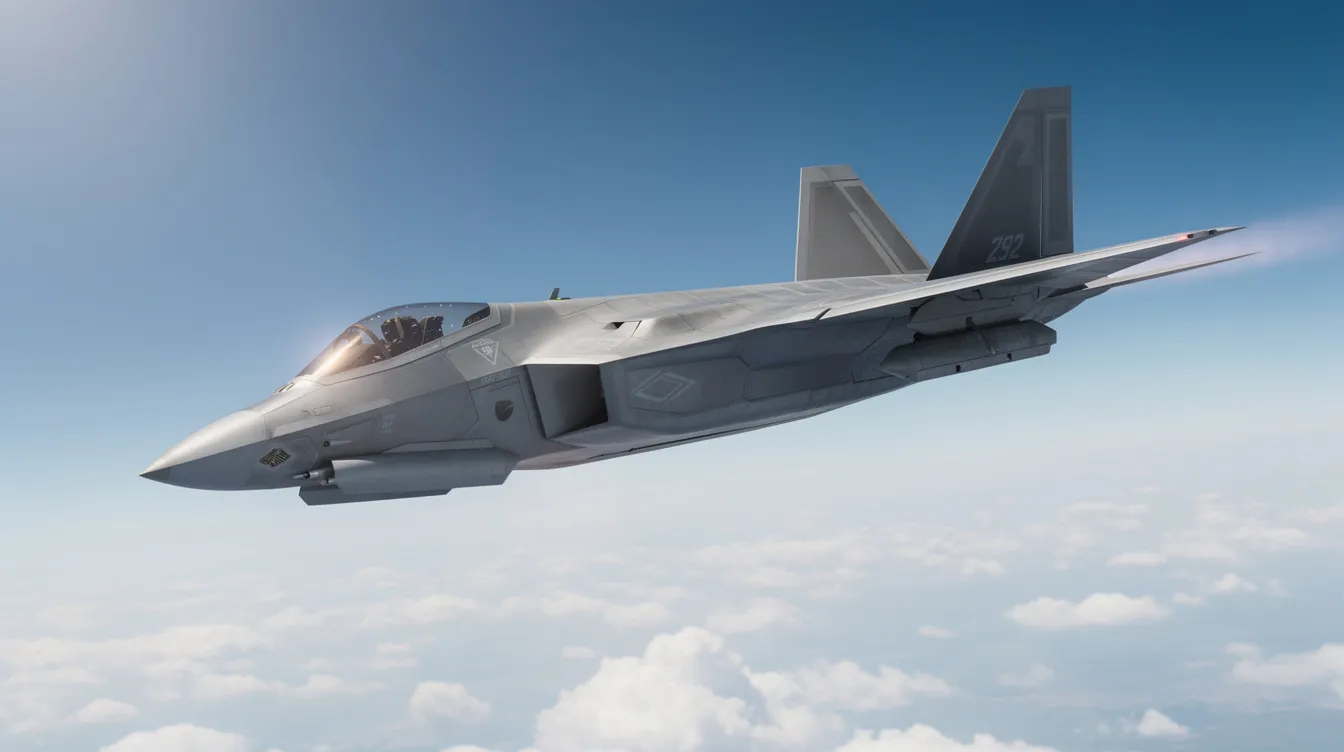
The F-22 Raptor stands as the primary U.S. air superiority fighter, designed from the ground up to dominate contested airspace against the most advanced adversaries. Lockheed Martin’s development of this aircraft represented a quantum leap in fighter technology.
Full-scale Engineering & Manufacturing Development (EMD) began in August 1991, with significant design changes from the YF-22 prototype, including alterations to the wing’s leading edge sweep angle and the fuselage shape for improved aerodynamics and stealth.
The F-22 Raptor was officially named on April 9, 1997, when the first production aircraft was unveiled at Air Force Plant 6 in Marietta, Georgia.
The first flight of the production-configuration F-22 occurred on September 7, 1997, in Marietta, Georgia.
The F-22’s Engineering & Manufacturing Development (EMD) phase was completed in December 2005, after which the test force had flown 3,496 sorties for over 7,600 flight hours, validating the aircraft’s design and capabilities.
IOC was achieved in December 2005.
Stealth shaping that minimizes radar return across multiple bands, with surface contours, edges, and specialized coatings engineered to reduce radar cross-section and enhance stealth performance
Internal weapons bays to preserve low observable characteristics
Supercruise capability sustaining supersonic flight without afterburner
Supermaneuverability enabled by thrust-vectoring Pratt & Whitney F119-PW-100 engines
The F-22 program faced funding challenges after the Cold War, leading to multiple reductions in the planned number of aircraft, from an initial 750 to a final total of 195 built by the end of production in 2012. The high unit cost exceeding $350 million per aircraft contributed to these cuts. U.S. law explicitly bans exports to protect stealth and avionics technology.
The F-22’s avionics system was unprecedented in complexity, integrating multiple sensor systems and requiring software with 1.7 million lines of code, which posed significant challenges during development due to rapidly changing industry standards. The integrated radar (AN/APG-77 AESA), electronic warfare suite, and sensor fusion provide first-look/first-shot/first-kill dominance. Tactical and sensor information is displayed to the pilot via advanced cockpit LCD panels and tactical information displays, enhancing situational awareness and mission effectiveness.
Homeland defense missions from 2007
First combat use in 2014 during Operation Inherent Resolve in Syria and Iraq
2023 air-to-air kill of a suspected Chinese high-altitude surveillance balloon
The F-22 modernization efforts include Increment 2, which added Joint Direct Attack Munitions (JDAM) capabilities in 2005, and Increment 3.1, which integrated Small Diameter Bombs (SDB) in 2011.
Increment 3.2 of the F-22 modernization program emphasized air combat capabilities, updating electronic warfare systems and integrating AIM-9X and AIM-120D missiles, with fleet releases beginning in 2013 and 2019.
The F-22’s mission computers were upgraded in 2021 with military-hardened commercial off-the-shelf (COTS) open mission system (OMS) processor modules to facilitate faster upgrades and improve avionics stability.
Ongoing upgrades for the F-22 include the integration of new sensors and antennas, the AIM-260 Joint Advanced Tactical Missile (JATM), and improvements to stealth coatings to enhance reliability and combat effectiveness. These service life extensions aim to keep the Raptor viable until NGAD arrives.
The F-22 Raptor is designed for air superiority and is capable of performing both offensive and defensive counter-air operations in highly contested environments. Here are its key advantages and trade-offs:
Key Strengths:
First-look/first-shot/first-kill capability through advanced sensors and low observability
The F-22 Raptor has a maximum speed of approximately Mach 2.25, providing significant speed advantage in air combat
The F-22 can supercruise at speeds of approximately Mach 1.8 without using afterburners, allowing it to intercept targets that other aircraft would not be able to reach due to fuel limitations
The F-22 Raptor is designed for air superiority and is known for its impressive maneuverability, allowing it to outperform many other fighter jets in dogfighting scenarios
The aircraft’s thrust-to-weight ratio at typical combat weight is nearly at unity in maximum military power and 1.25 in full afterburner, enabling excellent maneuverability and energy potential across its flight envelope
High altitude performance and low observability across multiple radar bands
The F-22’s ability to supercruise, or sustain supersonic flight without afterburners, gives it a significant advantage over other aircraft that rely on afterburners for speed, such as the F-35
Air-to-Air Focus:
The plane is optimized for engaging enemy fighters and supporting air superiority. Secondary but capable air-to-ground roles emerged through upgrades adding JDAM and Small Diameter Bombs capability.
Limitations:
High operating cost per flight hour (estimated $60,000-$85,000)
Small production run with fewer than 190 operational jets in the global fleet
No export customers due to technology protection laws
Cockpits and avionics designed in the 1990s require sustained modernization
Maintenance demands strain availability across the flight line
Early service saw issues including oxygen system problems and several crashes (2004, 2009, and 2010 incidents), which led to redesigns and safety improvements.
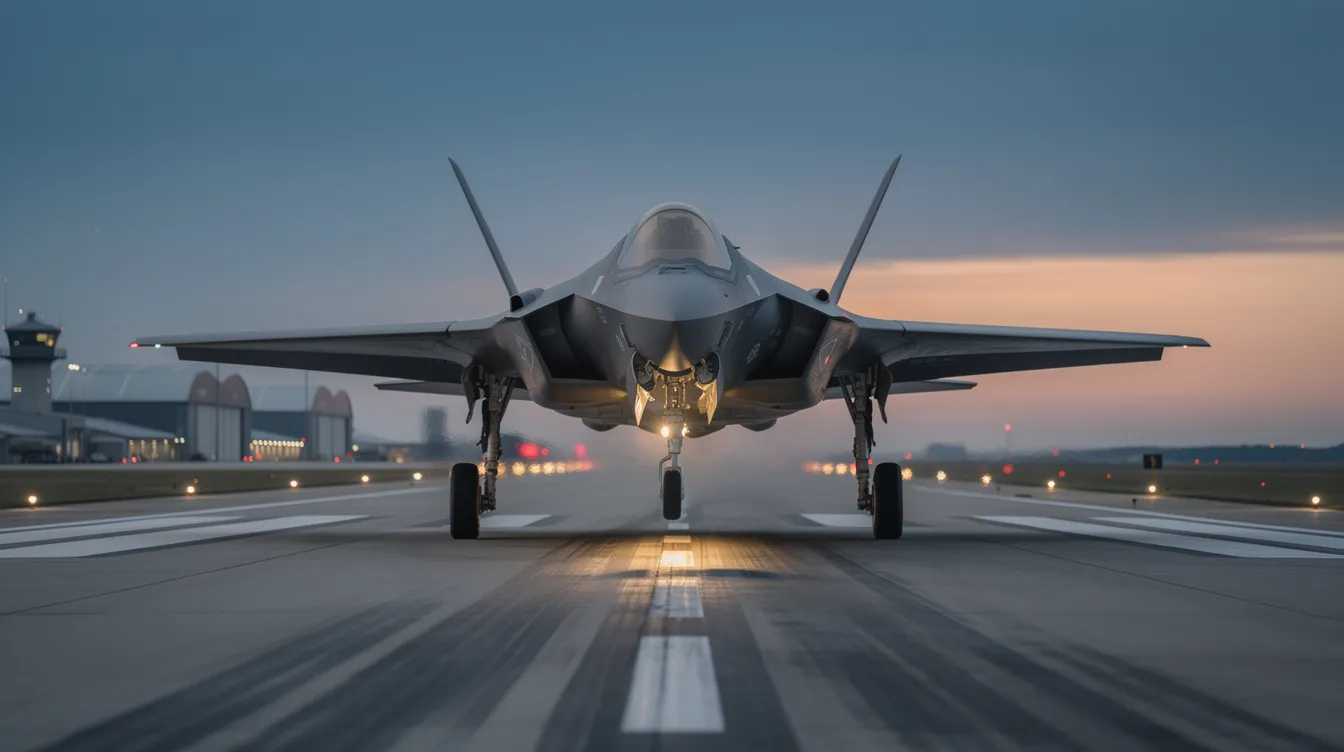
The F-35 Lightning II is seen as the backbone of the future fleet, excelling in multirole capabilities that complement rather than replace the F-22 in air superiority missions. Lockheed Martin's role as the F-35's manufacturer is central, with the company demonstrating extensive production capability, technological leadership, and ongoing innovation through continuous upgrades and global support. With over 1,000 aircraft delivered worldwide by the mid-2020s, the F-35 represents the largest 5th-generation fighter program in history.
|
Variant |
Service Branch |
IOC Year |
Primary Role |
|---|---|---|---|
|
F-35A |
Air Force |
2016 |
Conventional takeoff |
|
F-35B |
Marines |
2015 |
Short takeoff/vertical landing |
|
F-35C |
Navy |
2019 |
Carrier operations |
The F-35 Lightning II operates in three variants: F-35A (Air Force), F-35B (Marines), and F-35C (Navy), each tailored to specific operational requirements.
The F-35 Lightning II utilizes sensor fusion to integrate data from its radar and infrared sensors into a single coherent picture. Key systems include:
AN/APG-81 AESA radar for long-range detection
Distributed Aperture System (DAS) providing 360-degree infrared situational awareness via six cameras
Electro-Optical Targeting System (EOTS) for precision targeting
Helmet-mounted display sharing data via Multifunction Advanced Data Link (MADL)
The F-35 Lightning II is recognized for its superior sensors and networking capabilities for modern combat, enabling seamless integration with joint forces and allies.
A single F-35 can fly strike missions, close air support, air-to-air combat, electronic warfare, and intelligence, surveillance, and reconnaissance (ISR) missions. The F-35 Lightning II can operate in ‘Beast Mode’, sacrificing stealth to carry up to 22,000 lbs of weaponry externally when the threat environment permits.
Plans call for 1,763 F-35As, 280 F-35Bs, and 140 F-35Cs for U.S. forces alone. Partners, including the UK, Italy, Japan, Australia, Norway, and other allies, operate or have ordered the aircraft, making the F-35 far more export-friendly than the restricted F-22.
Despite its versatility, many experts still place the F-22 ahead of the F-35 in pure within-visual-range and beyond-visual-range air-to-air performance due to the Raptor’s superior kinematics.
Comparing these two aircraft reveals that “top” depends entirely on mission requirements. Both jets serve essential but different roles in U.S. airpower.
When the F-22 Is “Top”:
Superior kinematics, including a faster climb rate and Mach 2.25 versus the F-35’s Mach 1.6 top speed
Thrust-vectoring capability for within-visual-range dogfights
Dedicated air-to-air optimization with supermaneuverability
Supercruise advantage for rapid intercepts
When the F-35 Is “Top”:
Multirole flexibility across ground attack, ISR, and air combat
Superior mission systems integration for networked warfare
Greater interoperability with joint and allied forces through advanced data links
Lower per-unit cost of around $80-100 million
Exportable to allies, expanding collective defense capability
U.S. Strategy Uses Both:
U.S. doctrine deploys F-22s as penetrating “first-in” air dominance assets while F-35s serve as networked sensors and strike platforms in highly contested environments. The two aircraft types operate as complementary systems rather than competitors.
For a broad definition of “US top fighter jet” that includes versatility, production numbers, and export impact, many would choose the F-35. A pure dogfight and air-superiority metric favors the F-22.
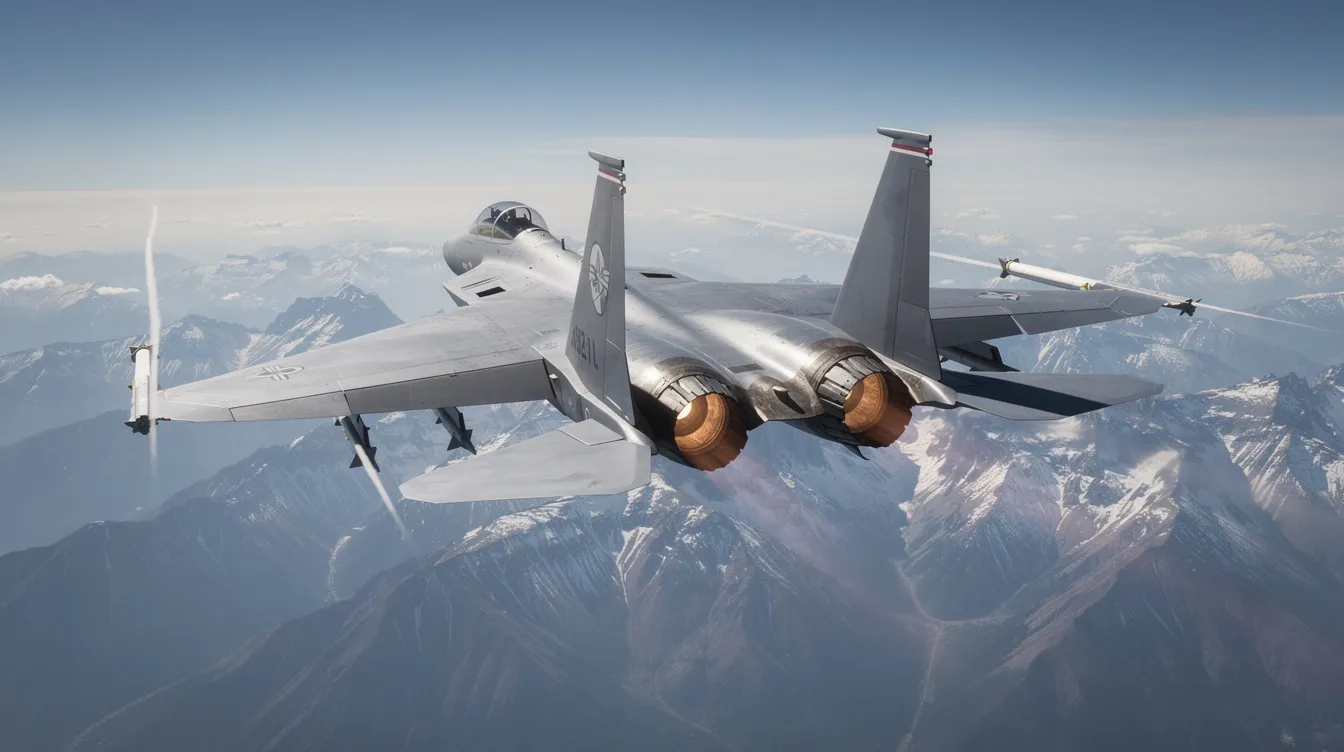
While the F-15 Eagle lacks stealth characteristics, it remains the fastest U.S. fighter jet and a critical component of air superiority and strike capability. This Boeing aircraft has proven its worth across five decades of service.
First flight in 1972
Entered U.S. Air Force service in 1976
Designed by McDonnell Douglas (now Boeing) as a dedicated air superiority fighter
The McDonnell Douglas F-15 Eagle can reach speeds of Mach 2.5, making the F-15 the fastest fighter jet in the U.S. Air Force—faster than both the F-22 and F-35
The F-15 has achieved more than 100 air-to-air kills with zero losses in air-to-air combat for U.S. and allied operators. No other Western fighter can match this perfect record in actual combat.
The F-15 evolved from its 1970s air superiority roots through several variants:
|
Variant |
Role |
Key Features |
|---|---|---|
|
F-15C/D |
Air Superiority |
Original air dominance configuration |
|
F-15E Strike Eagle |
Multirole |
Added ground attack capability |
|
F-15EX Eagle II |
Advanced Multirole |
Modern avionics, extended range |
The F-15EX Eagle II features open mission systems architecture for rapid software updates, APG-82 AESA radar, fly-by-wire control systems, and massive payload capacity. The F-15EX Eagle II can carry a payload of up to 22 air-to-air missiles, giving it unmatched weapons capacity among U.S. fighters.
With external fuel tanks and large weapons loads up to 23,000 lbs, the F-15EX provides range and firepower that complement stealthier platforms.
In discussions of the US top fighter jet, the F-15 frequently wins the “fastest in the skies” category but not the stealth or sensor-fusion categories dominated by the F-22 and F-35.
The U.S. Air Force and Navy select “top” aircraft based on mission profiles—air superiority, ground attack, long-range strike, or multirole—rather than crowning a single overall winner. Different missions demand different capabilities.
|
Mission Type |
Primary Aircraft |
|---|---|
|
Air Superiority |
F-22, F-15C/EX |
|
Stealth Multirole |
F-35A/B/C |
|
Legacy Multirole |
F-16C/D |
|
Carrier Operations |
F/A-18E/F Super Hornet |
The F/A-18E/F Super Hornet serves as the primary strike fighter for U.S. Navy aircraft carriers, providing both air-to-air and strike capability in the maritime environment. The primary mission of the F-16 Fighting Falcon is versatility and agility in air combat, making it the workhorse of many air force units.
The best dogfighter is not automatically the best aircraft for ground attack, electronic warfare, or maritime strike. This reality explains why multiple fighter types are maintained in parallel:
Stealth jets excel against advanced integrated air defenses
Non-stealth fighters like the F-15 provide speed and payload for lower-threat scenarios
Carrier fighters must handle the unique demands of naval aviation
Upgrades keep older designs competitive against new threats:
F-22 software blocks and AIM-260 integration
F-35 continuous software development
F-15EX procurement with modern systems
NGAD and other next-generation programs represent future candidates to become the new “top” U.S. fighter jets once fielded in the 2030s and beyond. The F-47, a 6th-generation fighter, is expected to enter service around 2029 as a successor to the F-22, potentially featuring adaptive cycle engines, collaborative combat aircraft drones, and directed-energy weapons.
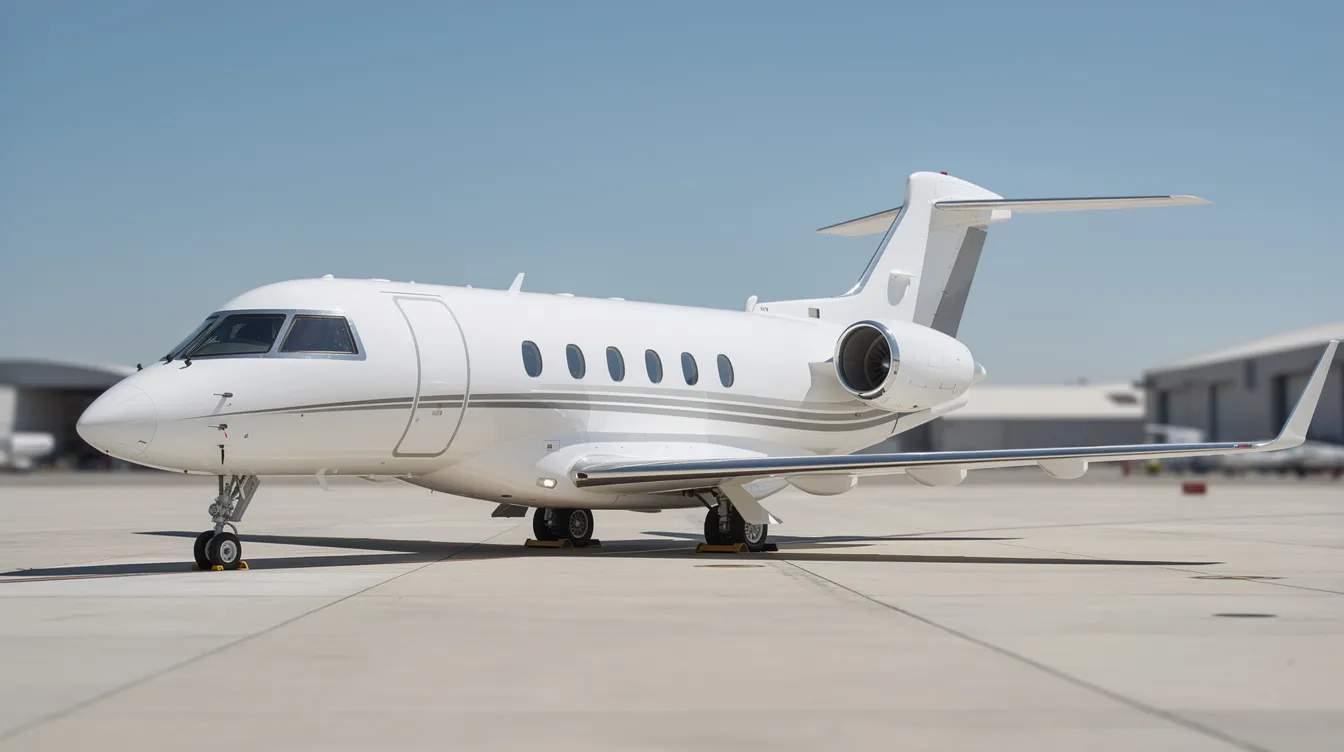
While U.S. top fighter jets are military assets designed for air combat, much of their avionics, materials, and aerodynamic innovation eventually influences civilian and private aviation. The technology that keeps pilots safe at Mach 2 finds its way into the aircraft that serve business travelers.
Innovations developed for fighters that now benefit civilian aviation include:
Composite materials for lighter, stronger airframes
Fly-by-wire flight control systems for enhanced stability
Advanced navigation and synthetic vision displays
Efficient turbofan engines derived from military programs
Modern business jets like the Gulfstream G700 and Bombardier Global 7500 benefit from these aerospace advances, offering Mach 0.925-class speeds and range previously unimaginable for private aircraft and forming part of a broader charter airlines and private aviation landscape.
Jettly operates as a digital private jet charter marketplace, giving civilians access to thousands of private aircraft worldwide through flexible private jet memberships. While very different from fighters, these aircraft benefit from decades of aerospace innovation.
Key value points include, for frequent flyers, tools like Jettly's jet card flight cost estimator to predict program costs:
On-demand private jet charter with instant pricing and booking
Access to over 20,000 unique aircraft without long-term ownership or jet card commitments
Transparent pricing models, digital convenience, and opportunities to earn through Jettly's high-ticket affiliate program
Business leaders flying between hubs like New York and Washington in under an hour while F-22s patrol national airspace overhead
Families chartering light jets for leisure travel to vacation destinations by buying a seat on a private jet
Urgent medical evacuations and time-sensitive flights leveraging smaller airports, often planned with an airport locator tool, near where fighters also train
Corporate executives are avoiding commercial delays and crowds by reducing costs through shared and crowdsourced private flights
The space between military aviation and civilian travel continues to narrow as technology advances. For thrill‑seekers, curated military jet experience flights offer aerobatics and simulated air combat, while for those interested in experiencing advanced aircraft firsthand in comfort, private jet charter offers a practical entry point.
Learn more about charter options and how Jettly offers affordable private jet charter alongside its core services at Jettly.
|
Aircraft |
Primary Claim to “Top” |
|---|---|
|
F-22 Raptor |
Air superiority dominance |
|
F-35 Lightning II |
Versatile stealth multirole |
|
F-15 Eagle/EX |
Fastest and heaviest payload |
|
F/A-18E/F |
Carrier operations |
|
F-16 |
Legacy multirole flexibility |
Modernization programs and the coming NGAD/F-47 program mean the definition of “top” will keep shifting over the next decade. Countries around the world continue to develop their own advanced fighters, ensuring that U.S. airpower must constantly evolve.
While these aircraft secure national airspace and support allies, platforms like Jettly focus on a different mission—making private travel more flexible and accessible within the rapidly expanding global fleet of private jets, with transparent pricing and digital booking.
Ready to experience private travel on your terms? Explore flight options, understand how much a private jet costs, or request a quote at Jettly.
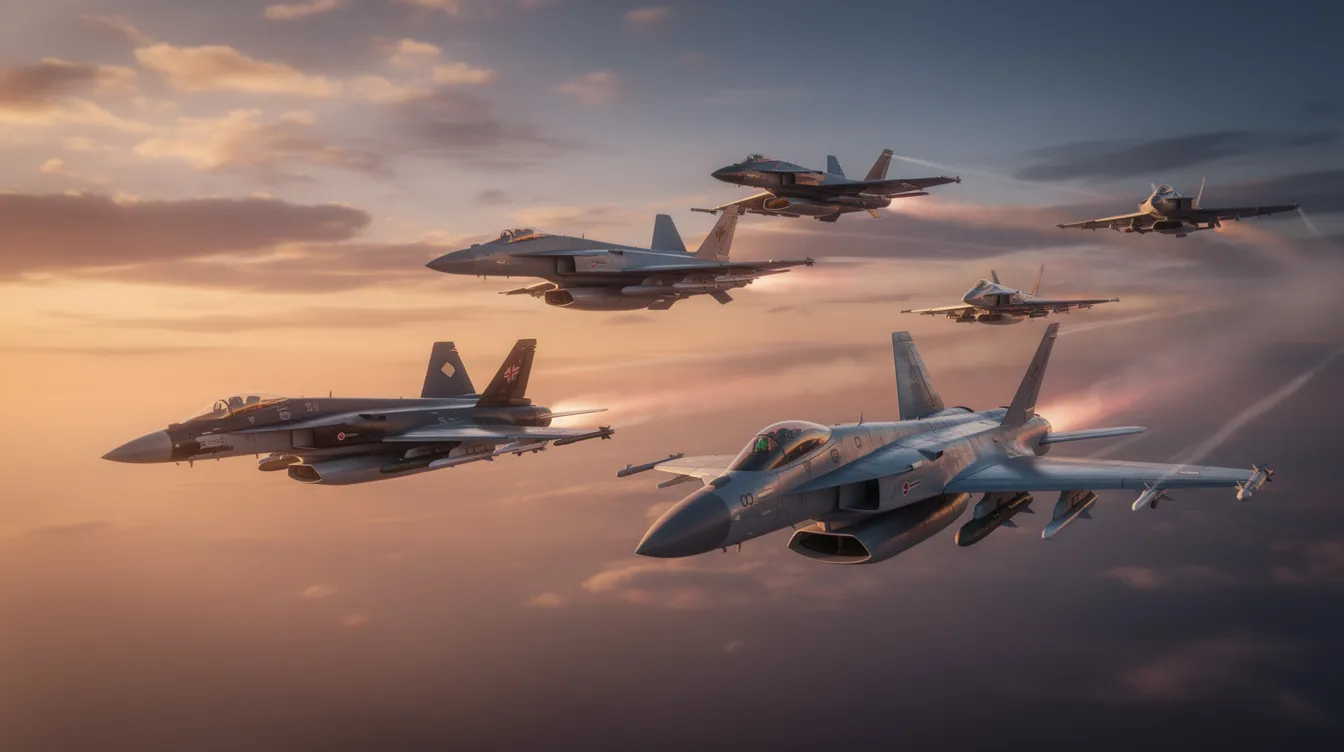
The following questions address common topics not fully covered in the main article.
Most open-source defense analysis still rates the F-22 as the top U.S. air superiority fighter as of 2026. The Raptor’s combination of stealth, supercruise at Mach 1.8, and thrust-vectoring maneuverability gives it advantages that no other operational fighter can match in pure air-to-air performance. However, the F-35 is more numerous and versatile, now forming the backbone of U.S. tactical airpower. Looking ahead, NGAD and the F-47 are expected to surpass both once operational in the 2030s, bringing 6th-generation capabilities to the fight.
U.S. law, specifically export restrictions enacted in the 1990s and 2000s, including the Obey Amendment, prohibits foreign sales of the F-22 to protect sensitive stealth and avionics technology. These restrictions cover radar-absorbent materials, thrust-vectoring systems, and the advanced sensor fusion architecture. As a result, allies instead purchase aircraft like the F-35, which was designed from the outset with international partnerships in mind. The export ban ensures that F-22 technology remains exclusively within U.S. control.
The F-15 Eagle, including modernized variants like the F-15EX, is the fastest current U.S. fighter with a top speed around Mach 2.5—over 1,650 mph at altitude. This is faster than both the F-22 (approximately Mach 2.25) and the F-35 (Mach 1.6). However, the F-15 lacks the stealth features of 5th-generation jets, making it more detectable to modern radar systems. Its raw speed remains valuable for rapid intercepts and operations in lower-threat environments.
The U.S. Air Force plans to operate the F-22 into the 2030s, with frontline jets receiving upgrades including new sensors, AIM-260 missiles, and improved stealth coatings. Some early Block 20 aircraft used primarily for training are being retired sooner to focus resources on combat-coded jets. Once NGAD fighters enter operational service, they will gradually take over primary air-dominance roles. Until then, the F-22 remains essential for maintaining air superiority against near-peer adversaries.
Operational U.S. fighters like the F-22, F-35, and F-15 are restricted military assets classified under national security protocols. They are not available for private charter or civilian flights under any circumstances. Civilians interested in high-performance aviation typically experience advanced aircraft through private jets, which incorporate many technologies originally developed for military programs. Charter platforms such as Jettly provide access to over 20,000 aircraft worldwide, offering the closest civilian experience to cutting-edge aviation without requiring ownership or long-term commitments, and there are now many options that explain how to get a seat on a private jet easily, even for international private jet flights.
The U.S. top fighter jets—the F-22 Raptor, F-35 Lightning II, and F-15 Eagle—each excel in distinct roles that collectively ensure American air dominance. The F-22 remains the benchmark for air superiority with unmatched stealth and agility, the F-35 leads in multirole versatility and global partnership, and the F-15 continues to provide speed and payload capacity unmatched in the fleet. As the U.S. prepares for next-generation fighters like NGAD and the F-47, these aircraft will maintain their critical roles through the 2030s.
While these military jets showcase cutting-edge technology and power in defense, private aviation platforms like Jettly bring advanced aerospace innovation to civilian travelers. Jettly offers flexible, transparent private jet charter services worldwide, connecting travelers with thousands of aircraft for business or leisure. For those seeking convenience and efficiency in air travel, Jettly provides an accessible gateway to private aviation without ownership burdens.
Ready to experience private travel on your terms? Explore flight options or request a quote at https://jettly.com/.
Share this post:
Jay Franco Serevilla
May 6, 2026
|
5
min read
Discover tips and trends in the industry.

5
min read
Business Class Travel: How It Compares to Private Jets with Jettly
Business class travel offers comfort and amenities for long flights, but many travelers are now considering private jet charters for greater flexibility and efficiency. This guide compares the two options, highlighting key features, costs, and the evolving needs of frequent flyers. As travel demands change, understanding the benefits of each can help travelers make informed decisions for their journeys.
Read More
5
min read
Aircraft Management Group Inc: Private Jet Management, Charter, and Digital Alternatives
Aircraft Management Group Inc. offers traditional aircraft management and charter services, focusing on operational oversight and safety for aircraft owners. In contrast, digital platforms like Jettly provide flexible, on-demand access to a vast fleet without ownership commitments, allowing travelers to compare options easily. This hybrid approach is increasingly popular among corporate travel departments.
Read MoreStay updated with our latest insights and tips to elevate your journey with us.
MEMBERSHIPS AND ASSOCIATIONS



Disclaimer: Jettly operates as a charter broker, offering access to a global digital jet charter marketplace. Jettly is not a direct air carrier and does not own or operate aircraft. All advertised flights are conducted by third-party air carriers that are fully licensed and hold the appropriate Part 135 or Part 121 certifications issued by the Federal Aviation Administration (FAA) or equivalent regulatory authorities under U.S. or foreign law. Jettly complies fully with the U.S. Department of Transportation's Part 295 and Part 298 Charter Broker regulations. Jettly does not carry additional liability insurance. Passengers are covered by aircraft operator insurance. TICO: 50023770


