



Login
Get Instant Pricing On 23,000+ Aircraft

>
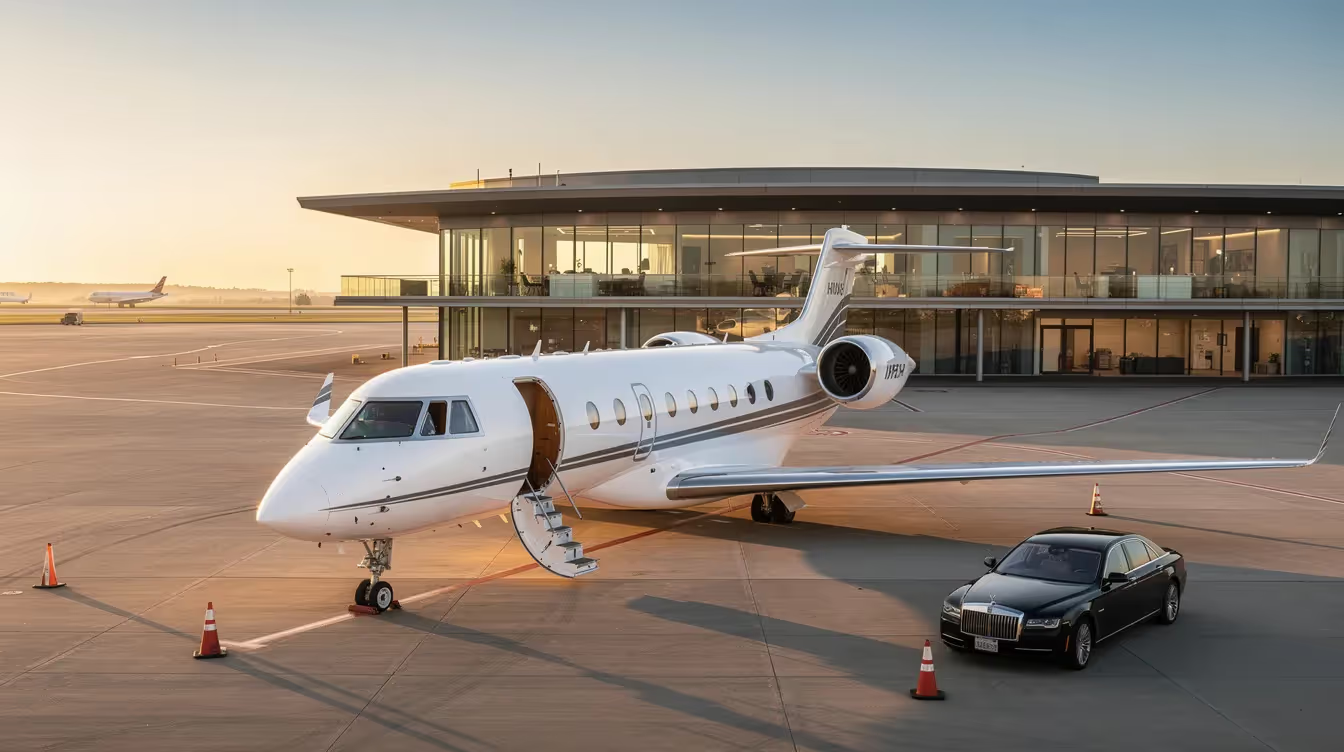
The market for any ultralight airplane for sale has expanded sharply since 2020. Rising fuel prices—avgas climbed roughly 45% to around $6.50 per gallon by 2026—pushed pilots toward aircraft with ultra-low operating costs. Global ultralight sales exceeded 4,800 units in 2026, with North America and Europe capturing 72% of deliveries.
An ultralight aircraft is typically a very light, single-seat recreational machine with simple avionics, minimal fuel capacity, and hourly operating costs of $12–$15. For the recreational flyer dreaming of affordable flight, these planes represent a genuine opportunity.
This article targets buyers comparing true Part 103 ultralights, advanced microlight types, and entry-level light sport options that frequently appear in “ultralight for sale” searches. While Jettly operates in the private jet charter space—offering on-demand jets, turboprops, and helicopters, and an ultra-high-ticket affiliate program for partners—the principles of mission-matching, range planning, and cost analysis apply directly to ultralight purchases.
Ultralight airplanes for sale in 2026 range from roughly $12,000–$40,000 for basic kits to $60,000+ for advanced factory-built models, with light sport aircraft and experimental designs often exceeding $150,000.
Choosing among ultralight, light-sport aircraft, and experimental aircraft directly affects license requirements, insurance costs, and maintenance obligations.
This guide includes concrete example listings (2025–2026 kit and used models) plus practical pre-purchase checks to run before buying.
Jettly focuses on full aircraft charter rather than selling ultralights, but the same principles of safety, cost-awareness, and mission-matching apply across aviation.
See the FAQ section at the end for questions about importing, storage, financing, and commuting that fall outside the main guide.
Online listings labeled “ultralight airplane for sale” often mix three distinct categories. Understanding the differences prevents costly surprises.
True FAA Part 103 ultralights must have a maximum empty weight of 254 lb, a top speed of 63 mph, a fuel capacity of 5 gal, and a single-seat configuration. No pilot license, medical, or registration is required. Examples include the Kolb Firefly 103 and Quicksilver MX Sprint.
Light sport aircraft like the 2024 Bristell 915iS, Super Petrel LS, or Aerospool WT-9 Dynamic require at least a Sport Pilot certificate. These planes seat two, have a higher gross weight (up to 1,320 lb), and come with glass-cockpit avionics—but require N-number registration and inspections.
Experimental/homebuilt aircraft such as the Carbon Cub EX-2 or EX-3 may be marketed as “ultralight style” with tailwheel STOL configurations. However, they exceed Part 103 limits with weights of 1,100+ lb and Rotax 912/915 engines, requiring pilot certificates.
In Europe and Canada, “microlight” can legally cover two-seat planes such as a 2012 Savannah S or a 2015 Porto Risen 912 ULS, with different weight limits and registration rules. A 2018 Aerospool WT-9 Dynamic, registered as an ultralight in parts of Europe, would require different paperwork in the U.S.
Always verify the aircraft’s certification basis (Part 103, LSA, E-AB, Advanced Ultralight) before assuming you can fly without a license.
Ultralights are limited strictly to recreational use, must operate only during daylight hours, and are prohibited from flying over congested areas to ensure safety. Night flying is not allowed unless the aircraft is equipped with proper lighting systems. Flight is permitted in Class G airspace, but pilots must receive clearance from Air Traffic Control (ATC) to operate in Class B, C, D, or E airspace.
In the United States, single-seat ultralight aircraft that meet FAA Part 103 rules do not require a pilot license, medical certificate, or aircraft registration. However, these aircraft must not exceed a maximum empty weight of 254 pounds or a top speed of 63 mph, and their fuel capacity is limited to 5 gallons.
Ultralights are characterized by lower costs and fewer regulations compared to traditional aircraft, making them more accessible to new pilots and recreational flyers.
The license question directly affects your purchase decision. It determines insurance costs, flight training expenses, and where you can legally operate.
U.S. FAA Part 103 rules:
No license required
No medical certificate needed
No registration or N-number
Must stay within weight, speed, fuel, and single-seat limits
Restricted to 10,000-foot ceilings, daytime VFR only
Light Sport Aircraft requirements:
Sport Pilot certificate minimum (around 20 hours of flight training, approximately $10,000)
N-registration required
Valid driver’s license substitutes for third-class medical under current rules
Examples: 2024 Bristell 915iS, 2018 Super Petrel LS
Canada, EU, and UK:
Often requires a national ultralight or microlight license even for single-seat machines
EASA 2026 harmonization eases two-seaters to a 600 kg maximum takeoff weight
Check Transport Canada, EASA states, or CAA UK guidance for current requirements
If you’re taking lessons or interested in more capable aircraft, budget for flight training regardless of legal minimums.
Many aviation enthusiasts prefer building their own ultralight aircraft from kits for the hands-on experience and the satisfaction of constructing their own flying machine. Building from a kit can be more affordable than purchasing a completed aircraft, offering customization options to tailor the plane to your preferences.
Ultralight kits often come with detailed instructions guiding builders through the assembly process. However, successful construction requires basic mechanical skills, patience, and attention to detail to ensure safety and proper assembly. The assembly process can save time and money compared to waiting for a factory-built aircraft, and it provides a deeper understanding of the aircraft's mechanics and systems.
DIY ultralight projects can present challenges, but the sense of accomplishment upon completion is rewarding. Kits range from simple, quick-build options that can take as little as 50 hours to more complex projects requiring hundreds of hours.
Realistic 2026 cost bands span a wide range depending on build status, powerplant, and condition:
Basic used Part 103 single-seat ultralights typically range from $6,000 to $20,000.
New or quick-build kits usually cost between $20,000 and $40,000.
Factory-built Light Sport Aircraft (LSA) and microlights can range from $150,000 to over $350,000.
What drives price:
Brand reputation (CubCrafters, BRM Aero, Aeroprakt, ICP)
Engine type: Rotax 503 (50 HP, ~$10,000 overhauled) vs. 912 ULS (100 HP, $30,000+)
Avionics: basic gauges ($2,000) vs. Garmin G3X glass cockpit ($15,000+)
Build quality and materials
Total airframe hours and engine time
Concrete examples:
The Badland Ultralight Kit is available for $20,000 and remains in perfect condition, still in the crate.
The Kolb Firefly is listed for $15,000 and has a Rotax 503 engine with less than two hours since its rebuild.
The 2003 Aeroprakt A-20 is an ultralight aircraft that climbs well and handles smoothly, with a low total time of 365 hours.
The 2014 Super Petrel LS is an amphibious ultralight aircraft known for exceptional short-field and water performance.
The 2018 Aerospool WT-9 Dynamic is an ultra-light aircraft with excellent performance and handling, priced at €150,000.
Operating cost for a single-seat ultralight runs approximately $1,000–$2,000 annually (fuel at 2–3 gph, insurance $800–$1,200, hangar $200/month). Light sport aircraft can double that due to inspections and higher insurance.
Insurance is not legally required for Part 103 ultralights, but liability insurance is strongly recommended.
Buyers in 2026 typically choose between a brand-new kit or factory-built ultralight with a waiting period, or a used aircraft from 2000–2020 with varying hours and upgrades.
Buying new:
Warranty support from the manufacturer
Current Rotax or similar engine models with electric start
Up-to-date materials and high-performance designs
Higher upfront cost; kit builds require 200–500 hours of work
Buying used:
Immediate availability—no wait
Lower purchase price; great opportunity for budget-conscious buyers
Possibility of upgraded avionics, ballistic parachutes, or other aircraft modifications
Greater need to verify log books, fabric age, and damage repairs
Look for documented overhauls within the last 5–10 years: wing fabric re-covered in 2024–2025, new sensors, updated brake components. Treat maintenance history as a key decision factor, not just paint and price. Similar to how Jettly relies on maintenance transparency for charter aircraft, ultralight buyers benefit from the same approach.
Having an independent mechanic perform a formal pre-buy inspection can help identify potential issues in used ultralights and ensure safe operation.
These real-world style examples provide buyers with reference points by mission type, not brand endorsements.
Weekend grass-strip cruiser:
2003 Aeroprakt A-20 or Savannah S
Two seats, low fuel burn (5 gph), short-field capability
Perfect for VFR touring in good condition
Typically $50,000–$80,000 used
Backcountry and bush flying:
2019–2022 Carbon Cub FX-3 or EX-2 with tundra tires
Tailwheel configuration, STOL performance, 500-foot landing capability
High lift wing design, flies great in remote terrain
$280,000–$350,000 range
Amphibious fun flyer:
Super Petrel LS (2014, 2018 models)
Rotax 914 turbo or 912 engines, retractable floats
Operate on lakes and short strips
Around $180,000 used
Advanced microlight speedster:
Porto Risen 912 ULS (refurbished 2024) or Aerospool WT-9 Dynamic
120+ knot cruise speed, glass cockpit avionics
Cross-country capability within microlight limits
$160,000–$200,000
Popular ultralight models and dealers:
Air-Tech Inc. has been a full-service, Authorized Quicksilver Dealer for over 40 years.
The MX Sprint ultralight aircraft is known for its extremely fast roll response and ability to handle crosswinds easily.
The MXL Sport is designed to enhance the flying experience with a faster roll rate and greater speed range.
The MX II Sprint is ideal for recreational flyers and flight schools due to its short take-off roll and predictable handling.
The GT 400 is known to be one of the finest ultralight-type aircraft ever designed, featuring a spring-loaded nose wheel and short take-off capabilities.
The Northwing Maverick is an ultralight that does not require a Sport Pilot Certificate and is priced around $10,000.
The DTA 912 is a unique trike that does not require a front limiter tube, enhancing the pilot's view.
The Air Creation Twin is one of the most popular introductory two-seaters in the ultralight category.
Many ultralight models feature foldable wings, making them easy to store in a garage.
Ultralights are often ideal for local scenic flights, cross-country trips, or backcountry access, depending on the user's flying goals.
Ultralight aircraft typically get 10 to 30 miles per gallon, depending on their weight and aerodynamics.
A pre-buy inspection for an ultralight deserves the same rigor as larger aircraft used in charter or business aviation.
Airframe inspection:
Look for corrosion on aluminum tubes (especially in humid climates)
Check UV damage or delamination on composite parts via tap tests
Assess fabric condition—cracking, brittleness, porosity
Examine repairs around the landing gear and wing roots
Engine checks:
Common powerplants: Rotax 447, 503, 582, 912, 915iS
Verify hours since new or overhaul (under 500 hours ideal for Rotax 912)
Check proper preservation if stored; low-time engines still need maintenance
Review service records within the last 2–3 years
Avionics and safety systems:
Verify radio and transponder functionality
Confirm ADS-B Out compliance for LSA (mandatory post-2020)
Check ballistic parachute system expiry (repack every 10 years)
Documentation:
Complete log books with all maintenance entries
Build photos for the kit or experimental aircraft
Current weight and balance data
Registration and compliance affidavits
Hire an independent mechanic familiar with ultralights to perform a pre-buy check. Industry data suggests that inspections uncover issues in roughly 30% of used sales, much like buyers evaluating top private jet charter companies scrutinize safety records and maintenance standards before committing.
Typical sourcing channels include specialized classified listing sites, type-club forums, manufacturer resale boards, and local flying clubs or ultralight associations.
Search strategies:
Search by specific aircraft type: “Kolb Firefly for sale,” “Savannah S advanced ultralight,” “Carbon Cub FX-3 used”
Filter by listing date—prioritize 2025–2026 updates over older posts
Contact sellers with a prepared checklist: hours, storage conditions, and reasons for selling
Cross-border purchases:
Factor in ferry flight or shipping costs for out-of-state or international aircraft
Verify customs duties, VAT, and required modifications (lights, transponder, registration marks)
Work with brokers experienced in 2024–2026 GA imports or explore NetJets alternatives like Jettly after first understanding how NetJets operates as a private aviation leader if your cross-border needs extend into larger private aircraft
Jettly operates differently: the platform does not sell ultralights but offers on-demand access to a global fleet of charter aircraft—from light jets to turboprops and helicopters—for trips where ownership isn’t practical, with jet card programs providing fixed-rate private flying for frequent travelers who want to understand what a jet card is and how it works.
Consider combining ultralight ownership for local recreational flying with occasional Jettly private charter aircraft for business travel, family vacations, or time-critical journeys that extend beyond your ultralight’s range.
Learn more about Jettly’s charter options at https://www.jettly.com.
Safety and environmental impact matter increasingly in 2026 for both private jets and ultralight operations.
Safety culture:
Schedule regular inspections even when not legally required
Invest in training before solo flights
Join local clubs or training organizations for proficiency development
Maintain conservative weather limits, especially early in your flying career
Environmental impact:
Many ultralights burn just 2–3 gph, emitting 70% less CO2 than GA singles
Modern Rotax engines offer improved fuel efficiency
Voluntary carbon offset programs (like FlyGreen) are available at ~$5/gallon equivalent
Consider quieter propeller options, thoughtful in-flight services such as coordinated private jet catering, and flying patterns that respect noise-sensitive communities, especially near large metros like those served by private jet charter in New Delhi
Jettly encourages efficient fleet use, the use of tools like its airport locator and charter platform for planning international private jet flights and regulations, and awareness of carbon-offset programs in charter operations. Ultralight owners can adopt the same mindset about efficient flight planning and shared resources.
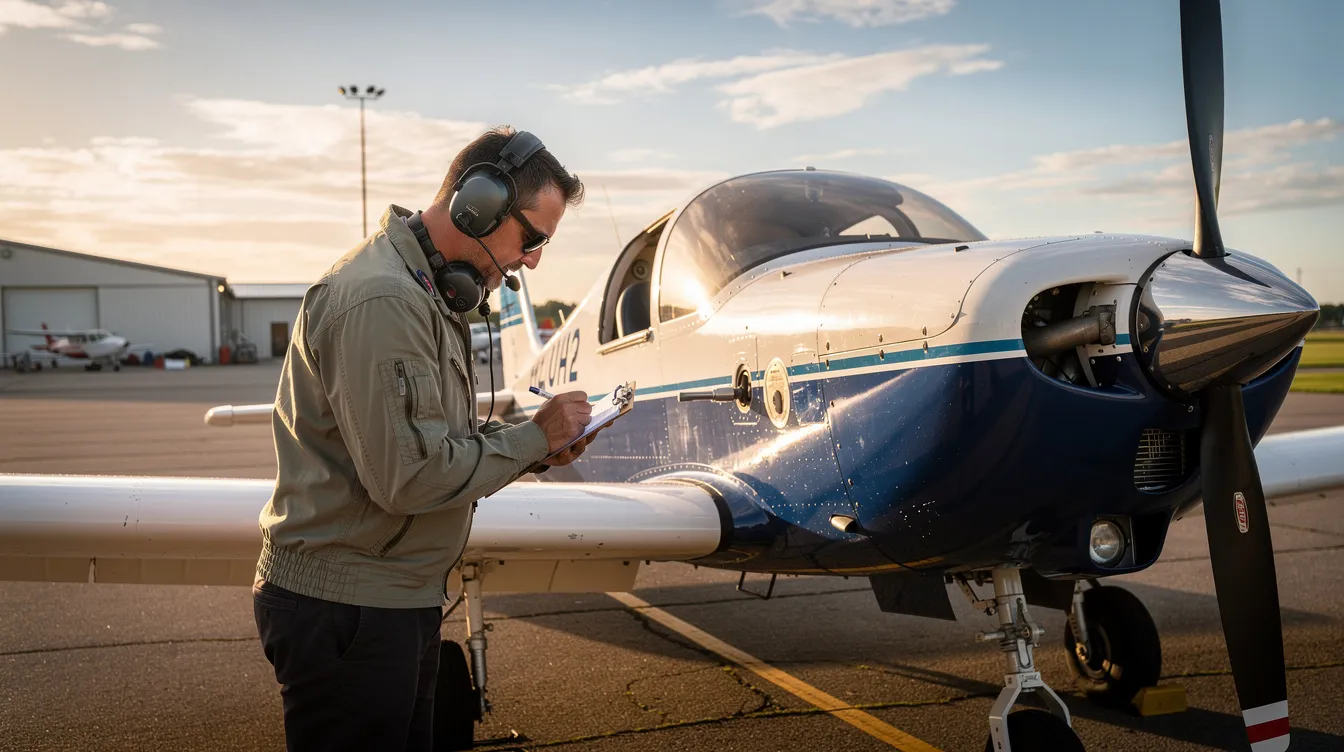
Importing is common, especially from Europe (Aerospool WT-9 Dynamic, Porto Risen) into North America.
Verify whether the aircraft’s existing category (microlight in the EU) maps to an equivalent at home (Experimental or LSA in the U.S.).
Check customs duties (typically 5–10%), VAT, and required modifications before shipping.
Work with a broker experienced in cross-border GA imports to avoid 4–6 week paperwork delays.
Most single-seat ultralights have wingspans of 25–35 feet, fitting standard T-hangars or shared hangars.
Foldable wing models can be trailered with $100 setups.
Monthly hangar fees at smaller airports range from $200 to $500, depending on the region.
Indoor storage reduces fabric and UV damage, increasing long-term resale value versus outdoor tie-downs.
Traditional aircraft financing is more common for higher-value LSAs ($100,000+) than sub-$30,000 Part 103 machines.
Some aviation lenders offer loans for 2010+ factory-built LSAs with strong resale value.
Buyers of affordable ultralights often rely on personal loans or savings.
Factor in interest costs, required hull insurance, and annual operating costs when deciding between financing and cash, especially if you also plan to budget for private jet charter cost estimates and broader private jet lease cost considerations on longer or business-focused trips.
True Part 103-style kits can take 200–400 hours for someone with basic skills.
Quick-build kits with pre-fabricated wings reduce build time but raise purchase price.
First-time builders should plan for extra time—often 1–2 years part-time for quality work.
Join EAA chapters or online builder communities for inspections, mentoring, and support network development.
Most ultralights optimize for recreational flying in good weather, short hops, and daylight—not dependable daily commuting.
Limitations include low cruise speed (50–70 knots), limited instrumentation, sensitivity to weather, and single-seat configurations.
For time-sensitive or multi-passenger travel, affordable private jet charter options through Jettly’s network of turboprops and light jets, or other ways to buy a seat on a private jet, prove more practical.
Consider a hybrid approach: ultralight for local sky adventures, and private jet memberships for longer business-critical journeys or fractional private jet ownership arrangements that demand predictable access and pricing.
The right ultralight airplane for sale depends on the mission (local fun vs. cross-country), regulations (Part 103 vs. LSA vs. microlight), budget (under $20,000 to over $300,000), and whether to build or buy a ready-to-fly model.
Look beyond the “ultralight airplane for sale” headline—verify category, paperwork, and flight history before committing funds.
Treat a pre-buy inspection and basic flight instruction as non-negotiable investments, even where regulations are minimal.
For versatility on longer trips, combine ultralight ownership with time-saving charter options.
Ready to explore private travel for business or longer-range journeys? Request a quote or learn more at https://www.jettly.com.
Share this post:
Jay Franco Serevilla
Mar 31, 2026
|
5
min read
Discover tips and trends in the industry.
5
min read
Southwest Boeing 737: Cabin Layout, Passenger Experience, And Private Jet Alternatives
The Southwest Boeing 737-700 is a popular narrowbody aircraft featuring a single-cabin layout with 143 economy seats. This guide provides insights into seat types, layout, and how it compares to private jet charters, helping travelers make informed choices for comfort and convenience. Discover the best and worst seats, onboard amenities, and fare types to enhance your flying experience.
Read More
5
min read
How Much Is Fuel for a Small Plane in 2026? (Pilot & Charter Perspective)
In 2026, fuel costs for small planes vary significantly based on aircraft type and fuel type, with 100LL avgas averaging $6.80 to $7.54 per gallon and Jet A ranging from $7.00 to $9.20. This guide provides insights for private pilots and charter customers on managing fuel expenses effectively. Understanding fuel consumption rates and regional price variations is crucial for budgeting and optimizing flight choices.
Read MoreStay updated with our latest insights and tips to elevate your journey with us.
MEMBERSHIPS AND ASSOCIATIONS



Disclaimer: Jettly operates as a charter broker, offering access to a global digital jet charter marketplace. Jettly is not a direct air carrier and does not own or operate aircraft. All advertised flights are conducted by third-party air carriers that are fully licensed and hold the appropriate Part 135 or Part 121 certifications issued by the Federal Aviation Administration (FAA) or equivalent regulatory authorities under U.S. or foreign law. Jettly complies fully with the U.S. Department of Transportation's Part 295 and Part 298 Charter Broker regulations. Jettly does not carry additional liability insurance. Passengers are covered by aircraft operator insurance. TICO: 50023770


