


Login
Get Instant Pricing On 23,000+ Aircraft

>

Jet fuel, the lifeblood of aviation, powers the engines that propel aircraft through the skies. However, not all jet fuels are created equal; various types exist, each carefully engineered to meet specific operational requirements and environmental conditions.
From the widely used Jet A and Jet A-1 to specialized fuels like Jet B and TS-1, the aviation industry relies on a range of jet fuels to ensure optimal performance, safety, and reliability. These distinct fuels possess unique characteristics, advantages, and play critical roles in powering commercial, military, and private aviation.
Gaining a thorough understanding of the intricate realm of jet fuels is crucial for aviation professionals and enthusiasts alike. Factors influencing the selection and use of jet fuels in various aviation scenarios are complex and involve many considerations.
Explore the primary types of jet fuel, examining their composition, properties, and applications. By the end of this journey, you'll have a comprehensive understanding of the jet fuel industry and its role in the aviation sector.
Kerosene-based jet fuels, derived from crude oil, are the most prevalent in aviation today. These fuels boast high energy density, low freezing points, and excellent stability, making them ideal for powering aircraft engines across a wide range of operating conditions.
Jet A, a kerosene-based fuel, primarily consists of hydrocarbons containing 10 to 16 carbon atoms per molecule. With a minimum flash point of 38°C (100°F) and a maximum freezing point of -40°C (-40°F), Jet A is well-suited for use in various temperature ranges.
As the standard jet fuel in the United States, Jet A is widely used in both commercial and private aviation. Its widespread availability at airports nationwide makes it the go-to choice for most turbine-powered aircraft.
Jet A-1 shares many similarities with Jet A in terms of composition and properties. However, Jet A-1 distinguishes itself with a lower maximum freezing point of -47°C (-52.6°F), rendering it more suitable for long-distance flights and operations in colder climates.
As the most widely used jet fuel worldwide, Jet A-1 is particularly prevalent in commercial aviation. It serves as the standard fuel for most international flights and is readily available at major airports globally.
To enhance safety, Jet A-1 contains static dissipator additives that help reduce the risk of static electricity buildup during fueling and flight operations. These additives minimize the potential for sparks and fires, ensuring a safer flying experience.
Jet A-2, another kerosene-based jet fuel, shares similarities with Jet A and Jet A-1. It features a slightly higher minimum flash point of 40°C (104°F) compared to Jet A, while maintaining the same maximum freezing point as Jet A-1 at -47°C (-52.6°F).
While less common than Jet A-1, Jet A-2 is primarily used in Europe and Asia as an alternative. Despite being less prevalent, it remains widely available at airports throughout these regions.
Kerosene-based jet fuels, such as Jet A and Jet A-1, are well-suited for most aviation applications. However, some extreme operating conditions demand specialized jet fuels with unique properties to maintain performance and reliability in challenging environments, especially those involving very low temperatures.
Jet B is a distinctive jet fuel, composed of a combination of kerosene and gasoline. This combination yields a fuel with a lower freezing point and improved volatility compared to pure kerosene-based fuels.
One of Jet B's most remarkable features is its exceptionally low freezing point of -72°C (-97.6°F). This characteristic makes it an ideal choice for aircraft operating in extremely cold environments, such as polar regions or high-altitude flights.
Jet B's low freezing point plays a crucial role in maintaining fuel flow and preventing ice formation in fuel systems during cold weather operations. However, its use is limited due to its lower flash point and higher volatility compared to Jet A and Jet A-1, which can pose safety challenges.
TS-1, a kerosene-based jet fuel, is primarily used in Russia and other former Soviet Union countries. As the main fuel for most Russian-built aircraft, TS-1 is renowned for its excellent cold-weather performance.
Designed to maintain fluidity and performance at very low temperatures, TS-1 boasts a lower viscosity than Jet A and Jet A-1. This property helps improve fuel atomization and combustion efficiency in cold conditions.
Like Jet B, TS-1 has a very low freezing point, typically below -50°C (-58°F). This allows aircraft using TS-1 to operate safely and reliably in extremely cold environments without the risk of fuel freezing or gelling.
Beyond the standard kerosene-based jet fuels and specialized fuels for extreme conditions, high-performance jet fuels cater to the stringent demands of specific aircraft and missions.
These fuels boast enhanced properties, including improved thermal stability and performance-boosting additives, ensuring optimal engine operation and reliability in challenging situations.
Jet PT, also known as JPTS, undergoes additional processing to remove impurities and improve its overall quality. This refined process yields a cleaner-burning fuel with enhanced performance characteristics, making it a preferred choice for operators.
A standout feature of Jet PT is its enhanced thermal stability compared to standard jet fuels. With the ability to withstand higher temperatures without degradation or deposit formation in the fuel system, Jet PT excels in high-performance engines operating under extreme conditions.
Developed specifically for the Russian Tu-160 strategic bombers, Jet PT delivers the necessary performance to handle the demanding conditions of high-speed, high-altitude flight. Its improved thermal stability and exceptional performance make it the fuel of choice for these formidable aircraft.
JP-8, a military-grade jet fuel, finds extensive use by the United States Armed Forces and NATO countries. While similar in composition to Jet A, this kerosene-based fuel incorporates additional performance-enhancing additives to meet the rigorous requirements of military operations.
JP-8 shares many basic properties with Jet A, including a high flash point and good cold-weather performance. However, the inclusion of specialized additives sets JP-8 apart, providing benefits such as improved thermal stability and increased resistance to microbial growth.
The carefully selected additives in JP-8 enhance its performance and safeguard the fuel system from various issues.
Static dissipator additives mitigate the risk of static charge buildup, while corrosion inhibitors protect fuel system components from degradation. Fuel system icing inhibitors prevent ice formation at low temperatures, ensuring reliable operation in diverse conditions.
When selecting the appropriate jet fuel for a specific aircraft or mission, several key characteristics must be considered to ensure optimal performance, safety, and compatibility:
These properties play crucial roles in determining the suitability of a jet fuel for various operational scenarios.
The energy content of a jet fuel, measured in British Thermal Units (BTUs) per gallon, directly impacts its fuel efficiency and the range an aircraft can achieve.
Fuels with higher energy content allow aircraft to fly longer distances on a given amount of fuel, which is particularly important for commercial aviation, where fuel efficiency translates to cost savings and reduced environmental impact.
The flash point of a jet fuel refers to the lowest temperature at which the fuel vapors can ignite when exposed to an ignition source.
Jet A and Jet A-1, the most commonly used fuels in commercial aviation, have a minimum flash point of 38°C (100°F), ensuring a high level of safety during refueling and storage. Fuels with higher flash points are generally safer to handle and store, as they are less likely to ignite accidentally.
The freezing point of a jet fuel determines its ability to remain liquid at low temperatures, which is crucial for aircraft operating in cold weather conditions.
Jet fuels with lower freezing points, such as Jet A-1 (-47°C) and Jet B (-72°C), provide greater operational flexibility by allowing aircraft to fly at higher altitudes and in colder environments without the risk of fuel solidification.
This characteristic is essential for maintaining the reliability and performance of jet engine types in diverse climates.
Viscosity, a measure of a fuel's resistance to flow, is another important characteristic that affects fuel system compatibility and performance. Jet fuels must have a viscosity that allows them to flow easily through the fuel system components, such as:
This ensures efficient fuel delivery and optimal combustion in the engine without causing excessive wear or clogging.
Jet fuels must be resistant to contamination and maintain their stability during storage and use. Contaminants, such as water, dirt, and microorganisms, can cause fuel system blockages, corrosion, and reduced engine performance.
Fuel stability is also crucial to prevent the formation of gums, varnishes, and deposits that can harm fuel system components and jet engine types.
The use of additives, such as antioxidants and biocides, helps maintain fuel cleanliness and stability. This ensures reliable operation and minimizes maintenance costs, which can impact the overall jet card cost.
Jet A and Jet A-1 are both kerosene-based jet fuels with similar properties, but they differ in their freezing points. Jet A has a higher freezing point of -40°C (-40°F), making it suitable for use in most commercial aviation operations within the United States.
In contrast, Jet A-1 boasts a lower freezing point of -47°C (-52.6°F), rendering it ideal for operations in colder climates and at higher altitudes worldwide.
Although jet engines are primarily designed to operate on jet fuel, some aircraft can accommodate alternative fuels, such as biofuels or synthetic fuels.
However, these alternative options must adhere to stringent specifications to ensure seamless compatibility with jet engines and maintain the same level of performance and safety as conventional jet fuels.
The use of alternative fuels is an ongoing area of research and development in the aviation industry, aiming to reduce environmental impact and improve sustainability.
The freezing point of jet fuel plays a critical role in ensuring safe and efficient aircraft operations, particularly in cold weather conditions. If the fuel begins to freeze, it can lead to clogged fuel lines and filters, potentially resulting in engine failure and compromising flight safety.
To mitigate this risk, jet fuels with lower freezing points, such as Jet A-1 and Jet B, are employed, allowing aircraft to operate at higher altitudes and in colder environments without the danger of fuel solidification.
Jet fuels are enhanced with various additives to optimize performance and safeguard the fuel system:
These additives work together to maintain fuel quality, ensure safe operation, and prolong the life of the aircraft's fuel system, ultimately enhancing reliability and performance.
The use of jet fuel in the aviation industry poses significant environmental concerns:
TTo address these concerns, the aviation industry is actively pursuing research and development of sustainable alternative fuels, as well as implementing measures to improve fuel efficiency and reduce emissions.
These efforts aim to mitigate the environmental impact of jet fuel use and promote a more sustainable future for aviation.
The aviation industry utilizes a range of jet fuels, each designed for particular applications and operating environments. Revised Sentence: The primary types of jet fuel, including Jet A, Jet A-1, Jet B, Jet A-2, Jet PT/JPTS, and TS-1, have been delved into, highlighting their unique properties and characteristics.
Selecting the appropriate jet fuel is paramount for ensuring optimal performance, safety, and reliability in aircraft operations. The choice of fuel depends on several critical factors, such as:
As the aviation industry continues to undergo changes, researchers and developers are working tirelessly to create more efficient and sustainable jet fuels. These advancements aim to:
By focusing on these goals, the industry is paving the way for a greener future in air travel, while still prioritizing the needs of high-net-worth individuals and business executives who rely on private aviation for their transportation needs.
Share this post:
Justin Crabbe
May 6, 2025
|
5 minutes
min read
Discover tips and trends in the industry.

5
min read
Types of Military Jets: Generations, Roles, and How They Shape Modern Aviation
Military jets play crucial roles in modern aviation, ranging from fighter jets to bombers and trainers, each designed for specific missions. The evolution from early subsonic designs to advanced fifth-generation fighters showcases significant technological advancements that have transformed air combat. Innovations in military aviation also benefit civilian and business aviation, enhancing safety and performance.
Read More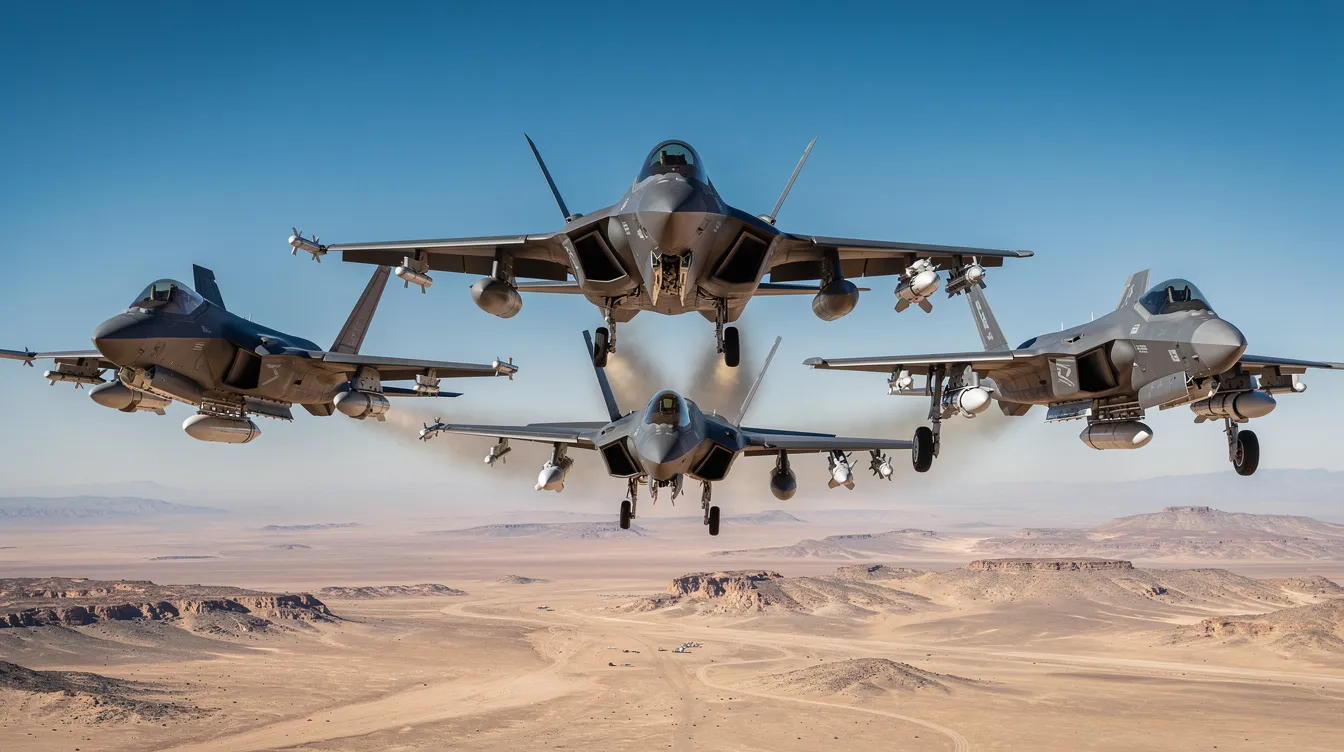
5
min read
How Many Military Jets Does the US Have? (2026 Guide to American Air Power)
The U.S. military operates approximately 3,300 fighter and attack jets, making it the largest military aviation force globally. This fleet includes advanced fifth-generation fighters and a robust bomber inventory, reflecting the U.S.'s significant air power capabilities. As the military transitions to newer aircraft, the influence of military aviation extends into the private sector, enhancing private jet travel options.
Read MoreStay updated with our latest insights and tips to elevate your journey with us.
MEMBERSHIPS AND ASSOCIATIONS



Disclaimer: Jettly operates as a charter broker, offering access to a global digital jet charter marketplace. Jettly is not a direct air carrier and does not own or operate aircraft. All advertised flights are conducted by third-party air carriers that are fully licensed and hold the appropriate Part 135 or Part 121 certifications issued by the Federal Aviation Administration (FAA) or equivalent regulatory authorities under U.S. or foreign law. Jettly complies fully with the U.S. Department of Transportation's Part 295 and Part 298 Charter Broker regulations. Jettly does not carry additional liability insurance. Passengers are covered by aircraft operator insurance. TICO: 50023770


