



Login
Get Instant Pricing On 23,000+ Aircraft

>
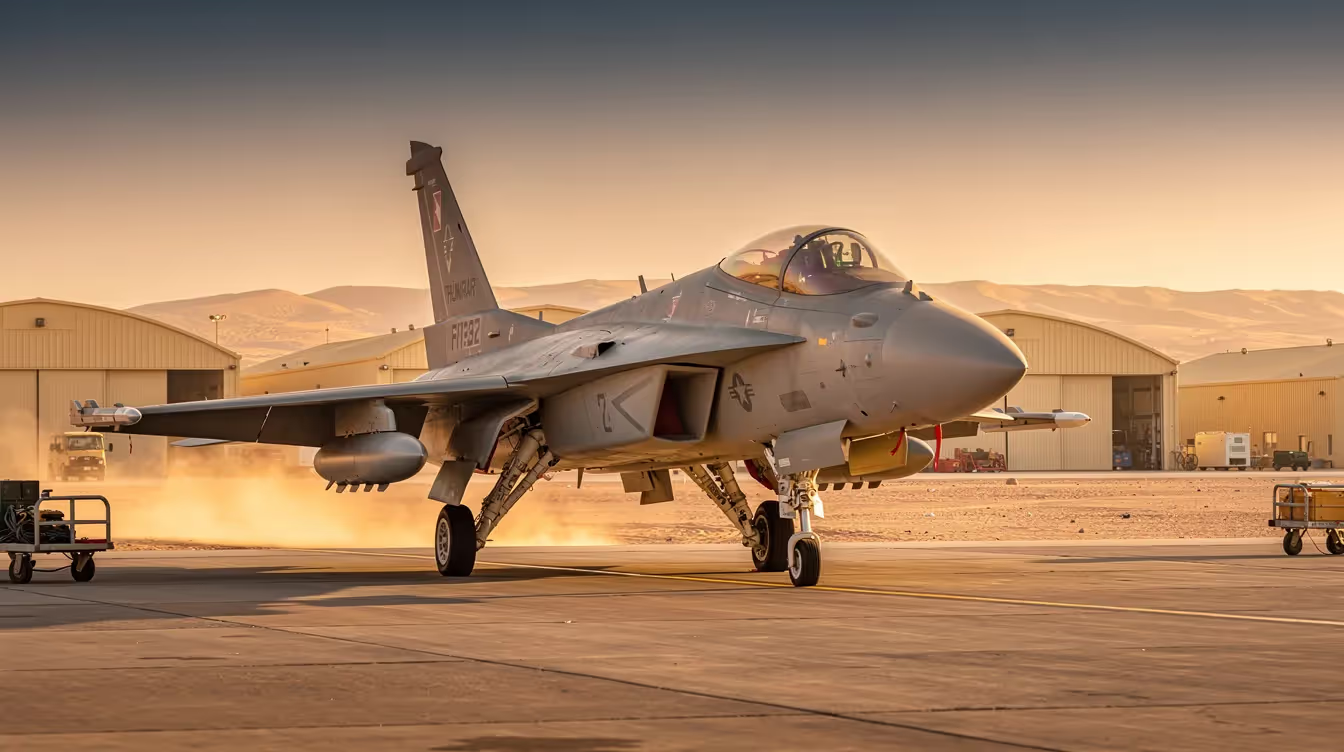
Thumrait Air Base, Oman, is a Royal Air Force of Oman military air base based in Dhofar, about 70–80 km north of Salalah. This page provides an overview of Thumrait Air Base in Oman, focusing on its strategic military role and practical information for private flyers and aviation professionals. The content is designed for aviation professionals, private travelers, and military enthusiasts interested in the base's operations, access restrictions, and regional significance. Understanding Thumrait Air Base's importance and the limitations on civilian access is essential for anyone planning travel or operations in southern Oman, given its role as a strategic military hub and its proximity to key transport and conflict zones.
Thumrait Air Base, Oman, is a Royal Air Force of Oman military air base based in Dhofar, about 70–80 km north of Salalah.
Its strategic location enables rapid aerial deployment across the Arabian Peninsula, leveraging proximity to ancient caravan routes.
The airfield uses ICAO OOTH and IATA TTH, with runway 17/35 at about 4,000 m / 13,123 ft.
Civilian access is restricted; most private flyers use Salalah International Airport.
Jettly can help arrange private charter alternatives, ground transport, and complex routing into southern Oman.
Thumrait Air Base, Oman, also called RAFO Thumrait, is located in the Dhofar Governorate of southern Oman near the Empty Quarter. The Thumrait air site sits near 17°39′58″N, 54°01′29″E, at roughly 500 m elevation, in Asia/Muscat time, UTC+4.
The airport operates under ICAO code OOTH and IATA code TTH, indicating its status as a recognized airfield. Thumrait Air Base is classified as a medium airport and is primarily a military base, with no scheduled civilian aircraft operations allowed. Thumrait Air Base has one runway designated as 17/35, making it a mid-sized airport in Dhofar, Oman. It is classified as a medium airport and is primarily a military base, with no scheduled civilian aircraft operations allowed.
The base was originally established to secure southern Omani airspace. Its position gives Oman and allied forces strategic distance across the Arabian Peninsula, close to ancient caravan routes, Arabian Sea shipping lanes, and regional conflict zones.

For aviation readers, this information is useful background only: data is approximate, for general background only, and not for flight planning or navigation.
Runway 17/35 is asphalt, about 4,000 m / 13,123 ft, and is designed to support heavy payload military aircraft, including C-17s and KC-10s.
The base consists of approximately 237 operational structures, including hangars and maintenance facilities.
Facilities include overhead lighting, apron extensions, hangars, aerospace ground equipment, vehicles, electrical generators, and support equipment.
OOTH has no published civilian fuel service, no civil customs, and no scheduled passenger services.
Pilots generally rely on military sources, restricted publications, NOTAMs, or nearby Salalah weather data rather than public METAR/TAF feeds.
Thumrait Air Base was initially a regional oil depot before being fortified for military use. It later became a major operational hub for the Royal Air Force of Oman and is critical for allied international forces.
The base has hosted various military aircraft, including ex-RAF Hawker Hunter and SEPECAT Jaguar fighter-bombers used in ground attack roles, and later F-16s. Under defense agreements signed in 1980, Oman became the first Gulf state to allow U.S. military access to its bases.
Thumrait also acts as a designated repository for U.S. War Reserve Materiel (WRM), including medical supplies and munitions. The Harvest Falcon depot stores Harvest Falcon equipment, bare base systems, modular personnel tents, shelters, rations, billets, associated spares, other consumables, mobility support equipment, fuel mobility support equipment, air base operability equipment, and the air force's transportable system—a modular, deployable infrastructure supporting personnel and operations in infrastructure-limited environments.
DynCorp Technical Services has been associated with maintaining war reserve materiel, including stored spares, consumables, vehicles, medical stocks, and munitions under contract support. This combination helps allied forces deploy, sustain, recover, and demonstrate rapid response capability.
The U.S. military maintains a persistent presence at Thumrait Air Base, utilizing it for logistics and regional reconnaissance. Thumrait supported U.S. military operations during Desert Shield, Desert Storm, Desert Fox, and the War in Afghanistan. Thumrait Air Base served as a key USAF location during Operations Desert Shield and Desert Storm, with the 336th Tactical Fighter Squadron deploying there shortly after Iraq invaded Kuwait in August 1990. The USAF 1660th Tactical Airlift Wing (Provisional) was also tasked with operational roles at Thumrait Air Base for those operations.
Thumrait serves as a central hub for multinational military exercises, including the Accurate Test series and Exercise Saif Sareea. The base is a key strategic place for the Omani military, the UK, the Royal Air Force, and U.S. forces, with many units based at RAFO Thumrait for regional operations.
On 17 April 1996, the US Air Force’s 16th Special Operations Wing and 823rd “Red Horse” Squadron conducted the Eastern Castle exercise at RAFO Thumrait in partnership with the Omani military. This operation involved extending the runway and apron, as well as installing overhead lighting in the aircraft hangars.
Exercise Saif Sareea, or Swift Sword, is a UK-Omani military exercise series first held in 1987 and conducted approximately every four years to demonstrate the Joint Rapid Reaction Force concept by order of His Majesty the Sultan of Oman and Her Majesty the Queen. Saif Sareea 2 took place in September 2001, with British and Omani forces based at RAFO Thumrait, highlighting the importance of this place for large-scale joint operations. Saif Sareea 3, held in 2018 between October and November, involved Typhoon FGR4 fighter jets from the UK deploying to RAFO Thumrait. It marked the largest tri-service interoperability exercise in the region in nearly two decades, with Royal Air Force of Oman F-16s operating alongside RAF aircraft.
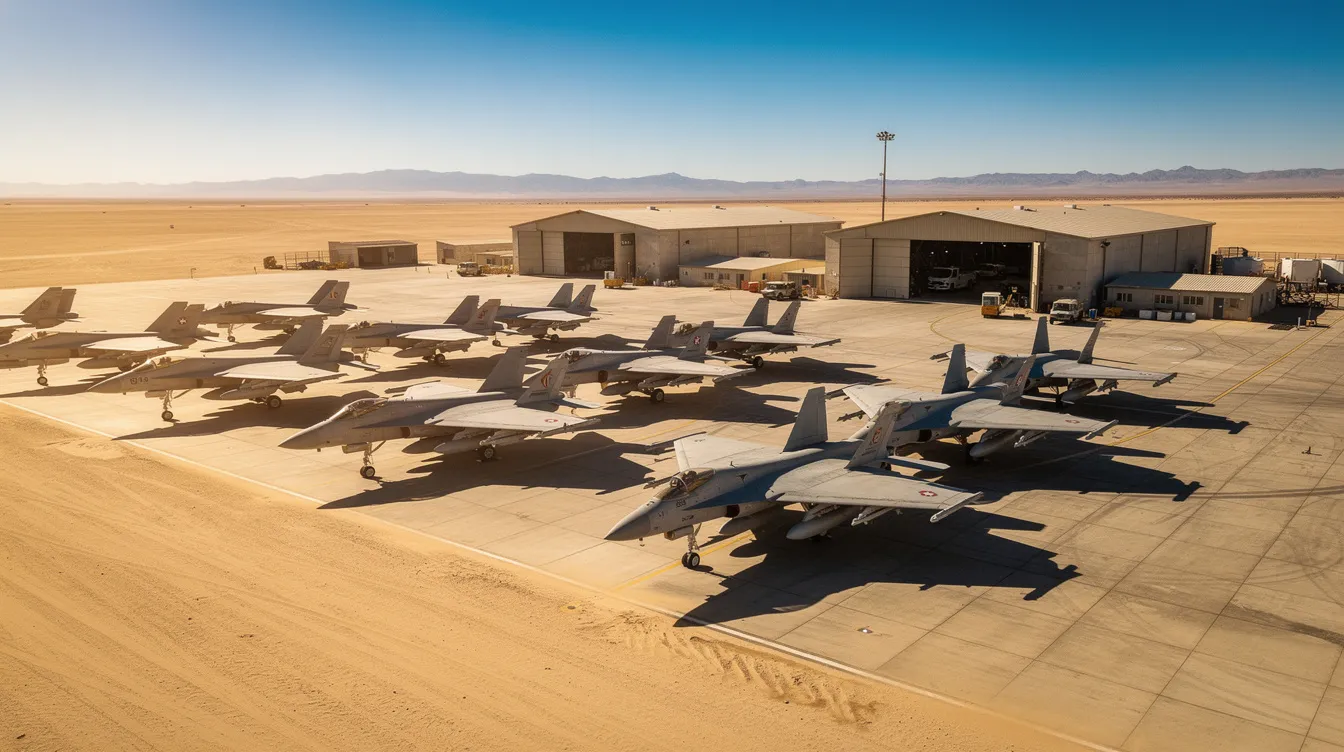
Thumrait Air Base is not normally accessible to civilian travelers. Access to the air base itself requires prior coordination with Omani military authorities, and official missions may involve diplomatic, military, or government channels.
Most travelers use Salalah International Airport, about 70–80 km south by road. Salalah offers scheduled flights, passenger facilities, customs, handling, and a long runway suitable for private jet arrivals, which you can easily identify using Jettly’s airport locator tool. Smaller regional strips, such as Marmul-area fields, may have infrastructure limitations and depend on current regulations.
Jettly can route passengers into Salalah or another approved airport, then coordinate ground vehicles or helicopter transfer toward Thumrait, oilfield infrastructure, or government sites; travelers connecting onward to the capital may find it useful to review Jettly’s private jet charter services in Muscat, while those planning U.S. trips may also benefit from exploring private jet charter services in Atlanta, Georgia. For more information or to browse activities related to flying near Thumrait Air Base, please visit our dedicated page.
Jettly is useful for travelers who need flexible access to southern Oman for business trips, oil and gas visits, family travel, or government-related movement, and its guidance on affordable private jet charter and overviews of the cheapest private aircraft options for different budgets can help balance comfort with budget; for cross-border itineraries, understanding how private jets fly internationally and the regulations involved is equally important. Because Thumrait Air Base, Oman, is military-only, most Jettly customers fly into Salalah.
Aircraft choices depend on route and payload; Jettly’s global fleet of private charter aircraft covers everything from turboprops to ultra-long-range jets, reflecting offerings from leading private plane manufacturers across budgets and mission profiles:
|
Need |
Typical option |
|---|---|
|
Muscat or Gulf regional hop |
Turboprop or light jet |
|
Dubai, Doha, Abu Dhabi, to Dhofar |
Light or midsize jet |
|
Europe or Asia to Oman |
Super-midsize or heavy jet |
Jettly offers instant digital pricing through its private jet charter cost estimator and dedicated jet card flight cost estimator, access to more than 20,000 aircraft, transparent charter costs informed by a detailed understanding of how much a private jet really costs to own or charter, and support for ground or helicopter transport. A corporate team might fly from Dubai to Salalah for a site visit; a family might fly from Europe to Muscat, then continue privately to Dhofar, drawing on industry overviews like the ultimate list of charter airlines and private flight options when evaluating operators.
Learn more about Jettly’s charter options and private jet memberships, explore its ULTRA high ticket affiliate program for partners promoting private travel services, or review how to crowdsource private jet flights and share empty seats through Jettly at https://www.jettly.com.
Dhofar requires careful planning. Summer inland temperatures can exceed comfortable operating ranges, affecting aircraft performance, so early morning or evening schedules may help, and coordinating in-flight catering for private jets around cooler departure windows can improve passenger comfort.
Travelers should allow extra lead time when trips involve military authorities, oilfield operators, or government entities. Jettly works with licensed operators that comply with Oman civil aviation rules and international safety standards, and frequent flyers may prefer structured jet card programs to manage recurring missions while reviewing how single-flight private jet pricing is typically structured to forecast costs accurately or evaluating Jettly as a flexible NetJets alternative for frequent travel.
Environmental awareness also matters. Selecting the right aircraft size, avoiding inefficient repositioning, and considering carbon offset options can reduce waste, while choosing compliant Part 135 charter companies or their local equivalents helps ensure safe and legal operations, and consulting a guide to the best private jet charter companies and how to compare them—including industry leaders such as NetJets and its fractional ownership model—can further refine provider selection.
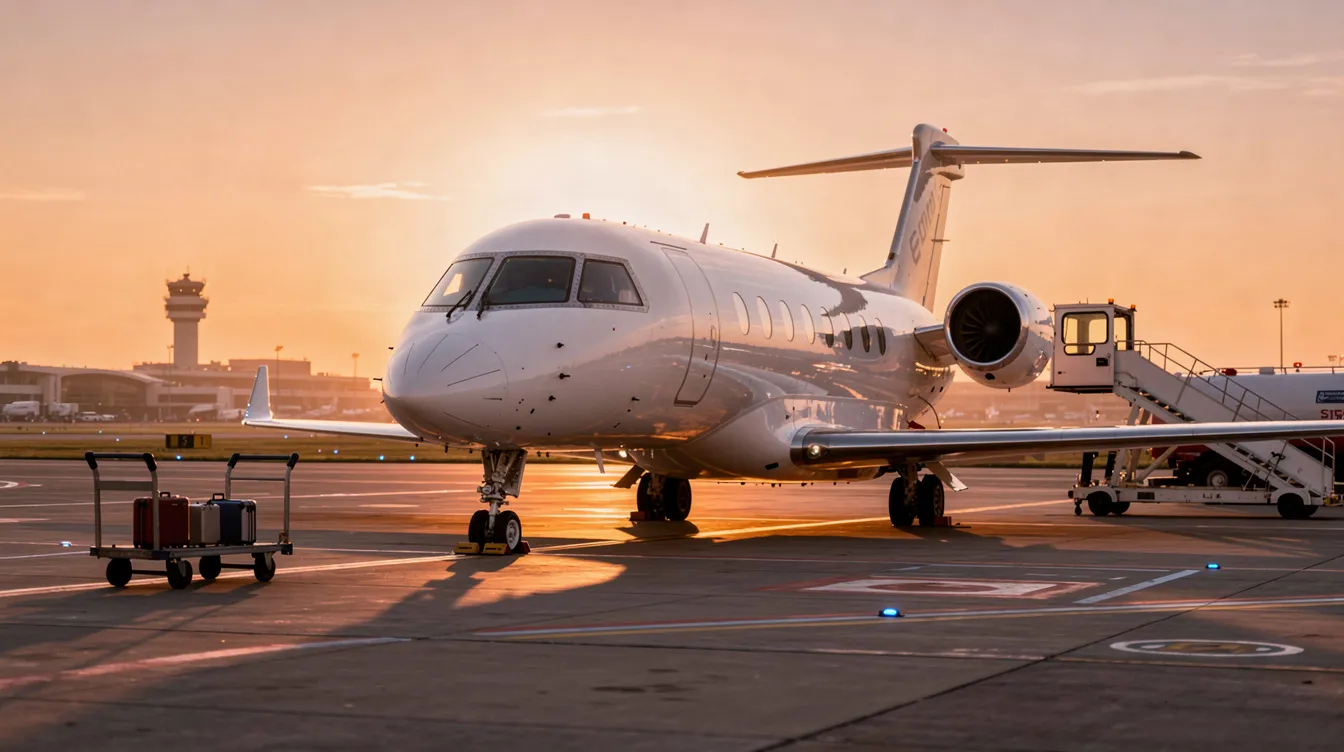
Usually no. Thumrait Air Base is a Royal Air Force of Oman military installation with no routine civil traffic. Any exception is case-by-case through official channels, not standard consumer booking.
Thumrait is roughly 70–80 km north of Salalah, typically about one hour by road. Jettly can help coordinate chauffeured vehicles or, where available, helicopter transfers.
RAFO Thumrait supports Royal Air Force of Oman fast jets, visiting UK Royal Air Force units, U.S. logistics, reconnaissance, exercises, and war reserve materiel. Allied operations from Thumrait help ensure a rapid response to regional conflicts and monitor maritime shipping routes.
Some information appears on aviation databases, official pages, and defense website sources such as SKYbrary and RAF news. Public photos are limited because the site is military; travelers should keep a copy of approvals when access is granted by His Majesty’s authorities.
Use Jettly to compare aircraft, get pricing, and book flights to Salalah or another accessible Omani airport; travelers focused on budget can also study tips for booking the cheapest private jet flights and detailed advice on how to buy a seat on a private jet through shared or semi-private options to optimize routing and timing. For complex missions, Jettly support can help plan the full route.
Thumrait Air Base, Oman, remains a military hub, but private travelers can still reach the wider area efficiently through the right civil airport and by understanding how much it typically costs to rent a private jet for routes into Oman and how to get a seat on a private jet easily using memberships, empty legs, or flight-sharing platforms. Ready to plan travel on your terms? Explore flight options or request a quote at https://www.jettly.com.
Thumrait Air Base, Oman, plays a vital role as a strategic military hub in the Dhofar region, supporting regional security, multinational exercises, and allied operations. While civilian access to the base is restricted, travelers can efficiently reach southern Oman via nearby airports like Salalah International Airport. Jettly offers flexible private jet charter solutions to the Thumrait region, providing access to a wide range of aircraft, transparent pricing, and expert support for complex travel needs. Whether for business, government missions, or leisure, Jettly simplifies private travel in this strategically important area.
Ready to experience private travel on your terms? Explore flight options or request a quote at https://www.jettly.com.
Share this post:
Jay Franco Serevilla
May 18, 2026
|
5
min read
Discover tips and trends in the industry.
5
min read
Widebody Airliners: Twin Aisle Aircraft, Iconic Jets, and Long-Haul Travel
Widebody airliners, also known as twin-aisle aircraft, are crucial for long-haul travel, accommodating 200 to 850 passengers. This guide explores their evolution, key models, and how they enhance passenger comfort while connecting global cities. Discover how private jet charters complement these commercial flights for seamless travel experiences.
Read More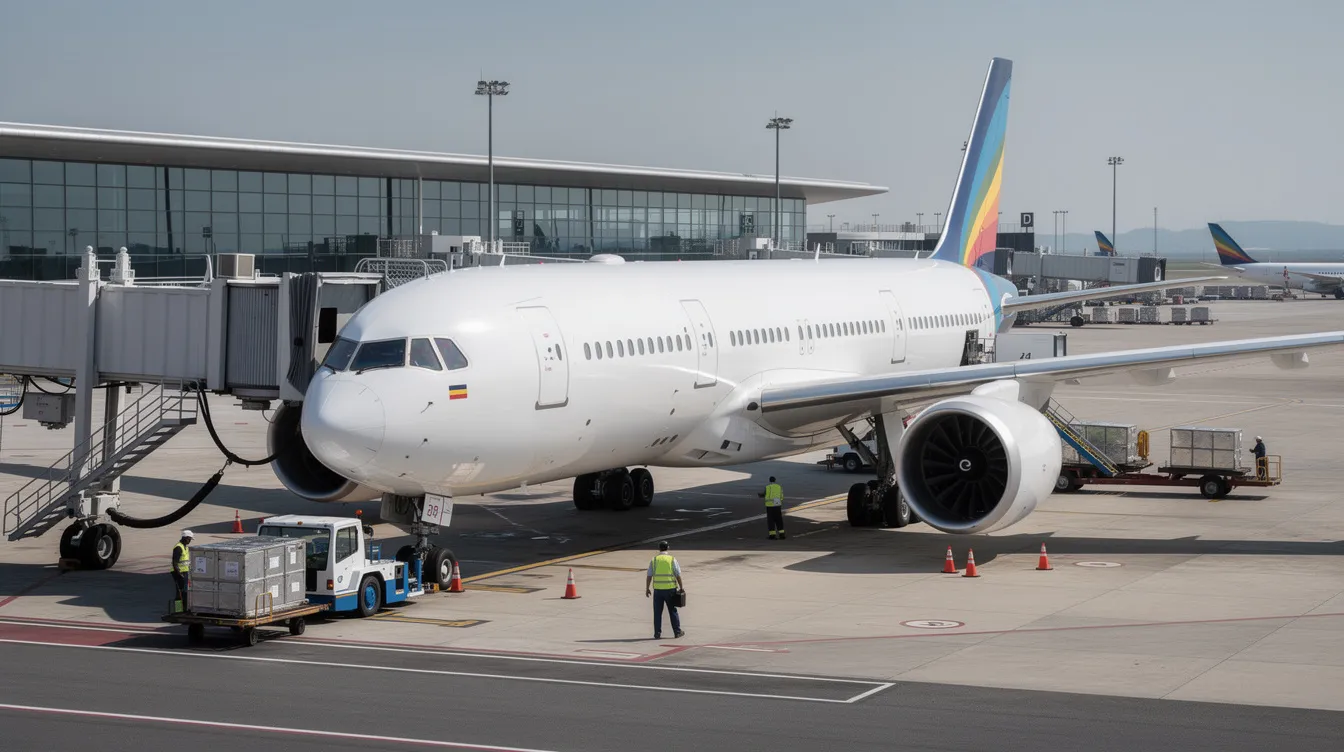
5
min read
Size of Boeing Planes: From 737 MAX to the Largest Boeing Aircraft
Boeing planes vary significantly in size, from the compact 737 MAX to the expansive 747-8. Understanding these dimensions helps travelers make informed decisions about comfort and capacity, whether flying commercially or considering private jets. This guide details the key metrics of Boeing aircraft, aiding in the selection of the right plane for any journey.
Read MoreStay updated with our latest insights and tips to elevate your journey with us.
MEMBERSHIPS AND ASSOCIATIONS



Disclaimer: Jettly operates as a charter broker, offering access to a global digital jet charter marketplace. Jettly is not a direct air carrier and does not own or operate aircraft. All advertised flights are conducted by third-party air carriers that are fully licensed and hold the appropriate Part 135 or Part 121 certifications issued by the Federal Aviation Administration (FAA) or equivalent regulatory authorities under U.S. or foreign law. Jettly complies fully with the U.S. Department of Transportation's Part 295 and Part 298 Charter Broker regulations. Jettly does not carry additional liability insurance. Passengers are covered by aircraft operator insurance. TICO: 50023770


