


Login
Get Instant Pricing On 23,000+ Aircraft

>

Flying private is often seen as an exclusive luxury, but many travelers overlook the cost-saving potential of splitting private jet costs. Sharing a charter among a group allows passengers to enjoy the benefits of private aviation—flexibility, privacy, and convenience—at a fraction of the usual expense. This approach is ideal for families, business teams, or groups of friends traveling together who want to avoid the hassles of commercial airlines without the full financial commitment of owning or leasing an aircraft.
This article explores how splitting private jet costs works, what expenses are involved, and practical tips for organizing a shared flight. It also highlights how digital platforms like Jettly simplify the process by offering transparent pricing and access to thousands of private charter aircraft worldwide. Whether you’re planning a business trip, a weekend getaway, or a special event, understanding how to share charter costs can make private jet travel more accessible and affordable.
Splitting a private jet cost among 4–12 travelers can reduce individual spend by 40–70% compared to chartering solo, with per-person costs on routes like New York–Miami typically ranging from $1,500–$3,000 when shared on a light jet.
Total charter prices include base hourly rates plus taxes, landing fees, handling, and positioning—adding 20–40% above headline rates—so transparent, all-in quotes matter before dividing the bill.
Popular routes like Los Angeles–Las Vegas, London–Nice, and Toronto–Vancouver become accessible to groups when costs are shared, often rivaling or beating last-minute business-class fares.
All examples in this article assume regulated charter operators (FAA Part 135 in the U.S. or EASA equivalents in Europe) sourced via digital marketplaces like Jettly.
Readers will find example calculations, typical price ranges by aircraft type, and step-by-step guidance on organizing a shared flight.
Splitting private jet cost means booking an entire aircraft through an on-demand private jet charter, then dividing the total price among friends, colleagues, or fellow travelers rather than purchasing individual airline seats. This approach differs fundamentally from commercial flying, where each passenger buys their own ticket.
The focus here is on chartering through a marketplace like Jettly—not on aircraft ownership or long-term fractional ownership contracts that require significant capital. Fractional jet ownership costs typically involve a formal agreement lasting several years, while chartering allows for on-demand access without long-term commitments, making it more suitable for infrequent flyers; readers considering ownership can review fractional private jet ownership pros and cons before deciding.
Consider a practical example: eight colleagues share a March 2026 New York Teterboro–Miami Opa-locka flight on a light jet. The total charter cost comes to approximately $18,000. Divided equally, each person pays around $2,250—often less than a last-minute business-class fare on the same route.
This article uses U.S. dollar prices and 2024–2026 market conditions, with examples from North America and Europe, where private jet travel sharing is most common. For instant pricing and aircraft options, readers can explore Jettly’s charter platform, while those evaluating ownership versus charter can review a complete breakdown of private jet operating costs.
A typical private jet charter ranges from approximately $2,000 to $15,000+ per flight hour, depending on aircraft size and model. Larger, newer, or more luxurious jets have higher hourly rates due to increased fuel consumption and maintenance needs. Smaller light jets or turboprops offer lower hourly rates, with Very Light Jets (VLJs) designed for short regional flights accommodating 2 to 4 passengers and costing around $2,500 to $3,500 per flight hour. Light Jets seat up to eight passengers with ranges of about 1,500 to 2,000 nautical miles, costing $3,500 to $5,000 per hour. Ultra-Long-Range Jets accommodate 12 to 18 passengers, with ranges exceeding 7,000 nautical miles and charter costs typically starting at $10,000 to $20,000 per hour, ideal for international travel.
When that total is divided among 4–12 passengers, individual costs drop dramatically.
Here’s how splitting works in practice across common routes:
|
Route |
Aircraft |
Flight Hours |
Total Charter Cost |
Per Person (4 pax) |
Per Person (8 pax) |
|---|---|---|---|---|---|
|
New York–Miami |
Light Jet |
2.5–3 hrs |
$15,000–$18,000 |
$3,750–$4,500 |
$1,875–$2,250 |
|
Los Ángeles–Las Vegas |
Light Jet |
2 hrs (min) |
$8,000–$10,400 |
$2,000–$2,600 |
$1,000–$1,300 |
|
London–Ibiza |
Super Midsize |
2.5 hrs |
$22,000–$28,000 |
$5,500–$7,000 |
$2,200–$2,800 |
|
Chicago–Dallas |
Midsize Jet |
2–3 hrs |
$15,000–$25,000 |
$3,750–$6,250 |
$1,875–$3,125 |
Most charters enforce a 2-hour minimum. Even short hops like Los Angeles–Palm Springs (under one hour actual flight time) get billed as two hours. This minimum covers operator fixed costs and must be factored into any split calculation.
Total price includes more than just the base hourly rate. Taxes, landing fees, handling charges, and sometimes crew overnights can add 20–40% above the headline figure. The U.S. Federal Excise Tax (FET) is a mandatory 7.5% tax applied to all domestic flight legs. Fuel surcharges often add $600 to $900 per hour, depending on current market prices. Landing and handling fees typically range from $150 to $1,500 per airport, with prices spiking by 30% or more during peak times like holidays or major events. Jettly’s instant-pricing tools estimate all-in costs before travelers divide the bill, reducing surprise charges and helping travelers understand the cost of a private flight from end to end.
Another way to reduce costs is through empty-leg flights. These are repositioning flights where an aircraft must fly without passengers to reach its next scheduled pickup location. Operators sell these seats at discounts of 25–75% off standard charter rates to offset the cost of flying an otherwise empty cabin. Travelers with flexible itineraries benefit most from empty leg flights, as these flights are operator-driven and can have changing departure times, routes, and availability. Empty leg flights can provide significant savings for travelers, often offering discounts of up to 75% off the cost of a regular charter, making them an attractive option for those willing to be flexible with their travel plans.
Understanding what goes into the total charter cost helps groups make informed decisions about how to share expenses, and tools like Jettly’s private jet charter cost estimator can clarify these numbers before you divide them, while a deeper dive into one flight cost, private jet pricing, and private jet lease cost comparisons can help long-term planners choose the right access model.
Base hourly aircraft rates by category (2024–2026 ranges)
Turboprop (6–8 passengers, e.g., King Air): $2,000–$3,000/hour
Very light jet (2–4 passengers): $2,750–$3,500/hour
Light jet (6–7 passengers): $2,900–$5,000/hour
Midsize jet (8–9 passengers): $4,300–$7,500/hour
Super midsize jet (8–10 passengers): $5,100–$6,500/hour
Heavy jet (10–16 passengers): $6,800–$9,500/hour
Ultra long range (12–16 passengers): $10,000–$14,000/hour
VIP airliners and Boeing Business Jet configurations: $16,000–$23,000+/hour
Positioning and repositioning fees cover empty legs when the aircraft must fly to your departure airport. The total billable time for private jet rentals often includes the cost to fly the empty jet to the pickup location. On routes like New York–Boston or Milan–Nice, choosing a nearby aircraft through Jettly can reduce or eliminate these costs entirely.
Taxes and regulatory charges include the U.S. Federal Excise Tax (7.5%) plus per-segment fees ($4.50–$21.50). These apply to the total invoice before splitting.
Airport charges for landing, ramp, and handling vary significantly. Large hubs like JFK, LAX, or Heathrow cost 2–3 times more than secondary airports like Teterboro, Van Nuys, or Biggin Hill. A dedicated airport locator tool for private charters makes it easier to identify cost-effective alternatives, and fees at airports can range from $500 to $5,000+ per stop.
Crew costs include overnights ($500–$1,000/night) and per diems ($100–$200/day) for multi-day trips. These impact extended itineraries that groups might share for ski weekends or destination events.
Optional extras like gourmet catering ($50–$200/passenger), specialized crew, Wi-Fi surcharges ($1,000–$3,000 on larger jets), and premium ground transportation can add high extra costs to private jet travel. These can be split equally or allocated by usage—whatever the group agrees upon.
Real numbers help illustrate when splitting a private charter makes financial sense.
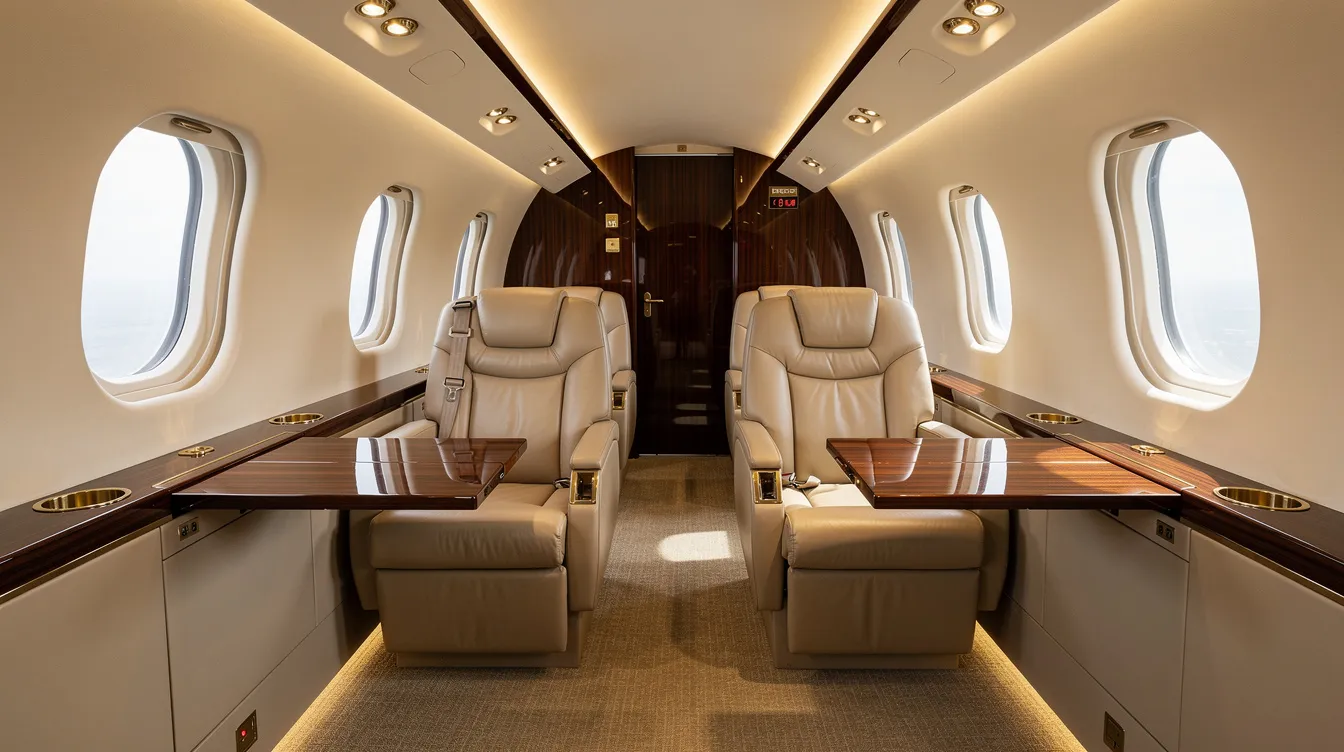
A group of eight friends books a light jet from Van Nuys (VNY) to Las Vegas Harry Reid (LAS) for a weekend trip. The round-trip bills at the 2-hour minimum each way (4 hours total) at approximately $4,000/hour:
Base cost: $16,000
All-in with fees: $19,000–$21,000
Per person (8 travelers): $2,375–$2,625
Per person (4 travelers): $4,750–$5,250
For eight travelers, individual costs approach what peak business-class tickets run on commercial airlines—with none of the airport lines or fixed schedules.
An executive team of six flies from Teterboro (TEB) to Chicago Midway (MDW) on a midsize jet in late 2025. Flight duration is approximately 3 hours at $6,000/hour:
Base cost: $18,000
All-in with fees: $21,600–$23,400
Per person (6 executives): $3,600–$3,900
Per person (8 executives): $2,700–$2,925
The time savings alone—skipping congested airports, security lines, and delays—often justifies the cost for business travelers.
Ten friends charter a super midsize jet from London Luton (LTN) to Ibiza (IBZ) for a long weekend. Flight time is approximately 2.5 hours at $8,000/hour:
Base cost: $20,000
All-in with fees: $24,000–$28,000
Per person (10 travelers): $2,400–$2,800
Per person (8 travelers): $3,000–$3,500
During summer peak season, this per-person cost competes directly with last-minute business-class fares on commercial flights to the same destination.
Jettly’s platform allows users to compare multiple aircraft and departure times for the same route, showing how different jet sizes or airports affect each person’s share, and resources on affordable private jet charter pricing and affordable airplane rent options can further help groups benchmark their expected costs.
Several models exist for dividing charter flight expenses, each suited to different group dynamics.
The simplest approach: total cost divided by headcount. Eight relatives sharing a Toronto–Vancouver midsize jet for Christmas 2026 (approximately 3.5 hours at $5,500/hour, totaling $28,000–$30,000 all-in) would each pay $3,500–$3,750. Everyone pays the same amount regardless of luggage or seat selection.
A company covers all or most of the total charter cost while guests or partners contribute a portion. This structure works well as a documented corporate travel expense, especially for investor meetings, client events, or board travel, and some firms even leverage a high-ticket travel affiliate program to monetize referrals when partners or clients book their own flights or memberships.
Informal flying groups and travel clubs often use platforms that crowdsource private jet flights and share empty seats, and apply strategies for getting a seat on a private jet easily to keep per-person pricing low and maximize aircraft use.
Regular travelers on specific routes—such as New York–Aspen during ski season—form groups that share specific itineraries repeatedly. These clubs often use shared spreadsheets or travel apps to track commitments, payments, and preferences, similar in spirit to fractional ownership aircraft arrangements like Cessna 172 programs, where recurring users coordinate usage and costs.
Some Jettly users coordinate through their own networks (clients, investors, sports teams) to fill remaining seats once primary travelers are confirmed. Adding two to four passengers to a partially booked charter lowers everyone’s per-person rate.
Groups should agree upfront whether costs are split evenly per passenger or per share of cabin usage. If one traveler books two seats for extra space or oversized luggage, that person would pay double their share. Clear agreements prevent disputes later.
Jettly operates as a digital marketplace that simplifies splitting private jet costs through transparency, instant pricing, and extensive aircraft choice.
The platform connects travelers to over 20,000 unique private aircraft worldwide. A group organizer can source multiple quotes for the same trip and select the best-value option to share among travelers.
Instant pricing tools display estimated total cost upfront—including taxes and typical fees—making it straightforward to divide the amount among 4–12 travelers before anyone commits, and a dedicated jet card flight cost estimator can help compare per-seat pricing on card-based travel versus ad hoc charter splits.
Jettly offers both on-demand charter and private jet memberships. Jet card programs offer a prepaid option for frequent flyers, providing fixed hourly rates and guaranteed aircraft availability, making them a popular choice for those who fly regularly but do not want the full commitment of ownership. You can dive deeper into what a jet card is, its costs, and its benefits. Cost-conscious groups can compare ad hoc pricing against membership benefits if they anticipate flying multiple times per year.
The platform emphasizes transparent, itemized quotes from regulated operators, helping organizers justify and document each traveler’s share. All operators are vetted for certifications and safety ratings, much like the vetted providers listed in broader guides to charter airlines and private flight options, and detailed explainers on Part 135 charter companies and why they matter.
Explore aircraft categories, routes, and real-time pricing at Jettly.com to start planning a shared charter.
Planning a group charter requires coordination. Here’s a practical checklist for trip organizers:
Establish route and dates (e.g., New York–Nassau in February 2026), headcount, and luggage requirements. This determines whether a light, midsize, or heavy jet is appropriate. Larger aircraft accommodate more passengers but cost more per flight hour.
Use Jettly to get 2–3 instant price options for the same itinerary across different aircraft categories and departure airports. Capture total estimated costs for comparison.
Choose an aircraft type and schedule based on per-person cost, cabin comfort, and flight duration. Share the final price and cost split with all potential travelers for confirmation.
Secure binding commitments or payments from each participant before signing the charter agreement or placing any deposit with the broker or operator. The organizer typically holds the contract.
Arrange catering preferences, ground transportation to and from FBOs, and any special requests (pets, medical equipment, sports gear). Specify how these additional costs will be divided among the group.
Distribute a single document with the departure airport, FBO address, security requirements, and baggage limits. Ensure everyone arrives prepared for a smooth departure.
After travel, compare any variable costs (extra catering, itinerary changes, de-icing in winter) against the original estimate. Adjust each traveler’s share if needed.
Understanding trade-offs helps travelers decide if cost-sharing suits their situation.
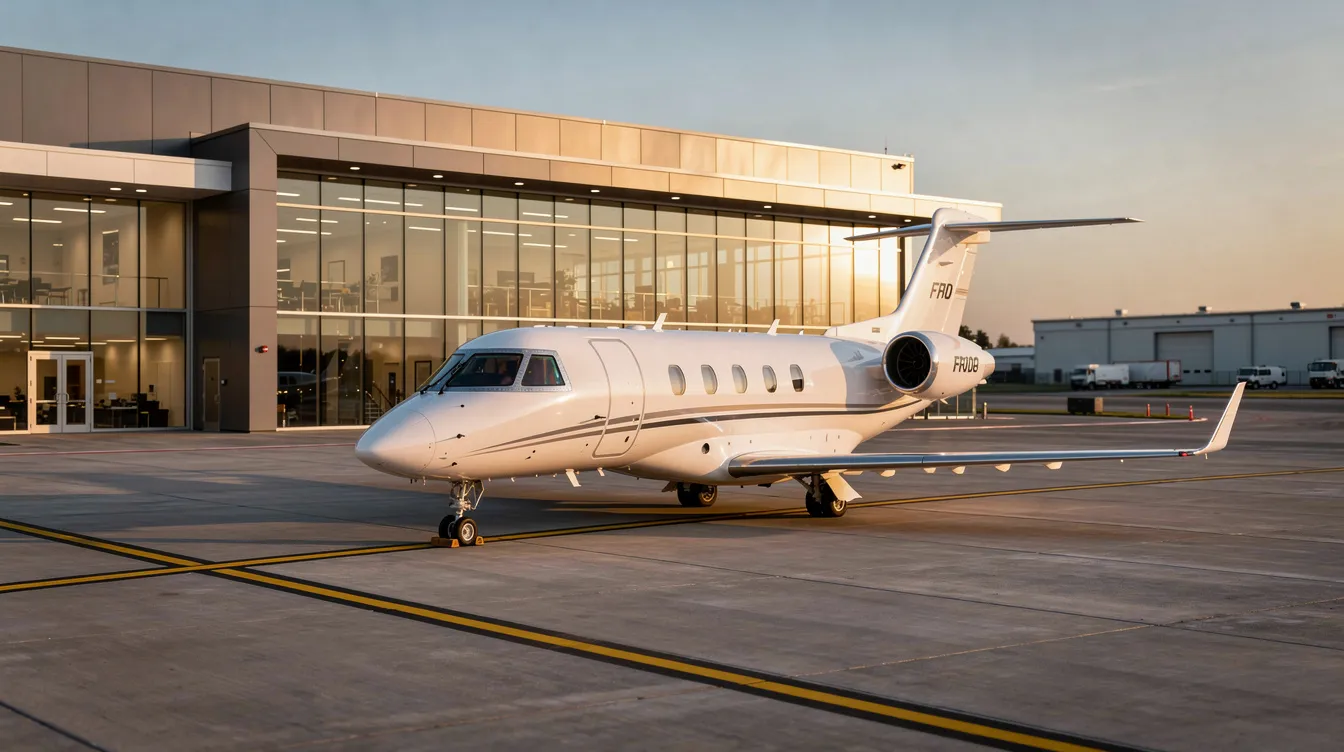
Significant per-person savings (40–70%) compared with solo charter or flying private alone
Full control over schedule, route, and departure times—no fixed airline timetables
Access to smaller regional airports closer to final destinations, avoiding crowded airports
Privacy for known groups (executive teams, families, sports teams, boards)
Flexibility to choose aircraft type per trip—turboprop for short regional flights like Boston–Martha’s Vineyard, or larger aircraft for long-haul flights like Los Angeles–Honolulu
One organizer usually bears administrative work: collecting payments, handling contracts, coordinating changes
Disagreements can arise if plans change or someone cancels late, leaving others to cover the difference
Less suitable for solo travelers or couples without a reliable group—they may benefit more from empty leg flights or semi-private services
Requires advance planning and group coordination that commercial airlines don’t demand
How much a private jet costs depends on factors like aircraft size, age, and usage, but private jet ownership always allows individuals to fly at their convenience without the constraints of commercial flight schedules, while coming with significant financial commitments, including purchase price, maintenance, and operating costs. Fractional jet ownership typically requires a formal agreement lasting several years, while chartering offers on-demand access without long-term commitments, making it more suitable for infrequent flyers. The best jet card programs offer prepaid options for frequent flyers, providing fixed hourly rates and guaranteed aircraft availability, making them a popular choice for those who fly regularly but do not want the full commitment of ownership.
Cost-splitting on-demand charters through platforms like Jettly is ideal for occasional but high-impact trips—without the commitment of aircraft ownership or your own private jet—and complements insights on choosing the best private jet charter companies and top private plane manufacturers for every budget for your needs.
Strategic choices can meaningfully reduce what each traveler pays.
Fly from Teterboro instead of JFK, Van Nuys instead of LAX, or White Plains instead of LaGuardia. Landing fees and handling at smaller airports run significantly lower than at congested hubs.
Midweek, midday departures outside major holidays avoid 20–40% peak demand surcharges common around Christmas, Thanksgiving, Super Bowl, and Art Basel, and understanding how XO charter flights structure their pricing and memberships can provide a useful benchmark when comparing alternatives.
Filling 6–7 seats on most light jets or 8–10 seats on a midsize jet yields the best per-person pricing without paying for unused space on larger jets.
Flexibility allows brokers to source aircraft requiring little or no repositioning. Eliminating ferry-leg costs benefits everyone, splitting the bill.
Fewer stops, direct routing, and consolidating trips into single out-and-back charters within 24 hours avoid crew overnights and additional operational costs.
Flexible groups can anchor a shared trip around a discounted repositioning flight or explore the cheapest private aircraft options for their budget. Empty leg deals through Jettly can save 30–70% on one-way segments.
Standard snacks and drinks versus fine dining make a difference. Minimizing last-minute changes prevents unplanned fees on the shared invoice.
Splitting costs does not mean compromising on safety or professionalism.
Book through FAA Part 135 certified carriers in the U.S. or EASA-approved operators in Europe. Vetted marketplaces like Jettly, which many travelers consider a smart NetJets alternative after reading in-depth guides to NetJets and its services, source only from regulated providers—avoid informal “grey market” arrangements.
Group organizers should obtain proof of operator certification, insurance coverage, and safety ratings (ARGUS, Wyvern, or equivalent). Share this information with all passengers for transparency.
In many jurisdictions, reselling seats at a markup triggers regulatory issues. Groups should share costs among known parties, not run commercial operations unless done through a compliant provider.
Arrive at the FBO 20–30 minutes before departure. Respect luggage limits. Coordinate documentation (passports, visas) and any pet or equipment needs in advance.
One person should communicate with the broker or operator to avoid conflicting instructions about changes that affect cost and schedule.
Some operators offer carbon offset programs or sustainable aviation fuel (SAF) options. Groups can choose to fund these collectively, typically adding 5–10% to the flight cost, and broader guides to affordable airplane rent and access models often factor sustainability into long-term planning.
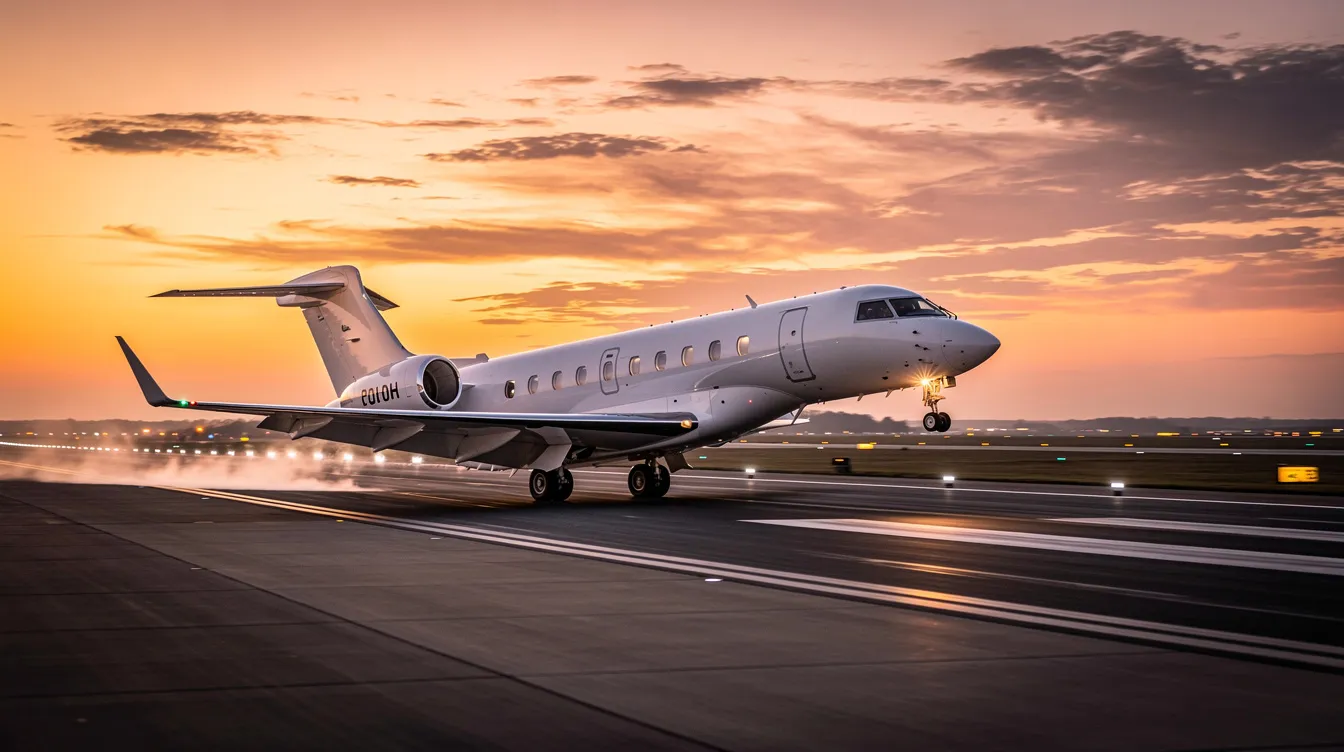
In most countries, only licensed air carriers can commercially sell seats to the public. Private individuals chartering an entire plane generally must avoid reselling at a profit. Cost-sharing among known parties—friends, colleagues, club members—is typically permissible, but public seat resale crosses into regulated territory.
Anyone considering broader seat-sharing should consult local aviation regulations or a qualified attorney. Compliant semi-private models, such as those used when you buy a seat on a private jet, must operate through licensed carriers or approved platforms, not informal social media arrangements.
The charter contract exists between the organizer and the operator. If someone drops out, the total price remains unchanged—leaving the remaining travelers to cover the difference or find a replacement.
Groups should establish written agreements before booking that address cancellation rules: replacement passenger requirements, forfeited share policies, or refund terms. For high-value trips, travel insurance may cover certain cancellation scenarios for named travelers.
Per-person cost often ends up lowest when a smaller aircraft is close to full capacity. Six people on a light jet or 8–9 on a midsize jet typically yield better per-person pricing than partially filling a heavy jet.
Jettly’s comparison tools let users evaluate scenarios—such as 6 seats on a light jet versus 10 seats on a super midsize jet—based on total cost divided by actual passengers. Larger jets make sense when groups exceed 10–14 passengers or require long, nonstop international flights.
Multi-stop itineraries are possible, but add flight time, landing fees, and complexity—raising the total price everyone shares. Each additional stop increases crew costs, fuel surcharges, and variable costs.
For cost control, groups typically converge at a single departure point and fly to a single destination, then connect locally via ground transportation or short regional flights. If multiple stops are essential, the organizer should obtain detailed, itemized quotes and share incremental leg costs transparently.
Sharing the cost does not change safety standards, crew qualifications, or maintenance requirements. Operators sourced through platforms like Jettly follow identical operational rules regardless of how passengers divide the bill.
The main differences are organizational—how payments are handled and decisions made within the group, not in the safety, luxury amenities, or professionalism of the private flight itself. A shared flight receives the same service as one paid for by a single traveler.
For groups of 4–12 travelers on popular routes, choosing to split private jet cost brings individual pricing close to—or even below—last-minute business-class fares while delivering far more flexibility, privacy, and time savings.
Transparent, itemized quotes and accurate cost breakdowns are essential when sharing expenses. Digital platforms like Jettly provide this clarity by default, eliminating hidden fees and surprise charges.
Splitting a charter works especially well for executive teams, sports squads, extended families, and event-bound groups where time, privacy, and reliable schedules matter more than the cheapest possible ticket, and many travelers compare shared charter flights vs. full charters alongside other ways of getting a seat on a private jet easily and exploring the cheapest private aircraft options by budget before deciding how to structure their trip.
Chartering a private jet no longer requires chartering alone. With the right group and proper planning, flying private becomes a cost-effective alternative to commercial airlines.
Ready to experience private travel on your terms? Explore flight options or request a quote at Jettly.com and see how sharing a charter can fit your budget.
Share this post:
Jay Franco Serevilla
Apr 22, 2026
|
5
min read
Discover tips and trends in the industry.

5
min read
Travel Insurance Airfare: How Flight Insurance Works for Private and Commercial Air Travel
Travel insurance for airfare is crucial for protecting your investment in non-refundable tickets against cancellations and delays. Whether you're flying commercially or chartering a private jet, understanding the nuances of flight insurance can save you from significant financial loss. This guide covers what flight insurance entails, its benefits, and when it's worth purchasing.
Read More
5
min read
Vonlane vs. Private Jet Charter: How Luxury Motorcoach Travel Compares to Jettly
This article compares Vonlane, a luxury motorcoach service in Texas, with Jettly, a private jet charter platform. While Vonlane offers a comfortable and convenient ground travel experience, Jettly provides flexibility and privacy for air travel. Discover which option suits your travel needs best.
Read MoreStay updated with our latest insights and tips to elevate your journey with us.
MEMBERSHIPS AND ASSOCIATIONS



Disclaimer: Jettly operates as a charter broker, offering access to a global digital jet charter marketplace. Jettly is not a direct air carrier and does not own or operate aircraft. All advertised flights are conducted by third-party air carriers that are fully licensed and hold the appropriate Part 135 or Part 121 certifications issued by the Federal Aviation Administration (FAA) or equivalent regulatory authorities under U.S. or foreign law. Jettly complies fully with the U.S. Department of Transportation's Part 295 and Part 298 Charter Broker regulations. Jettly does not carry additional liability insurance. Passengers are covered by aircraft operator insurance. TICO: 50023770


