



Login
Get Instant Pricing On 23,000+ Aircraft

>
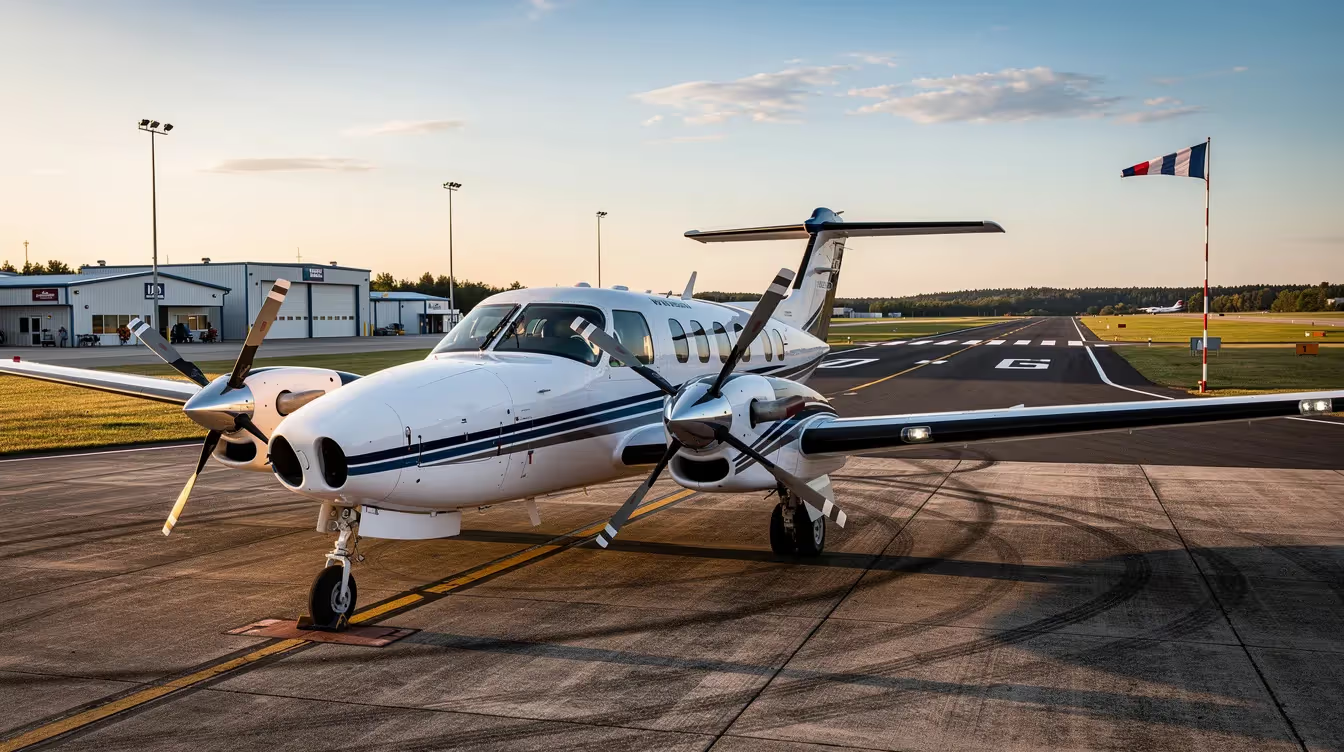
The Socata TBM 700, often called the Socata TBM7 or Socata TBM, is a benchmark high-performance turboprop in business aviation. This guide is designed for private charter travelers considering the Socata TBM 700 for their next trip. It covers the aircraft's features, performance, charter process, and how it compares to other private aircraft, helping you decide if the TBM 700 is the right fit for your travel needs. The TBM 700 is especially relevant for private charter travelers because it offers a unique blend of speed, efficiency, and access to smaller airports—making it an attractive option for those seeking flexible, cost-effective, and comfortable regional travel.
It is powered by a Pratt & Whitney PT6A-64 engine, also written pt6a 64, producing about 700 shp.
TBM International, formed by France-based SOCATA and U.S. firm Mooney, developed the aircraft after the Mooney 301 concept. The prototype first flight took place in July 1988, with FAA approval following in 1990 and service introduction around 1990–1991. Production of the TBM 700 began in October 1989.
During development, SOCATA and Mooney collaborated closely, but SOCATA decided to invest in its own support facilities for the TBM 700 rather than relying on third parties.
Although newer Daher variants exist, the TBM 700 remains active in the charter market because it balances speed, range, and price within Jettly’s broader portfolio of private charter aircraft. Jettly lets travelers view TBM options beside other aircraft with instant pricing. Learn more about Jettly’s charter options at https://www.jettly.com.
The Socata TBM7 is a fast, efficient single-engine turboprop for short- to medium-haul private flight. It reaches a maximum cruising speed of 300 knots true airspeed, with a typical range around 1,000–1,400 nm and certified range figures up to 1,300 to 1,550 nautical miles depending on payload and fuel configuration.
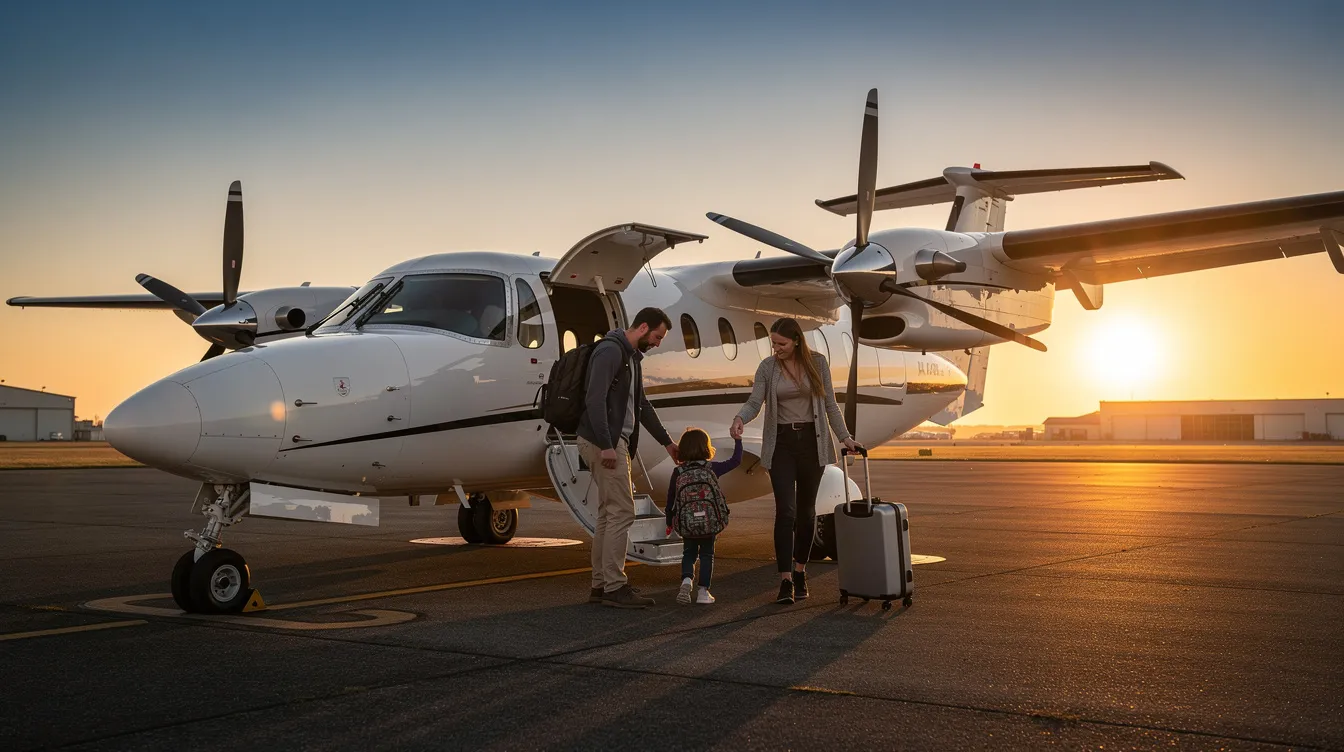
The plane usually offers 6 to 7 seats, including a 4-seat club arrangement in the rear and up to 2 seats in the cockpit. Its short-field performance helps passengers use airports that many light jets cannot access.
Through Jettly, travelers can compare and charter a TBM on-demand without ownership, jet card programs, or long contracts, and some frequent flyers may also explore how jet cards work, their costs, and benefits as part of a broader private aviation strategy.
The TBM 700 is a low-wing, all-metal aircraft with retractable tricycle landing gear. Its airframe is primarily flush-riveted aluminum monocoque, with advanced materials used in the tail surfaces and flight controls.
Key cabin and design points:
The nose-mounted pratt whitney engine makes the model compact and fast.
Cabin dimensions are 13.25 ft long, 4 ft wide, and 4 ft tall.
The main cabin cross-section is roughly identical to a Piper Malibu, which makes it structurally compact.
Standard equipment varies by operator, but charter interiors often include leather seats, fold-out tables, refreshment storage, and sometimes Wi-Fi, with some trips enhanced further by dedicated in-flight catering for private jets.
The cabin is equipped for pressurization and is best for small groups, such as a family of four on a weekend trip.
The aft baggage space can handle several bags, golf clubs, or skis when weight and fuel allow.
More detailed technical and operational information about the TBM 700's systems, engine specifications, and performance metrics is available for prospective buyers or operators, similar to broader guides that explain affordable airplane rental costs and options for different mission profiles and help choose the best personal plane for individual ownership.
The Socata TBM7 competes with some light jets on regional routes because it is faster than many turboprops and more efficient than many jets.
Core performance data:
|
Metric |
Typical figure |
|---|---|
|
maximum speed/cruising speed |
up to 300 ktas |
|
ceiling |
30,000 to 31,000 ft |
|
climb rate |
1,875 to 2,380 feet per minute |
|
fuel burn |
about 50–60 gallons per hour |
|
balanced takeoff field length |
roughly 1,378 feet at sea level |
|
landing distance |
about 2,135 to 2,430 feet |
|
max takeoff weight |
6,579 lbs to 7,394 lbs by model generation |
The TBM 700 has a maximum cruising speed of 300 knots true airspeed, which is greater than that of most twin-turboprop aircraft. Its range of 1,460 nautical miles with IFR reserves also makes it competitive with twin-engine aircraft and relevant in broader discussions about choosing the best cross-country plane for business or leisure travel.
The TBM 700's fuel flow is about half that of typical twin-turboprop aircraft, making it notably fuel efficient in terms of operating costs and performance, especially when viewed against a full private jet operating cost breakdown.
A 700–900 nm business trip can often be completed in about 3 hours, depending on winds, routing, and reserve requirements. The TBM 700 features a service ceiling of 30,000 to 31,000 feet, allowing pilots to climb above most regional weather systems. It also features a climb rate of between 1,875 and 2,380 feet per minute, supporting rapid ascent to cruising altitude. Strong climb performance lets pilots climb above most regional weather systems and much commercial traffic.
The TBM 700A was the original production version. The 700B added a larger cargo door and other utility improvements. The TBM 700C2 model increased the maximum takeoff weight from 6,578 to 7,394 lb (2,984 to 3,354 kg), allowing operators to carry both full fuel and maximum cabin occupancy.
The TBM 850, an improved version of the TBM 700, is powered by a Pratt & Whitney PT6A-66D engine, which is flat-rated at 850 shp (634 kW) for cruise flight, providing a higher cruising speed than earlier models. This move to more powerful engines helped shape later variants and sits alongside innovations from leading private plane manufacturers across different budgets.
The TBM 900 model can cruise at speeds approximately 14 knots (26 km/h) faster than the TBM 850, while also using less fuel and requiring shorter runway lengths. The TBM 900 model features 26 modifications over its predecessor, including in-house-designed winglets and a five-blade propeller, aimed at improving aerodynamics and performance.
Later Daher models, including the TBM 940 and TBM 960, added automation, updated avionics, and comfort refinements. EcoPulse, a hybrid-electric demonstrator based on the TBM platform, also shows how the type continues to support innovation.
The Socata TBM7 is ideal when speed, efficiency, and airport access matter more than a wide-cabin jet experience.
Common uses include, for both full charters and cost-conscious shared charter flight options, versus booking an entire aircraft:
Executive day trips such as Toronto–Chicago, Paris–Munich, or Los Angeles–Boise.
Family leisure flights to coastal resorts, ski towns, or island airports.
Multi-leg itineraries where passengers need to visit several cities in one day.
Medical or urgent transport missions, including patient movement or organ retrieval, are configured by operators for that purpose.
The TBM 700 serves as an efficient corporate shuttle for small businesses, providing rapid regional travel without the overhead of a twin-engine jet, and fits within the wider ecosystem of charter airlines and private flight providers that form part of the growing global fleet of private jets and business aircraft. The TBM 700 is also utilized extensively by the French military and defense forces for troop transport and utility roles.
A practical analysis starts with mission needs: distance, passengers, luggage, runway length, service expectations, and budget.
|
Aircraft type |
Cruise |
Range |
Passengers |
Cost profile |
|---|---|---|---|---|
|
TBM 700 |
up to 300 ktas |
1,300–1,550 nm |
up to 5 charter guests |
efficient |
|
Pilatus PC-12 |
slightly slower |
often longer with payload |
larger cabin |
Higher cabin utility |
|
Entry light jet |
faster in cruise |
similar regional range |
4–6 |
higher hourly cost |
Compared with twin turboprops like King Air models or other private charter aircraft, the TBM usually offers lower fuel burn but less engine redundancy and cabin volume. Travelers also need to consider how many people they’re flying with, drawing on guides to private jet passenger capacities by aircraft size. Compared with light jets, it is often cheaper and better at short-field operation, though jets may be faster on longer sectors.
Jettly’s marketplace lets users search for Socata TBM 700 aircraft globally alongside thousands of other options and locate suitable departure and arrival points with its airport locator tool.
A simple booking flow:
Create an account.
Enter route, dates, passenger count, and luggage.
Filter for turboprop or TBM aircraft.
Review instant pricing estimates.
Confirm operator details, aircraft condition, and itinerary.
Jettly connects travelers with vetted operators working under relevant approvals, such as FAA Part 135 charter companies or EASA AOC. The platform can help decide whether a TBM, a PC-12, or a jet is the better fit, complementing broader comparisons of top private jet charter companies for different service expectations and high-level overviews of how much private jets cost to own or charter.
Frequent flyers may compare on-demand charter with private jet membership options, including in-depth comparisons of the best jet card programs and providers and specific breakdowns of NetJets card costs and pricing tiers. On-demand works well for occasional trips; membership may help travelers who fly many hours each year.
Many travelers choose the Socata TBM 7 for its strong efficiency, especially when compared with other options outlined in guides to affordable private jet charter costs or tools like Jettly’s jet card flight cost estimator for one-way routes. The direct operating costs for the Socata TBM are approximately $2.48 per nautical mile. Variable hourly costs for operating a Socata TBM, including fuel and maintenance, can amount to approximately $620.80 per hour.
Annual fixed costs for operating a Socata TBM, based on 300 flight hours a year, can total around $117,621. Legacy upkeep matters too: the TBM 700 exhibits high legacy maintenance costs, with annual inspections ranging between $20,000 and $40,000, which can be relevant for those promoting or selling charter solutions through Jettly’s high-ticket affiliate partnership program.
Charter customers do not buy the plane or manage sales, values, insurance, inspections, or depreciation. They pay for the trip. Total price still depends on routing, positioning, airport fees, crew costs, de-icing, and current demand, which aligns with the variables highlighted in Jettly’s private jet charter cost estimator.
Because it is a single-engine turboprop, the TBM generally burns less fuel than many jets on similar routes. Some operators working with Jettly may also offer carbon offsetting or efficient routing advice, and cost-conscious flyers may even explore crowdsourced and shared private flights or detailed guides on how to buy a single seat on a private jet to reduce per-seat expenses.
Safety depends on aircraft design, maintenance, trained pilots, and regulated operation. The PT6A family has a long record in turboprop aviation, and operators support it worldwide.
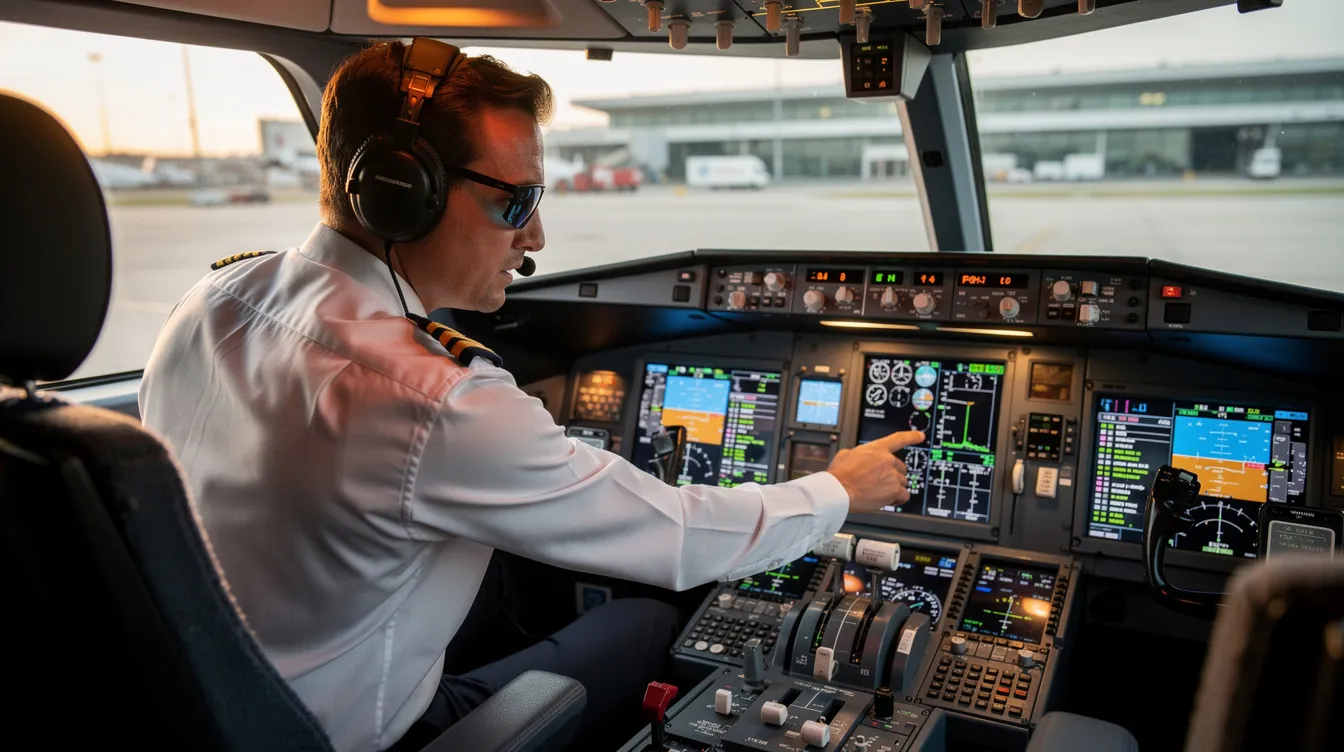
Avionics vary by year and update. Some TBMs have older EFIS or Bendix/King panels; others have Garmin navigation, weather radar, TCAS, and terrain awareness. A listing page may include photos, but travelers should confirm the actual panel and cabin with Jettly rather than relying on a bot-generated summary.
A balanced safety context is useful. The Aviation Safety Network reports a total of 93 accidents and incidents involving the Socata TBM series from November 15, 1991, to March 30, 2024, resulting in 84 fatalities. Among the TBM series, the TBM 700 has recorded 62 occurrences with 66 fatalities, while the TBM 800 series has had 33 occurrences with 12 fatalities, and the TBM 900 series has reported 17 occurrences with 6 fatalities.
By June 2018, the TBM fleet had logged a combined total of 1.6 million flight hours, indicating a significant operational history. For nervous flyers, the key is choosing certified operators with strong training, maintenance, and security standards.
A typical TBM 700 charter can carry several standard suitcases plus small carry-ons. With five passengers, medium-sized bags are more realistic than oversized trunks. Golf clubs or skis may work with advance notice.
Modern single-engine turboprops such as the Socata TBM 700 are built to strict certification standards, helping make it one of several viable ways to get a seat on a private jet easily without full ownership. Certified charter operators use trained pilots, maintenance schedules, and regulatory oversight. Jettly works with approved operators that meet applicable safety requirements and positions itself as a flexible NetJets alternative for flying private, complementing in-depth explainers that profile NetJets as an industry leader in private aviation.
New York to Chicago can take roughly 2–2.5 hours. Los Angeles to Aspen is around 2 hours, while Paris to Barcelona can be under 2 hours in favorable conditions. Exact time depends on winds, routing, and airport procedures, and similar regional hops are possible from hubs like Kolkata with dedicated private jet charter services or Lagos with tailored charter options and route guides.
Yes. Short runway performance is one of the aircraft’s strengths, but runway length, elevation, weather, and surface conditions still matter. Jettly and the operator will confirm airport suitability before booking, whether you’re flying with partners like Dexter Air Taxi via Jettly’s brokered marketplace or instant-book services such as Zenflight’s private jet charter offering.
A TBM 700 usually costs less per hour than most light jets. It can be a better buy for regional trips, though travelers do not need to buy anything; they can charter. For the best view of cost and availability, compare live quotes through Jettly.
The Socata TBM7 makes sense for travelers who want fast regional travel, compact comfort, efficient operation, and access to smaller airports. It is not the largest private aircraft, but it is one of the most useful choices for focused point-to-point travel.
Ready to enjoy private travel tailored to your needs? Discover available flights or get a personalized quote at https://www.jettly.com.
Share this post:
Jay Franco Serevilla
May 18, 2026
|
5
min read
Discover tips and trends in the industry.
5
min read
Range of 737: How Far the Boeing 737 Flies, and When a Private Charter Makes More Sense
The Boeing 737 family offers a range from 1,500 to 3,850 nautical miles, making it versatile for various flight missions. While chartering a 737 can be cost-effective for large groups, private jet options through Jettly provide greater flexibility and access to more airports, often reducing total travel time. Understanding the range and capabilities of the 737 helps travelers make informed decisions about their flight options.
Read More
5
min read
How Many Planes Crashed This Year? (2026 Update)
In 2026, aviation safety continues to improve, with over 600 aviation accidents reported in the U.S. by September, primarily involving small general aviation aircraft. Fatal accidents remain rare in commercial aviation, with only a handful of incidents globally. Understanding the context of these numbers is crucial for travelers concerned about flying safety.
Read MoreStay updated with our latest insights and tips to elevate your journey with us.
MEMBERSHIPS AND ASSOCIATIONS



Disclaimer: Jettly operates as a charter broker, offering access to a global digital jet charter marketplace. Jettly is not a direct air carrier and does not own or operate aircraft. All advertised flights are conducted by third-party air carriers that are fully licensed and hold the appropriate Part 135 or Part 121 certifications issued by the Federal Aviation Administration (FAA) or equivalent regulatory authorities under U.S. or foreign law. Jettly complies fully with the U.S. Department of Transportation's Part 295 and Part 298 Charter Broker regulations. Jettly does not carry additional liability insurance. Passengers are covered by aircraft operator insurance. TICO: 50023770


